Visit Sefa Utaki in southern Okinawa for the limestone grove the Ryukyu court treated as sacred. Access, walking route, and what to reconfirm before you go.
Operational details such as opening hours, admission fees, and train times can change. Prefer official pages and reconfirm before you travel (sources checked on 23 October 2026).
Why visit
- Sefa Utaki is the limestone sacred site in Nanjo that the Ryukyu court treated as one of the most important places of worship in the island chain.
- It is inscribed as part of the UNESCO listing of Ryukyu kingdom sites, and the visit is a short walk through subtropical forest rather than a tour of buildings.
- It suits travellers staying in southern Okinawa who want history and landscape in one stop without the crowds of the resort strip.
Top places and highlights
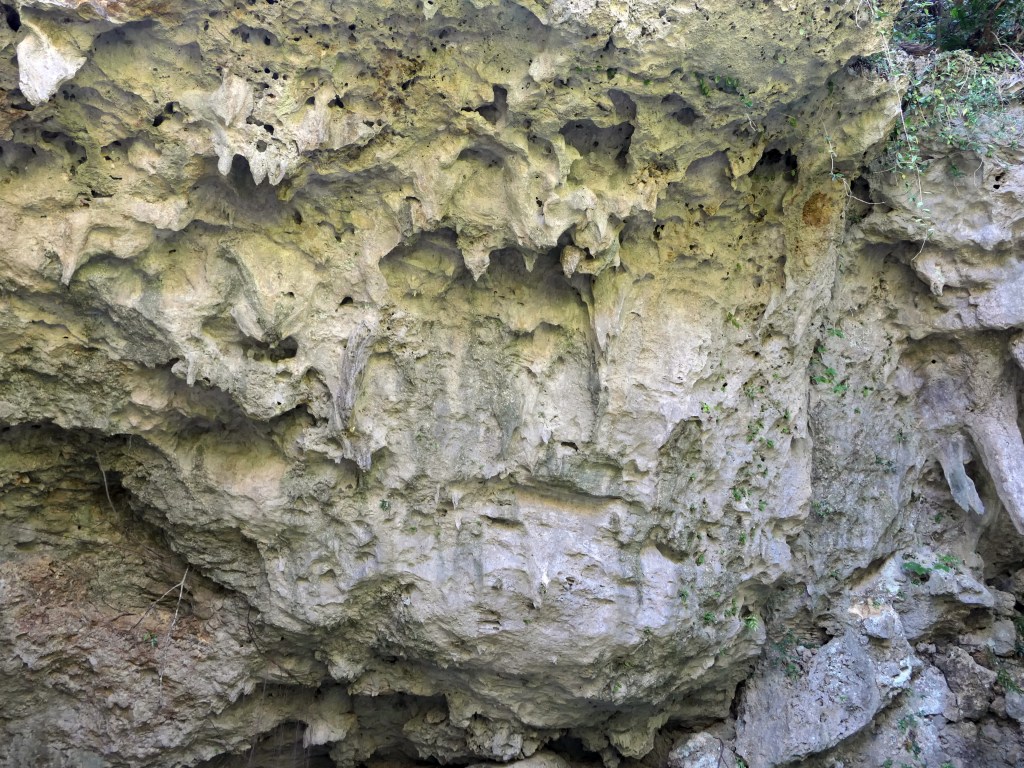
The Ufugui upper area
The largest rock formations sit at the top of the slope, where the sacred space opens between limestone walls and forest. Paths are roped or stepped in places; stay on the marked route and do not climb the rocks. Access to the upper area can be restricted after heavy rain, so read the notice at the entrance.
The spring pools
Two pools on the approach are part of the site’s ritual geography. The setting is a place of worship rather than a scenic attraction, so keep voices low and follow any instruction from staff on the day.
The view toward Kudaka Island
The site looks east across the sea toward Kudaka, an island tied to Ryukyu creation stories. The view is the reason the location mattered, and it is best in clear morning light.
Subtropical forest along the path
The walk passes through dense green growth and limestone outcrops that give the site its atmosphere. The path is uneven and holds moisture after rain; grip matters more than speed.
Food and drink
- Eating options near the site are limited. Plan lunch in Naha or around the Chinen coast rather than at the entrance.
- Small shops in the south sometimes close early or on irregular days, so carry water and a snack if you are arriving in the afternoon.
Getting there and around
- Local buses run from Naha toward the Chinen peninsula, but frequency is thin and the ride is long. Check the timetable before committing to a bus-only day.
- A rental car or taxi is the usual choice for combining Sefa Utaki with other southern sites. Confirm the last return bus while you are still on site if you are not driving.
- Walking from the nearest bus stop adds time on a road with limited shade.
- Hours, admission rules, and bus times change; reconfirm on the Nanjo City page and the operator’s page before you travel.
Where to stay
- Naha is the practical base for a southern Okinawa day, with the widest choice of transport and food.
- Staying in the south shortens the drive and makes an early start easier, but dining options are thinner in the evening.
Best time to visit
- The subtropical sun is strong even under cloud. Morning is cooler and quieter than midday.
- Rain makes the limestone path slippery, and the upper area can close. Carry a light rain layer in the wetter months.
- Typhoon season can disrupt transport across Okinawa; check forecasts and allow slack in the itinerary.
Practical tips
- Treat the site as a place of worship. Keep voices low, do not climb the rocks, and follow roped-off sections.
- Wear shoes with grip. Sandals are a poor choice on wet limestone.
- Bring water and sun protection; there is little shelter on the upper section.
- Pair the site with the Chinen peninsula rather than the far north of the island, which is hours away by road.
Suggested day-trip outline
- Start from Naha in the morning and drive or take the bus south toward Nanjo.
- Walk the approach and the upper area at a slow pace; allow around an hour on site.
- Continue along the Chinen coast for lunch and a short stop at a viewpoint.
- Return to Naha by mid-afternoon, or extend the day toward other southern sites if you have a car.
Where to go next
Guides to nearby places on this route, each checked against official sources.
Before you go
Timetables, fares, admission fees, and seasonal access rules can change. Check the official tourism and transport sites linked below for the latest information before you travel.
Sources
- Nanjo City official (checked 2026-10-23)
- JNTO (checked 2026-10-23)


Leave a Reply