A first trip to Japan is easier when the route is small, the transfers are realistic, and the details that change—fares, hours, and tickets—are checked close to departure. This page is a planning guide, not a timetable.
Miyajima
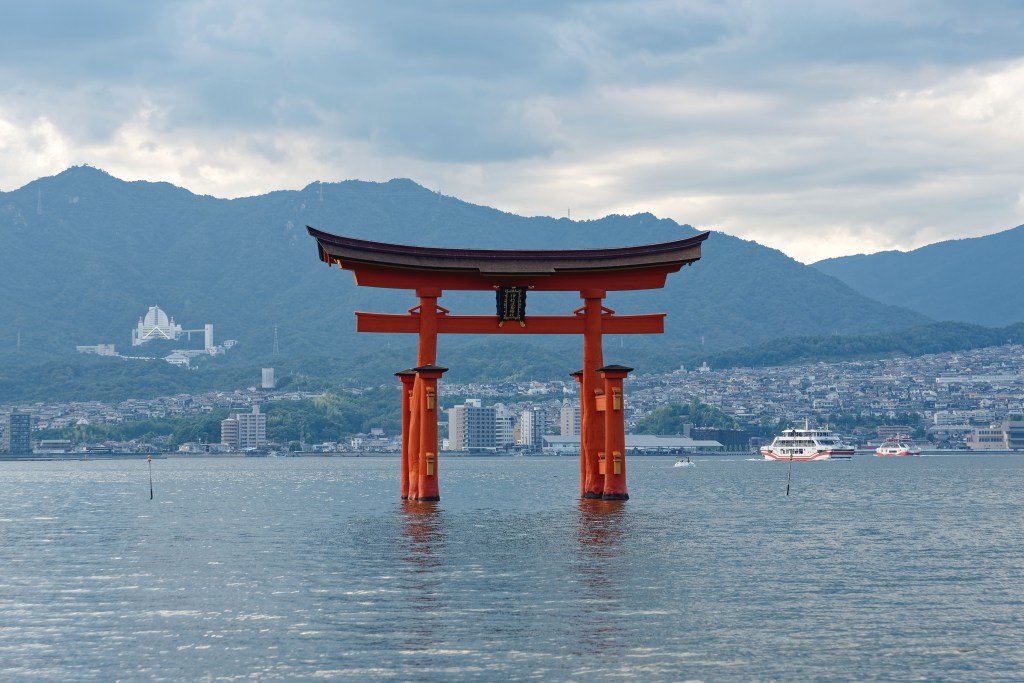
The floating torii at Itsukushima Shrine. This frame was taken in August, so it is the landmark rather than an autumn-color scene.
How to plan a first trip
Start with the number of nights, not with a list of famous names. A week is usually enough for one or two regions. Stretching from Tokyo to Hiroshima to Hokkaido in a few days spends more time in stations than in the places you came to see.
- Pick one base for several nights, then add day trips.
- Leave a free half-day after a long travel day. Mountain buses and ferries slip.
- Book the scarce overnight first: small onsen towns fill up on weekends and holidays.
- Read one destination guide fully before you add the next town.
Choosing when to go
There is no single best month. Spring and autumn are popular because walking is easier, so trains and inns are busier. Summer is hot and humid in much of the country, with a higher chance of heavy rain. Winter is clear and cold in the cities and snowy in the mountains. Cherry and autumn color move by region and by year, so do not lock a trip to one forecast date.
Match the month to the kind of trip you want: walking weather, flower fields, autumn color, or a snowy onsen town. The season notes on this site stay tied to the published guides below rather than to a fixed calendar.
See Japan by Season for spring, summer, autumn, and winter notes linked to those guides.
Routes from a base city
This site does not yet have a standalone Tokyo or Kyoto city guide. Use those cities as bases, then follow the published day-trip and overnight guides below.
If you stay in Tokyo
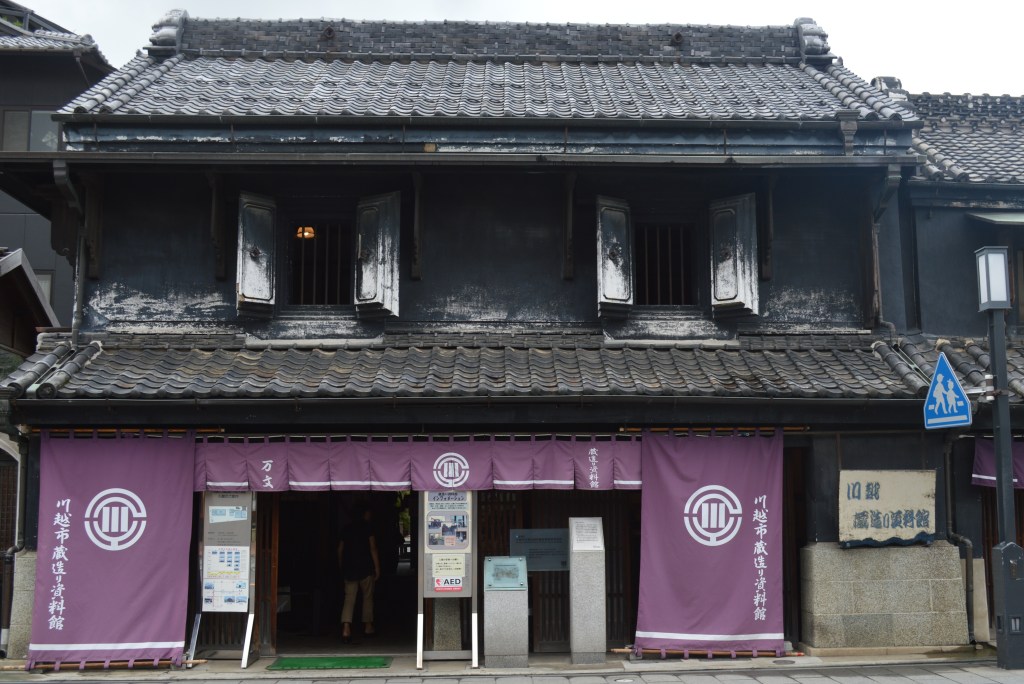
- Kawagoe is a warehouse-street day trip by train, with a sweet-shop lane and temple stops.
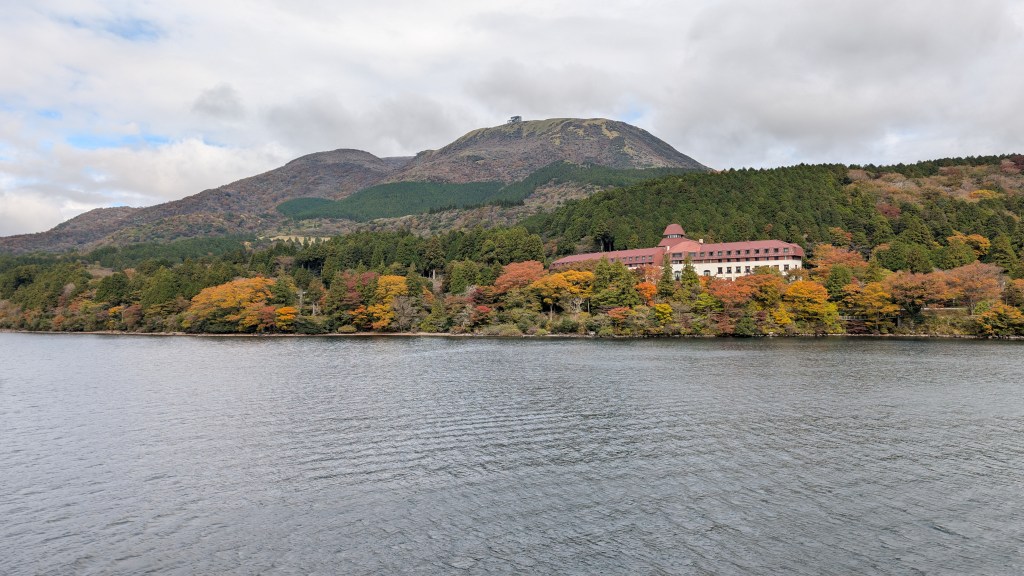
- Hakone is the usual onsen overnight or long day, with a loop of trains, a ropeway, and a lake. Mount Fuji is not visible every day.
- Kusatsu Onsen is a stronger hot-spring town farther into Gunma. The guide says winter paths can freeze.
If you stay in Kyoto
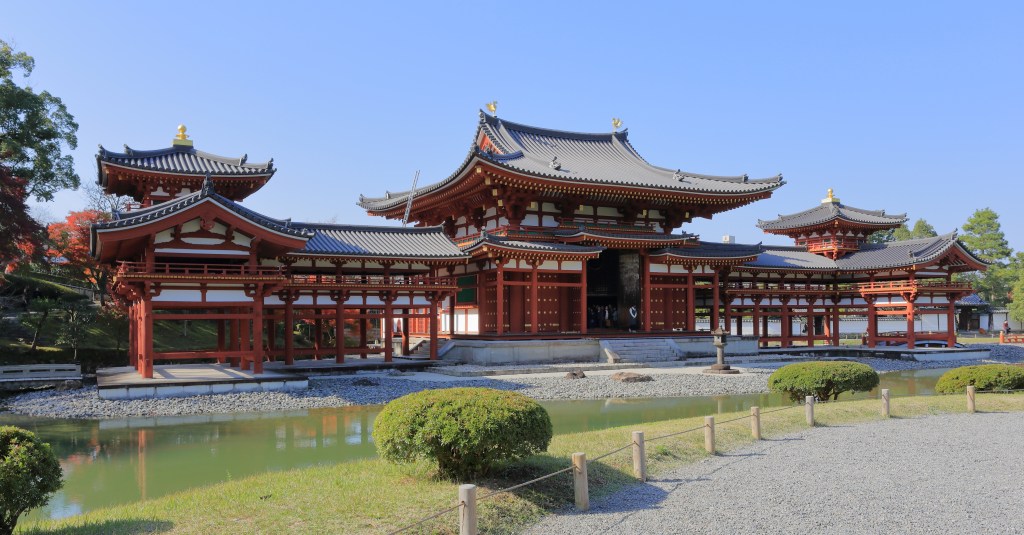
- Uji is a short train day for Byodo-in and matcha. Confirm which trains stop there.
- Kurama and Kibune are a mountain day on the Eizan line: temples, forest, and a riverside village. Some dining there is seasonal.
If you add one more region
Add one of these, not all of them, unless you have the nights.
- Kanazawa for a garden and teahouse districts on the Japan Sea side.
- Takayama for a preserved merchant town and access toward the Alps. Winter can affect mountain roads.
- Shirakawa-go for the gassho farmhouses. There is no train station in the village; the guide is built around highway buses.
- Miyajima as a Hiroshima day trip for Itsukushima Shrine and the floating torii. Allow time for the ferry.
- Hiraizumi if the route already goes through Tohoku. The temples sit beyond a shinkansen stop, with a local connection still to make.
Trains, the shinkansen, and local transport
Major cities are linked by the shinkansen and by other limited expresses. A seat reservation and a basic ticket are different things. Some rural places are not on a rail line at all.
- Check the operator’s site for your exact date. Fares, reserved-seat rules, and rail passes change, and a national pass is not automatically the cheaper choice.
- Local trains, subways, trams, and buses use different tickets. An IC card that works in Tokyo may not be the simplest option on every rural bus.
- For Shirakawa-go, reserve the bus out and the bus back. The published guide warns that snow and parking congestion can delay coaches.
- Ferries, ropeways, and scenic boats stop for wind or high water. Do not build a same-day flight around the last ride.
- Say the lodging’s name to taxi drivers, and keep the address on your phone. English signage thins out away from big stations.
Cash, IC cards, internet, and luggage
Cards and mobile payments are common in cities. Small shrines, rural buses, lockers, and food stalls still expect cash. Withdraw yen after you arrive if your home bank allows it, and keep a separate stash for the last morning.
Transit IC cards, including physical and phone versions, are convenient where they are accepted. Names, tourist products, and where a card can be refunded have changed before. Confirm the current option for your route instead of buying one on hearsay.
For internet, compare an eSIM, a pocket wifi, and your phone plan’s roaming. Coverage in valleys and on islands is uneven. Download offline maps before you leave the hotel.
Large suitcases are awkward on local trains and in onsen lanes. Door-to-door luggage delivery exists between many towns, but cutoff times and size limits differ by company and by season. If you use it, send the bag a day ahead and keep medicine, a change of clothes, and valuables with you.
Onsen, shrines, temples, and restaurants
Hot springs
Wash before you enter the shared bath, and keep the small towel out of the water. Do not swim or splash. Some baths refuse tattoos, some allow them, and some offer private baths. Ask the property. The water at Kusatsu is famously hot; start with a short soak. Dogo Onsen in Matsuyama is a historic public-bath district if you want to see how a town bathhouse works. Ginzan Onsen is a small riverside stay, not a place to rush through with a suitcase.
Shrines and temples
Many grounds are free to enter, while gardens, halls, and museums charge. Hours and last entry change. Take shoes off when a step or a sign tells you to. Photography may be fine in a courtyard and forbidden at an altar. Speak quietly, and do not walk through a ceremony. A bow at the hall is welcome; you do not have to perform a ritual you have not learned.
Eating out
Busy counters sometimes use a ticket machine at the door. Sit where the staff points. It is normal to linger less than in a European cafe at lunch. If a restaurant serves only overnight guests, do not expect a lunch table. The Miyajima guide gives an example: one ryokan serves meals only to overnight guests. Convenience stores are a reliable backup, not a failure.
Places to start
These photographs come from the published guides. The picture and the title open the article.
Kawagoe
A warehouse-street day trip by train from Tokyo.
Hakone
Lake Ashi in autumn. This photograph shows the lake and hillside, not a view of Mount Fuji.
Uji
Byodo-in Phoenix Hall in November, a short train ride from Kyoto.
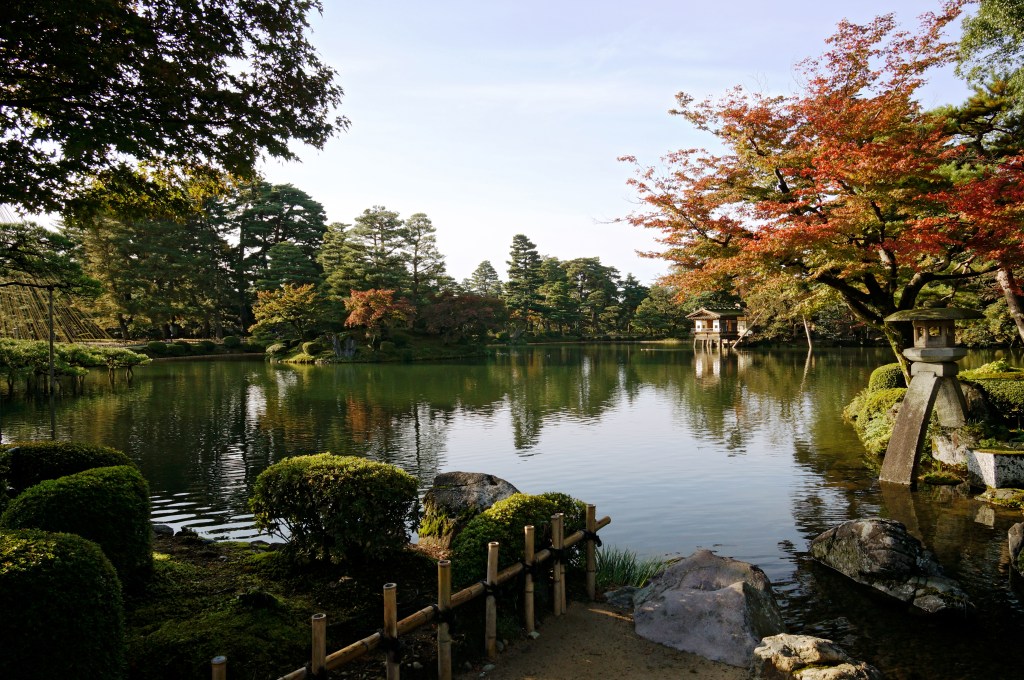
Kanazawa
Kenrokuen in November, with maples beside the pines and pond.
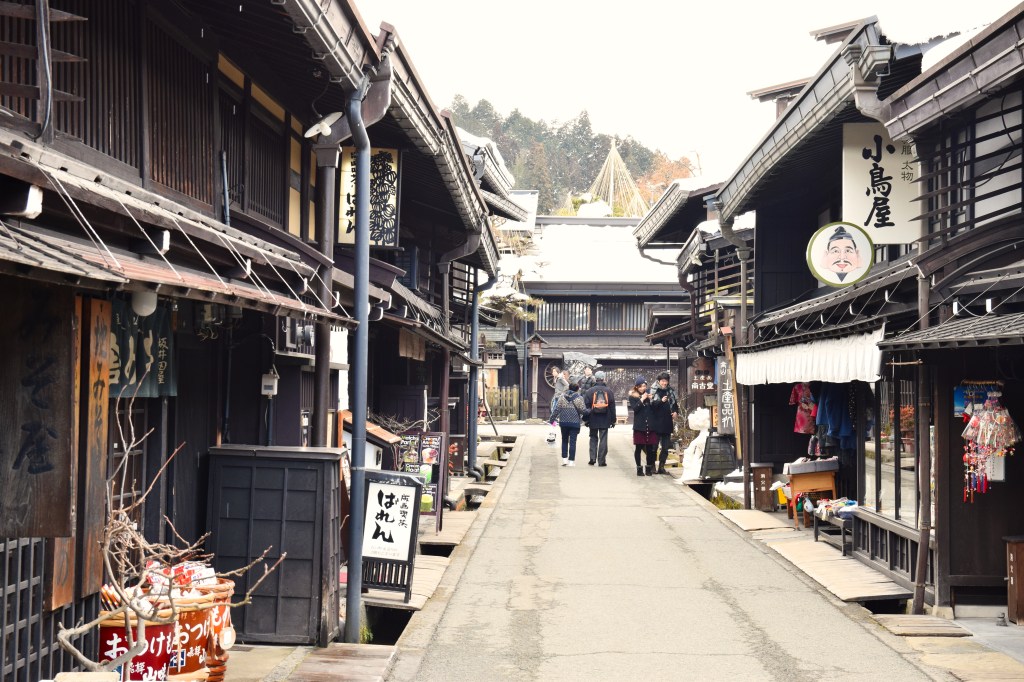
Takayama
The old merchant street in Hida Takayama.
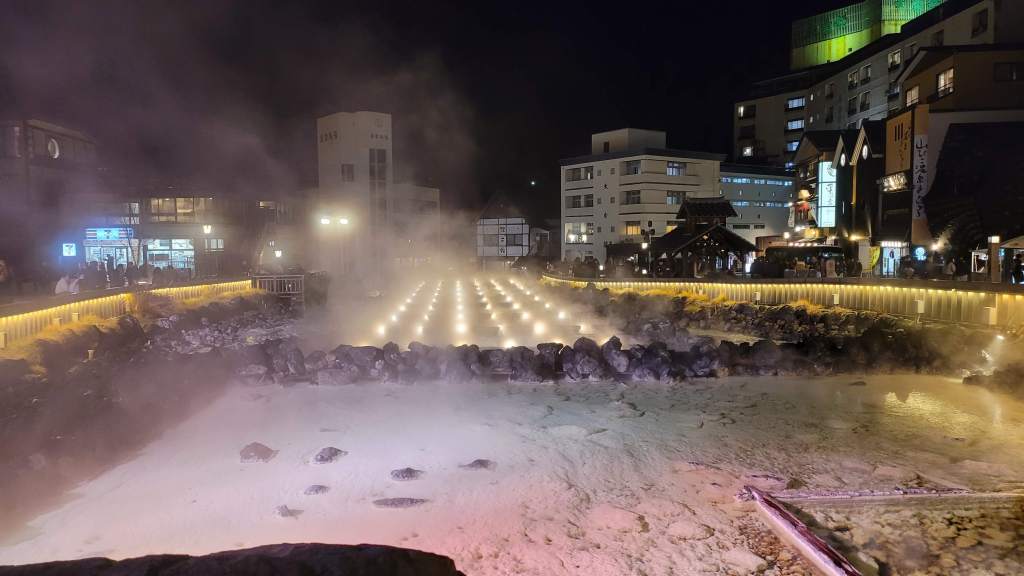
Kusatsu Onsen
The Yubatake at night. The photograph shows steam over the field, not a snow scene.
Published guides to start with
These are live articles on this site. Each one tells you what to reconfirm locally.
- Kawagoe Travel Guide: Warehouse Streets Near Tokyo
- Hakone Travel Guide: Onsen, Ropeways, and Mount Fuji Views
- Kusatsu Onsen Travel Guide: Yubatake Hot Springs in Gunma
- Uji Travel Guide: Matcha, Byodo-in Temple, and a Day Trip from Kyoto
- Kurama and Kibune Day Trip from Kyoto
- Kanazawa Travel Guide: Kenrokuen and Teahouse Districts
- Takayama Travel Guide: Hida Old Town and Alps Access
- Shirakawa-go Travel Guide
- Miyajima Travel Guide
- Hiraizumi Travel Guide
- Dogo Onsen Travel Guide
- Ginzan Onsen Travel Guide
First-trip checklist
- Entry rules for your passport checked on an official government page.
- One base city chosen, with only the day trips you can finish in daylight.
- Inbound and return seats reserved where the guide says the ride is a bus or a ferry.
- Cash for small shops, plus a card that works abroad.
- Internet sorted before the first rural day.
- One small overnight bag if a large suitcase will not fit the lane or the train.
- Onsen tattoo and private-bath rules asked before you book, if that applies to you.
- Shoes you can take off quickly, and a layer for cold trains or hot streets.
- Lodging address saved offline.
- The relevant guide on this site reread the week you travel. Hours and fares will have moved.

