Planning a trip to Miyajima (Itsukushima) near Hiroshima? This English guide covers the UNESCO Itsukushima Shrine, the iconic torii gate, island walks, ferry access, and practical tips for international travelers.
Operational details such as opening hours, admission fees, and train times can change. Prefer official pages and reconfirm before you travel (sources checked on 14 October 2026).
Why visit
- Miyajima (Itsukushima) is a forested island in Hiroshima Prefecture famous for Itsukushima Shrine and its “floating” torii gate.
- The shrine complex is a UNESCO World Heritage Site and one of Japan’s most photographed shoreline landmarks.
- It pairs naturally with Hiroshima city as a day trip for first-time visitors to western Japan.
Top places and highlights
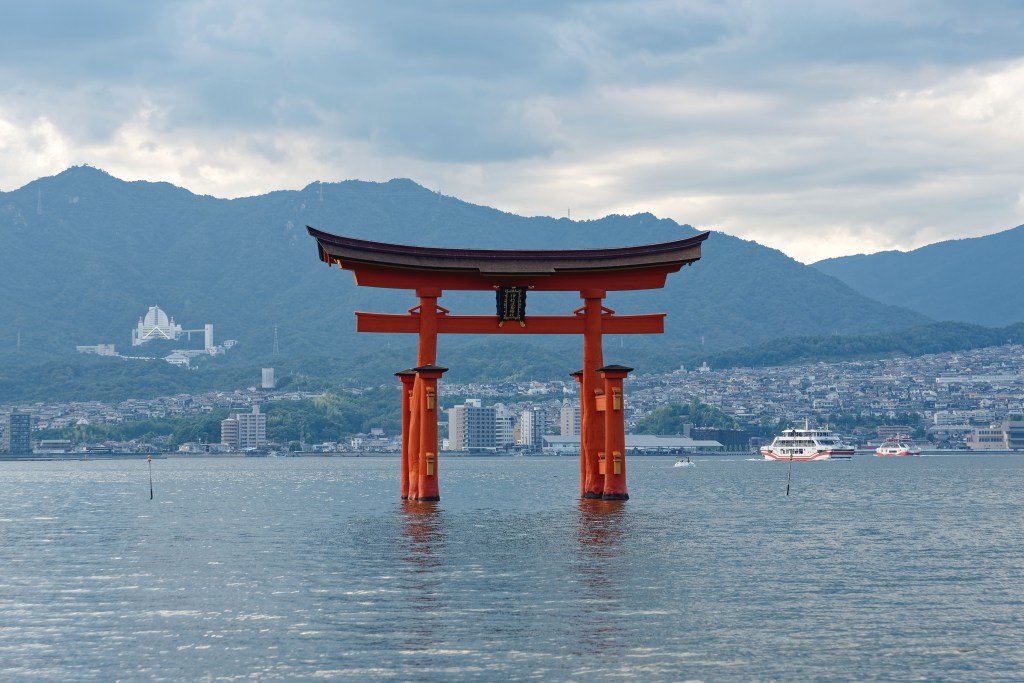
Itsukushima Shrine and the grand torii
The shrine’s corridors and seaside torii are the island’s signature sights. Tide levels change the view dramatically. Opening hours, admission, and whether you can walk near the torii depend on conditions—confirm on official Miyajima / shrine notices before you go.
Omotesando shopping street
The main approach from the ferry is lined with snack stalls and souvenir shops. Useful for trying local specialties between shrine visits.
Momijidani Park and hillside views
Momijidani Park is popular for maple leaves in autumn and as a starting point toward higher viewpoints. Ropeway or trail options may vary by season and maintenance—confirm current operations before relying on them.
Daisho-in Temple
A historic temple complex on the hillside with varied halls and statues. A quieter complement to the busy shrine waterfront when time allows.
Food and drink
- Look for grilled oysters in season, momiji manju maple-leaf cakes, and other Hiroshima-area snacks along Omotesando.
- Shop hours focus on daytime ferry visitors; confirm on the day if you arrive late.
Where to Eat
A short list of places to eat after sightseeing. Menus, hours, and closed days change—reconfirm on official pages (or by phone) before you go.
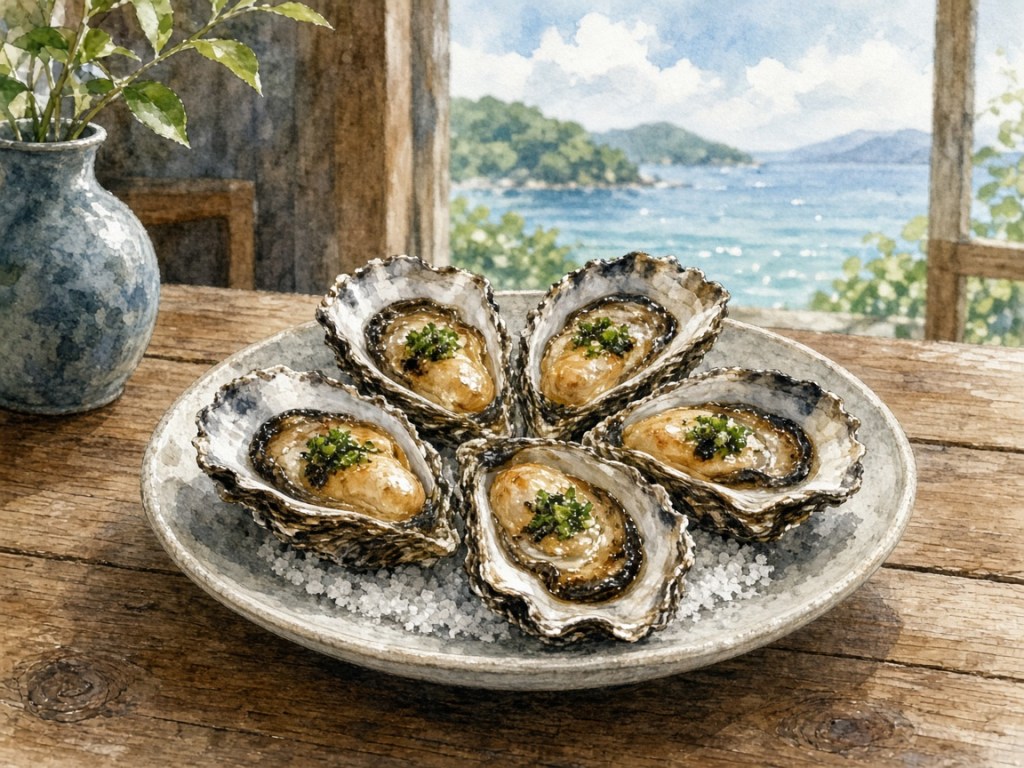
Kakiya (Oyster Restaurant)
Budget fit: Midrange Cuisine: Hiroshima oysters
An oyster-focused restaurant on Miyajima’s shopping street, useful for tasting Hiroshima’s signature shellfish between shrine visits.
What to try:
- Oyster dishes (confirm seasonal menu)
Address: 539 Miyajima-cho, Hatsukaichi-shi, Hiroshima 739-0588, Japan Access: About a 10-minute walk from Miyajima Pier along the shopping street (per official site). Booking tip: Confirm hours and seating on the official site (or by phone) before you go. Official site: https://www.kaki-ya.jp/
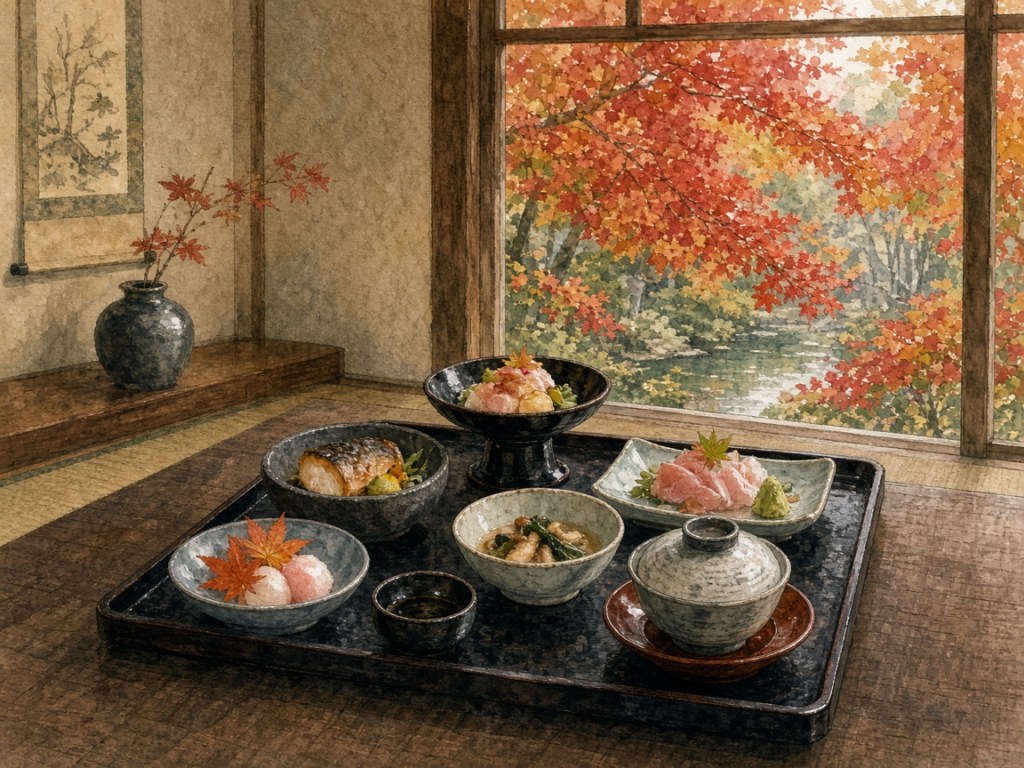
Iwaso — Seasonal Kaiseki Dining
Budget fit: Upscale Cuisine: Setouchi kaiseki (ryokan dining)
Iwaso’s seasonal kaiseki highlights Seto Inland Sea seafood such as oysters and anago. Official guidance states meals are served only to overnight guests—this is not a day-visitor restaurant.
What to try:
- Seasonal kaiseki with local seafood
Address: 345-1 Miyajima-cho, Hatsukaichi-shi, Hiroshima (inside Iwaso) Access: Same access as Iwaso ryokan. Booking tip: Overnight guests only (confirmed on the official Iwaso English meal pages). Book a meal-inclusive stay plan; dietary requests typically need advance notice (about 7 days). Reconfirm dinner seating times before arrival. Official site: https://www.iwaso.com/english
Getting there and around
- From Hiroshima city, take the JR Sanyo Line to Miyajimaguchi Station, then a short walk to the ferry pier.
- Ferries operated by companies such as JR West Miyajima Ferry and Matsudai Ferry connect Miyajimaguchi and Miyajima; schedules and fares change—confirm on official ferry pages.
- Hiroshima Peace Memorial Park and Miyajima are often combined in one day; leave buffer time for ferry queues in peak seasons.
- Exact train and ferry times: reconfirm on official JR / ferry sources before travel.
Where to Stay
These overnight picks span different budgets. Hours, rates, and availability change—reconfirm on each official site before you book.
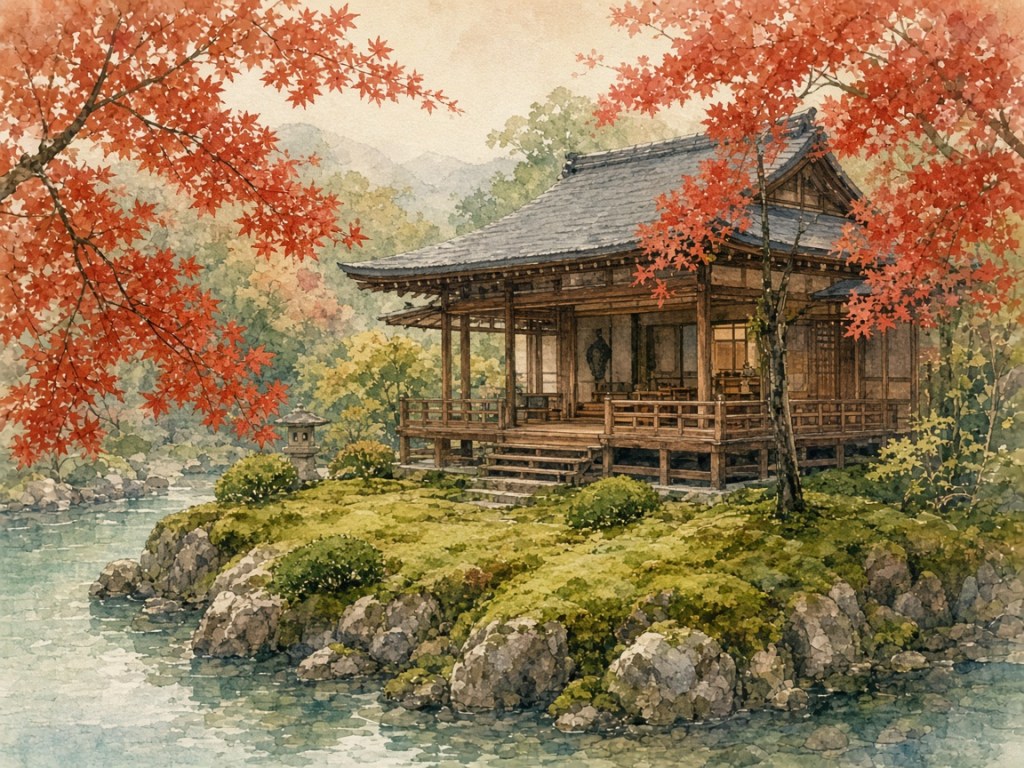
Iwaso (Miyajima)
Budget fit: Upscale Stay type: Historic ryokan near Momijidani
A long-established Miyajima ryokan (founded 1854) beside Momijidani Valley, a short walk from Itsukushima Shrine. Best known for an overnight island stay with seasonal Setouchi cuisine.
Why stay here:
- Momijidani setting close to Itsukushima Shrine
- Historic inn with multiple building types
- Seasonal kaiseki featuring local seafood
Address: 345-1 Miyajima-cho, Hatsukaichi-shi, Hiroshima 739-0522, Japan Access: Ferry to Miyajima Pier, then about 15 minutes on foot (or arranged pickup—confirm with the inn). Booking tip: Book via the official website when possible and reconfirm details before arrival. Official site: https://www.iwaso.com/english
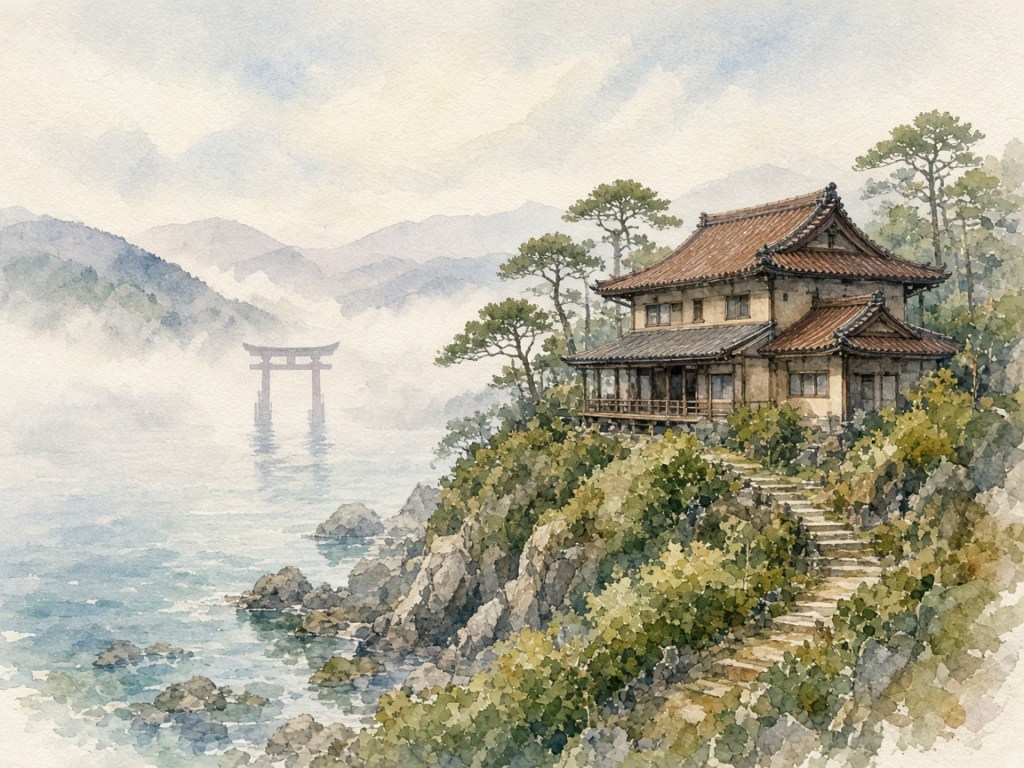
Miyajima Island Hotel Kikunoya
Budget fit: Midrange Stay type: Hillside hotel with shrine/torii views
A hillside hotel about a five-minute walk from Itsukushima Shrine, with sea-facing rooms that can overlook the great torii. Offers pier pickup guidance for arriving guests.
Why stay here:
- Short walk to Itsukushima Shrine
- Sea-facing rooms with torii views (room-dependent)
- Pier pickup / luggage support described on official site
Address: 335 Miyajima-cho, Hatsukaichi-shi, Hiroshima 739-0523, Japan Access: Ferry to Miyajima Pier, then hotel shuttle/pickup as described on the official English site. Booking tip: Book via the official website when possible and reconfirm details before arrival. Official site: https://miyajima-kikunoya.com/en/
Miyajima Grand Hotel Arimoto
Budget fit: Midrange Stay type: Historic island hotel / ryokan-style hospitality
A long-running Miyajima lodging with onsen baths and Seto Inland Sea cuisine. Convenient if you want a full-service overnight base without leaving the island after sunset.
Why stay here:
- Long local history of hospitality
- Onsen bathing facilities
- In-house dining focused on Setouchi ingredients
Address: 364 Minamimachi, Miyajima-cho, Hatsukaichi-shi, Hiroshima 739-0588, Japan Access: Ferry to Miyajima, then local walk/taxi; confirm map guidance on the official English site. Booking tip: Book via the official website when possible and reconfirm details before arrival. Official site: https://www.miyajima-arimoto.co.jp/en/
Best time to visit
- Spring and autumn are especially popular; expect denser ferry crowds on weekends and holidays.
- Summer can be hot and humid; carry water and sun protection for the waterfront walk.
- Winter is quieter; tides and wind still shape how the torii looks in photos.
Practical tips
- Wild deer roam freely—do not feed them human snacks, and keep maps/tickets secure.
- Wear shoes suitable for walking; shrine corridors can be uneven and wet.
- Check tide forecasts if walking out toward the torii is important for your photos.
- The peace park and museum in Hiroshima are a different visit from the shrine. See the Hiroshima Peace Memorial travel guide.
- Another of the three famous views is a pine sandbar in northern Kyoto, covered in the Amanohashidate travel guide. It is a different trip.
Suggested day-trip outline
- Morning train from Hiroshima to Miyajimaguchi and ferry to Miyajima.
- Visit Itsukushima Shrine and the shoreline torii (confirm hours/fees).
- Walk Omotesando for snacks; optional Momijidani or Daisho-in if time allows.
- Return ferry and train to Hiroshima by late afternoon or evening.
More guides across Chugoku
The Chugoku coast is long and the rail lines are slow, so these are separate days rather than a single loop. The Shimane and Tottori stops are on the Japan Sea side, not on this line.
- Matsue Castle — a National Treasure keep, under repair.
- Tomonoura — a tide-waiting port in Fukuyama.
- Tottori Sand Dunes — the coastal dune field in the west.
- Bitchu-Matsuyama Castle — the mountain keep above Takahashi.
- Akiyoshidai and Akiyoshido — the karst plateau and its cave.
- Onomichi — temple walks and the gateway to the Shimanami Kaido.
- Izumo Taisha — the grand shrine on the Shimane coast.
Before you go
Timetables, fares, admission fees, and seasonal access rules can change. Check the official tourism and transport sites linked below for the latest information before you travel.
Sources
- Miyajima Tourism Association (English): https://www.miyajima.or.jp/english/ (checked 2026-10-14)
- Visit Hiroshima (official tourism): https://visithiroshima.net/ (checked 2026-10-14)
- Japan National Tourism Organization (JNTO): https://www.jnto.go.jp/en/ (checked 2026-10-14)
- Hiroshima Prefecture (English): https://www.pref.hiroshima.lg.jp/site/english/ (checked 2026-10-14)
Explore More of Japan
If you are planning a wider Japan itinerary, these guides pair well with this destination:
- Kurashiki Travel Guide: Bikan Canal District — Stay in western Honshu for Kurashiki’s canal-side warehouse district.
- Iwami Ginzan Travel Guide: UNESCO Silver Mine in Shimane — Continue inland to Iwami Ginzan’s UNESCO silver-mine townscapes in Shimane.
- Naoshima Travel Guide: Art Islands, Museums, and the Seto Inland Sea — Stay on the Seto Inland Sea for contemporary art museums and island hopping.


Leave a Reply