Planning the walk from Magome to Tsumago? This English guide covers the old post towns, the trail between them, bus access, and what to reconfirm before you go.
Operational details such as opening hours, admission fees, and train times can change. Prefer official pages and reconfirm before you travel (sources checked on 21 October 2026).
Why visit
- Magome and Tsumago are two preserved post towns on the old Nakasendo, with a footpath of roughly a half day between them.
- The walk is mostly village street plus forest, not a high alpine route. It still has hills, especially leaving Magome.
- It pairs well with the Kiso Valley and, on another day, with Takayama or Kamikochi if your route is already in the mountains.
Top places and highlights
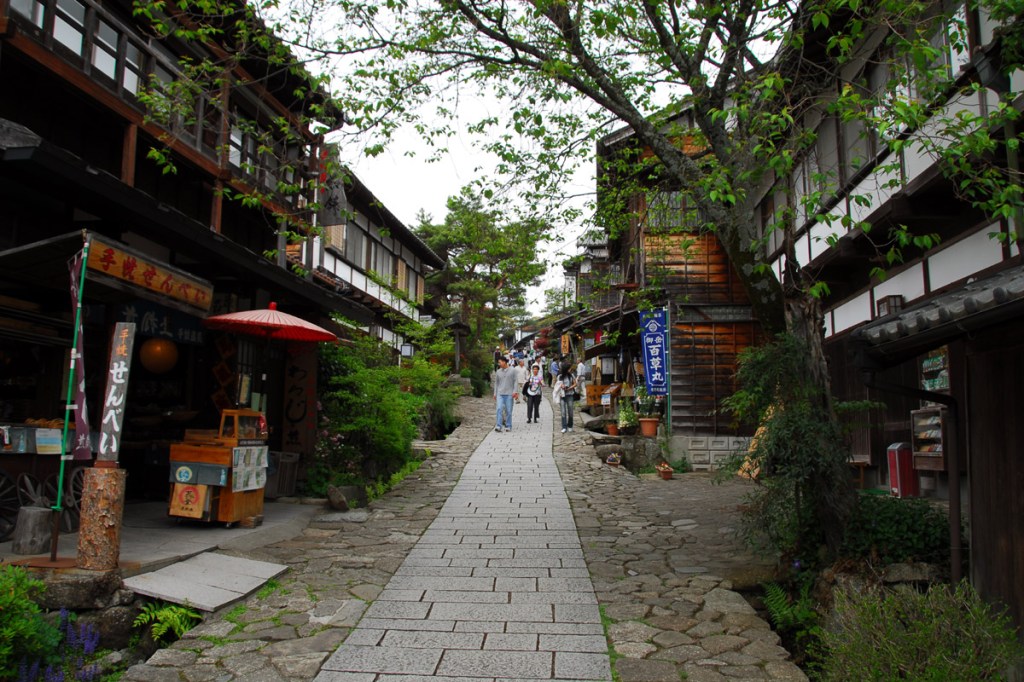
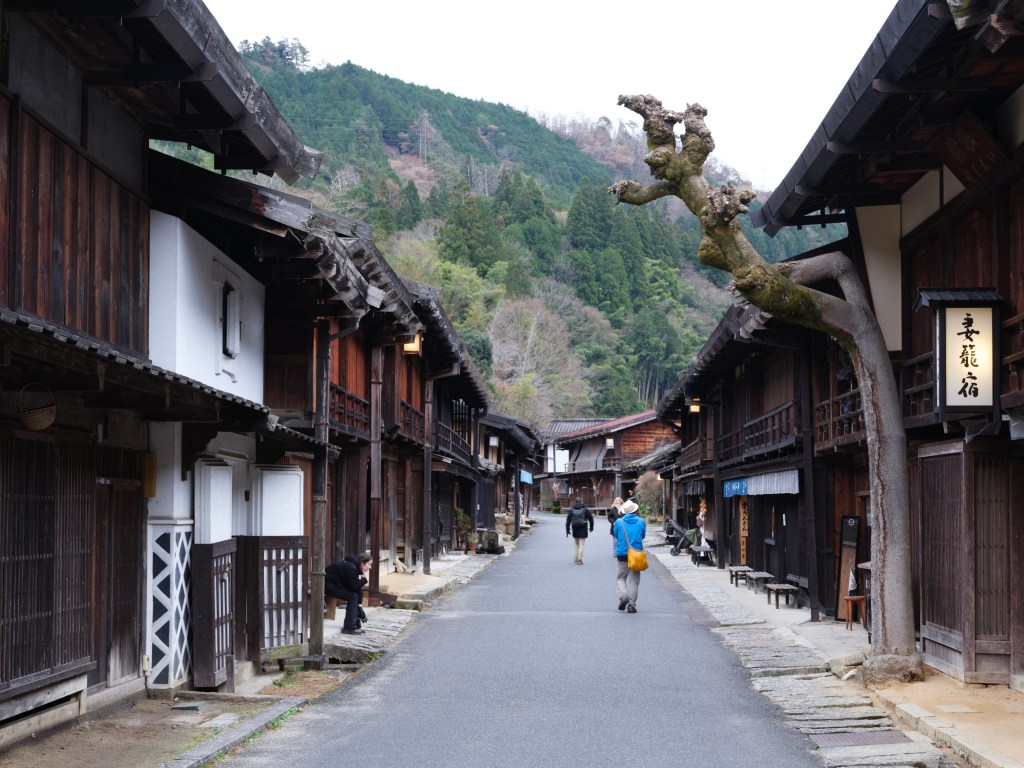
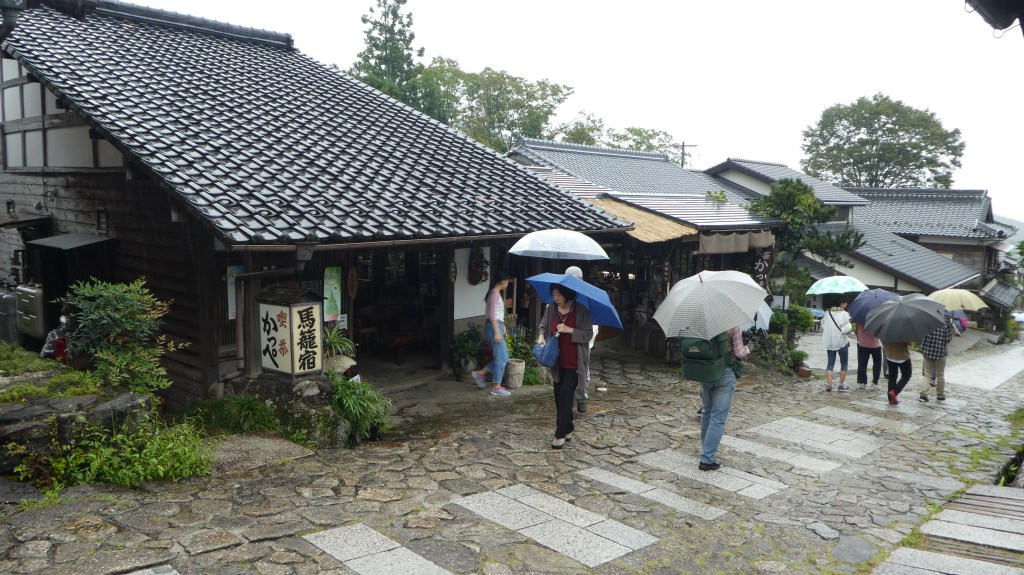
Magome
The street climbs a stone slope of inns and shops. It is a working village—use the public path and the signed water taps.
The trail
The path between the towns is signed and can be muddy after rain. Waterfalls and tea houses along the way are seasonal.
The Tsumago post town association puts the full route at about 9 kilometers and 2.5 to 3 hours on foot. The climb to Magome Pass is short and steep from the Magome side, and longer but gentler from Tsumago, so the direction you pick changes how the first hour feels. The Nagiso tourism association advises carrying a bell, because bears are reported in the area most years, and the Magome and Tsumago information desks rent them.
One stretch deserves its own warning. The Nagiso tourism association posted a notice in May 2026 that walkers had been injuring themselves on the stone paving between Otsumago and Magome, near the point called Kooshinzuka. The slabs are uneven and turn slick in the rain, and the descent toward Magome is where people pick up speed. Use the handrails on that section, shorten your stride, and do not treat the paved stretch as an easy road simply because it is paved.
A bell is worth taking seriously rather than as a souvenir. The Tsumago information desk lends them: you leave a deposit when you collect one and get most of it back on return, so the real cost is small. Fasten it to your pack rather than carrying it in your hand, and keep talking on the quiet sections where a bear would hear you coming.
Tsumago
The lower town is flatter, with a long row of wooden facades. Some houses open as museums on limited days—confirm before you count on going inside.
Luggage forwarding, and how it changes the day
Both towns run a luggage forwarding service along the Magome–Otsumago–Tsumago corridor, and it is the single thing that most changes how the walk feels. You hand a bag in at one of the tourist desks in the morning and collect it at the far end in the afternoon.
Two details catch people out. The drop-off is in the morning only, so a late start can mean missing it altogether; and if you are staying at an inn in Otsumago rather than in Magome or Tsumago, the arrangement is made through the inn rather than at the desk. The service also stops for the winter, which matters if you are planning a December or January walk.
Confirm the season dates, the desk hours and the per-bag charge at the tourist information desk before you rely on any of it. Those details are set locally and change between years, so treat last season’s figure as a hint rather than a plan.
Walking without a bag also changes the direction question. If you send the bag ahead and walk from Magome to Tsumago, you finish on the gentler approach with your bag already waiting. The reverse works just as well, provided you are certain about the collection point at the other end.
Food and drink
- Both towns have soba and simple lunches. Kitchens close when the day walkers leave.
- Carry water. The trail shops are not guaranteed to be open on a weekday.
Getting there and around
- Buses connect Nakatsugawa Station with Magome, and Nagiso Station with Tsumago. The ride is short, but the last bus is the constraint—reconfirm the timetable.
- Luggage forwarding between the towns is sometimes offered in the walking season. Treat it as optional and confirm the day’s service at the tourist desk.
- Fares and winter suspensions should be checked on the Kiso transport pages, not assumed from a blog.
Where to stay
- Walking one way and busing back, or onward, fits in a day from Nakatsugawa or Nagiso.
- An inn in either town is the right choice if you want the street after the tour buses leave.
Best time to visit
- Spring and autumn are the comfortable walking months. Summer is humid under the trees.
- Winter can leave ice on the Magome slope and may reduce buses. Confirm before you plan a January walk.
Practical tips
- Start early enough that the last bus is still a choice, not a hope.
- The Magome hill is steeper than the Tsumago end. Many people walk downhill from Magome.
- Mountain days nearby are in the Kamikochi travel guide and the Takayama travel guide.
Suggested day-trip outline
- Bus to Magome.
- Walk toward Tsumago, with a turnaround time already chosen.
- Bus from Tsumago to Nagiso, or stay in the town.
Before you go
Timetables, fares, admission fees, and seasonal access rules can change. Check the official tourism and transport sites linked below for the latest information before you travel.
Sources
- Kiso Valley tourism (checked 2026-10-21)
- Nagiso Town (checked 2026-10-21)
- Go Nagano (checked 2026-10-21)
- Tsumago post town: walking the Nakasendo (checked 2026-10-22)
- Nagiso tourism association: hiking notes (checked 2026-10-22)
- Kiso Valley tourism (relocated official site) (checked 2026-10-23)


Leave a Reply