Planning a trip to Akan-Mashu National Park? This English guide covers Lake Akan, Lake Mashu, the Ainu kotan, onsen stays, and what to reconfirm before you go.
Operational details such as opening hours, admission fees, and train times can change. Prefer official pages and reconfirm before you travel (sources checked on 23 October 2026).
Why visit
- Akan-Mashu is one of Japan’s oldest national parks, designated in 1934, and it holds two crater lakes with completely different characters.
- Lake Akan is ringed by forest and onsen hotels, while Lake Mashu is a steep-walled caldera known for water clarity and for fog that hides it without warning.
- The Ainu kotan beside Lake Akan is a living cultural site rather than a museum piece, with craft workshops and stage performances.
- Because the sights sit far apart on quiet roads, an overnight stay suits the park far better than a rushed day trip from Kushiro.
Top places and highlights
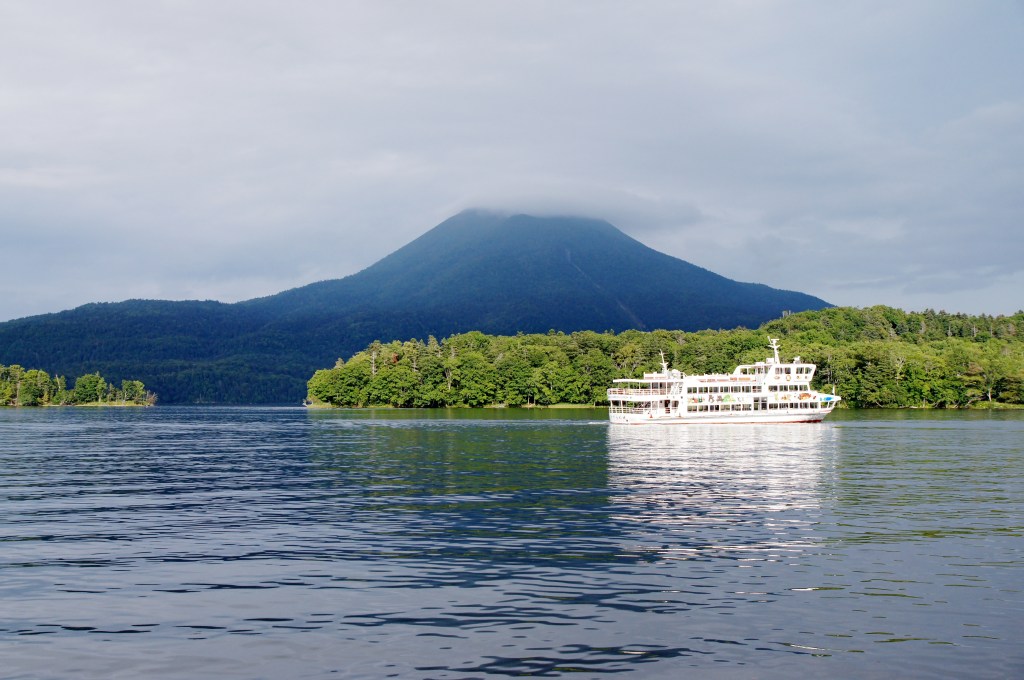
Lake Akan and the marimo
The lake’s marimo — spherical green algae balls — were designated a special natural monument in the 1920s. Exhibition facilities near the shore explain how they form and why the lake’s shape and currents matter, and a small island in the lake is reached by boat in season.
Ainu kotan
A row of workshops and houses on the edge of Akan Onsen where Ainu crafts, embroidery, and woodcarving are sold by the people who make them. Stage performances of dance and song run on a published schedule, so check the day’s times at the kotan rather than assuming an evening show.
Lake Mashu viewpoints
Mashu is a caldera lake with no surface outflow, and its rim sits far above the water. Observation points along the rim road look straight down into deep blue water, but cloud and fog can close the view within minutes; the road itself is closed by snow outside the warm months.
Iozan and Kawayu Onsen
A bare, steaming sulfur mountain near Kawayu Onsen, with fumaroles beside a short walking route. The onsen town below is smaller and quieter than Akan, and makes a practical second base for the Mashu side of the park.
Food and drink
- Eastern Hokkaido cooking leans on dairy, potatoes, and fish from the Okhotsk coast; hotel dinners in the onsen towns usually build around local ingredients.
- Rural restaurants keep short hours and close between lunch and dinner, so plan a midday stop rather than arriving at three o’clock.
- Lunches near the lakes are limited outside the onsen hotels, and trailhead kiosks sell only snacks.
Getting there and around
- Kushiro Airport is the usual gateway, with buses and rental cars from the terminal into the park.
- The JR Senmo Line links Kushiro with Kawayu Onsen and Teshikaga, but stations sit well away from the lakes, so the last stretch is by bus or car.
- Seasonal buses run to Lake Akan and the Mashu viewpoints; services thin out outside summer and stop entirely in winter in some sections.
- A rental car gives the most control, but winter driving needs snow tyres, daylight planning, and patience on icy shaded corners.
Where to stay
- Akan Onsen has lakeside hotels within walking distance of the water, the kotan, and the boat pier.
- Kawayu Onsen is quieter and better placed for Lake Mashu and Iozan.
- Kushiro city works if you prefer a larger base and are willing to drive in each day.
Best time to visit
- Summer is green, busiest, and the only season when every road and facility is reliably open.
- Autumn colour arrives early this far north and can peak well before the rest of Honshu.
- Winter brings frozen lakes and ice events around Akan, with reduced transport and some closures.
Practical tips
- Give Lake Mashu more than one chance; visitors often see only cloud on the first attempt.
- Check road status and bus times the evening before, especially in spring and autumn when snow can close the rim road.
- Carry layers even in summer; the lakes sit high and the air cools quickly after rain.
Suggested day-trip outline
- Fly or train into Kushiro and drive north to Akan Onsen.
- Walk the lake shore, visit the marimo exhibition, and spend the evening at the Ainu kotan.
- Next morning, drive over to the Lake Mashu rim viewpoints and Iozan.
- Finish at Kawayu Onsen, or return to Kushiro for the flight out.
Where to go next
Guides to nearby places on this route, each checked against official sources.
Before you go
Timetables, fares, admission fees, and seasonal access rules can change. Check the official tourism and transport sites linked below for the latest information before you travel.
Sources
- Lake Akan Tourism Association (official) (checked 2026-10-23)
- Ministry of the Environment: Akan-Mashu National Park (checked 2026-10-23)
- Japan National Tourism Organization (JNTO) (checked 2026-10-23)


Leave a Reply