Planning Beppu in Oita? This English guide covers the hell springs, a real bath, and how it differs from Yufuin and Kurokawa.
Operational details such as opening hours, admission fees, and train times can change. Prefer official pages and reconfirm before you travel (sources checked on 22 October 2026).
Why visit
- Beppu is a hot-spring city in Oita, not a single inn. Steam is in the streets, and the set piece is a circuit of vents you look at.
- The hell association describes seven sites around Kannawa and Kamegawa. The water is near boiling. They are for watching, not for swimming. Some have a foot bath.
- Yufuin is a quieter basin town. Kurokawa is a knot of mountain inns. Beppu is the city with the colored ponds. Do one of them properly.
Top places and highlights
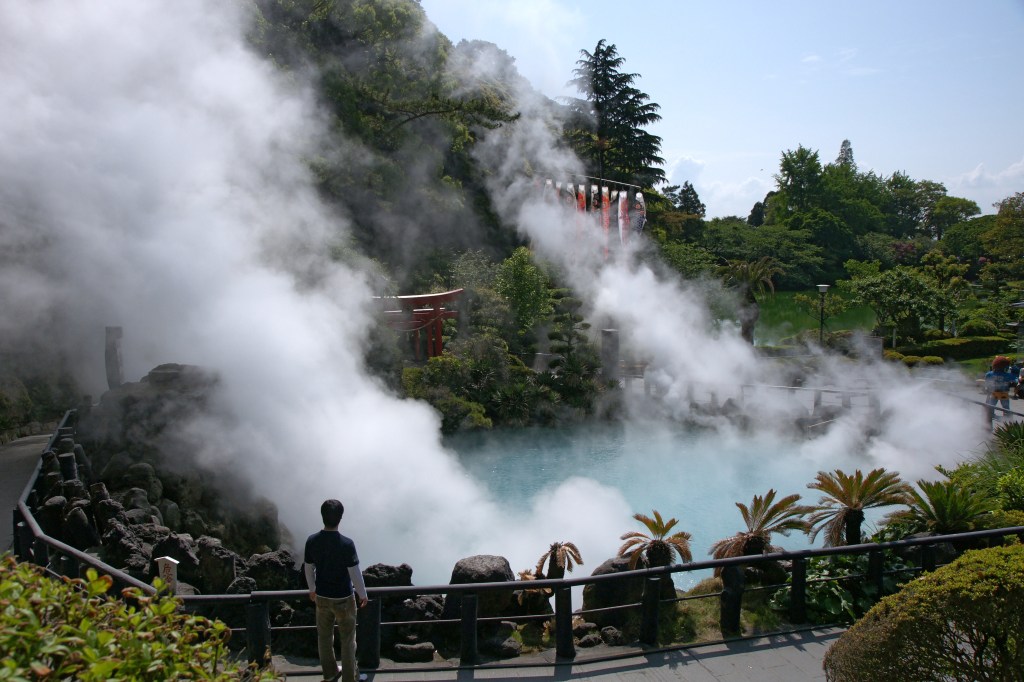
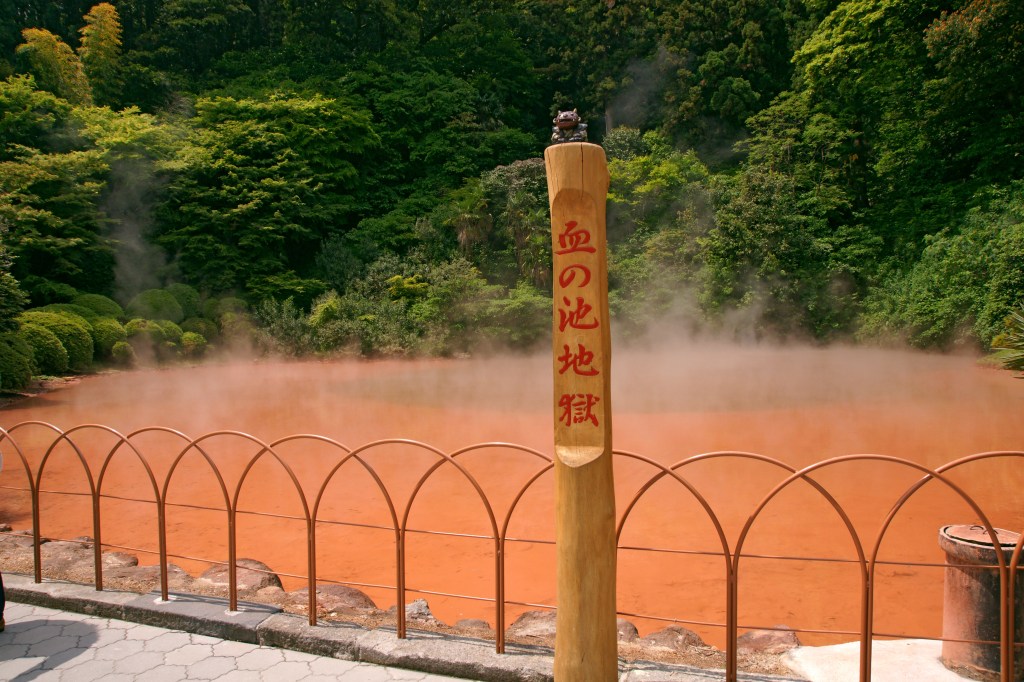
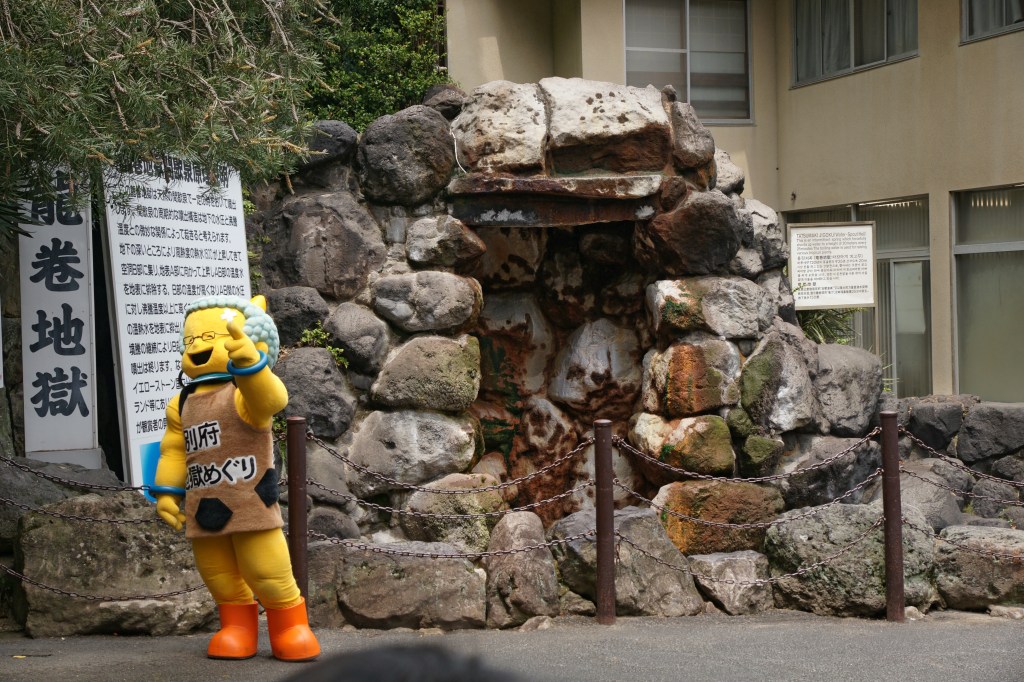
The seven hells
The association names Umi Jigoku, Chinoike Jigoku, Tatsumaki Jigoku, Shiraike Jigoku, Oniishi Bozu Jigoku, Oniyama Jigoku, and Kamado Jigoku. It says four of them, the sea, blood-pond, tornado, and white-pond hells, are nationally designated places of scenic beauty. A combined ticket is the usual way around. Hours and the ticket change. Reconfirm.
The seven are not in one place. Five sit in Kannawa within a few hundred metres of each other and can be walked. Chinoike and Tatsumaki are about 3 km away in the Kamegawa area, reached by bus or car rather than on foot. The combined ticket is valid for the day of purchase and the next, which is what makes splitting the two clusters over two days practical.
A bath that is actually a bath
The hells are not where you soak. Public baths and inn baths are a separate stop, with their own towels, tattoos, and day-visit rules. Pick one bath and read its page.
The city
Beppu Station is the arrival. Kannawa, where most of the hells sit, is a bus ride, not a walk from the platform. Leave time to come back.
Food and drink
- Steam cooking, the local jigoku-mushi, is the edible version of the vents. It is a meal in town, not a snack inside every hell.
- Eat before the last bus down from Kannawa. The hill shuts earlier than the station.
Getting there and around
- The ride to book is a JR train to Beppu, or a bus from Oita Airport. Reconfirm the airport bus. From the station, the hell bus is a second ticket.
- From the west exit of Beppu Station, buses for Kannawa take about 20 minutes to Umi Jigoku-mae, at the first of the five. Between the two areas, the number 16 bus connects Kannawa with Chinoike Jigoku-mae. From Kamegawa Station the Chinoike is about 7 minutes by bus.
- The seven sites are a loop, not one gate. Follow the association’s order and the last admission.
- A regular sightseeing bus also covers all seven in about three hours, but it needs booking in advance and moves as a group.
- Yufuin is a different station on a different line. It is a next morning, not a detour between two hells.
Where to stay
- Sleep in Beppu if you want a morning bath and the hells after breakfast. Kannawa is the convenient bed for the circuit. The station is the convenient bed for the train.
- An inn in Yufuin or Kurokawa is a different reservation. Do not book one and expect the Beppu ponds outside the door.
Best time to visit
- Cool months make the steam obvious. Summer is hot even before you stand over a boiling pond.
- The association describes the circuit as open through the year, with its own hours. Reconfirm the day, including any vent that is resting.
Practical tips
- Look, do not touch. The ponds are scenic and dangerous. Use the foot bath only where it is signed.
- The quiet town over the hills is the Yufuin travel guide. The mountain-inn valley is the Kurokawa Onsen travel guide.
Suggested day-trip outline
- Train to Beppu and the bus to Kannawa.
- The hell circuit, then one real bath.
- Dinner in town, or the train. Save Yufuin for another day.
Before you go
Timetables, fares, admission fees, and seasonal access rules can change. Check the official tourism and transport sites linked below for the latest information before you travel.
Sources
- Beppu Hell Association (checked 2026-10-21)
- Beppu Hell Association, ticket and hours (checked 2026-10-22)
- Beppu Hell Association, access (checked 2026-10-22)
- Kamenoi Bus, hell circuit tour (checked 2026-10-22)
- Oita Tourism (checked 2026-10-21)


Leave a Reply