Planning a visit to Kochi Castle? This English guide explains the original keep and honmaru palace, the 1753 rebuild, and what to reconfirm before you go.
Operational details such as opening hours, admission fees, and train times can change. Prefer official pages and reconfirm before you travel (sources checked on 22 October 2026).
Why visit
- Kochi Castle is the rare case where the keep and the honmaru palace are both still the Edo-period buildings. The castle’s site says it is the only place where that full set of honmaru structures survives.
- Yamauchi Katsutoyo, given Tosa after Sekigahara, started the castle in 1601 and finished it in 1611. A town fire in 1727 destroyed almost everything except the Otemon gate. The buildings you enter were rebuilt by 1753 in the earlier form, and those rebuilt originals are what remain. This is not a twentieth-century concrete keep.
- The keep and palace are Important Cultural Properties. From the top you look over the city. The castle also keeps a flower calendar, including cherry trees in the park.
Top places and highlights
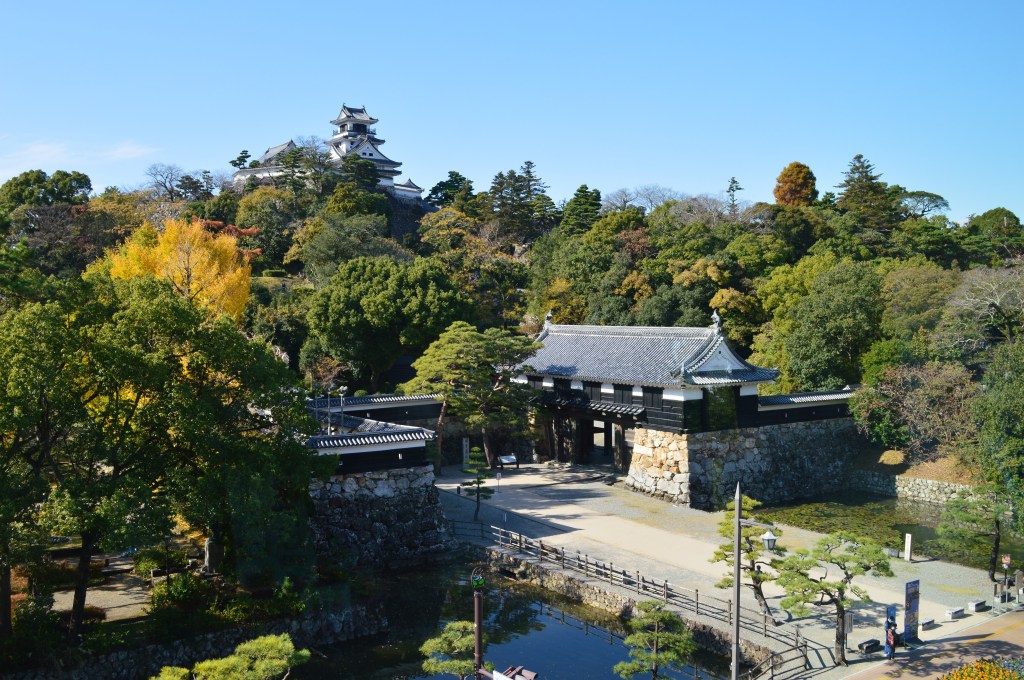
The keep
The timber tenshu is a climb with low doors and steep stairs. The structure page on the castle site is the map of what you are walking through. Confirm the day’s last entry.
The honmaru palace
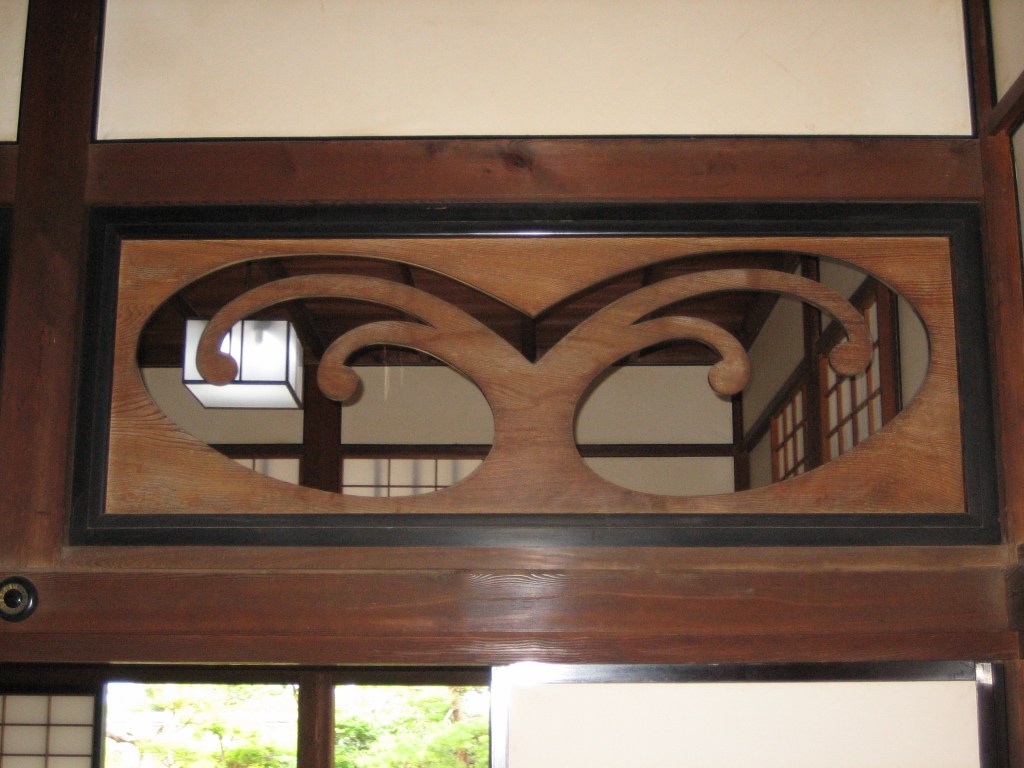
The palace rooms are the part most castles lost. They show how the lord’s household sat inside the same walls as the tower. They can close separately from the keep. Check both.
Otemon and the park
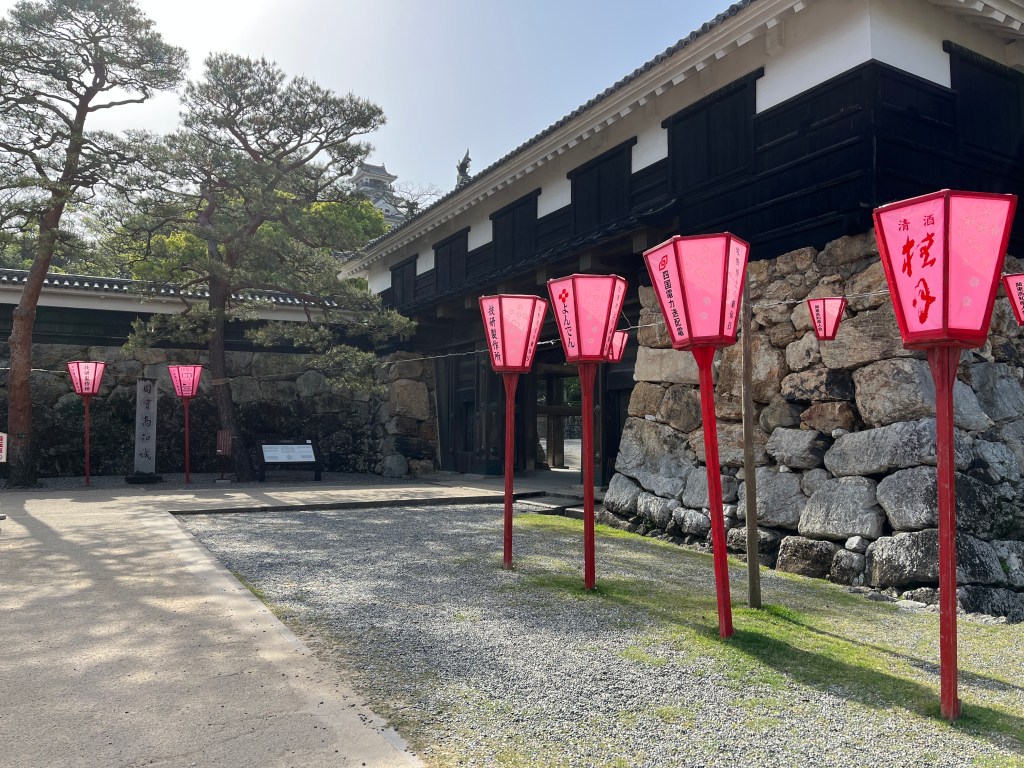
The gate that survived the 1727 fire is the outer landmark. The park slopes are the free walk if you are early or the tower is full.
Food and drink
- Restaurants are in the grid south of the hill, toward the tram and the market streets. Eat in town.
- There is no meal in the palace rooms.
Getting there and around
- JR Kochi Station is a walk or a tram ride from the hill. Confirm the stop, because the castle is not on the station plaza.
- The tram is the easy version: from Kochi Station to Kochi-jo-mae, changing at Harimaya-bashi, about 10 minutes in all, then a short climb to the gate. Walking the whole way from the station takes about 25 minutes, and buses also stop at Kochi-jo-mae.
- Kochi is a long ride from Takamatsu or Matsuyama. Treat it as its own night, not a side trip between those cities.
- Hours, closing days, and admission are on the castle site and change in festival weeks. Reconfirm.
- The keep and palace shut from 26 December to 1 January, and stay open later during Golden Week and the Yosakoi period. Both are in the same ticketed area, so one entry covers the tower and the palace rooms.
Where to stay
- The castle is a half day. The city market and the river are the rest of the day if you stay the night.
- A day trip from another Shikoku city is usually too far.
Best time to visit
- Cherry blossom in the park is the crowded week. The castle lists seasonal flowers as part of the visit.
- Autumn festivals use the grounds. If a festival is posted, expect the paths to be busier and some corners roped off.
Practical tips
- The palace and the keep are one visit only if both are open. Check the board.
- The hill is a real climb in the heat. Bring water.
- A Shikoku stop with a mountain shrine rather than a palace is the Kotohira travel guide.
Suggested day-trip outline
- Reach Kochi and walk or tram to the hill.
- Palace and keep, in whichever order the signs allow.
- Town lunch and a confirmed train out, or a night in the city.
Where to go next
Guides to nearby places on this route, each checked against official sources.
Before you go
Timetables, fares, admission fees, and seasonal access rules can change. Check the official tourism and transport sites linked below for the latest information before you travel.
Sources
- Kochi Castle (checked 2026-10-21)
- Kochi Castle (checked 2026-10-22)
- Kochi Prefecture tourism, castle access (checked 2026-10-22)
- Japan National Tourism Organization (JNTO) (checked 2026-10-21)


Leave a Reply