Planning Ozu in Ehime? This English guide explains the 2004 wooden keep, the river town, and the ride from Matsuyama.
Operational details such as opening hours, admission fees, and train times can change. Prefer official pages and reconfirm before you travel (sources checked on 25 October 2026).
Why visit
- Ozu is a castle town on the Hiji River in Ehime. The castle site says the keep you see was rebuilt in wood in 2004, after the original tower was lost in the Meiji era.
- Call it a reconstructed keep. Some turrets on the hill are older survivors. The town lanes and the river are the other half of the visit.
- The keep is four storeys and 19.15 metres. The castle calls it the first four-storey wooden keep rebuilt in Japan after the war, and the tallest of them.
- It is not Uwajima and it is not Matsuyama. Those are original keeps in other cities.
- Those original keeps are separate visits: the Uwajima Castle travel guide and the Matsuyama Castle travel guide.
Top places and highlights
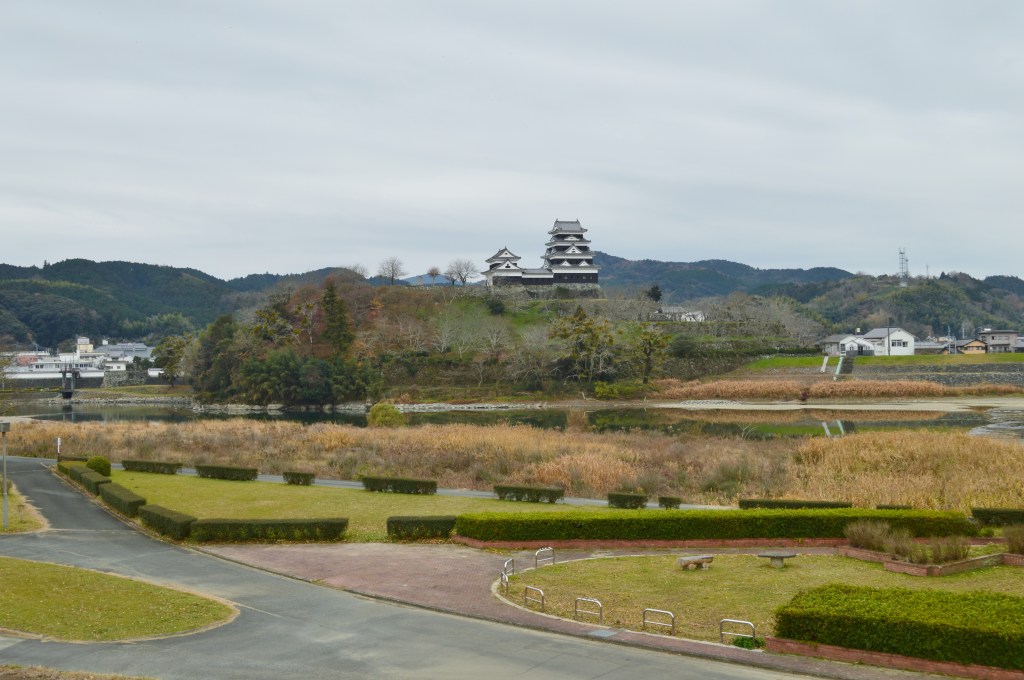
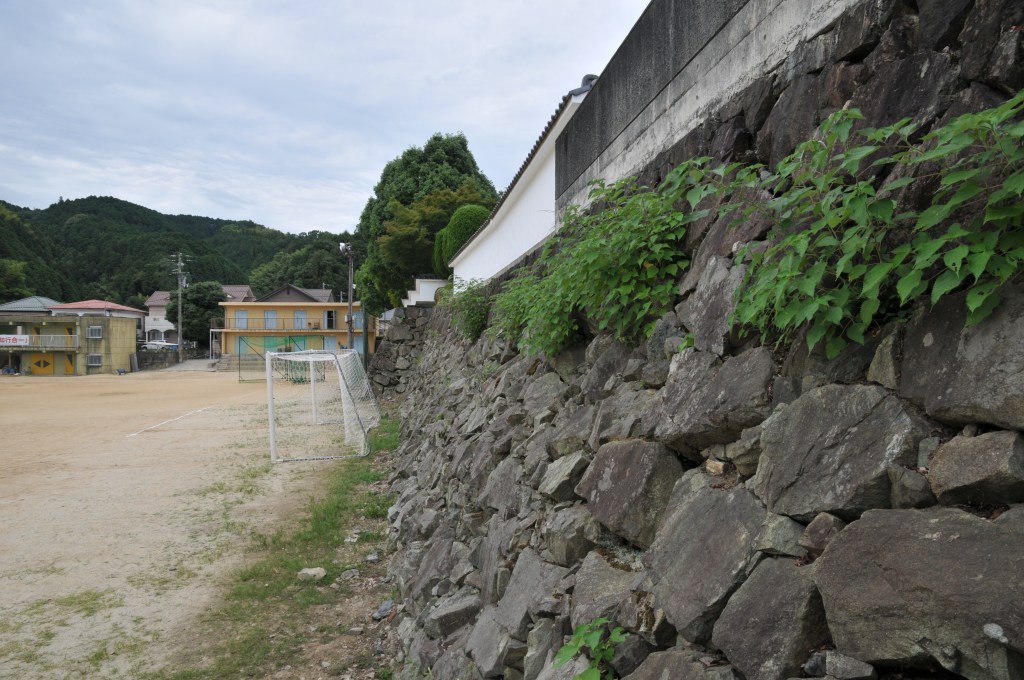
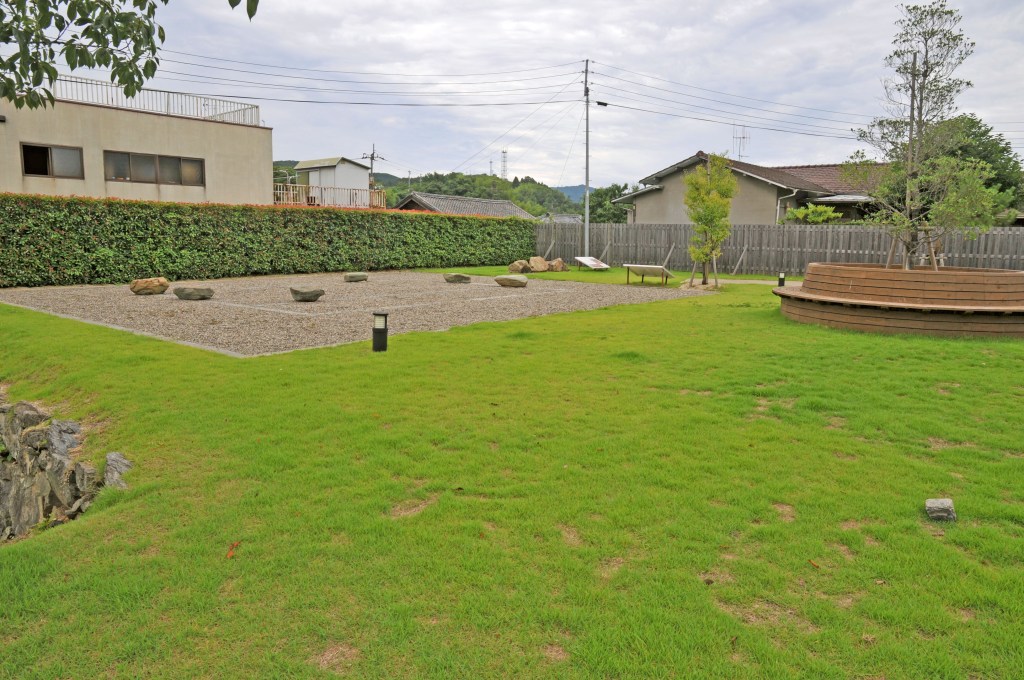
The rebuilt keep
The official site describes a wooden reconstruction meant to follow the old form. The interior is a modern visit inside a new tower. Do not describe it as one of the twelve original keeps.
What makes this one unusual is the evidence. The rebuild rests on an Edo-period plan, a wooden scale model of the tower made in the Edo period, and photographs taken before the original was dismantled in 1888, a combination few castles still have. The project began in 1994 with a committee, ran on donations and pledged timber, and finished in 2004 with joinery by carpenters from Inami in Toyama working alongside local ones.
Inside, the structure is left visible: exposed beams, a full-height opening through the middle of the tower, and the smell of hinoki. The top floor is a 360-degree gallery over the town and the river, and the loopholes in the walls still open and close. Look for the small carved mouse on a beam on the fourth floor, put there by a carpenter for luck.
Hours are 9:00 to 17:00 with last entry at 16:30, and the castle is open every day. Admission is 550 yen for adults and 220 for children of junior high age and under; a combined ticket with Garyu Sanso is 880 yen, and one that adds Bankisen-so is 1,100. The office is at 903 Ozu, Ozu City, Ehime, and the number is 0893-24-1146.
The older turrets
The site points to turrets that remained from the Edo castle. They are easy to miss if you only photograph the white keep.
Four turrets survived the 1888 demolition and all four are designated national Important Cultural Properties. The kitchen turret and the high-railing turret stand either side of the keep on the main enclosure, which is why the silhouette reads as three connected buildings from the north-west. That angle is the one locals call the best view of the castle.
There is a second, quieter draw: the castle runs overnight stays in the restored turrets, under the name Ozu Castle Stay. It is arranged and priced through the castle’s own site rather than a booking platform, and it is the reason the castle sometimes closes a building early. Check before you plan a late-afternoon visit.
The town
The river and the merchant streets are why the castle sits here. Walk them after the tower. Shops keep their own hours.
The Ozu City page for Garyu Sanso places the villa at 411-2 Ozu, Ozu City, beside the river.
Garyu Sanso is the other half of the visit and the reason to give Ozu a full day rather than an afternoon. It is a villa of about 10,000 square metres above a bend of the Hijikawa called Garyu-buchi, the reclining dragon pool, named by the third Ozu lord Kato Yasutsune for the hill that looked to him like a dragon at rest. The buildings you walk through are Meiji: a trading merchant, Kawachi Torajiro, spent more than ten years assembling them.
Three structures are the core, the Garyu-in tea house, the Furo-an pavilion on the water and the Chishi-an, and the garden borrows the opposite bank rather than walling it out. Three of the buildings were designated national Important Cultural Properties in 2016, and the garden and its surroundings a national place of scenic beauty in 2021. Hours are 9:00 to 17:00 with last entry at 16:30, no closing days, and admission is the same 550 yen as the castle, which is why the combined ticket makes sense.
The red brick hall and the river
Ozu made its money on wax, silk and river freight, and the Ozu Red Brick Hall is what that money left behind. It was built in 1901 as the head office of the Ozu Commercial Bank, in English-bond brick with Japanese roof tiles and a merchant’s mark on the ridge-end tile: a bank that wanted to look European without giving up the roofer it already knew. It is free, open 9:00 to 17:00, closed only from 29 to 31 December, and now holds a craft shop on the ground floor and a rest gallery above.
The river itself is a sight in summer. The Ozu Castle Town Boat Tour runs only in the warm months, about 40 minutes from the Hiji-nan riverbank by the castle, past the castle walls and below Garyu Sanso, with six departures a day between 9:40 and 16:00. Fares are 1,200 yen for adults and 500 for children from 4, and the boat takes 10 people, so tickets sell out on holidays. Tickets are same-day only, sold at Ozu Machi-no-Eki Asamoya and at the red brick hall, and you can ask the boatman to drop you at the castle or at Garyu Sanso rather than riding back.
Outside that season, the tourist association runs a chartered roofed boat, the Hijikawa Yuran, by reservation the day before, for groups of up to 10 or 18 depending on the boat.
Food and drink
- Eat in Ozu. The keep is not a dining room.
- River-town restaurants can be closed on a Monday. Reconfirm.
- Tonkuri-mabushi is the dish the city promotes: chestnut and pork belly over rice, eaten first as it comes and then with dashi poured over, like hitsumabushi. Ozu grows more chestnuts than anywhere else in Shikoku, which is the point of the combination.
- Amago no satsuma is the other one, river trout grilled and served over rice with a soup made from the town’s barley miso. It is a country dish from the Kawabe district, and only a handful of places serve it.
The Ozu City page on local dishes places Ozu Robata Aburaya at 42 Ozu, Ozu City, and lists it for the local bowl the page calls tonkuri-mabushi. Hours and closures are on that page. This guide does not copy them.
Getting there and around
- The ride to book is the JR train from Matsuyama toward Uwajima, getting off for Ozu. Reconfirm whether your train stops there.
- From Osaka the day is too long to add Uwajima. Pick one Ehime castle town.
- The castle is a walk from the station area. Follow the river rather than a shortcut up a closed stair.
The castle access page describes a walk of about 30 minutes from JR Iyo-Ozu Station, and an older road of about 2 km through Tokiwa-cho shopping street to Hijikawa Bridge.
The choices are simple. A taxi takes about 10 minutes. The Gururin Ozu loop bus runs from Ozu Station to Ozu Castle-mae in about 10 minutes and then a five-minute walk, and the ordinary route buses stop at Ozu Honmachi, five minutes’ ride and ten minutes on foot. A rental cycle from the tourist office at the station takes about 15 minutes, and walking is 30.
Take the old kaido on the way in rather than the shortest line: five minutes from the station you reach the Tokiwa-cho arcade, walk south through it, and cross Hijikawa Bridge with the castle on your right. The alternative follows the railway embankment to the river park, where you see the castle across the water instead of above the shops.
By car, the nearest lots are the Ozu Civic Hall car park, which charges 160 yen for the first hour, and the free Ozu Tourism Lot 1 with 45 spaces and four coach bays. The castle is about 10 minutes from the Ozu-Hinan interchange.
Where to stay
- Sleep in Ozu if you want the town after dark. Matsuyama has more hotels and a different castle.
- Dogo Onsen is a bath in Matsuyama, not a soak at the foot of this keep.
Best time to visit
- Cherry blossom along the river is the crowded week. Summer is hot in the valley.
- Illuminations and night openings are seasonal. Read the castle news rather than assuming a night visit.
- Autumn is the second window: the castle issues a maple-themed commemorative stamp, and the hills above Garyu Sanso are the reason.
Practical tips
- Say wooden reconstruction of 2004. The town is the rest of the article.
- Buy the combined ticket if you are seeing Garyu Sanso as well: 880 yen for both beats 550 twice.
- The castle grounds are a park, so the walk up is free. Only the keep interior is ticketed, and the turrets are seen from outside.
- Japanese castle stamps are available here as one of the 100 Fine Castles, and the castle sells its own commemorative stamp sheets, including a maple version each autumn.
- A historic bath in the prefectural capital is the Dogo Onsen travel guide.
Suggested day-trip outline
- Walk in through the Tokiwa-cho arcade and cross Hijikawa Bridge, so the castle appears over the river.
- Climb to the keep first, while the light on the tower is still frontal. Take the interior slowly: the view is a third of the visit.
- Walk the main enclosure to the kitchen and high-railing turrets, then leave by the far gate.
- Spend the afternoon at Garyu Sanso, on the river above the town.
- Come back through the red brick hall and eat tonkuri-mabushi before the kitchens close. In summer, book the last boat instead of walking.
Before you go
Timetables, fares, admission fees, and seasonal access rules can change. Check the official tourism and transport sites linked below for the latest information before you travel.
This guide is part of Japan’s Twelve Original Castles, which collects every surviving Edo-period keep, plus the rebuilt ones.
Sources
- Ozu Castle (checked 2026-10-21)
- Ozu Castle office (checked 2026-10-22)
- Ozu Castle access (checked 2026-10-22)
- Garyu Sanso (checked 2026-10-22)
- Ozu City local dishes (checked 2026-10-22)
- Ozu Castle: the tower restoration project (checked 2026-10-25)
- Ehime Tourism: Ozu Castle and the surviving turrets (checked 2026-10-25)
- Ehime Tourism: Ozu Castle Town Boat Tour (checked 2026-10-25)
- Ozu City: Ozu Red Brick Hall (checked 2026-10-25)


Leave a Reply