The Shikoku pilgrimage (henro): the 88 temple route through four prefectures, what the walk involves, how to start, gear, etiquette, and shorter ways to do it.
Operational details such as opening hours, admission fees, and train times can change. Prefer official pages and reconfirm before you travel (sources checked on 31 October 2026).
Why visit
- The Shikoku pilgrimage links 88 temples across Tokushima, Kochi, Ehime and Kagawa in a circuit of roughly 1,200 km.
- It is open to anyone: no membership or reservation is needed, and pilgrims travel on foot, by bus, by bicycle or by car.
- The route passes through rural Shikoku rather than only the famous sights, which is the point for many walkers.
- You can do it in sections, so a week on one prefecture is a valid way to start.
Top places and highlights
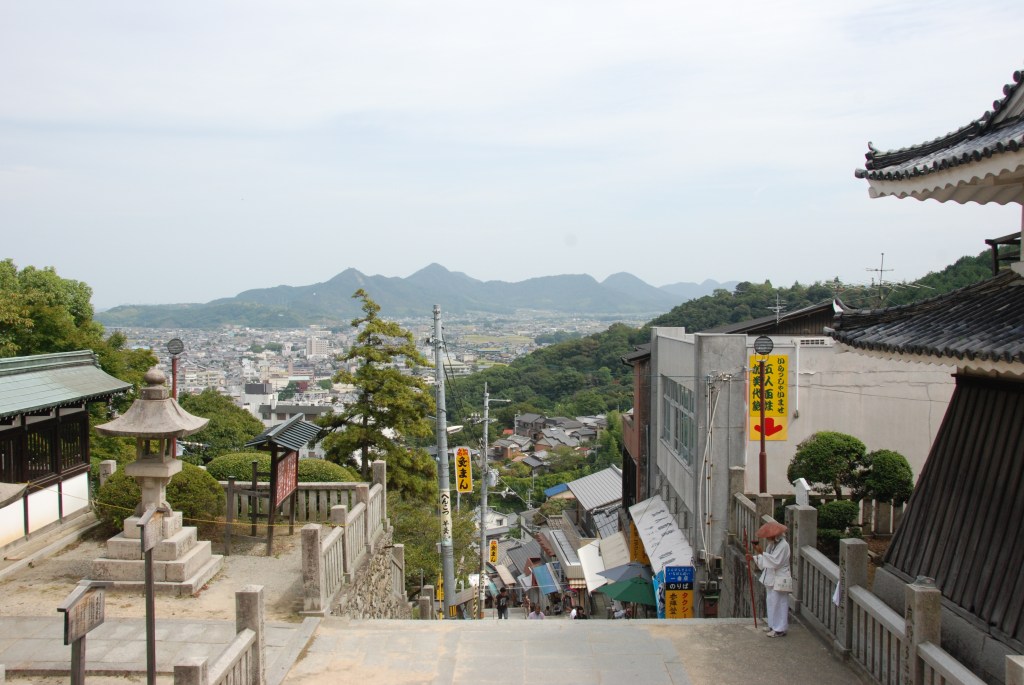
Ryozen-ji
Temple 1 in Naruto, Tokushima, where most pilgrims begin. It sets the pattern for the route: a main hall, a hall for the founder Kobo Daishi, and a stamp office.
The Tokushima section
The first prefecture mixes mountain temples with rice fields and small towns, and is often described as the toughest stretch on foot.
Kochi’s long coast
The route follows the southern coast past Cape Muroto and Katsurahama, with long days between temples.
Temple 88 and the return
Okubo-ji in Kagawa closes the circuit, and many pilgrims return to Ryozen-ji to finish the way they started.
Food and drink
- Shikoku’s own food carries the walk: Sanuki udon in Kagawa, katsuo tataki in Kochi, and citrus from Ehime.
- Temple lodges (shukubo) serve vegetarian meals; book ahead where available.
- Convenience stores are frequent on the plains and sparse on the mountain and coastal stages.
Getting there and around
- Temple 1 is near Naruto in Tokushima, reachable by bus from Tokushima station.
- Shikoku is connected to Honshu by rail through Okayama, and to Kansai by bus over the bridges.
- A car or a bicycle makes section walking easier by solving the return trip.
- Many walkers send luggage ahead between accommodation and carry only a day pack.
Where to stay
- Business hotels in the prefectural capitals are the cheapest reliable option.
- Temple lodges and minshuku are part of the experience, especially in rural sections.
- Book ahead in spring and autumn, when walking numbers peak.
Best time to visit
- Spring and autumn are the classic walking seasons, with mild temperatures.
- Summer in Kochi is hot and humid, and the coast is exposed; start at dawn.
- Winter is quiet and cool on the plains but can bring snow on the mountain temples.
Practical tips
- Carry the pilgrimage stamp book and get the seal at each temple’s stamp office.
- Follow temple etiquette: wash hands at the basin, and keep quiet where people are praying.
- White clothing and a walking staff are traditional but not required.
- Plan the mountain stages carefully; daily distances on foot are often longer than they look on the map.
Suggested day-trip outline
- Day one: start at Ryozen-ji and walk the first cluster of temples around Naruto.
- Days two to four: continue through Tokushima’s mountain temples, staying in small towns.
- Alternative: base in Tokushima or Takamatsu and visit temples by bus or car in day trips.
- Finish a first trip at a natural break such as Kochi city, then return to continue later.
Before you go
Timetables, fares, admission fees, and seasonal access rules can change. Check the official tourism and transport sites linked below for the latest information before you travel.
Explore More of Japan
Published guides that pair with this one:
- Kotohira Travel Guide: Konpira Shrine Stairs and Shikoku Pilgrim Town
- Naruto Travel Guide: Whirlpools under the Onaruto Bridge
- Takamatsu Travel Guide: Ritsurin Garden, Udon, and Seto Sea Gateways
- Shodoshima Travel Guide: Olive Groves, Coast Roads, and a Seto Inland Sea Ferry
- Iya Valley Travel Guide: Vine Bridges and Mountain Villages
Browse every Shikoku guide on this site for the rest of the region.
Sources
- Shikoku 88 Temple Pilgrimage Association (official) (checked 2026-10-31)
- Ehime Prefecture (official) (checked 2026-10-31)


Leave a Reply