Planning a trip to Kakunodate in Akita? This English guide covers the samurai district, merchant streets, cherry-blossom season, train access, and what to reconfirm before you go.
Operational details such as opening hours, admission fees, and train times can change. Prefer official pages and reconfirm before you travel (sources checked on 21 October 2026).
Why visit
- Kakunodate is a small castle town in inland Akita, known for preserved samurai houses and a merchant quarter.
- In spring the weeping cherry trees along the samurai streets draw the biggest crowds; outside that week the town is much quieter.
- It is a realistic stop on the Akita Shinkansen between northern Tohoku and the rest of Honshu.
Top places and highlights
Samurai district
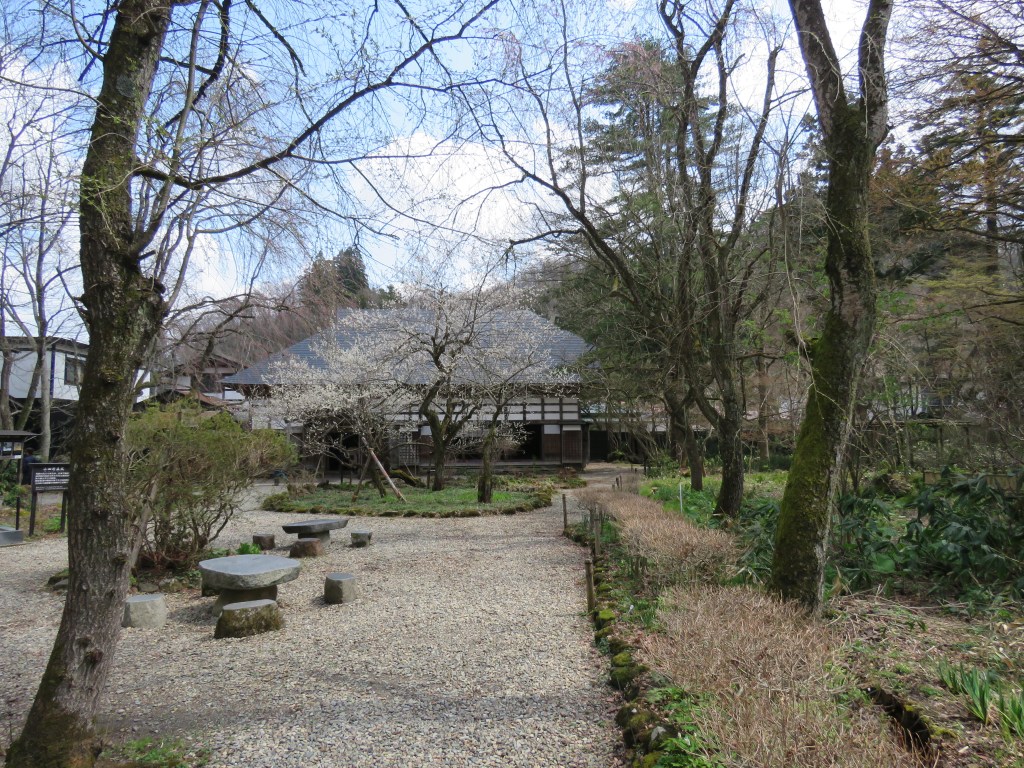
Black-board fences and former samurai residences line a short walk from the station. Some houses open as museums; hours and admission change, so confirm before you go in.
The Semboku City page on the samurai houses lists the Aoyagi house at 3 Omote-machi Shimocho and the Ishiguro house at 1 Omote-machi Shimocho, describing walks of about 20 and about 25 minutes from JR Kakunodate Station. The Iwahashi house is listed at 3-1 Higashi-Katsurakucho, about 15 minutes on foot. Opening periods are on that page. This guide does not copy them.
Weeping cherry trees
The blossoms are the reason many people time a visit. Peak days are crowded and short. Treat any published bloom forecast as provisional and reconfirm locally.
Merchant district
The commercial streets include historic shops and small museums. Individual opening days differ, especially on weekdays in the off season.
Food and drink
- Look for local Akita dishes and simple lunch spots near the station and the merchant street.
- Kitchens may close early. Carry a backup plan if you arrive after mid-afternoon.
Getting there and around
- Kakunodate Station is on the Akita Shinkansen. Travel time from Akita, Morioka, or Tokyo depends on the train—confirm JR East timetables.
- The samurai district is a walk from the station. Allow extra time if you are visiting several houses.
- Fares, seat reservations, and seasonal extra trains should be reconfirmed on official JR sources.
Where to stay
- A day visit is enough for the two historic districts.
- Staying overnight makes sense during cherry-blossom week, when daytime crowds and return trains are busiest.
Best time to visit
- Late April to early May is the famous blossom window, and the exact days shift each year.
- Summer and autumn are easier for unhurried house visits. Winter is cold, with snow possible on the streets.
Practical tips
- Check which residences are open that weekday before you leave the station.
- In blossom season, go early and keep the visit focused on the samurai street.
- For a different Tohoku stay, the Ginzan Onsen guide covers a small hot-spring town in Yamagata.
- Another Tohoku castle town with a cherry season is the Hirosaki travel guide.
- The mountain inns above Lake Tazawa, on the same Akita side as this town, are in the Nyuto Onsen travel guide .
Suggested day-trip outline
- Arrive at Kakunodate Station and walk to the samurai district.
- Visit the open houses, then the merchant street.
- Return by Shinkansen or continue along the Akita line.
Before you go
Timetables, fares, admission fees, and seasonal access rules can change. Check the official tourism and transport sites linked below for the latest information before you travel.
Sources
- Semboku City (checked 2026-10-21)
- JNTO Kakunodate (checked 2026-10-21)
- Akita Prefecture (checked 2026-10-21)
- Semboku City: samurai houses (checked 2026-10-22)


Leave a Reply