Planning Nyuto Onsen in Akita? This English guide covers the mountain inns, the milky water, and what to reconfirm before you soak.
Operational details such as opening hours, admission fees, and train times can change. Prefer official pages and reconfirm before you travel (sources checked on 22 October 2026).
Why visit
- Nyuto Onsen is a group of mountain inns above Lake Tazawa, in Semboku, Akita. The local tourism association presents it as a quiet hot-spring valley, and it highlights the milky water.
- It is not one public bathhouse with a single gate. Each inn sets its own rules for day visitors. Some baths are for staying guests. Reconfirm the inn, not the area in general.
- The landscape is the other half: forest, snow in winter, and the lake down the road. Kakunodate, with its samurai houses, is the same tourism area and a different kind of day.
Top places and highlights
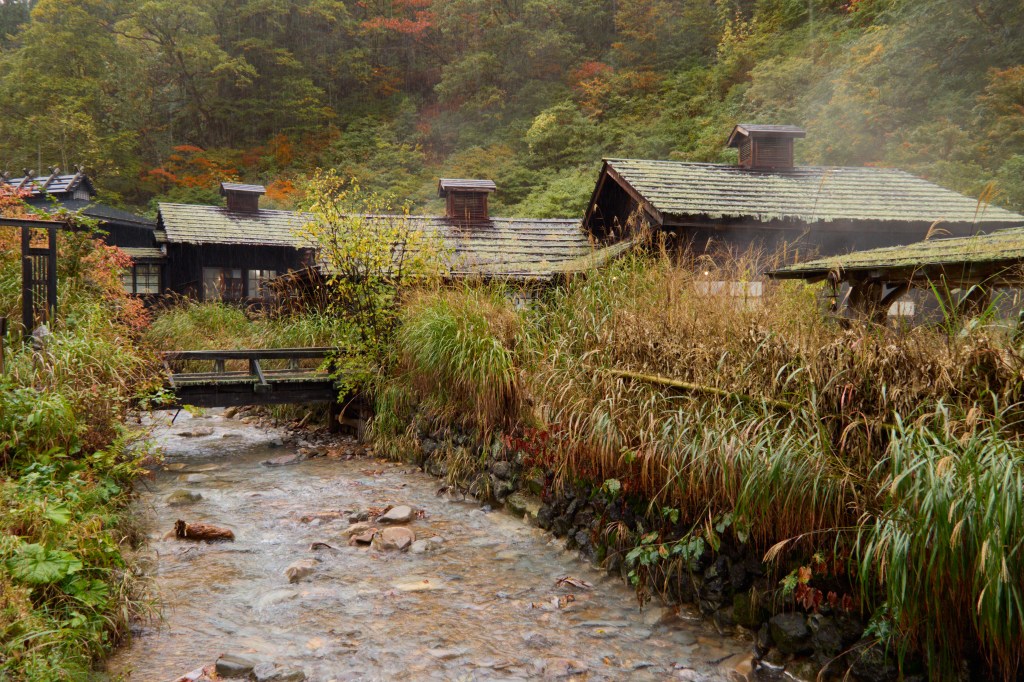
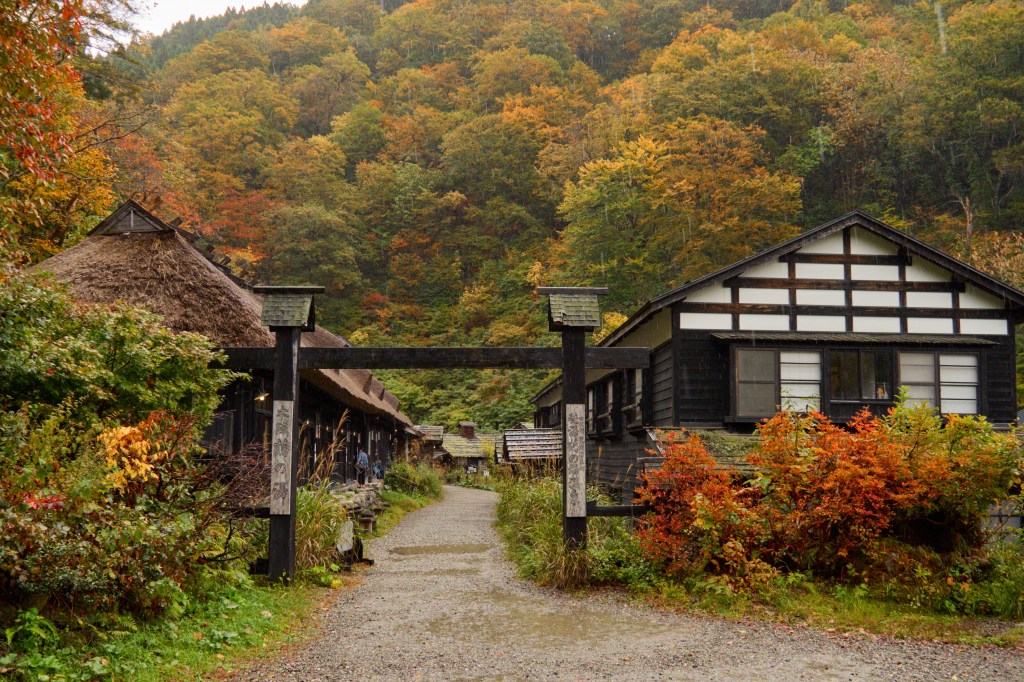
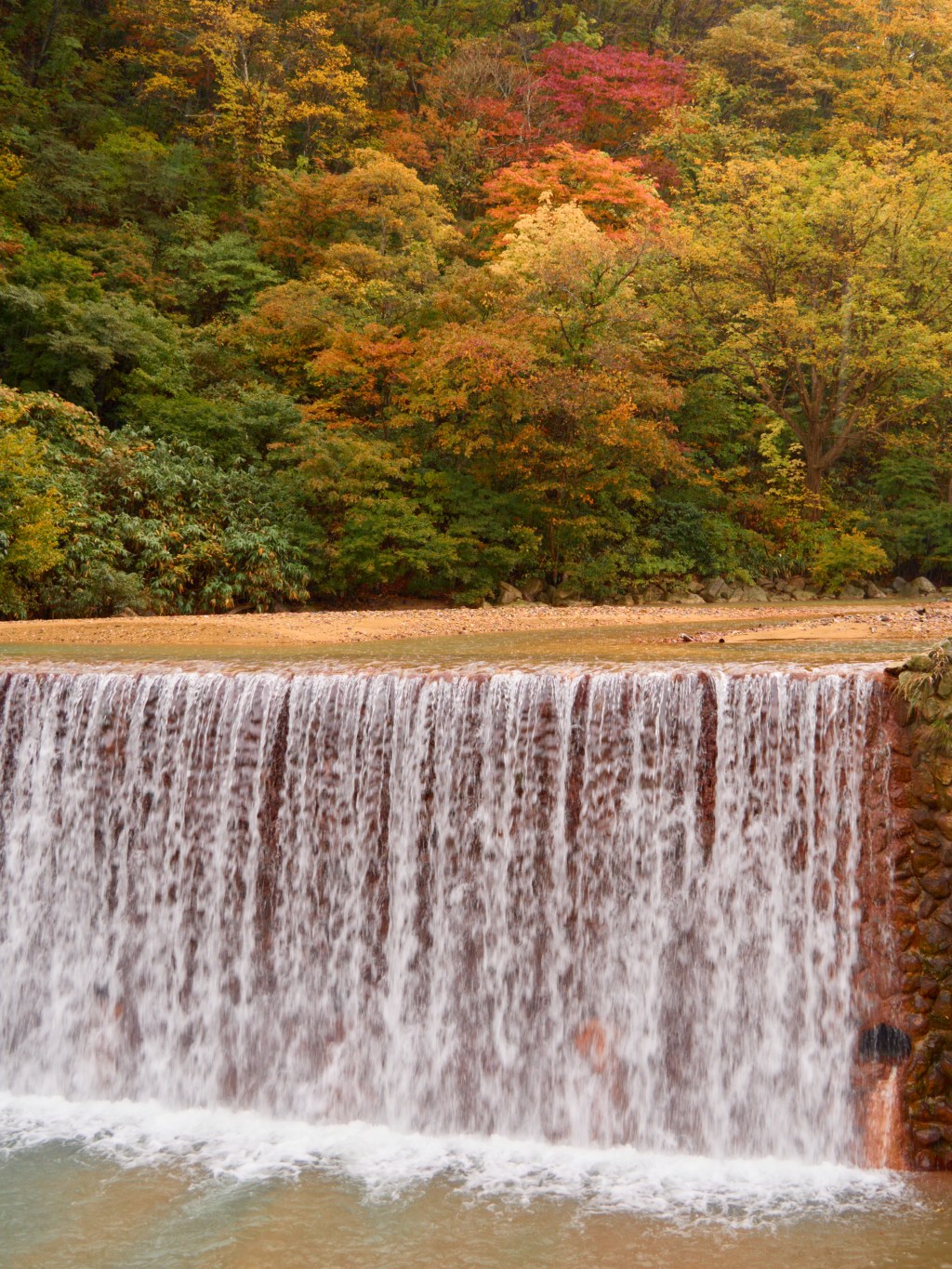
The inns
Several inns share the valley. Names and day-bath policies change, so use the association’s current lodging pages rather than an old list. A milky outdoor bath is the usual reason people come.
Day bathing is a midday arrangement at most of them, and the desk stops admitting people well before the inn’s own evening. Cleaning days matter: Tsuru-no-yu washes its open-air bath on Mondays, leaving only the indoor bath, and moves that to the next weekday when Monday is a holiday. Taenoyu closes day bathing on its cleaning day too. Semboku City publishes a season-by-season list of which inns accept day visitors, which is the page to read before you choose a valley stop.
Why the water differs from inn to inn
The valley is usually described as one hot-spring area, which hides the thing that actually matters when you are choosing where to sleep. Nyuto is seven springs, and each inn taps its own source rather than drawing from a shared supply. The water is not the same from one building to the next, so what one guide calls milky white is a description of that spring and not of the valley.
That reshapes the planning. A day visit to one inn is not a sample of Nyuto, and switching inns mid-trip means switching water rather than just switching a room. It also explains the variations in colour, sediment and heat that visitors compare. Several of the lodgings keep thatched roofs and a deliberately old-fashioned look, which is part of the appeal and also why facilities are not standardised.
If the water is your reason for coming, decide which spring you want first and pick the inn second. Reading the day-bathing list alone will tell you who accepts visitors, not what the bath is like.
Lake Tazawa
The lake is the landmark below the valley. A stop at the lakeshore is easy to add if you have a car or a bus that actually stops. It is not inside the inns.
Two facts about the lake are worth carrying up the valley with you. It is very nearly circular, with a circumference of about 20 kilometres, and it is the deepest lake in Japan at 423.4 metres. That depth is why the water reads as a deep blue rather than the green of a shallow lake, and it is the basis of the local legend of Princess Tatsuko, which the tourism association still uses to introduce the lake.
Practically, the lake is a separate stop rather than something you see from the baths. A car makes the shoreline easy; without one, you are choosing between the lake and the valley rather than doing both, because the bus that climbs to Nyuto does not tour the lake on the way.
Kakunodate on another day
The same association covers Kakunodate’s samurai street. Do not try to soak and walk the street properly in one rushed afternoon unless the buses line up.
Food and drink
- Meals are part of staying at an inn. Day visitors should not assume a restaurant is open at every bathhouse.
- Kakunodate and the lake area have more choice if you are not on a lodging plan. Mountain shops close early.
Getting there and around
- Nyuto is a bus or car ride from Tazawako Station, not a walk from the platform. The association posts seasonal transport, including extra buses for foliage. Reconfirm the last bus down before you go up.
- Ugo Kotsu runs the Nyuto line from the bus area in front of Tazawako Station to the end of the valley, about 45 minutes, roughly once an hour. The stop for Tsuru-no-yu is not at the inn: it leaves you on the road with about 50 minutes of walking, so call the inn before boarding and ask about the shuttle from the Arupa Komakusa stop instead.
- Winter roads and a thinner bus timetable are the real limit. If you are driving, check the day’s mountain-road notices.
- Day bathing, towels, and tattoos are inn rules. Read the inn page. A closed day bath is not a failure of the valley.
Where to stay
- Stay one night if the point is the baths. Dinner and a morning soak are the visit.
- Kakunodate or the lake shore is the base if you want trains and a town. You then treat Nyuto as a booked outing.
Best time to visit
- Fresh snow and a hot bath are the winter picture, with fewer buses and real cold between the buildings.
- Summer is green and easier for a day trip. Autumn color brings more visitors and the seasonal buses the association advertises.
Practical tips
- Book the inn, then check whether day visitors are allowed that week. The two answers are different.
- Bring cash and a towel plan. Small mountain inns do not all work like a city bathhouse.
- The castle town in the same area is the Kakunodate travel guide.
Suggested day-trip outline
- Train to Tazawako, then the bus or car you already checked.
- One booked inn, not a tour of every bath.
- Down to the lake or back to Kakunodate before the last ride.
Where to go next
Guides to nearby places on this route, each checked against official sources.
Before you go
Timetables, fares, admission fees, and seasonal access rules can change. Check the official tourism and transport sites linked below for the latest information before you travel.
Sources
- Lake Tazawa and Kakunodate Tourism Association (checked 2026-10-21)
- Lake Tazawa and Kakunodate Tourism Association (checked 2026-10-22)
- Ugo Kotsu, Nyuto line timetable (checked 2026-10-22)
- Tsuru-no-yu, access and shuttle (checked 2026-10-22)
- Semboku City, Nyuto day-bathing list (checked 2026-10-22)
- Semboku City (checked 2026-10-21)
- Lake Tazawa and Kakunodate Tourism Association, Nyuto and Lake Tazawa overview (checked 2026-10-23)


Leave a Reply