Koyasan Travel Guide: Temples, Cedars, and a Night on the Mountain
Planning Mount Koya in Wakayama? This English guide covers the three temple areas, the cable car, and a temple lodging.
Operational details such as opening hours, admission fees, and train times can change. Prefer official pages and reconfirm before you travel (sources checked on 21 October 2026).
Why visit
- Koyasan is the Shingon Buddhist mountain founded by Kukai in the early Heian period, in Wakayama. The town tourism site divides the visit into three areas: Danjo Garan, Kongobuji, and Okunoin.
- UNESCO lists it inside the Sacred Sites and Pilgrimage Routes in the Kii Mountain Range, together with other mountains. The train ride is only to Koyasan. It does not include Kumano.
- The Garan halls have burned and been rebuilt many times. The tourism site says the great pagoda you see was rebuilt in 1937, and the main hall in 1932. Okunoin is a cemetery path under old cedars, not a castle.
Top places and highlights
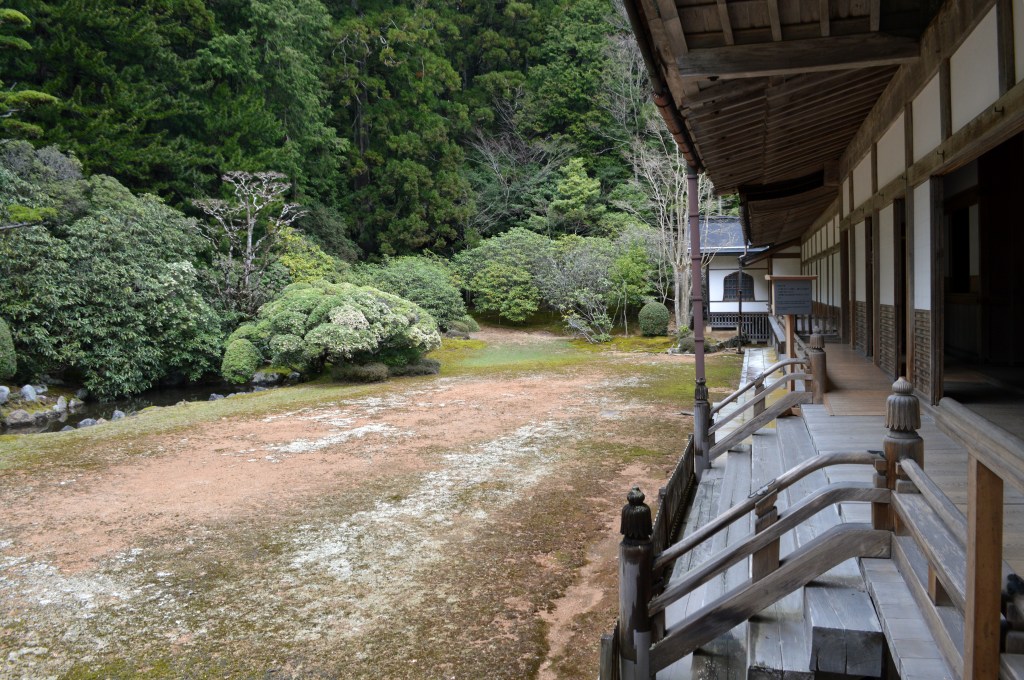
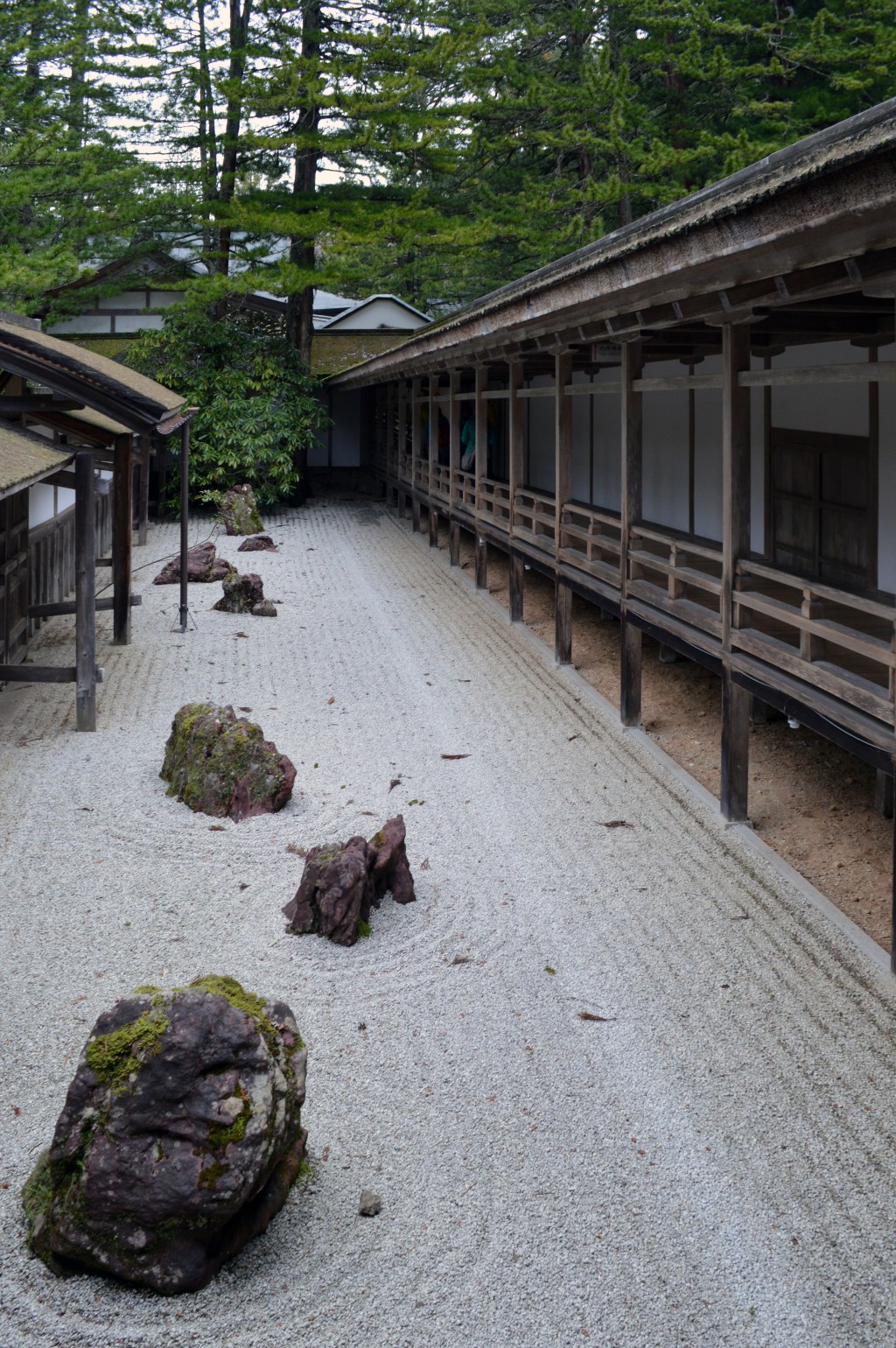
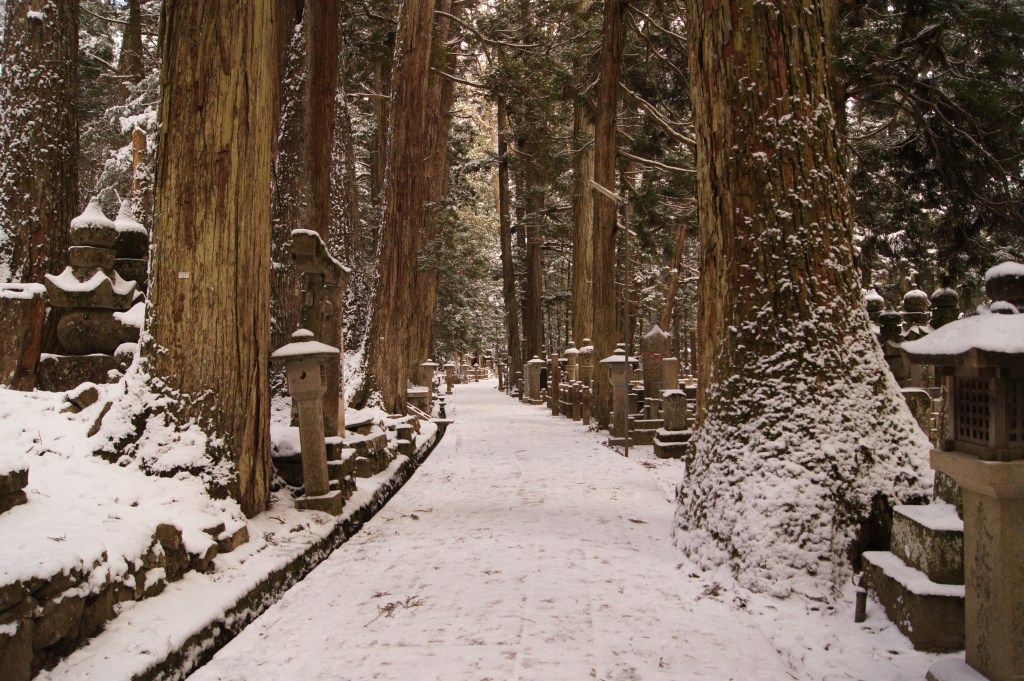
Danjo Garan
This is the monastic complex Kukai laid out. The central gate was rebuilt in 2015 after standing as a platform for a long time. Halls close for rites. Reconfirm.
Kongobuji
The head temple’s present main building dates from 1863, after earlier fires. It is the administrative temple, with rooms and a rock garden. It is a separate ticket from the Garan.
Okunoin
The path leads to the mausoleum associated with Kukai. It is a place of graves and cedars. Walk quietly, and do not treat it as a night photograph set. The tourism site asks visitors to imagine the route before they arrive.
Food and drink
- Temple lodgings serve the meals that come with the room, often vegetarian. A day visitor should eat in town before the last cable car.
- Do not expect a restaurant inside Okunoin. Carry water.
Getting there and around
- The ride to book is the Nankai line from Osaka Namba to Gokurakubashi, then the cable car up to Koyasan. From Tokyo, the shinkansen to Shin-Osaka comes first. Reconfirm the last cable car down. Miss it and you are staying the night.
- That climb is the Koyasan cable car, Nankai’s line from Gokurakubashi to Koyasan Station. The Nankai Koyasan Station page is the operator’s page for the stop. Use Nankai’s own timetable for the latest cars, including the last one down. This guide does not print those times.
- Buses on the mountain connect the station, the Garan, and Okunoin. They are not frequent in the evening. Check the day’s sheet.
- A car is a different road with its own parking limits. The cable car is the simple plan.
Where to stay
- A temple lodging is the point of a night here. Each temple sets its own bathing and meal rules. Read that temple’s page, not a generic monastery description.
- For a shukubo, a Koyasan temple lodging, start with the Koyasan Shukubo Association. On 22 October 2026 that page listed instant booking for Hojo-in, Kodai-in, Fugen-in, Daien-in, Fudo-in, and Eko-in, and said more temples may be added. Other temples use the booking-request form on the same site. Vacant rooms and prices appear there only after you choose a date. Meals, baths, and the other stay conditions still have to be confirmed for the temple you are offered.
- A day trip from Osaka works if the first train and the last cable car are both already checked. Kyoto the same day is too much.
Best time to visit
- Snow closes the mood of the mountain into a quieter visit, and it can delay the cable car. Summer is green and humid under the cedars.
- Autumn color and the Obon-season lamps at Okunoin are crowded. Book the lodging before the train.
Practical tips
- Three areas, one mountain. Do not add Kumano on the same afternoon.
- Another sacred city, on the plain, is the Nara Park and Naramachi travel guide.
- Kyoto on another day, not the same day as the mountain, is the Kyoto Higashiyama travel guide.
- A smaller temple day in the northern hills, also not the same day, is the Kurama and Kibune day trip.
Suggested day-trip outline
- Nankai and the cable car.
- Garan and Kongobuji, then the Okunoin path while the light holds.
- A temple night, or the last cable car you already checked.
Before you go
Timetables, fares, admission fees, and seasonal access rules can change. Check the official tourism and transport sites linked below for the latest information before you travel.
Sources
- Koya town tourism (checked 2026-10-21)
- Koya town tourism, access (checked 2026-10-21)
- Koyasan Shukubo Association (checked 2026-10-22)
- Nankai Koyasan Station (checked 2026-10-22)


Leave a Reply