Gion Matsuri in Kyoto: the July processions, the yamaboko floats, the evening street stalls, and how to watch without blocking the route.
Operational details such as opening hours, admission fees, and train times can change. Prefer official pages and reconfirm before you travel (sources checked on 30 October 2026).
Why visit
- Gion Matsuri runs through July, with two float processions on the 17th and 24th.
- The yamaboko are tall wooden floats, some with tapestries and figures on top.
- The three evenings before each procession, the Yoimiya, fill the streets with stalls.
Top places and highlights
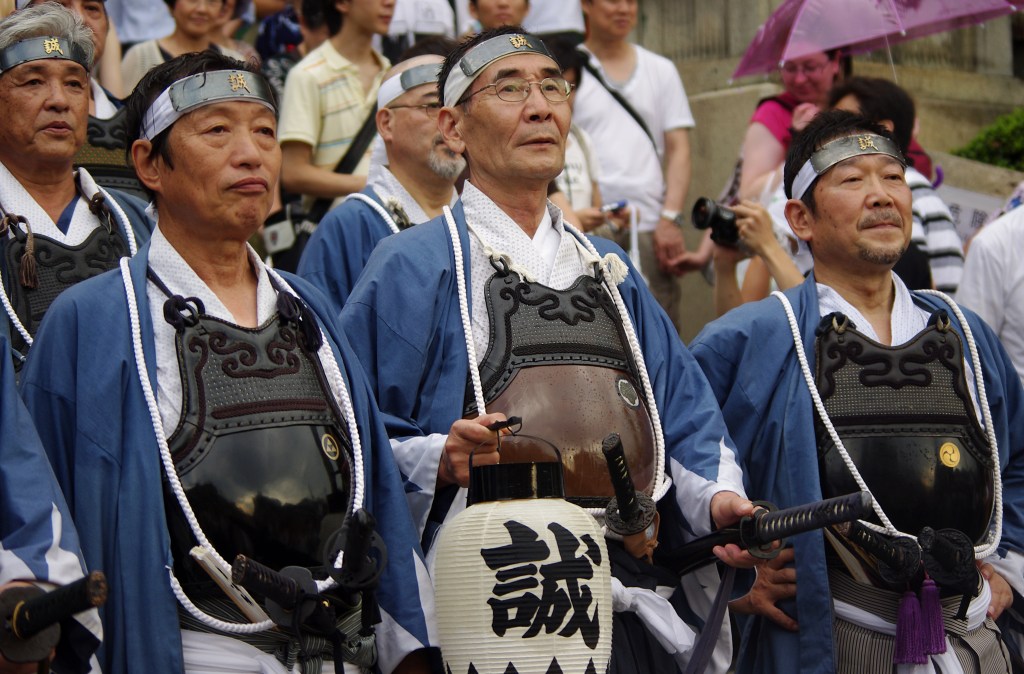
The July 17 procession
The larger of the two, with the floats moving along the main streets from the morning.
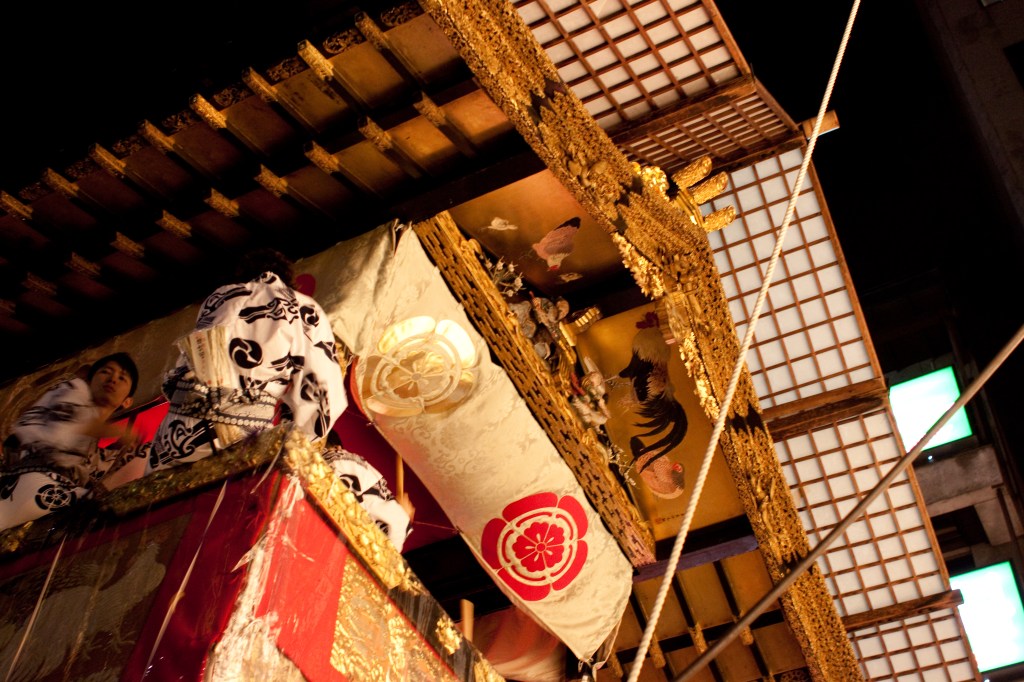
The yamaboko
Assembled from wood without nails, and displayed in the streets for days before the procession.
Yoimiya evenings
Street stalls and lantern light in the Gion and Shijo area on the three nights before each procession.
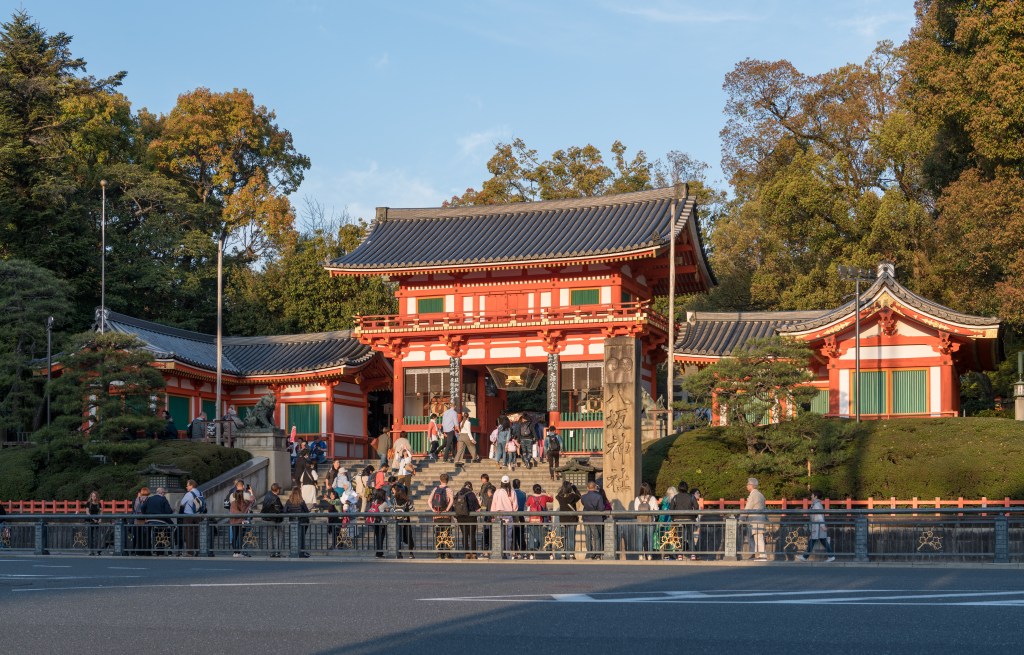
Yasaka Shrine
The shrine at the centre of the festival, with the floats blessed before they move.
Food and drink
- Festival stalls sell grilled food, sweets and drinks during the Yoimiya evenings.
- Restaurants in Gion and Shijo book out; reserve or eat early.
Getting there and around
- The route is walkable from Gion-Shijo and Karasuma stations.
- Streets close to traffic on procession days; expect diversions.
Where to stay
- Kyoto hotels fill for the procession dates; book months ahead.
- Staying near Shijo or Kawaramachi puts the route on foot.
Best time to visit
- July is hot and humid; the procession starts in the morning for that reason.
- Rain does not usually stop the procession.
Practical tips
- Do not step into the road; the floats are moved by hand and need space.
- Carry water and use the shade; heat illness is a real risk.
- Treat the year’s schedule, route and viewing rules as things to reconfirm.
Suggested day-trip outline
- See the floats on display the day before.
- Walk the Yoimiya stalls in the evening.
- Watch the procession from a pavement spot early the next morning.
Before you go
Timetables, fares, admission fees, and seasonal access rules can change. Check the official tourism and transport sites linked below for the latest information before you travel.
Explore More of Japan
Published guides that pair with this one:
- Kyoto Travel Guide: Areas, Temples and a Three-Day Plan
- Kyoto Higashiyama Travel Guide: Kiyomizu-dera, Gion Streets, and Walking Routes
- Fushimi Inari Travel Guide: The Torii Path, the Hike and the Best Hours
- Nijo Castle Travel Guide: A Palace in Kyoto, Not a Keep
- Arashiyama and Sagano Travel Guide: Bamboo Grove, Tenryu-ji, and Quieter Temple Paths
Browse every Kansai guide on this site for the rest of the region.
Sources
- Yasaka Shrine (official) (checked 2026-10-30)
- Kyoto City Tourism (official) (checked 2026-10-30)
- JNTO (checked 2026-10-30)


Leave a Reply