A practical English guide to the Goto islands in Nagasaki: the hidden Christian churches, the coves of Fukue, the ferry from Nagasaki and the island roads.
Operational details such as opening hours, admission fees, and train times can change. Prefer official pages and reconfirm before you travel (sources checked on 06 November 2026).
Why visit
- The Goto islands are a chain in the East China Sea west of Nagasaki, about two hours by ferry or forty minutes by plane from the city, and they are one of the least visited parts of Japan. They are green and hilly, with deep coves, small fishing ports and a history that sets them apart: this was the heartland of the hidden Christians, who kept their faith through two centuries of prohibition.
- The churches are the reason many people come. After the ban was lifted in the nineteenth century, the communities built a remarkable set of wooden and brick churches in the villages, often designed by local carpenters and paid for by the villagers themselves. Several are UNESCO World Heritage sites, and the small ones in the hamlets are the most moving.
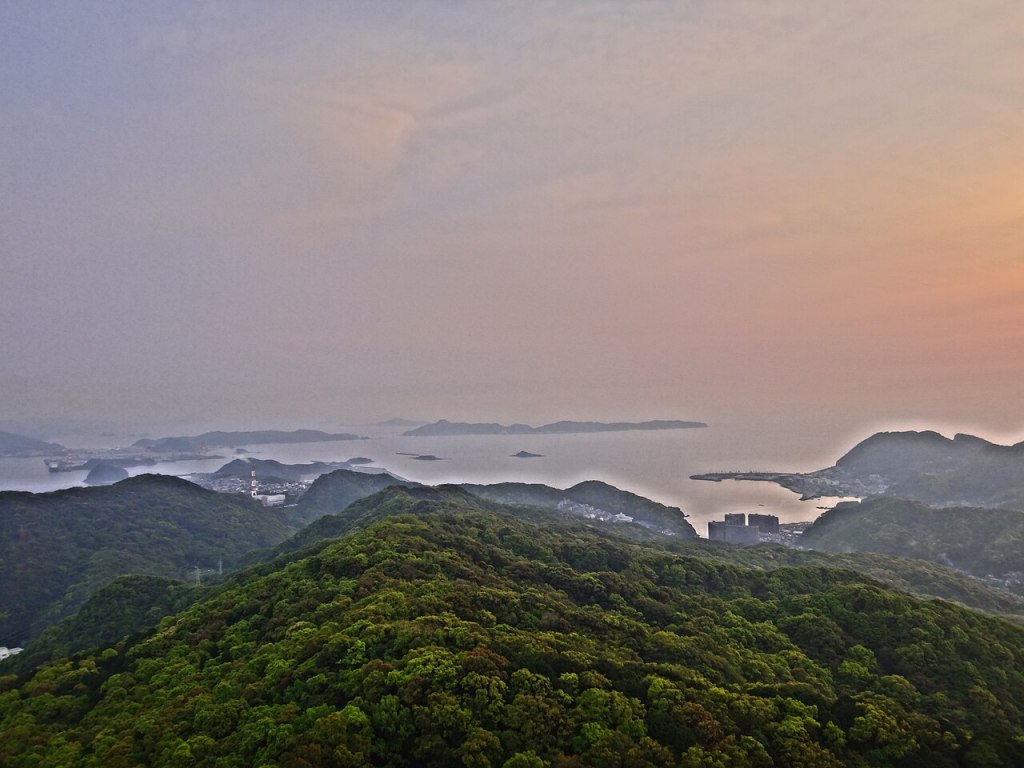
- The second attraction is the landscape. The islands have some of the best coastal scenery in Kyushu, with cliffs, sea stacks, clear water and a road that follows the shore. The beaches are quiet and the swimming is good in summer, and the sunsets over the sea are the local event.
- The third is the pace. The islands are agricultural and fishing communities, with a few towns, and the roads are empty. The food is the catch and the produce of the islands, with the Goto udon and the local beef and fish. It is a place to slow down, and a car is the way to see it.
Top places and highlights

The hidden Christian churches
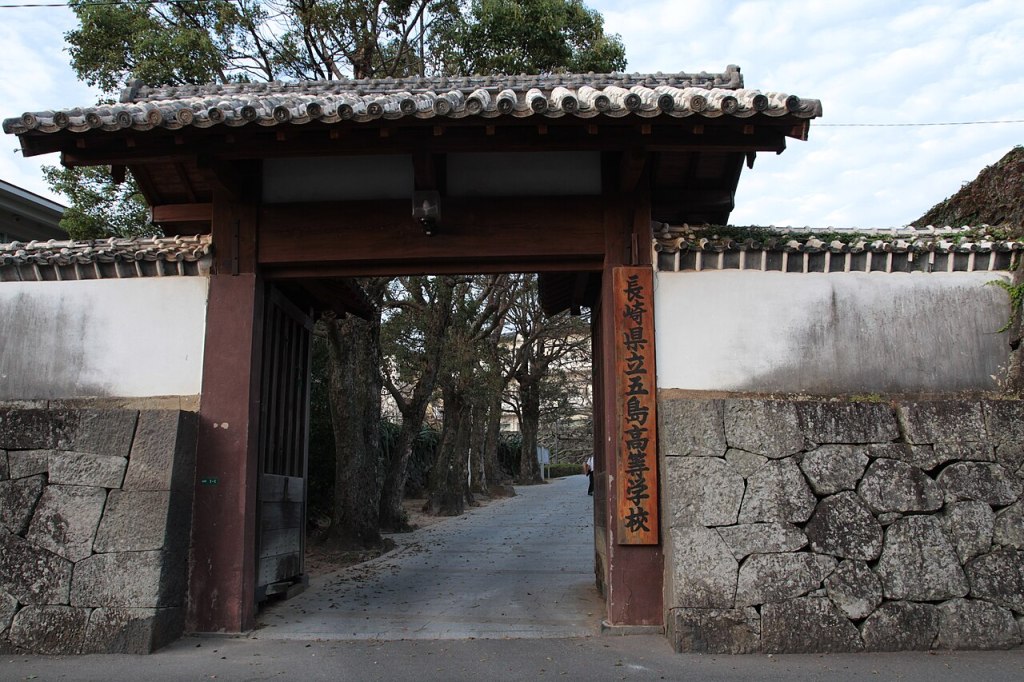
The islands have dozens of small churches, from the brick and stone ones in the towns to the wooden chapels in the hamlets, several of them UNESCO World Heritage sites. The most famous are on Fukue and Naru, and many are still in use by the local communities. Check the opening days and be respectful inside.
Fukue island
The largest island has the main town, the ferry port, the airport and most of the churches, along with the coves and the beaches. The roads are quiet and the views over the sea are constant. It is the base for the other islands.
The coastal road
The road around Fukue passes cliffs, sea stacks and small fishing ports, with the water clear and the light changing through the day. The drive takes a few hours with stops, and it is the best way to see the island. The sunset from the west coast is the local spectacle.
The beaches
The islands have quiet beaches with clear water, some with facilities and others almost empty, and the swimming is good from July to September. The coves and the rock formations are the attraction as much as the sand. The water is warm in summer and the beaches are rarely crowded.
The fishing ports
The ports are the working heart of the islands, with boats, markets and small restaurants serving the catch. The fish is excellent and cheap, and the local squid and the dried fish are the specialities. The morning is the time to see the boats come in.
The island food
The islands are known for Goto udon, a thick noodle, and for the local beef, fish and citrus. The restaurants are few and plain, and the food is cheap and good. The sake and the shochu of the region are worth trying.
The other islands
Naru, Wakamatsu and the smaller islands are reached by ferry and have their own churches and landscapes. They are quieter and less developed than Fukue, with a handful of inns. The crossings are short and the timetables limited, so plan the days carefully.
Food and drink
- Goto udon is the local noodle, thick and chewy, served in a simple broth.
- The fish and squid of the islands are excellent and cheap at the port restaurants.
- The local beef and the Goto pork appear in the set meals.
- The citrus and the sweet potatoes of the islands are sold at the farm stands.
- The shochu and the sake of the region are worth trying at the small bars.
Getting there and around
- The islands are reached by ferry from Nagasaki, about two hours to Fukue, or by plane in forty minutes.
- The ferries also run between the islands, with a limited timetable.
- A car is essential for the churches and the coast, and rentals are available at the port and the airport.
- The roads are narrow and winding in places; allow more time than the distance suggests.
- The islands are also reached from Sasebo by ferry, which is convenient from the north.
Where to stay
- Fukue has business hotels, guesthouses and a few ryokan.
- The smaller islands have minshuku and simple inns, often with meals.
- The churches sometimes offer simple lodgings in the parish houses.
- Book well ahead in summer and around the church festivals.
Best time to visit
- Spring is mild, with green hills and comfortable driving.
- Summer is hot, with the beaches and the swimming at their best.
- Autumn is clear and warm, the best season for the coast and the churches.
- Winter is mild but windy, with rough seas that can cancel the ferries.
Practical tips
- Check the ferry and plane schedules before booking accommodation; the weather cancels services.
- The churches are places of worship; dress modestly and do not photograph people.
- Many churches are open only on certain days or by appointment.
- A car is essential; the buses are very limited.
- The roads are narrow; drive slowly and watch for the local traffic.
- Cash is needed at the small inns and the port restaurants.
Suggested day-trip outline
- Morning: the ferry from Nagasaki to Fukue.
- Late morning: the town and the church of the main parish.
- Lunch: Goto udon at a port restaurant.
- Afternoon: the coastal road and the coves.
- Late afternoon: the west coast and the sunset.
- Evening: a night on Fukue, or the ferry to the smaller islands.
Before you go
Timetables, fares, admission fees, and seasonal access rules can change. Check the official tourism and transport sites linked below for the latest information before you travel.
Explore More of Japan
Published guides that pair with this one:
- Kujukushima and Sasebo Guide: Islands, Cruises and the Naval Port
- Nagasaki Travel Guide: Harbor History, Hills, and Kyushu Flavors
- Hitoyoshi Travel Guide: The Kuma River, Boat Trips and Castle Town Streets
- Kunisaki Travel Guide: Fuki-ji, the Stone Buddhas and the Rokugo Manzan Temples
- Gunkanjima Travel Guide: Hashima Island and the Coal City
Browse every Kyushu guide on this site for the rest of the region.
Sources
- city.goto.nagasaki.jp (checked 2026-11-06)
- nagasaki-tabinet.com (checked 2026-11-06)


Leave a Reply