A practical English guide to the Kunisaki peninsula in Oita: the Fuki-ji hall, the Kumano magaibutsu carvings, the Rokugo Manzan temple paths and access from Oita.
Operational details such as opening hours, admission fees, and train times can change. Prefer official pages and reconfirm before you travel (sources checked on 06 November 2026).
Why visit
- The Kunisaki peninsula is the volcanic knob of land that sticks out into the Inland Sea in northern Oita, and it holds one of the densest concentrations of old Buddhist sites in Japan. The Rokugo Manzan complex, a network of temples and mountain paths founded in the eighth century, once had thousands of monks, and its traces are scattered across the ridges and valleys.
- The single most important building is the Fuki-ji, a small Amida hall of the Heian period with a roof of thatch and a carved interior, and it is one of the oldest wooden buildings in Kyushu. It sits in a quiet village with a stone pagoda and a garden, and it is a place of real age rather than a reconstruction.
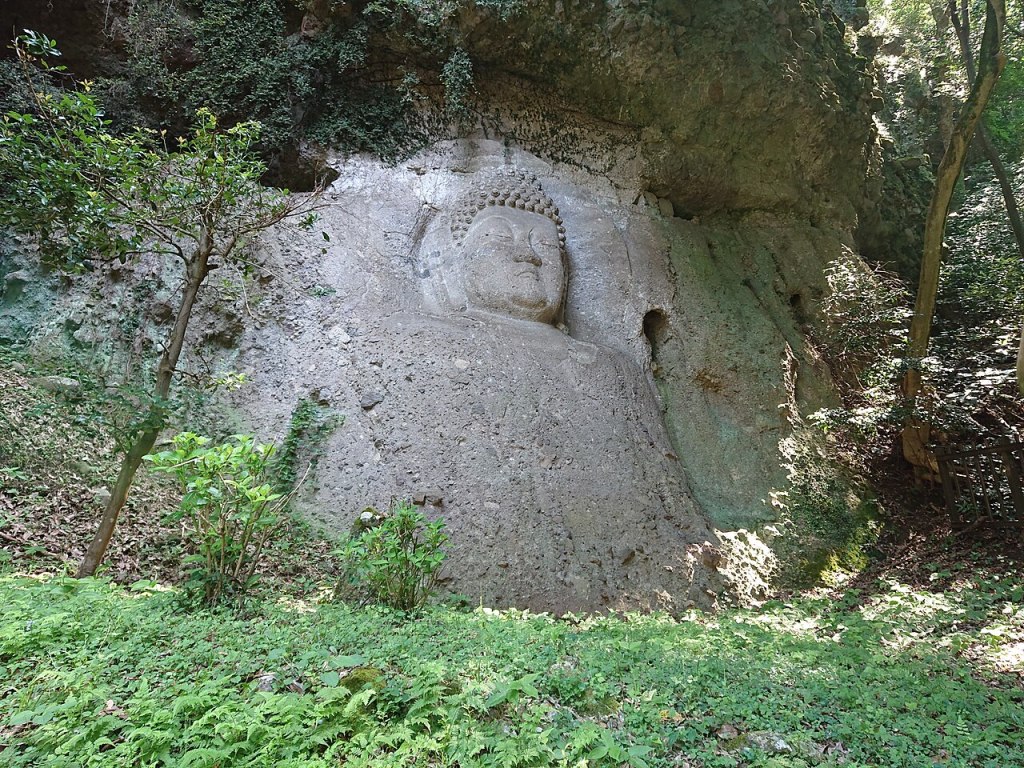
- The second is the Kumano magaibutsu, a group of Buddhist figures carved into a cliff face in the eighth century, reached by a stair through the forest. The carvings are weathered and enormous, and the setting, with the trees and the valley below, is as important as the images themselves.
- The peninsula is also farmland: rice, wheat, and the lotus roots and buckwheat of the plateau, with stone terraces and old farmhouses. The food is plain and good, and the roads across the ridges give views over the whole peninsula to the sea. It is a place to drive slowly and stop often, and it is almost unknown to foreign visitors.
Top places and highlights
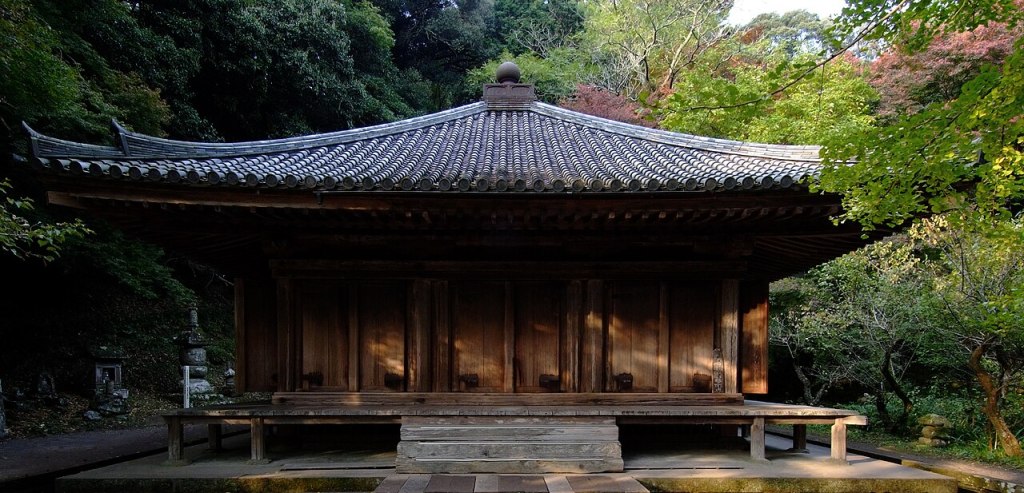
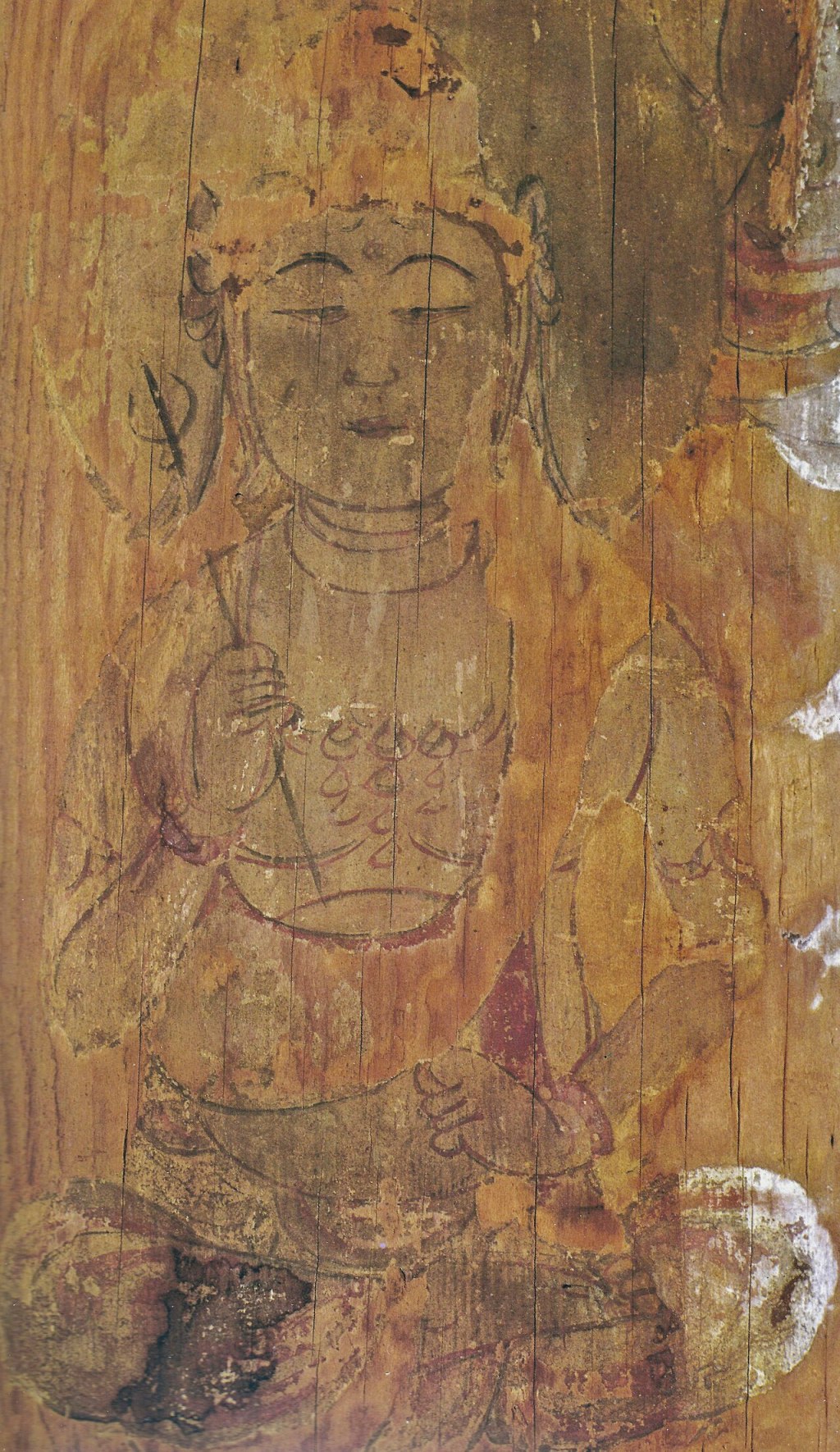
Fuki-ji
The Amida hall is a small, dark wooden building of the twelfth century with a thatched roof and a carved interior, and it is the oldest surviving example of its kind in Kyushu. The scale is intimate, and the setting, with a stone pagoda and a garden, is beautiful. Check the opening days and the small admission fee.
Kumano magaibutsu
The carvings are cut into a cliff above a valley, with a great Dainichi Nyorai and a group of figures beside it, reached by a long stone stair through the trees. The images are worn by weather and are all the more impressive for it. The walk up is steep and the path is narrow in places.
The Rokugo Manzan paths
The old pilgrimage routes cross the ridges between the temples, with stone steps, small shrines and views over the valleys. Some sections are well maintained and others are overgrown, and the local maps mark the main routes. Walking a section is the best way to understand the scale of the old complex.
The stone terraces and villages
The plateau is farmed in small plots separated by stone walls, with old farmhouses and storehouses, and the landscape has been shaped by centuries of labour. The roads between the villages are narrow and quiet, and the views open suddenly over the sea. It is the rural Japan that most itineraries miss.
The other old temples
The peninsula has several temples of the Heian and Kamakura periods, some with important sculptures and painted halls, scattered among the villages. They are small and often unstaffed, and they reward a slow circuit by car. The local tourist offices publish a map of the main sites.
The coast and the Inland Sea
The northern coast looks across to the islands and the mainland, with fishing ports and small beaches, and the light in the late afternoon is the best of the day. The road along the shore is a good way to end a circuit of the peninsula. The seafood is fresh and cheap.
The local food
The peninsula grows rice, buckwheat and lotus root, and the restaurants serve soba, farm vegetables and fish from the coast. The food is plain and seasonal, and the portions are generous. The local sake and the small sweet shops are worth a stop.
Food and drink
- Soba made with local buckwheat is the peninsula’s standard lunch.
- Lotus root and farm vegetables appear in the set meals and the pickles.
- Fish from the Inland Sea, including sea bream and octopus, is served in the port restaurants.
- The local sake is soft and dry, sold at the small breweries.
- The farm stands sell rice, vegetables and the local citrus in season.
Getting there and around
- The peninsula is about an hour by car from Oita city and the airport.
- The JR Nippo line runs along the coast, with stations at Usa and elsewhere, but a car is needed for the temples.
- Buses run to the main villages but are infrequent, so check the timetable.
- Fuki-ji and the magaibutsu are a short drive from Bungotakada and the Usa area.
- The roads across the peninsula are narrow and winding; allow more time than the map suggests.
Where to stay
- Small inns and guesthouses operate in the villages and near the temples.
- Bungotakada and Usa have business hotels and are convenient bases.
- The coast has a few onsen inns with sea views.
- Book ahead in autumn, when the peninsula is popular with domestic travellers.
Best time to visit
- Spring is mild, with fresh green on the ridges and blossom in the villages.
- Summer is hot and humid, with the rice fields at their greenest.
- Autumn is the best season, with clear air and colour on the trees.
- Winter is cold and quiet, with bare terraces and few visitors.
Practical tips
- Fuki-ji keeps limited hours; confirm before making it the centre of the day.
- The stair to the magaibutsu is steep and slippery after rain; wear proper shoes.
- A car is essential for the temples and the villages; public transport is thin.
- The roads are narrow; drive slowly and watch for farm vehicles.
- Carry cash for the temples, the farm stands and the small restaurants.
- Allow a full day for the peninsula rather than trying to combine it with Beppu.
Suggested day-trip outline
- Morning: Fuki-ji and the village around it.
- Late morning: the Kumano magaibutsu and the forest stair.
- Lunch: soba in a village restaurant.
- Afternoon: a section of the Rokugo Manzan path.
- Late afternoon: the coast road and the Inland Sea view.
- Evening: back to Oita or a night in an onsen inn.
Before you go
Timetables, fares, admission fees, and seasonal access rules can change. Check the official tourism and transport sites linked below for the latest information before you travel.
Explore More of Japan
Published guides that pair with this one:
- Hitoyoshi Travel Guide: The Kuma River, Boat Trips and Castle Town Streets
- Kitsuki Travel Guide: The Samurai Town of Oita
- Okawachiyama Travel Guide: The Secret Porcelain Village of Imari
- Usa Jingu Travel Guide: The Great Shrine of Kyushu
- Usuki Stone Buddhas Travel Guide: Japan’s National Treasure Cliff Carvings
Browse every Kyushu guide on this site for the rest of the region.
Sources
- city.kunisaki.oita.jp (checked 2026-11-06)
- visit-oita.jp (checked 2026-11-06)


Leave a Reply