A practical English guide to Gunkanjima (Hashima) in Nagasaki: the ruined coal city, the boat tours, the museum and access from Nagasaki.
Operational details such as opening hours, admission fees, and train times can change. Prefer official pages and reconfirm before you travel (sources checked on 05 November 2026).
Why visit
- Gunkanjima, or Hashima, is an abandoned coal mining island about twenty kilometres off the coast of Nagasaki, and it is one of the strangest places in Japan. The island was a small reef until the Meiji period, when coal was found beneath it and the Mitsubishi company built a city on the rock: concrete apartment blocks, a school, a hospital, a shrine and sea walls, packed into a space the size of a football field.
- At its peak in the 1950s the island held more than five thousand people, the highest population density in the world at the time, and the buildings were among the first reinforced concrete apartment blocks in Japan. The coal was worked under the sea, and the miners lived in a vertical city with no green space, no graves and no escape from the weather.
- The mine closed in 1974 and the island was abandoned almost overnight. The buildings decayed in the salt wind and the typhoons, and the ruin became famous as a symbol of industrial decline. Today the island is a UNESCO World Heritage site, and boat tours from Nagasaki take visitors to a walkway on the island, with a view of the collapsed blocks and the sea walls.
- The visit is short and the landing depends on the weather, but the sight of the ruins from the water is unforgettable. The museum on the Nagasaki waterfront explains the history, the labour and the closure, and it is the place to understand what you are seeing. It is a place about industry, community and memory, and it is unlike any other in Japan.
Top places and highlights
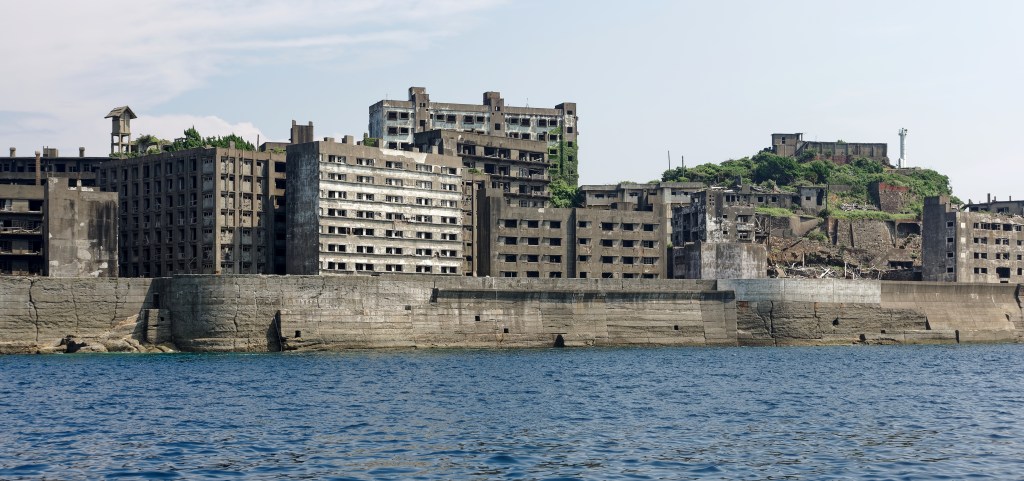
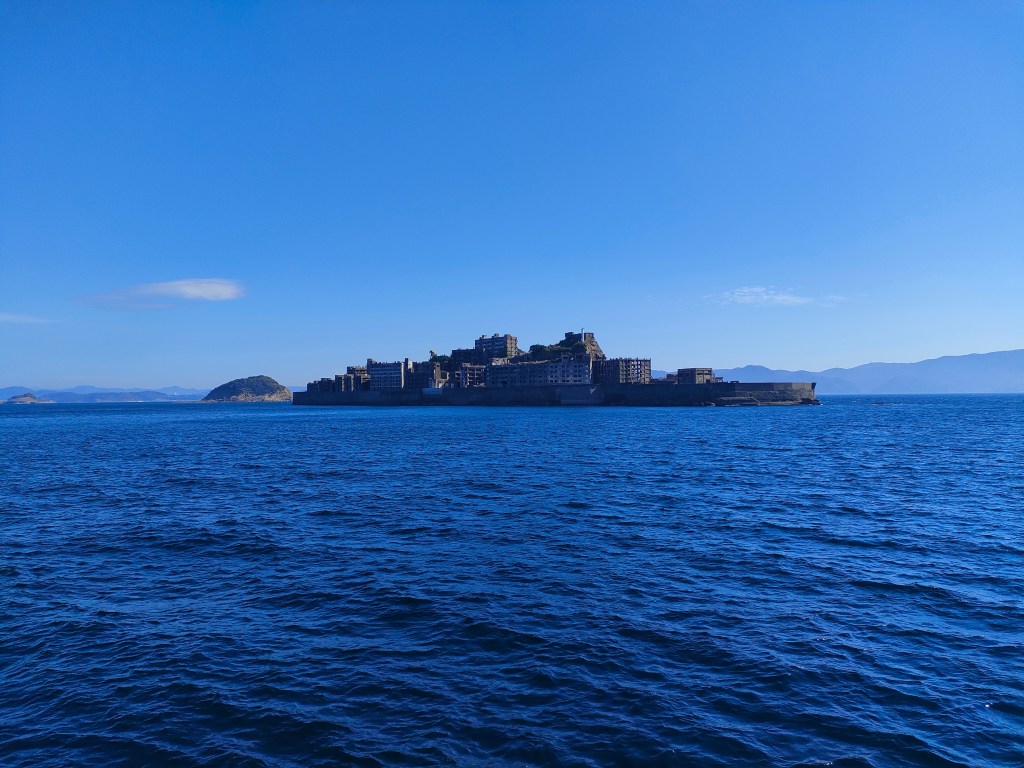
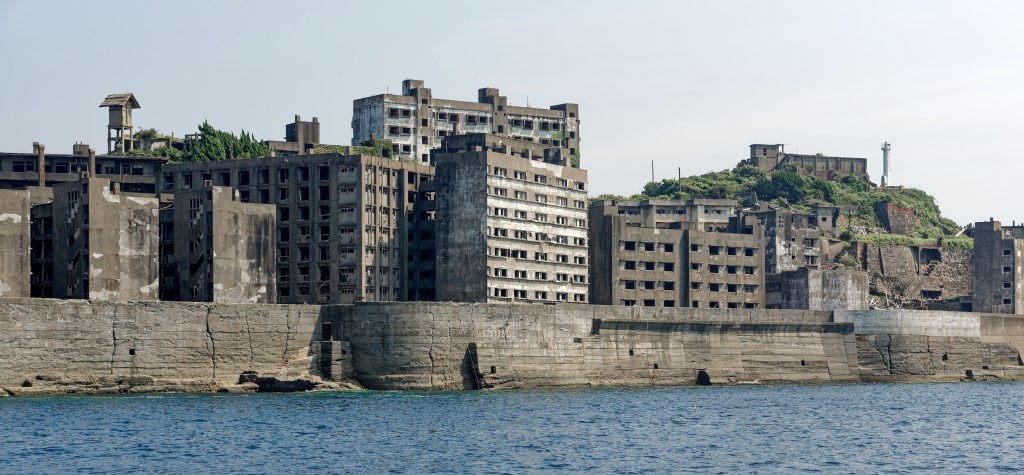
The island from the sea
The approach by boat is the first sight of the island, and it is startling: a grey wall of concrete rising from the sea, with the ruined blocks, the sea walls and the towers silhouetted against the sky. The boat circles the island before landing, and the view of the collapsed buildings, the gaps and the vegetation is the image everyone remembers. Bring a camera and stay on deck.
The landing and the walkway
Visitors land at a small pier and walk along a short walkway on the edge of the island, with the ruins behind a fence. The walkway is the only accessible part, and the guides explain the buildings, the mine and the life of the community. It is a brief visit, and the view from the walkway is close enough to see the detail of the concrete and the decay.
The museum
The Gunkanjima museum on the Nagasaki waterfront has photographs, models, tools and testimony from the former residents, and it explains the history of the island, the mining and the closure. It is the place to understand the scale of the community and the conditions of the work, and it is a good preparation for the boat trip. It is small and takes about half an hour.
The ruins and the industrial heritage
The island is part of the Meiji industrial revolution World Heritage site, along with the shipyards, the mines and the factories of the region, and it is the most dramatic of the sites. The concrete blocks, the sea walls and the mine shafts are a record of a technology and a society, and the decay is part of the story.
The Nagasaki waterfront
The boat leaves from the Nagasaki port, and the waterfront has the museum, the Dejima site, the Glover garden and the city history. The combination of Gunkanjima and the city makes a full day, and the waterfront is a good place to walk in the evening, with the lights on the bay and the boats. The tram connects the port with the station and the centre, and the sights are close enough to walk between.
The local food
Nagasaki is famous for its champon, its sara udon and its castella, and the city restaurants serve them along with the seafood of the bay. The port area has the usual cafes and the local specialities, and the food is a good end to a day on the water. The arcades around the station have the widest choice, and the Chinatown district has the Chinese-influenced dishes that shaped the local cooking.
The history of the island
The island was a place of hard labour and a tight community, with the miners working under the sea and the families living in the blocks. The museum and the guides explain the conditions, the school, the hospital and the closure, and the story is as much social as industrial. It is the human side that makes the ruins meaningful.
Food and drink
- Nagasaki champon is the local noodle dish, with pork, seafood and vegetables in a thick broth, and the restaurants in the city serve it cheaply.
- Sara udon is the crisp noodle dish with a thick sauce, and it is the other local speciality.
- The castella, the sponge cake introduced by the Portuguese, is the city’s famous sweet, and the shops sell it in boxes.
- The seafood of the bay is good, especially the fish and the shellfish, and the restaurants around the port serve it fresh.
- The city has the full range of restaurants, from the local specialities to the usual chains, and the arcades around the station are good for a quick meal.
Getting there and around
- The boat tours to Gunkanjima leave from the Nagasaki port, about ten minutes by tram or bus from Nagasaki station, and the trip takes about three hours including the landing.
- The tours must be booked in advance, and the operators have English information. The landing is subject to the weather and the sea conditions.
- Nagasaki is reached by the shinkansen from Fukuoka and the train from the rest of Kyushu, and the airport has domestic flights.
- By car, the port area has parking, and the city is compact enough to walk and use the tram.
- The museum is on the waterfront, a short walk from the boat pier, and it is a good place to start before the tour.
Where to stay
- The hotels around Nagasaki station and the port are the practical base, with the full range of prices and easy access to the boat and the museum.
- The hotels in the Glover garden and the hills have views over the bay, and they are the most atmospheric option.
- The business hotels in the centre are cheap and clean, and they suit a short stay.
- The onsen inns outside the city, towards Unzen and the mountains, offer baths and local meals, and they are within an hour or two by car.
Best time to visit
- Spring, from March to May, is mild and clear, with the sea calm and the boat tours running regularly.
- Summer is hot and humid, with the sea calm and the tours busy. The island is exposed and the walkway is hot.
- Autumn, from October to November, is the best season: clear air, calm sea and comfortable temperatures.
- Winter is cold and windy, with the tours often cancelled and the sea rough. The museum is the reliable option.
- The rainy season runs from early June to mid-July, and the typhoon season peaks from August to September. Check the forecast before booking.
Practical tips
- Book the boat tour in advance. The tickets sell out, and the landing is limited.
- Check the weather. The landing is often cancelled in rough seas, and the tour becomes a circuit of the island.
- Visit the museum first. It explains the island and makes the ruins meaningful.
- Take the morning tour if you can. The sea is calmer and the light is better.
- Wear a hat and bring water. The walkway is exposed and there is no shade.
- Combine the tour with the Nagasaki waterfront and the city’s history, and allow a full day.
Suggested day-trip outline
- Morning: the Gunkanjima museum, then the boat from the port.
- Late morning: the circuit of the island and the landing, with the guide.
- Lunch: champon or sara udon in the city.
- Afternoon: the Dejima site and the Glover garden, or the peace park.
- Late afternoon: the waterfront and the bay, and the sunset over the port.
- Evening: dinner in the city, with the local seafood and the castella.
Before you go
Timetables, fares, admission fees, and seasonal access rules can change. Check the official tourism and transport sites linked below for the latest information before you travel.
Explore More of Japan
Published guides that pair with this one:
- Kumamoto Castle Travel Guide: Kato’s Walls and a Rebuilt Keep
- Dazaifu Travel Guide: Tenmangu Shrine and Kyushu’s Old Capital
- Nagasaki Travel Guide: Harbor History, Hills, and Kyushu Flavors
- Unzen Onsen Guide: Hot Springs on an Active Volcano
- Yanagawa Travel Guide: Canals, Boat Rides and Eel
Browse every Kyushu guide on this site for the rest of the region.
Sources
- city.nagasaki.lg.jp (checked 2026-11-05)
- nagasaki-tabinet.com (checked 2026-11-05)


Leave a Reply