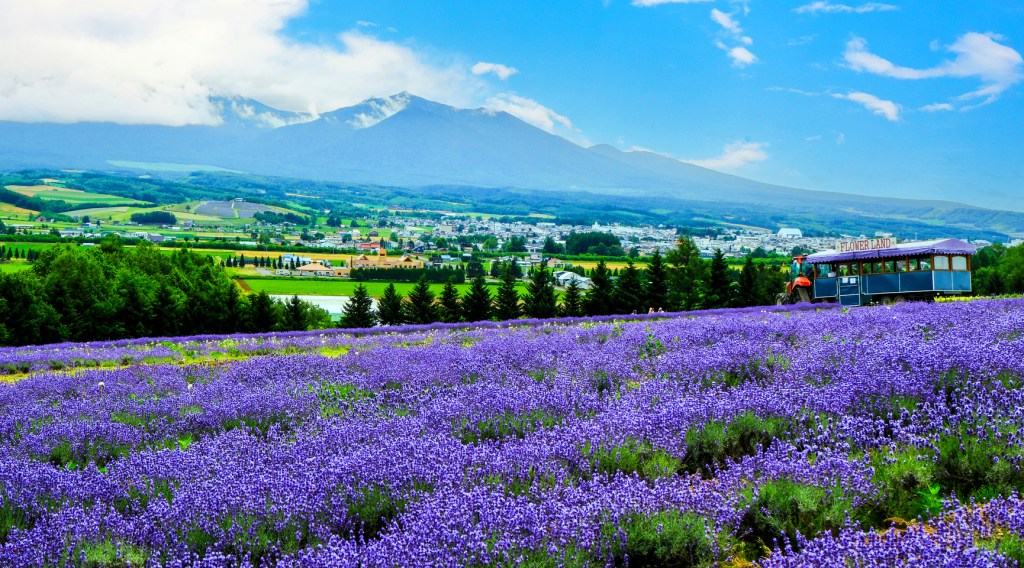
Planning a trip to Biei and Furano in Hokkaido? This English guide covers flower fields, scenic viewpoints, the Blue Pond area, access tips, and what to reconfirm before you go.
Operational details such as opening hours, admission fees, and train times can change. Prefer official pages and reconfirm before you travel (sources checked on 25 October 2026).
Why visit
- Biei and Furano are neighboring areas famous for flower farms, patchwork hills, and photogenic ponds.
- Summer lavender draws large crowds; autumn and winter offer quieter scenery.
- Best explored with a rental car or organized day tour from Asahikawa or Furano.
Top places and highlights
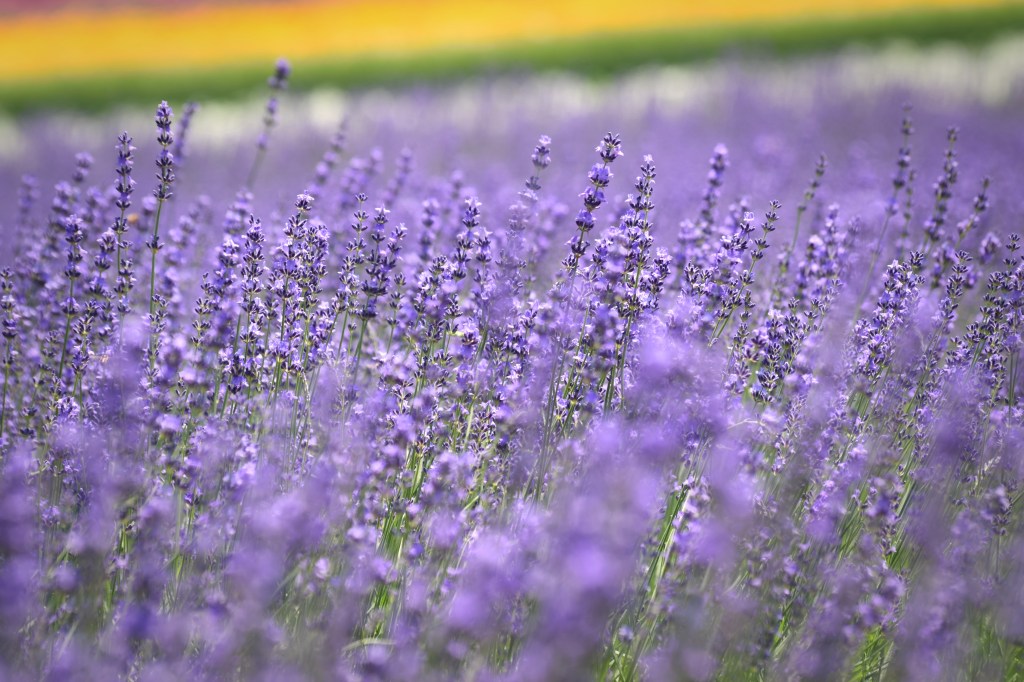
Flower fields around Furano
Seasonal flower farms are the classic summer draw. Peak bloom dates vary yearly—confirm on official tourism pages.
Lavender is not native here, and the trade almost died. The Tomita family farm dates from 1908 and planted lavender in 1958; when cheaper imported lavender oil broke the local market in the 1970s, the family kept the fields by opening them to visitors for free. What began as a way to survive became the reason people come.
The rows are cut by variety rather than planted as one block, early, middle and late cultivars together, so the colour runs from late June into August instead of lasting ten days. Farm Tomita’s fields are free to enter and charge for parking in season; smaller farms nearby sell a ticket and keep shorter hours.
Shikisai-no-oka, on the Biei side, is a different proposition: about 15 hectares planted in bands of roughly 30 kinds of flower, with a tractor-pulled ride up the slope. Entry is free, the ride is paid, and the farm asks for a donation toward the flowers.
Biei patchwork hills
Rolling farmland viewpoints are spread out; a car or tour makes hopping between lookouts easier.
The landscape is the crop. Biei’s hills are volcanic ash from Daisetsuzan and Tokachi-dake, poor for rice and good for wheat, potato, sugar beet and beans, and the fields are planted in blocks that read as a patchwork from the ridges. The roads across those ridges are named for what they look like: Patchwork Road, Panorama Road, and the Jet Coaster Road, a 2.5 km straight that rises and falls enough to feel like a ride.
The famous trees are advertising history. The Ken and Mary Tree appeared in a 1972 Nissan advert, the Seven Star Tree on a cigarette packet in 1976, and the Parent and Child Tree is three trunks standing together in one field. All of them stand in working farmland, which is the etiquette problem: park in the marked lay-by, stay behind the rope, and do not step into the crop for a better angle.
Blue Pond (Aoiike) area
A popular photo stop near Shirogane. Parking, access, and lighting conditions can change—confirm local notices.
The pond is neither natural nor old. It appeared in 1988, when erosion-control works on the Biei River dammed a hollow to hold back volcanic mudflow from Tokachi-dake. The water is blue because fine aluminium particles stay suspended in it and scatter the light; the colour is strongest in early morning and after rain, and it shifts through the day.
It became famous far outside Japan when Apple used a photograph of it as a desktop wallpaper in 2012, which is why the car park fills with people who cannot say where they are.
Above it, Shirahige Falls drops the outflow of the Shirogane hot springs over a cliff into the Biei River. The white threads in the water are mineral load, and the blue river below is the same water that fills the pond. The onsen itself opened in 1950 and is a plain bathhouse rather than a resort.
Winter access works differently: the road in closes to private cars and visitors walk a marked route from a separate car park, with the pond lit in the evening. Confirm the arrangement locally before you drive up.
Food and drink
- Look for melon soft serve in season, local produce, and cafe stops in Furano town.
- Dairy is the local food story: cheese, butter and soft serve sold at the farms rather than in town.
- Melon is the luxury item. A good one is priced like a gift, and roadside stands sell it by the slice for people who want the taste without the box.
- Furano wine, made from cold-climate grapes, is worth one glass, and the winery is on the Biei side of town.
- Biei wheat is the other local product. The bakeries in the village use it, and a loaf is a better souvenir than a keyring.
- Rural restaurants may close between lunch and dinner; confirm hours.
Where to Eat
A short list of places to eat after sightseeing. Menus, hours, and closed days change—reconfirm on official pages (or by phone) before you go.
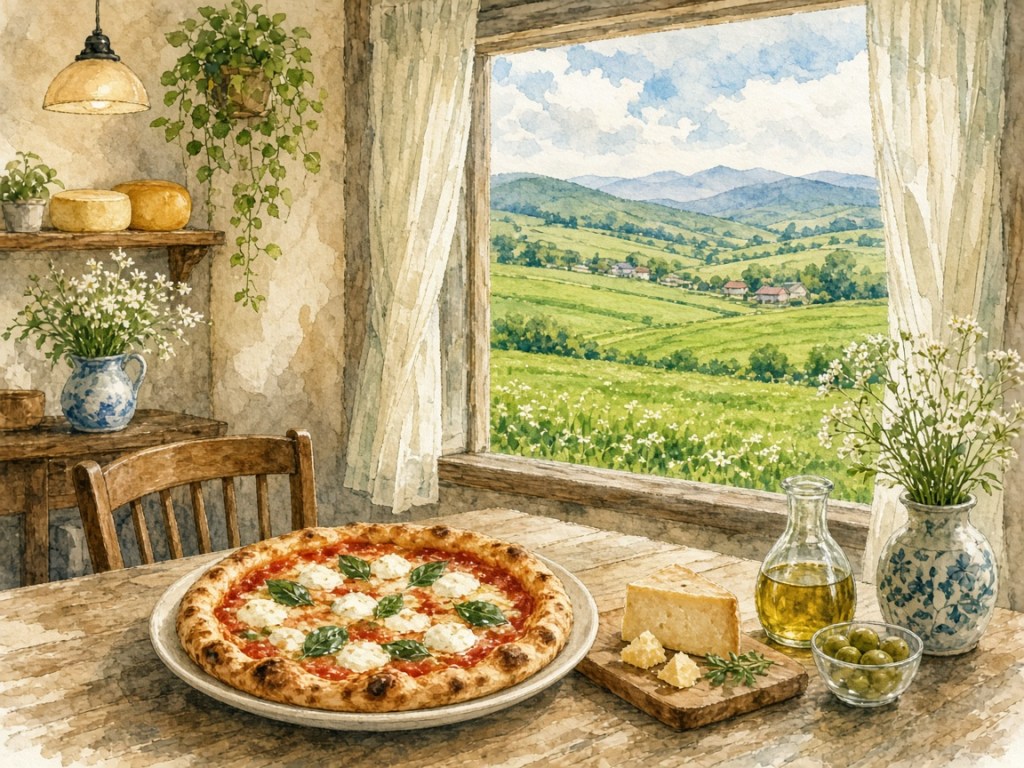
Furano Cheese Factory (Pizza / Cafe)
Budget fit: Budget-friendly Cuisine: Local cheese, pizza, gelato
Furano’s official cheese factory complex with tasting products, gelato, and a pizza workshop using local dairy. A straightforward local-food stop while touring Furano.
What to try:
- Furano cheese products
- Neapolitan-style pizza
- Cheese soft serve / gelato
Address: Nakagoku, Furano-shi, Hokkaido, Japan Access: Reach by car/taxi from central Furano; confirm map on the official factory site. Hours (confirm): Official page lists seasonal daytime hours (approx. 09:00–17:00 Apr–Oct; shorter in winter) and pizza workshop hours; reconfirm. Closed days (confirm): Official page notes New Year closure and Monday closures in Jan–Feb plus maintenance weeks—reconfirm. Booking tip: Official factory pages list seasonal daytime hours and pizza-workshop windows; winter hours are shorter and some Mondays close in Jan–Feb. Reconfirm before visiting. Official site: https://www.furano-cheese.jp/
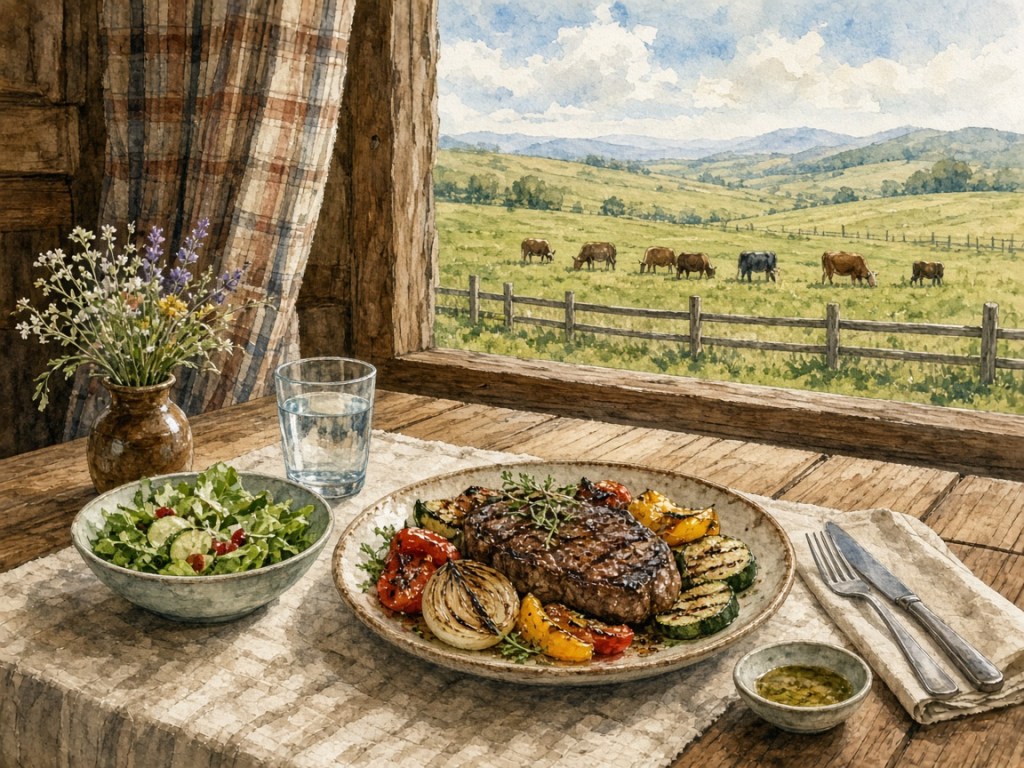
Farms Chiyoda Ranch Restaurant
Budget fit: Midrange Cuisine: Biei Wagyu / farm restaurant
Farms Chiyoda operates a ranch restaurant highlighting local Biei Wagyu alongside farmstay lodging. Confirm restaurant hours and whether day visitors are accepted independently of a cottage booking.
What to try:
- Biei Wagyu dishes (confirm current menu)
Address: 4221 Kasugadai, Biei-cho, Kamikawa-gun, Hokkaido (Farms Chiyoda) Access: Same ranch area as Farmstay Chiyoda; confirm restaurant hours independently of lodging. Booking tip: Confirm day-visitor acceptance and opening hours via official contact channels before arriving. Do not assume walk-in service without confirmation. Official site: https://f-chiyoda.com/stay/
Getting there and around
- JR reaches Furano and Biei, but many sights are not walkable from stations alone.
- Asahikawa is the hub. The Furano Line runs to Biei in about 30 minutes and on to Furano in roughly 40 more; the trains are one or two cars and the evening timetable thins out.
- From Sapporo, the Lilac limited express reaches Asahikawa in about 1 hour 25 minutes. Asahikawa Airport is the other way in, with buses onward to Biei and Furano.
- In summer the Furano-Biei Norokko runs on the same line with open windows and stops near the lavender fields. It is a sightseeing train rather than a commuter service, and it books out.
- A car is close to essential beyond the two towns: the pond, the falls, the tree viewpoints and the farms sit in one valley with a thin bus network.
- Rental cars and seasonal buses/tours are common options—confirm current routes.
- From Sapporo, Asahikawa is a frequent rail hub for onward connections.
Where to Stay
These overnight picks span different budgets. Hours, rates, and availability change—reconfirm on each official site before you book.
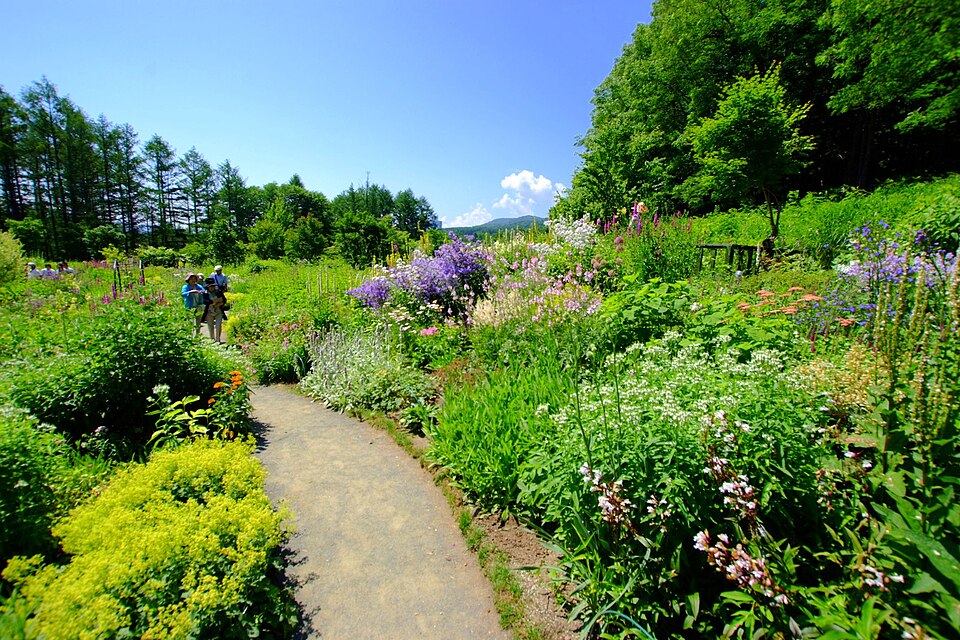
Shin Furano Prince Hotel
Budget fit: Upscale Stay type: Full-service resort hotel
A large Furano resort hotel with mountain-basin views, extensive facilities, and easy access to seasonal outdoor activities. A convenient base if you want hotel amenities between Biei day trips and Furano sightseeing.
Why stay here:
- Resort facilities and multiple room types
- Useful hub for Furano / Biei touring by car or organized transport
- English information via Prince Hotels official pages
Address: Nakagoryo, Furano-shi, Hokkaido 076-8511, Japan Access: Reach Furano by train/bus/air connections, then local transfer to the hotel. Confirm routes on the official Prince Hotels page. Booking tip: Book via the official website when possible and reconfirm details before arrival. Official site: https://www.princehotels.com/shinfurano/
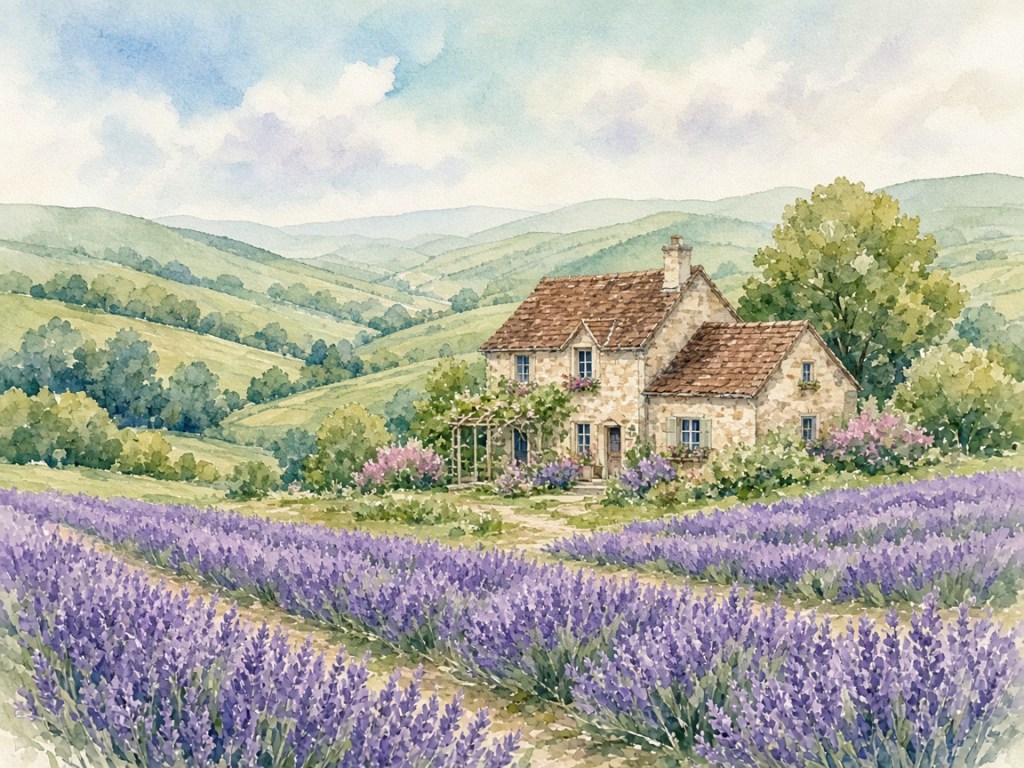
Pension Tomte Rum
Budget fit: Budget-friendly Stay type: Small hill-country pension
A tiny Scandinavian-style pension on Biei’s patchwork hills with a limited number of rooms. Suited to travelers who want a quiet countryside overnight rather than a large resort.
Why stay here:
- Hill setting near Biei sightseeing landscapes
- Small capacity / intimate stay
- English guidance page for overseas guests
Address: Okubo Kyosei, Omura, Biei-cho, Kamikawa-gun, Hokkaido, Japan Access: About 5 minutes by car from JR Biei Station (walking is longer). Confirm pickup limitations on the official English page. Booking tip: Overseas reservations have capacity limits—read the official English rules before requesting a room. Official site: https://www.tomterum.com/en.html
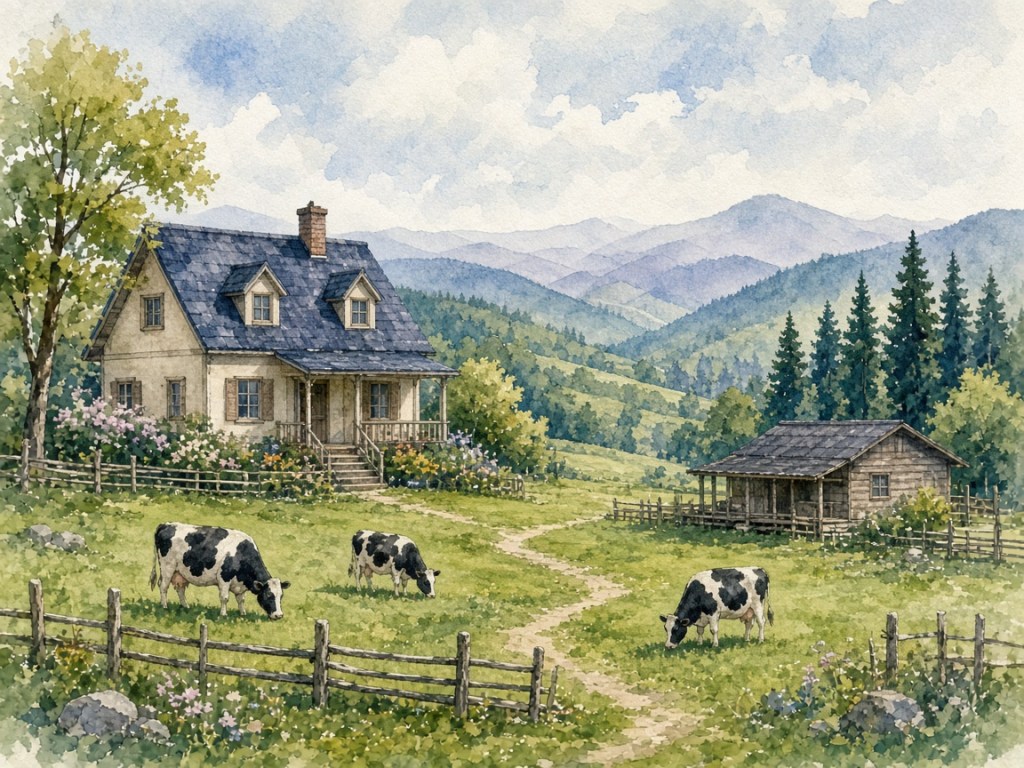
Farmstay Chiyoda
Budget fit: Midrange Stay type: Private farm cottage stay
A private cottage stay on a Biei ranch with animal experiences and an adjacent ranch restaurant serving local beef. A nature-focused alternative to downtown hotels.
Why stay here:
- Private cottage format
- Ranch setting in Biei
- On-site / adjacent dining for local beef
Address: 4221 Kasugadai, Biei-cho, Kamikawa-gun, Hokkaido, Japan Access: About 10 minutes by car from JR Biei Station (tourism association guidance). Confirm parking limits on official pages. Booking tip: Book via the official website when possible and reconfirm details before arrival. Official site: https://f-chiyoda.com/stay/
Best time to visit
- July–August is peak flower season and busiest traffic.
- Lavender peaks from late June to mid-July, and the valley peaks with it. Late July and August stay busy while the colour moves to other flowers.
- Autumn is the local favourite: the hills turn, the light drops low, and the roads empty after the first week of September.
- Winter closes the farms but not the landscape. Furano-dake at 1,911 m carries the ski area, and the Blue Pond is lit at night under a separate access scheme.
- Winter brings snow landscapes; some farm attractions close—check ahead.
Practical tips
- Start early for popular photo spots in peak summer.
- Do not enter the fields. Ropes and signs mark the edge, and the crop is someone’s income.
- The valley runs a few degrees cooler than Sapporo in summer and far colder in winter; a jacket is worth carrying even in July.
- Fill the tank in Biei or Furano before the Shirogane road, because services stop beyond the village.
- Bring sun protection for open fields.
Suggested day-trip outline
- Arrive Furano/Biei by train or car.
- Flower farms or hill viewpoints depending on season.
- Blue Pond stop if open; return to your base by evening.
Before you go
Timetables, fares, admission fees, and seasonal access rules can change. Check the official tourism and transport sites linked below for the latest information before you travel.
Sources
- Sapporo Official Tourism: https://www.sapporo.travel/ (checked 2026-10-15)
- Japan National Tourism Organization (JNTO): https://www.jnto.go.jp/en/ (checked 2026-10-15)
- Biei Town: https://www.town.biei.hokkaido.jp/ (checked 2026-10-25)
- Biei tourism: Blue Pond and Shirogane: https://www.biei-hokkaido.jp/ (checked 2026-10-25)
- Furano tourism: https://www.furano-kankou.com/ (checked 2026-10-25)
- Farm Tomita: https://www.farm-tomita.co.jp/ (checked 2026-10-25)
Explore More of Japan
If you are planning a wider Japan itinerary, these guides pair well with this destination:
- Ginzan Onsen Travel Guide: Historic Hot-Spring Town in Yamagata — Pair Hokkaido landscapes with a historic hot-spring town in neighboring Tohoku.
- Yakushima Travel Guide: Ancient Cedars and UNESCO Forest Trails — Contrast open flower fields with Yakushima’s deep mossy cedar forests.
- Hakone Travel Guide: Onsen, Ropeways, and Mount Fuji Views — A convenient onsen stop near Tokyo before or after flying to Hokkaido.
- Asahikawa Travel Guide: Zoo, Ramen, and a Base for Central Hokkaido — The nearest city to Biei and Furano, with the zoo and the ramen worth the stop.
- Hakodate Travel Guide: Night Views, Morning Market, and Southern Hokkaido — Southern Hokkaido night views and the morning market. Plan it apart from the Biei and Furano fields.


Leave a Reply