Planning a visit to Eiheiji in Fukui? This English guide covers the Soto Zen head temple, its visiting rules, opening hours, bus access from Fukui Station, and what to reconfirm before you go.
Operational details such as opening hours, admission fees, and bus times can change. Prefer official pages and reconfirm before you travel (sources checked on 26 October 2026).
Why visit
- Eiheiji is one of the two head temples of Soto Zen, founded in 1244 by Zen Master Dogen and still a working monastery rather than a preserved monument.
- More than one hundred monks live and train here, practising shikantaza, or single-minded sitting, so the halls are in daily religious use.
- The temple sits deep in the mountains near the Sea of Japan coast, not far from Fukui City, and the cedar forest is part of the experience.
- Because every building is linked by covered corridors, a rainy day does not ruin the visit.
Top places and highlights
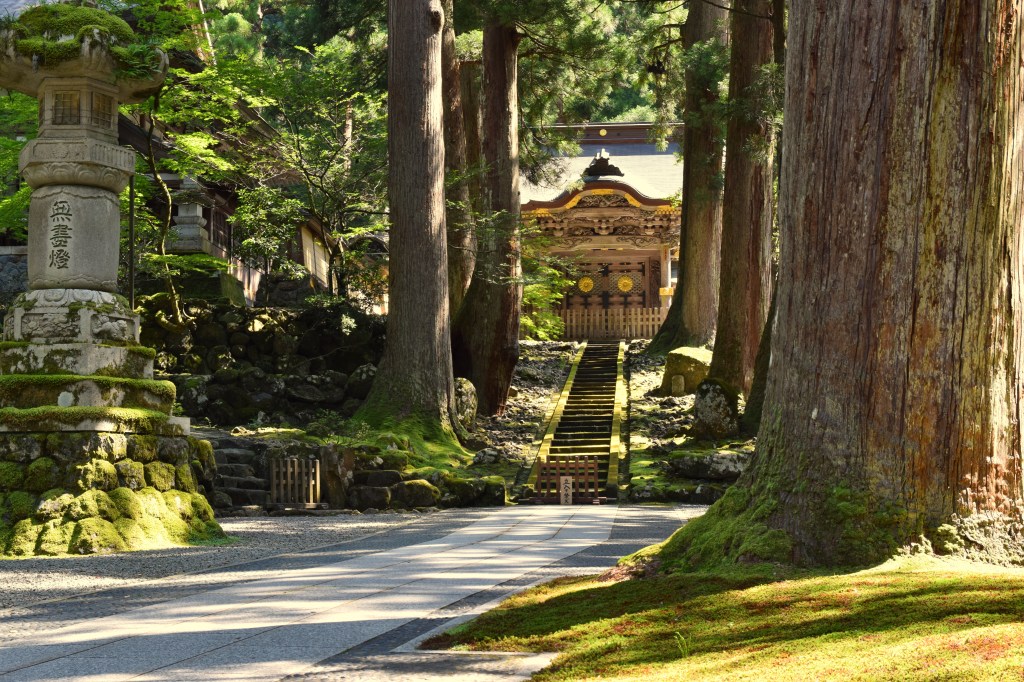
The temple complex
The halls climb a wooded slope and connect through covered wooden corridors, so the visit is a single continuous walk rather than a series of separate buildings. The route passes the main gate, meditation and lecture halls, and the kitchen and bath buildings that support monastic life.
Allow about an hour for a quick look, and more if you want to pause. The temple is built on a mountainside and has many stairs, so budget rest time rather than rushing between halls.
Monastic atmosphere
This is a training centre, so chanting, cleaning, and formal meals structure the day. Photography of priests and monks is prohibited, and several areas restrict cameras. Visitors are received as participants in religious activity, not as an audience.
Zazen and temple lodging
Overnight stays and sitting practice exist but run on limited dates and need booking, and the temple publishes the current programme rather than a fixed daily offer. Its English site states that the Sanzen programme for international visitors is not being offered from spring through fall 2026, so check the announcement page before planning a trip around practice.
For a hotel with some temple activity, the Zen Village project’s Hakujukan sits in front of the temple and is the temple’s own recommended alternative when the programme is unavailable.
Cedar forest setting
Old cedars surround the halls and keep the precinct cool in summer. The approach road runs through the same forest, so the visit effectively begins before the gate.
Food and drink
Shojin ryori here is not a menu item, it is a discipline, and the person who codified it is the temple’s founder. Dōgen’s Tenzo Kyōkun is a set of instructions for the cook, and the Fushukuhanpō sets out how the eater should behave; the five contemplations recited before a meal are about receiving food as medicine and as someone’s labour rather than as entertainment. The cooking that follows from that is severe in the best sense — no meat, fish, onions or garlic, nothing wasted. At Hakujukan, the temple’s affiliated inn at the gate, the kitchen makes stock from vegetable trimmings and chops the offcuts of decorative cuts back into the dish, and the two dishes it names as its own are goma-dōfu and aimaze, a Fukui home dish of simmered vegetables and fried tofu bound together.
That goma-dōfu has its own house in the temple village. Dansuke started in 1888 (Meiji 21), learned the method from the temple’s monks, and has been supplying Eiheiji since; white sesame and kudzu are worked together into something firmer than custard, served cold with a miso sauce. The shop beside the works sells it, along with a fresh version that never gets reheated and a sesame pudding, its opening days shorten in winter, so check before making the trip. This is the one taste of temple food a day visitor can actually buy.
For a full meal, the temple’s own shōjin is served to overnight guests only and cannot be ordered at the gate, and the temple does not take cards — bring cash. Hakujukan serves a shōjin dinner at 18:00, 18:30 or 19:00 by reservation on arrival, and breakfast from 7:00 with the last start at 8:30. Its menu changes with the season and includes a seasonal vegetable hotpot, wild-vegetable tempura, sesame tofu and a Fukui miso soup with pressed beans.
- Shojin ryori, the vegetarian temple cuisine, is served to overnight guests only; the temple’s own FAQ states that day visitors cannot order it.
- Cash is required: the temple states plainly that it does not accept credit cards.
- The temple village in front of the gate has a small number of restaurants and souvenir shops, and Fukui City has by far the widest choice.
- Fukui oroshi soba and winter crab are the regional dishes worth planning a meal around in the city.
Getting there and around
- The Keifuku Bus express “Eiheiji Liner” runs daily from Fukui Station’s east exit, stop 1, to Eiheiji-monzen in about 30 minutes; seats are first-come, first-served and cannot be reserved, and the operator states that passengers cannot board a full bus.
- Route 88, the Eiheiji Line, connects Eiheijiguchi Station with the temple, which suits travellers arriving by rail rather than through Fukui Station.
- Routes 86 and 87 connect Awara Onsen Station with the temple, useful if you are adding the onsen town.
- By car, the temple’s access page gives about 10 minutes from the Eiheiji-sando interchange on the Chubu-Jukan expressway, and states that the temple has no visitor parking, so use a lot in the village.
- Inside the precinct, expect stairs and slopes; wheelchairs can reach as far as the Sanmon area, and strollers are not permitted indoors and are held at reception.
Times, fares, and bus stops change with timetable revisions, so confirm the current schedule on the operator’s site before you commit to a connection.
Where to stay
There are three ways to sleep near Eiheiji, and they are not variations on a theme.
The first is Fukui city: ordinary hotels, the widest choice of food, and the bus or train out in the morning. It is the answer if the temple is one stop on a larger trip.
The second is Hakujukan, the “inn of intimate Zen” at the temple gate, run with hotel comforts and a programme built around practice. Eighteen rooms, all around forty square metres, with windows on the Eiheiji river; guests can join zazen at the temple at 15:30 and the morning service before dawn, where roughly 140 monks and trainees chant, and the top-tier plan adds a scented-bath ritual using the same woods and proportions as the temple’s own. Dinner is the shōjin described above, and this is a splurge rather than a hostel — check the rate for your dates before you commit.
The third is the temple itself. Eiheiji takes overnight visitors only through its own programmes on set dates, which means it is a booking to make deliberately and months out, not a fallback for a weekend. If sitting in the monks’ routine is the point of the trip, that is the version to chase; if you merely want to see the halls, the day visit plus a night in Fukui gets you the same buildings for far less.
- Fukui City is the practical base, with the widest range of hotels and direct access to the bus and rail network.
- Hakujukan, the Zen Village hotel in front of the temple, suits visitors who want to be at the gate early and to join some temple activity.
- Staying overnight at the temple itself is possible only through its own programmes on limited dates, so it is not a fallback for a normal weekend trip.
Best time to visit
- Early summer is when the cedar forest is at its densest and greenest, and the shade keeps the corridors bearable.
- Autumn colour stands out against the dark timber of the halls and is the most photogenic season on the approach.
- Winter snow adds atmosphere but can slow both the bus and the walk from the village, and the precinct stairs need more care.
- The temple is open every day except 1 January, which is worth knowing when other attractions close for the holiday.
Practical tips
- Dress modestly and keep voices low; the temple asks visitors to behave as participants in religious activity.
- Keep to the left when walking, indoors and outdoors, which is the temple’s stated rule and also how the corridors flow.
- Do not touch bells, drums, or altar furnishings, and do not step into the gardens; stay on the wooden corridor.
- Photographing priests and monks is prohibited, so check before raising a camera in the working halls.
- Bring cash for admission and offerings, and expect the temple to refuse cards.
- Avoid carrying a stroller if you can, since indoor access is by stairs and the stroller must be left at reception.
Suggested day-trip outline
- Take the Eiheiji Liner from Fukui Station’s east exit in the morning, arriving at the gate in about half an hour.
- Walk the corridor route at a slow pace, allowing about an hour plus rests, and keep to the left.
- Eat in the village or return to Fukui City for a late lunch, since temple cuisine is not available on a day visit.
- Add Maruoka Castle or the Ichijodani Asakura ruins if you have a second day in Fukui.
Where to go next
These are separate stops from a Fukui base rather than extensions of the temple walk.
- Maruoka Castle Travel Guide: An Original Keep in Fukui — the same prefecture, and the easiest pairing with a temple morning.
- Kanazawa Travel Guide: Kenrokuen and Teahouse Districts — the next historic city east, reachable by rail from Fukui.
- Shirakawa-go Travel Guide: UNESCO Gassho Village, Access, and Day-Trip Tips — a mountain village day if you are continuing into Gifu.
- Takayama Travel Guide: Hida Old Town and Alps Access — a longer onward leg for a Hokuriku and Hida route.
Before you go
Eiheiji rewards a slower visit than its one-hour minimum suggests, but the operational details matter more than usual here: gate times are fixed at 08:30 and 16:30 with a 16:00 arrival cutoff, admission is 700 yen for adults and 300 yen for school-age children, and the temple asks that you be inside the precincts before the last entry time. Check official pages for current hours and fees before you travel. Check the announcement page for the current practice-programme status and for any ceremony closures, and confirm the bus timetable on the day, because the Eiheiji Liner cannot be reserved and a full bus means waiting.
Sources
- Daihonzan Eiheiji official (English) (checked 2026-10-25)
- Eiheiji — access (checked 2026-10-25)
- Eiheiji — practice and Sanzen programme (checked 2026-10-25)
- Eiheiji — FAQ (checked 2026-10-25)
- Eiheiji — visiting hours and admission (Japanese) (checked 2026-10-25)
- Keifuku Bus — access to Eiheiji (checked 2026-10-25)


Leave a Reply