A practical English guide to Kure in Hiroshima: naval museums, the harbour city and access from Hiroshima.
Operational details such as opening hours, admission fees, and train times can change. Prefer official pages and reconfirm before you travel (sources checked on 08 November 2026).
Why visit
- Kure is a harbour city on the Seto Inland Sea south of Hiroshima, long associated with shipbuilding and the former Imperial Japanese Navy. Museums and waterfront exhibits are the main visitor draw, set against a working port and hillside neighbourhoods.
- It is an easy day trip from Hiroshima for anyone interested in modern naval and industrial history, with ferries and views across to nearby islands.
- The station area has hotels and restaurants for an overnight if you want more time.
Top places and highlights
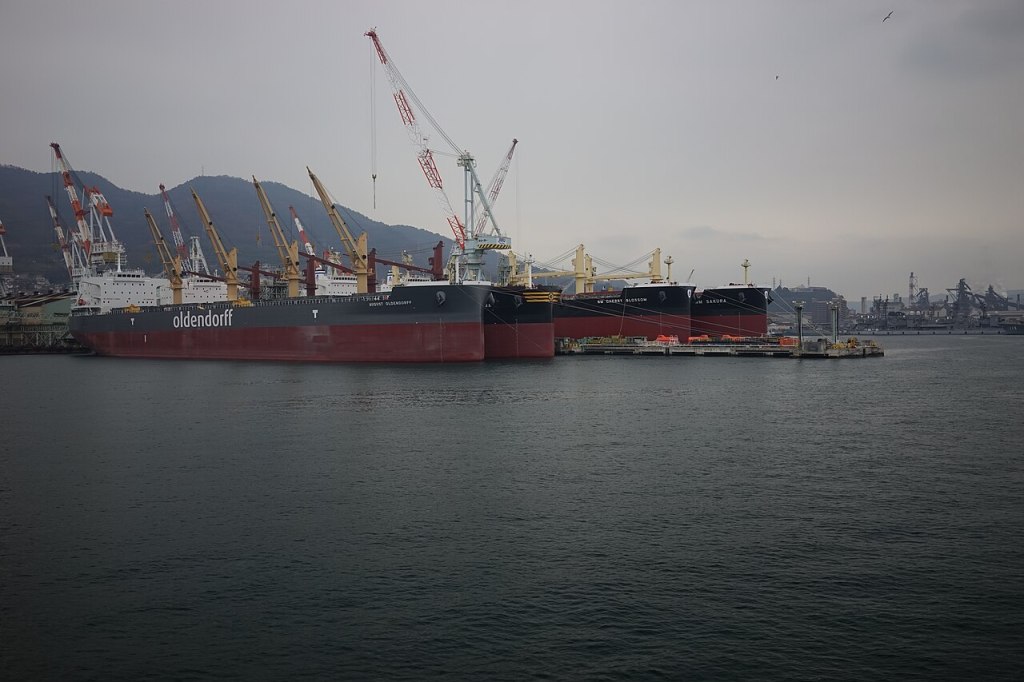
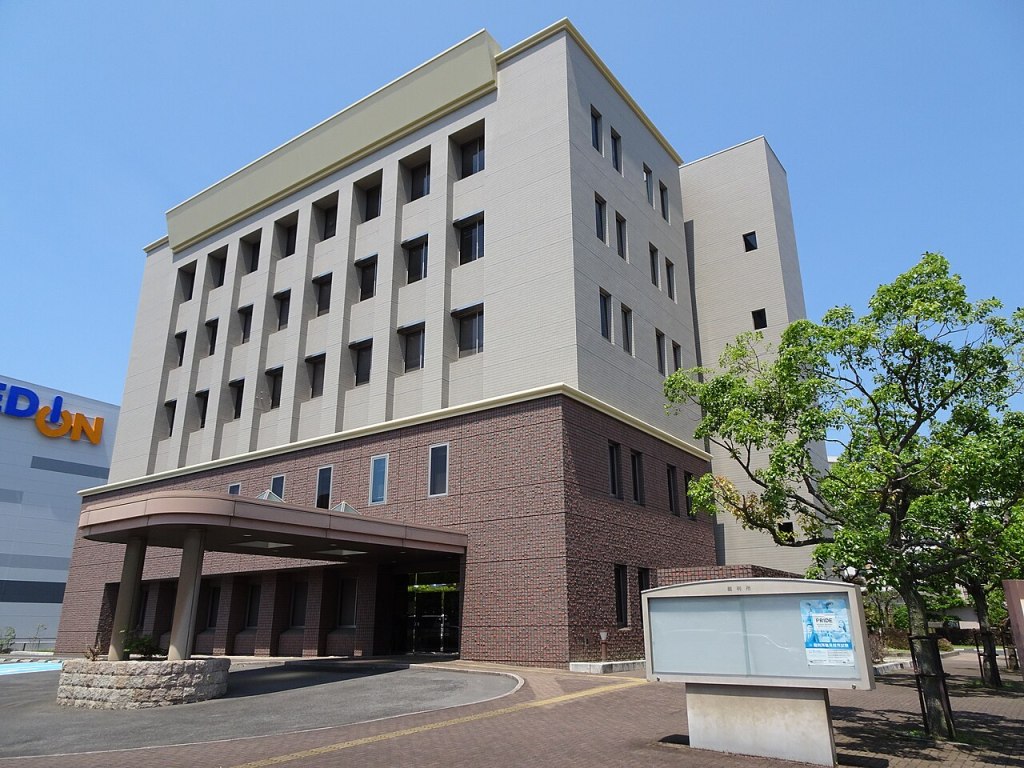
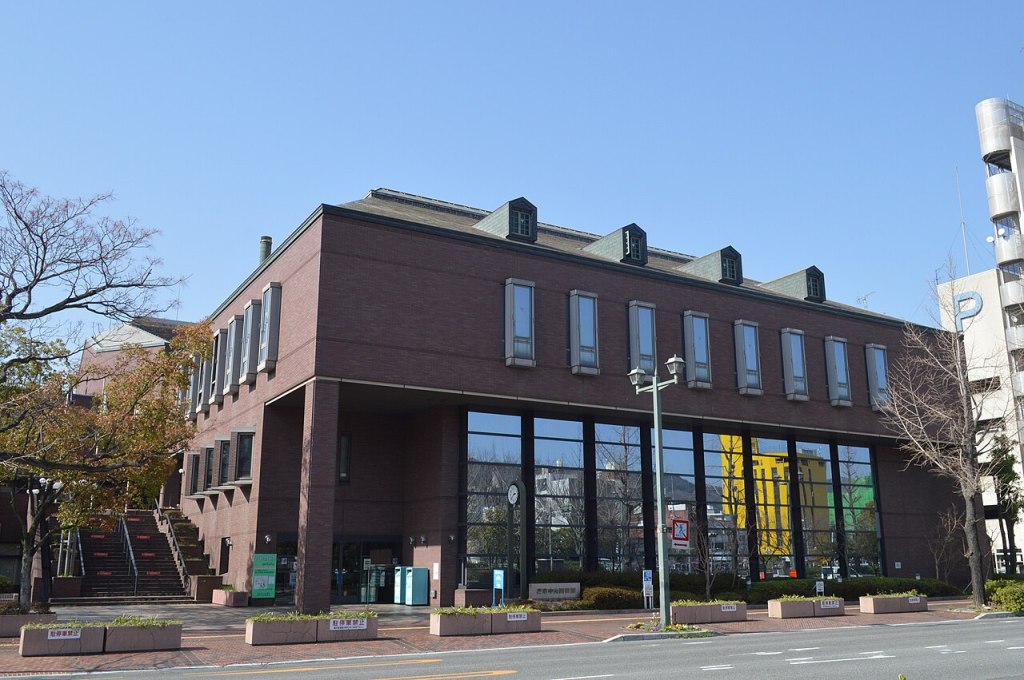
Naval museums
Exhibits on ships and Kure’s maritime history.
Harbour front
Working port and waterfront walks.
Station centre
Shops, library and civic buildings.
Island views
Inland Sea outlooks from the city.
Food and drink
- H
- i
- r
- o
- s
- h
- i
- m
- a
- –
- s
- t
- y
- l
- e
- o
- k
- o
- n
- o
- m
- i
- y
- a
- k
- i
- a
- n
- d
- s
- e
- a
- f
- o
- o
- d
- n
- e
- a
- r
- t
- h
- e
- s
- t
- a
- t
- i
- o
- n
- a
- n
- d
- h
- a
- r
- b
- o
- u
- r
- .
Getting there and around
- K
- u
- r
- e
- i
- s
- o
- n
- t
- h
- e
- J
- R
- K
- u
- r
- e
- l
- i
- n
- e
- ,
- a
- b
- o
- u
- t
- f
- o
- r
- t
- y
- m
- i
- n
- u
- t
- e
- s
- f
- r
- o
- m
- H
- i
- r
- o
- s
- h
- i
- m
- a
- .
- M
- u
- s
- e
- u
- m
- s
- a
- r
- e
- a
- s
- h
- o
- r
- t
- w
- a
- l
- k
- o
- r
- b
- u
- s
- r
- i
- d
- e
- f
- r
- o
- m
- K
- u
- r
- e
- s
- t
- a
- t
- i
- o
- n
- .
Where to stay
- B
- u
- s
- i
- n
- e
- s
- s
- h
- o
- t
- e
- l
- s
- n
- e
- a
- r
- t
- h
- e
- s
- t
- a
- t
- i
- o
- n
- a
- r
- e
- c
- o
- n
- v
- e
- n
- i
- e
- n
- t
- .
Best time to visit
- S
- p
- r
- i
- n
- g
- a
- n
- d
- a
- u
- t
- u
- m
- n
- a
- r
- e
- c
- o
- m
- f
- o
- r
- t
- a
- b
- l
- e
- .
- S
- u
- m
- m
- e
- r
- i
- s
- h
- o
- t
- a
- n
- d
- h
- u
- m
- i
- d
- .
- W
- i
- n
- t
- e
- r
- i
- s
- m
- i
- l
- d
- .
Practical tips
- Museum tickets and hours vary; check ahead.
- Some exhibits are popular with school groups.
- Harbour areas are working land.
Suggested day-trip outline
- Morning: train from Hiroshima.
- Late morning: naval museum area.
- Lunch: near the harbour.
- Afternoon: waterfront and city centre.
- Late afternoon: library area or viewpoint.
- Evening: back to Hiroshima or stay over.
Before you go
Timetables, fares, admission fees, and seasonal access rules can change. Check the official tourism and transport sites linked below for the latest information before you travel.
Explore More of Japan
Published guides that pair with this one:
- Mihara Travel Guide: A Castle Town on the Seto Inland Sea
- Fuchu Travel Guide: A Quiet Bingo Town in Hiroshima
- Etajima Travel Guide: Naval History on a Seto Island
- Shobara Travel Guide: Plateau Country in Northern Hiroshima
- Mitarai Travel Guide: The Old Port Town of Osaki Shimojima
Browse every Chugoku guide on this site for the rest of the region.
Sources
- city.kure.lg.jp (checked 2026-11-08)
- pref.hiroshima.lg.jp (checked 2026-11-08)


Leave a Reply