A practical English guide to Shobara in Hiroshima: the plateau landscapes, the old town and access from Hiroshima and Okayama.
Operational details such as opening hours, admission fees, and train times can change. Prefer official pages and reconfirm before you travel (sources checked on 07 November 2026).
Why visit
- Shobara is a city in the mountains of northern Hiroshima, on a high plateau of farms, forests and small valleys. It was a castle town, and the remains of the castle hill and the old streets are still at the centre, but the real character of the place is the surrounding landscape.
- The plateau is known for its cattle, soba and dairy, and for the scenery of rolling fields and forest that changes with the seasons. There are hot springs, waterfalls and limestone caves in the surrounding area, and quiet roads for driving.
- Shobara is far enough from the cities to feel remote, and it makes a good base for the northern part of Hiroshima prefecture, between the Chugoku mountains and the Japan Sea side.
Top places and highlights
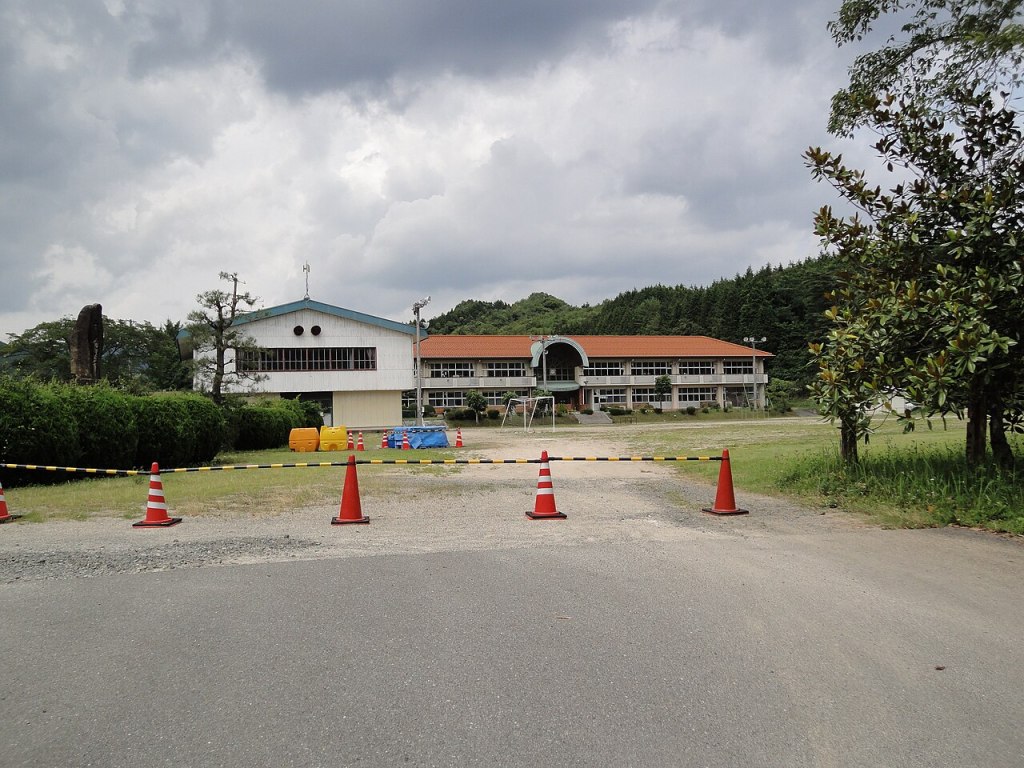
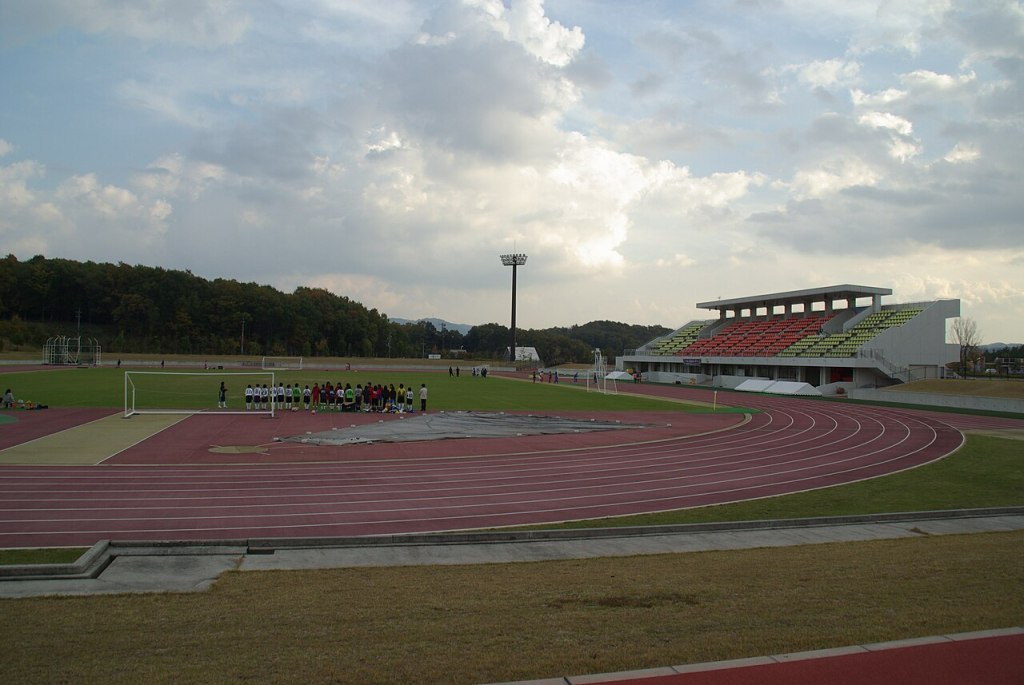
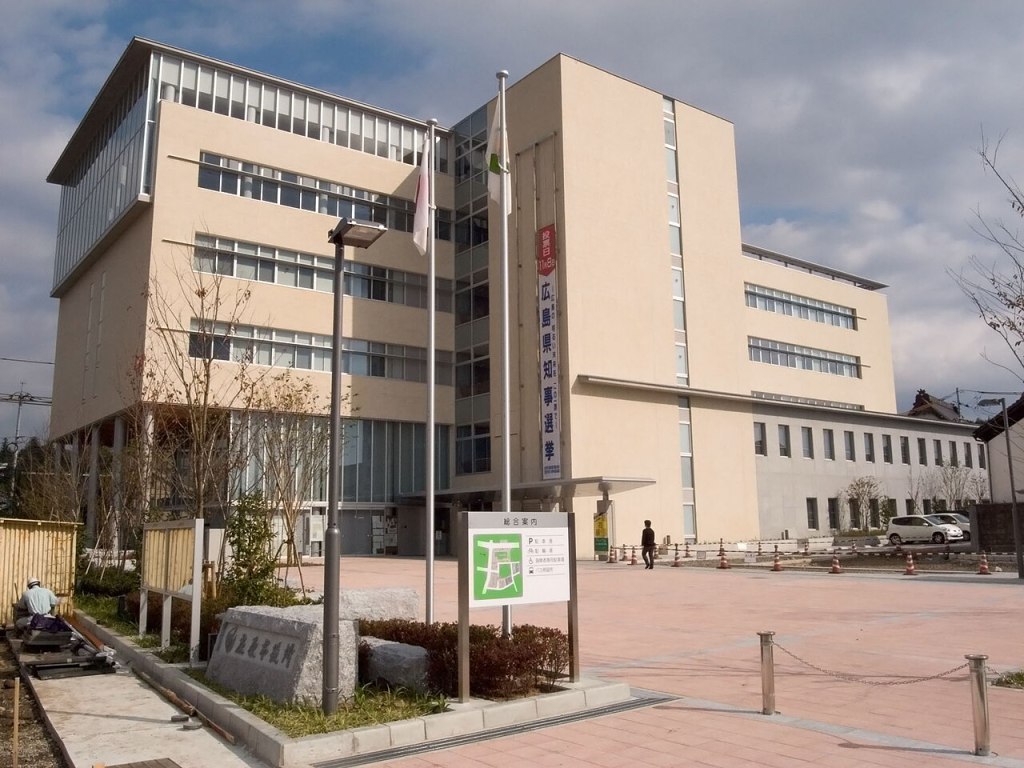
Plateau landscape
Rolling fields, forest and cattle country around the city.
Castle hill and old streets
The remains of the castle and the old town centre.
Hot springs and caves
Onsen and limestone caves in the surrounding valleys.
Local food
Soba, beef and dairy from the plateau.
Food and drink
- H
- i
- r
- o
- s
- h
- i
- m
- a
- f
- o
- o
- d
- i
- s
- t
- h
- e
- r
- e
- f
- e
- r
- e
- n
- c
- e
- ,
- b
- u
- t
- S
- h
- o
- b
- a
- r
- a
- h
- a
- s
- i
- t
- s
- o
- w
- n
- p
- l
- a
- t
- e
- a
- u
- c
- o
- o
- k
- i
- n
- g
- :
- s
- o
- b
- a
- ,
- b
- e
- e
- f
- ,
- d
- a
- i
- r
- y
- a
- n
- d
- m
- o
- u
- n
- t
- a
- i
- n
- v
- e
- g
- e
- t
- a
- b
- l
- e
- s
- .
- T
- h
- e
- c
- i
- t
- y
- h
- a
- s
- s
- m
- a
- l
- l
- r
- e
- s
- t
- a
- u
- r
- a
- n
- t
- s
- a
- n
- d
- f
- a
- r
- m
- s
- h
- o
- p
- s
- ,
- a
- n
- d
- t
- h
- e
- s
- u
- r
- r
- o
- u
- n
- d
- i
- n
- g
- v
- i
- l
- l
- a
- g
- e
- s
- s
- e
- l
- l
- d
- i
- r
- e
- c
- t
- l
- y
- .
Getting there and around
- S
- h
- o
- b
- a
- r
- a
- i
- s
- r
- e
- a
- c
- h
- e
- d
- b
- y
- b
- u
- s
- o
- r
- c
- a
- r
- f
- r
- o
- m
- H
- i
- r
- o
- s
- h
- i
- m
- a
- a
- n
- d
- O
- k
- a
- y
- a
- m
- a
- ,
- w
- i
- t
- h
- t
- h
- e
- j
- o
- u
- r
- n
- e
- y
- t
- a
- k
- i
- n
- g
- a
- r
- o
- u
- n
- d
- t
- w
- o
- h
- o
- u
- r
- s
- ,
- a
- n
- d
- b
- y
- r
- o
- a
- d
- o
- n
- r
- o
- u
- t
- e
- 1
- 8
- 3
- a
- n
- d
- t
- h
- e
- C
- h
- u
- g
- o
- k
- u
- e
- x
- p
- r
- e
- s
- s
- w
- a
- y
- .
- A
- c
- a
- r
- i
- s
- t
- h
- e
- p
- r
- a
- c
- t
- i
- c
- a
- l
- w
- a
- y
- t
- o
- s
- e
- e
- t
- h
- e
- p
- l
- a
- t
- e
- a
- u
- .
Where to stay
- A
- c
- c
- o
- m
- m
- o
- d
- a
- t
- i
- o
- n
- i
- s
- l
- i
- m
- i
- t
- e
- d
- t
- o
- s
- m
- a
- l
- l
- h
- o
- t
- e
- l
- s
- ,
- r
- y
- o
- k
- a
- n
- a
- n
- d
- g
- u
- e
- s
- t
- h
- o
- u
- s
- e
- s
- ,
- w
- i
- t
- h
- s
- o
- m
- e
- o
- n
- s
- e
- n
- o
- p
- t
- i
- o
- n
- s
- .
- I
- t
- i
- s
- a
- q
- u
- i
- e
- t
- b
- a
- s
- e
- f
- o
- r
- t
- h
- e
- s
- u
- r
- r
- o
- u
- n
- d
- i
- n
- g
- c
- o
- u
- n
- t
- r
- y
- s
- i
- d
- e
- .
Best time to visit
- S
- p
- r
- i
- n
- g
- a
- n
- d
- a
- u
- t
- u
- m
- n
- a
- r
- e
- t
- h
- e
- b
- e
- s
- t
- s
- e
- a
- s
- o
- n
- s
- ,
- w
- i
- t
- h
- c
- l
- e
- a
- r
- a
- i
- r
- a
- n
- d
- c
- o
- l
- o
- u
- r
- i
- n
- t
- h
- e
- f
- o
- r
- e
- s
- t
- s
- .
- S
- u
- m
- m
- e
- r
- i
- s
- w
- a
- r
- m
- a
- n
- d
- g
- r
- e
- e
- n
- .
- W
- i
- n
- t
- e
- r
- i
- s
- c
- o
- l
- d
- ,
- w
- i
- t
- h
- s
- n
- o
- w
- o
- n
- t
- h
- e
- p
- l
- a
- t
- e
- a
- u
- .
Practical tips
- Public transport is sparse; a car is almost essential.
- Some caves and onsen have seasonal closures.
- Mountain roads can close in snow.
Suggested day-trip outline
- Morning: drive from Hiroshima or Okayama.
- Late morning: the castle hill and the old centre.
- Lunch: soba or beef at a local restaurant.
- Afternoon: a drive across the plateau.
- Late afternoon: an onsen or a cave.
- Evening: dinner in town or at the inn.
Before you go
Timetables, fares, admission fees, and seasonal access rules can change. Check the official tourism and transport sites linked below for the latest information before you travel.
Explore More of Japan
Published guides that pair with this one:
- Etajima Travel Guide: Naval History on a Seto Island
- Mihara Travel Guide: A Castle Town on the Seto Inland Sea
- Maniwa Travel Guide: Highlands, Onsen and Waterfalls in Okayama
- Masuda Travel Guide: Iwami Kagura and the Shimane Coast
- Yanai Travel Guide: Goldfish Lanterns on the Seto Inland Sea
Browse every Chugoku guide on this site for the rest of the region.
Sources
- city.shobara.hiroshima.jp (checked 2026-11-07)
- hiroshima-navi.or.jp (checked 2026-11-07)


Leave a Reply