A practical English guide to Mitarai in Hiroshima: the old port town, the theatre, the merchant houses and access by ferry.
Operational details such as opening hours, admission fees, and train times can change. Prefer official pages and reconfirm before you travel (sources checked on 05 November 2026).
Why visit
- Mitarai is a small port town on Osaki-Shimojima, an island in the Seto Inland Sea south of Hiroshima, and it looks as if the shipping boom of the eighteenth century stopped here and never left. The lanes are narrow, the houses are dark timber, and the stone steps run up the slope between them to a handful of temples and a view over the strait.
- The town grew rich on the Kitamaebune, the northern ships that carried rice, salt and goods around the coast, and the merchants built houses and a theatre with the proceeds. The historic district is protected as a preservation area, and the result is not a museum but a lived-in town of about a few hundred people, with a school, a post office and a shop or two among the old buildings.
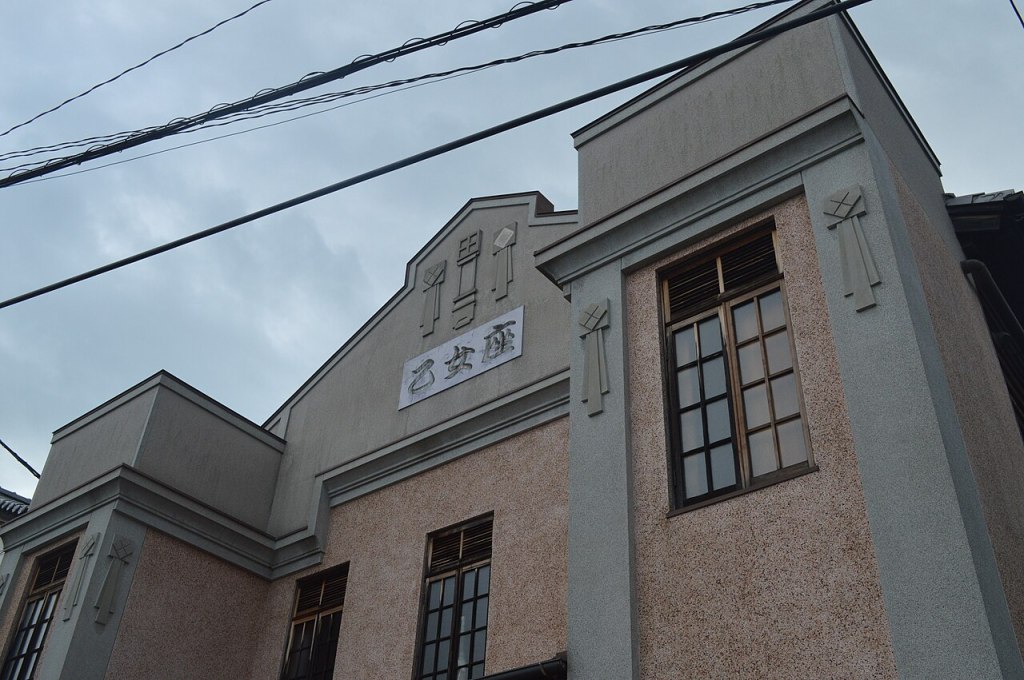
- The most surprising building is the Otomeza, a wooden theatre from the 1930s that still has its stage, its wooden benches and its hand-painted scenery, and still hosts performances. It is the kind of place that would be a museum anywhere else, and here it is simply the hall the town uses.
- The setting alone justifies the ferry ride. The island is quiet, the water is close on both sides, and the pace is set by the boats rather than the trains. It is a good day from Hiroshima or Mihara, and a good place to stay if you want to see the Seto Inland Sea without the crowds of the better-known islands.
Top places and highlights
The historic townscape
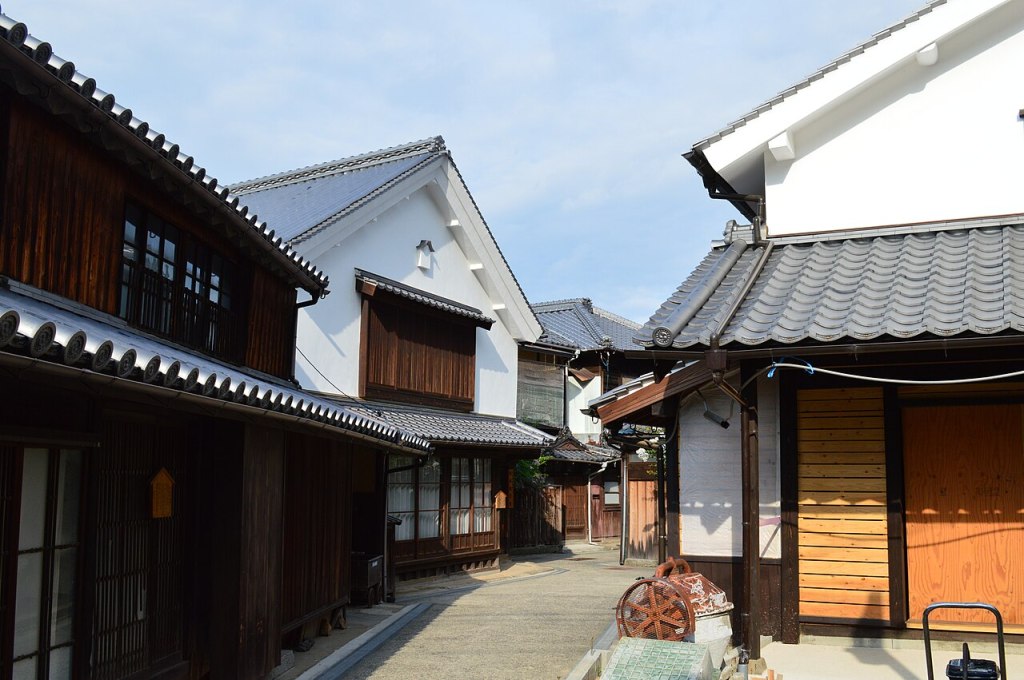
The preservation district covers the old merchant quarter, where the houses are built close to the lane with wooden lattices, deep eaves and second floors that overhang the street. Many are private homes, but the exterior is what you come for, and the lanes are short enough to walk slowly in an hour. Look for the small details: the shop signs, the stone steps between levels and the way the houses turn their backs on the hill and their faces to the sea.
The Otomeza theatre
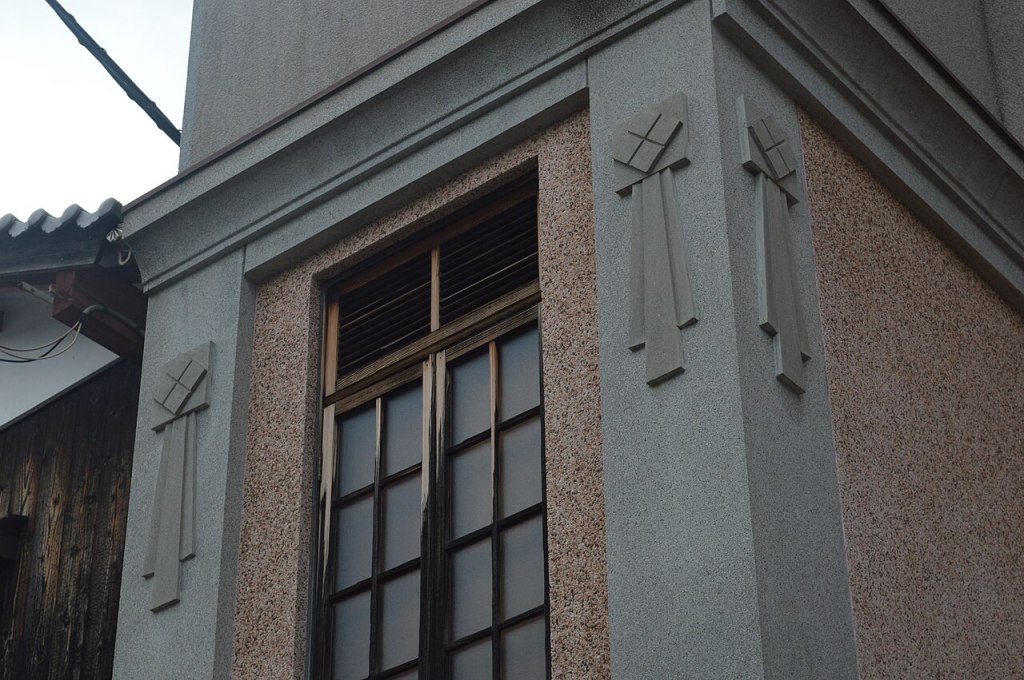
Built in the 1930s, the Otomeza is a wooden playhouse with a sloping floor, a small stage and rows of benches rather than seats, and it has been kept in use rather than restored into a showpiece. The painted backdrops, the clock above the stage and the worn boards give it an atmosphere that no reconstruction can copy. If a performance is scheduled during your visit, go; otherwise the building can usually be seen when it is open, and it is the highlight of the town.
The temples on the slope
Several temples stand above the town, reached by steep stone stairs between the houses, and from their grounds the view opens over the roofs to the water and the islands beyond. They are small and quiet, with old trees and graves, and they are part of the everyday life of the place rather than visitor attractions. The climb is short but sharp, and the reward is the best view in Mitarai.
The harbour and the boats
The harbour is the reason the town exists, and it is still working: small ferries, fishing boats and the occasional cargo vessel come and go, and the seawall is where people sit in the evening. The water is calm and shallow, the islands are close, and the light changes through the day. Watch the ferry arrive and you see the whole rhythm of the place in a few minutes.
The lanes at dusk
Mitarai is at its best in the late afternoon, when the light comes low along the lanes and the stone walls and timber facades turn gold. Very few visitors stay the night, so the town empties out and the sound of the water carries. Walking the same streets you saw in the morning, with the lamps coming on and the ferries finished, is the reason to sleep here rather than rush back.
Setouchi seafood
The sea around the island produces oysters, octopus, sea bream and small fish that are served simply in the local restaurants: grilled, simmered or as sashimi with a little soy. Hiroshima lemons grow on the neighbouring islands and appear in drinks and desserts. The cooking here is domestic rather than chef-driven, and the ingredients are the point.
The ferry crossing
The boat from Mihara takes about forty minutes and threads between islands the whole way, past fish farms, small harbours and wooded slopes that come down to the water. On a clear day the crossing is as good as the destination, and it is the only way to understand how the Seto Inland Sea works as a place: a network of short hops rather than a single view. Stand at the back of the boat for the best of it.
Food and drink
- Oysters from the Seto Inland Sea are served grilled, fried and raw in season, and the local restaurants keep them simple.
- Octopus and sea bream are the everyday catch, and they appear as sashimi, simmered dishes and rice bowls.
- Hiroshima lemons, grown on the neighbouring islands, turn up in drinks, dressings and desserts.
- The town has only a few places to eat, and some close early, so plan lunch rather than arriving hungry in the afternoon.
- Hiroshima okonomiyaki, with its layer of noodles, is the city dish and worth eating before or after the ferry.
Getting there and around
- The usual route is the ferry from Mihara port, which is a stop on the Sanyo Shinkansen, and the crossing takes around forty minutes with a limited number of sailings each day.
- From Hiroshima, the shinkansen or a rapid train reaches Mihara in about thirty minutes, and the port is a short bus or taxi ride from the station.
- Some ferries also connect the island with other ports in the Seto Inland Sea, which allows a route in one direction and out another.
- The town itself is small enough to walk, and the lanes and stairs are the only transport you need once you arrive.
- A car can be brought over on the car ferry, but the streets in the historic district are narrow and parking is limited.
Where to stay
- A handful of small guesthouses and converted houses offer rooms in the historic district, and they are the reason to stay the night.
- The nearest larger hotels are in Mihara and Hiroshima, which suits a day trip but means catching an early ferry back.
- Some island inns on Osaki-Shimojima serve meals and have views over the strait, and they need to be booked ahead.
- Camping is possible on parts of the island in summer, though facilities are basic.
Best time to visit
- Spring is mild and the island is green, with the sea calm and the ferries running reliably.
- Summer is hot and bright, good for the water and the evenings, but the lanes offer little shade at midday.
- Autumn is the best season: clear air, calm water and comfortable walking, with the light at its best in the late afternoon.
- Winter is quiet and can be cold and windy, with fewer ferries and some restaurants closed, but the town is at its emptiest.
Practical tips
- Check the ferry timetable before you plan the day; there are only a few sailings and missing the last one is a real problem.
- The lanes are steep in places and the stairs to the temples are uneven, so wear proper shoes.
- Carry cash, since the small shops and some guesthouses do not take cards.
- Book accommodation and dinner in advance, as the town has very few options and they fill in the warmer months.
- Stay for the evening if you can; the day-trippers leave and the town becomes what it is.
- Do not photograph inside private houses or through open doors, however picturesque the interiors look.
Suggested day-trip outline
- Morning: shinkansen to Mihara, then the ferry across to Mitarai.
- Late morning: the historic lanes and the harbour, then the Otomeza if it is open.
- Lunch: seafood at one of the town’s few restaurants.
- Afternoon: the temple stairs and the view over the strait, then the lanes again in the low light.
- Evening: stay the night, or take the afternoon ferry back to Mihara and continue to Hiroshima.
- Next day: island-hop towards Onomichi or take the train back to Hiroshima for the peace park.
Before you go
Timetables, fares, admission fees, and seasonal access rules can change. Check the official tourism and transport sites linked below for the latest information before you travel.
Explore More of Japan
Published guides that pair with this one:
- Hofu Travel Guide: Tenmangu Shrine and the Mori Clan
- Taishakukyo Gorge Travel Guide: Limestone Cliffs and the Oni Bridge
- Masuda Travel Guide: Iwami Kagura and the Western Shimane Coast
- Izumo Taisha Travel Guide: The Grand Shrine and the Shimane Coast
- Bitchu-Matsuyama Castle Travel Guide: The Mountain Keep above Takahashi
Browse every Chugoku guide on this site for the rest of the region.
Sources
- kure-kankou.jp (checked 2026-11-05)
- hiroshima-navi.or.jp (checked 2026-11-05)


Leave a Reply