A practical English guide to Ofunato in Iwate: the rebuilt harbour, the rias coast and access along Sanriku.
Operational details such as opening hours, admission fees, and train times can change. Prefer official pages and reconfirm before you travel (sources checked on 08 November 2026).
Why visit
- Ofunato is a harbour city on the Sanriku coast of Iwate, rebuilt after the 2011 tsunami with a raised centre, new station facilities and a working fishing port. The surrounding rias coastline is steep and indented, with roads and the Sanriku Railway linking neighbouring towns.
- Visitors come for seafood, for coastal scenery and for a stop on the route between Kesennuma and Miyako. Memorial sites sit alongside everyday harbour life.
- Ofunato is one of the practical bases for central Sanriku.
Top places and highlights
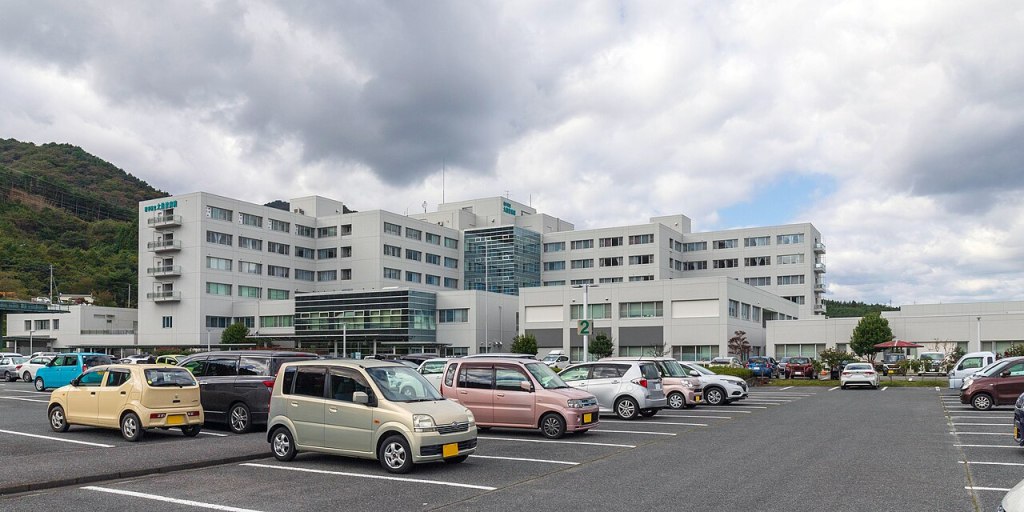
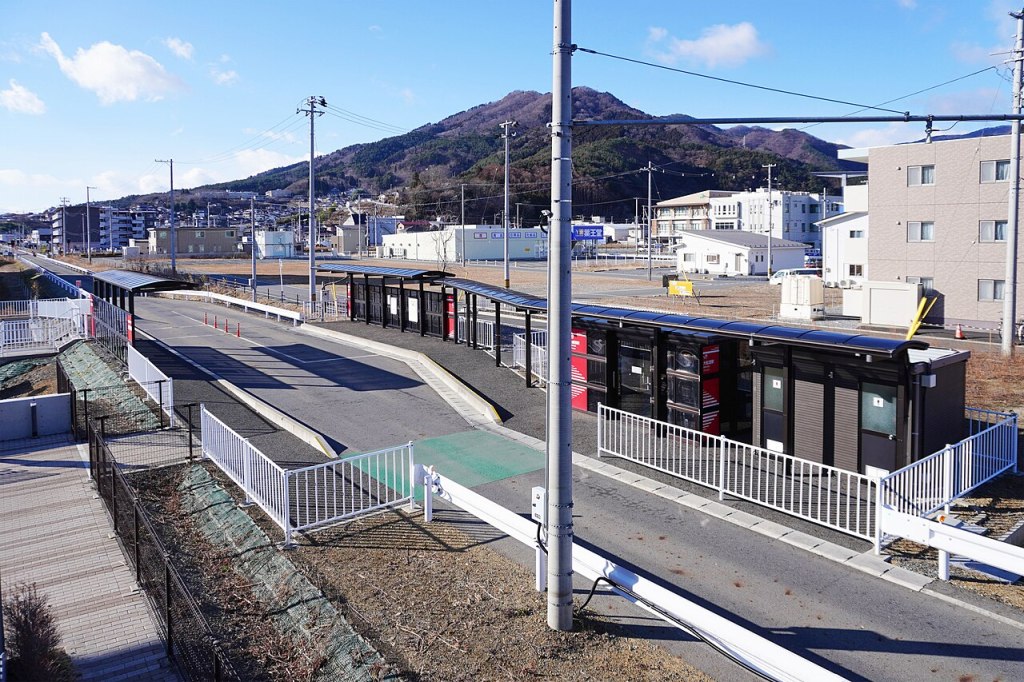
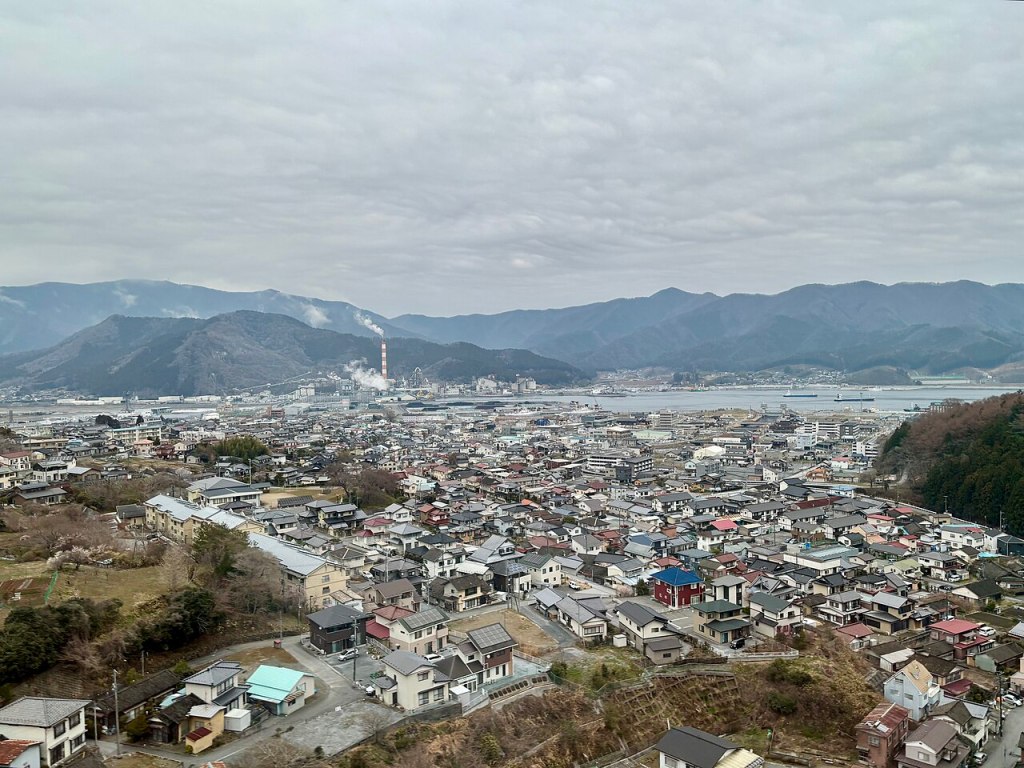
Harbour centre
Rebuilt waterfront and fishing port.
Sanriku rias
Steep inlets and coastal roads.
Station area
The rail hub for local Sanriku services.
Memorial landscape
Sites recording the 2011 disaster and recovery.
Food and drink
- S
- a
- n
- r
- i
- k
- u
- s
- e
- a
- f
- o
- o
- d
- i
- s
- t
- h
- e
- d
- r
- a
- w
- :
- o
- y
- s
- t
- e
- r
- s
- ,
- s
- c
- a
- l
- l
- o
- p
- s
- ,
- f
- i
- s
- h
- a
- n
- d
- r
- i
- c
- e
- .
- R
- e
- s
- t
- a
- u
- r
- a
- n
- t
- s
- c
- l
- u
- s
- t
- e
- r
- n
- e
- a
- r
- t
- h
- e
- s
- t
- a
- t
- i
- o
- n
- a
- n
- d
- h
- a
- r
- b
- o
- u
- r
- .
Getting there and around
- O
- f
- u
- n
- a
- t
- o
- i
- s
- o
- n
- t
- h
- e
- S
- a
- n
- r
- i
- k
- u
- R
- a
- i
- l
- w
- a
- y
- a
- n
- d
- l
- i
- n
- k
- e
- d
- b
- y
- b
- u
- s
- e
- s
- a
- n
- d
- r
- o
- u
- t
- e
- 4
- 5
- .
- C
- o
- n
- f
- i
- r
- m
- c
- u
- r
- r
- e
- n
- t
- r
- a
- i
- l
- a
- n
- d
- b
- u
- s
- t
- i
- m
- e
- s
- b
- e
- f
- o
- r
- e
- t
- r
- a
- v
- e
- l
- .
Where to stay
- B
- u
- s
- i
- n
- e
- s
- s
- h
- o
- t
- e
- l
- s
- a
- n
- d
- s
- m
- a
- l
- l
- i
- n
- n
- s
- a
- r
- e
- a
- v
- a
- i
- l
- a
- b
- l
- e
- .
- B
- o
- o
- k
- a
- h
- e
- a
- d
- i
- n
- s
- u
- m
- m
- e
- r
- .
Best time to visit
- S
- u
- m
- m
- e
- r
- i
- s
- b
- e
- s
- t
- f
- o
- r
- b
- o
- a
- t
- a
- n
- d
- c
- o
- a
- s
- t
- a
- l
- w
- a
- l
- k
- s
- .
- W
- i
- n
- t
- e
- r
- i
- s
- c
- o
- l
- d
- a
- n
- d
- w
- i
- n
- d
- y
- .
Practical tips
- Memorial sites deserve quiet respect.
- Coastal buses are infrequent.
- Harbour weather can change quickly.
Suggested day-trip outline
- Morning: arrive by train or bus.
- Late morning: the harbour and centre.
- Lunch: seafood near the port.
- Afternoon: a coastal viewpoint or short rail hop.
- Late afternoon: memorial sites if open.
- Evening: dinner in Ofunato.
Before you go
Timetables, fares, admission fees, and seasonal access rules can change. Check the official tourism and transport sites linked below for the latest information before you travel.
Explore More of Japan
Published guides that pair with this one:
- Hirono Travel Guide: A Quiet Town on the Sanriku Coast
- Miyako Travel Guide: Jodogahama and the Sanriku Coast
- Rikuzentakata Travel Guide: A Rebuilt Coastal City in Iwate
- Ichinoseki Travel Guide: Shrines and River Country in Southern Iwate
- Kitakami Travel Guide: Cherry Trees and River Country in Iwate
Browse every Tohoku guide on this site for the rest of the region.
Sources
- city.ofunato.iwate.jp (checked 2026-11-08)
- tohokukanko.jp (checked 2026-11-08)


Leave a Reply