A practical English guide to Rikuzentakata in Iwate: the rebuilt centre, the coast and access from Ichinoseki and Kesennuma.
Operational details such as opening hours, admission fees, and train times can change. Prefer official pages and reconfirm before you travel (sources checked on 08 November 2026).
Why visit
- Rikuzentakata is a coastal city in southern Iwate, on Hirota bay, and it was among the places most heavily damaged by the 2011 tsunami. The centre has been rebuilt on raised ground, with new public buildings, parks and a memorial landscape that records what happened.
- Beyond that history, the city is a working coastal town again, with a harbour, beaches and roads into the hills of the Sanriku coast. Visitors come for the memorial sites, for the sea and for the sense of a place that has remade itself.
- Rikuzentakata is reachable from Ichinoseki and Kesennuma, and it is a practical stop on the Sanriku coast route.
Top places and highlights
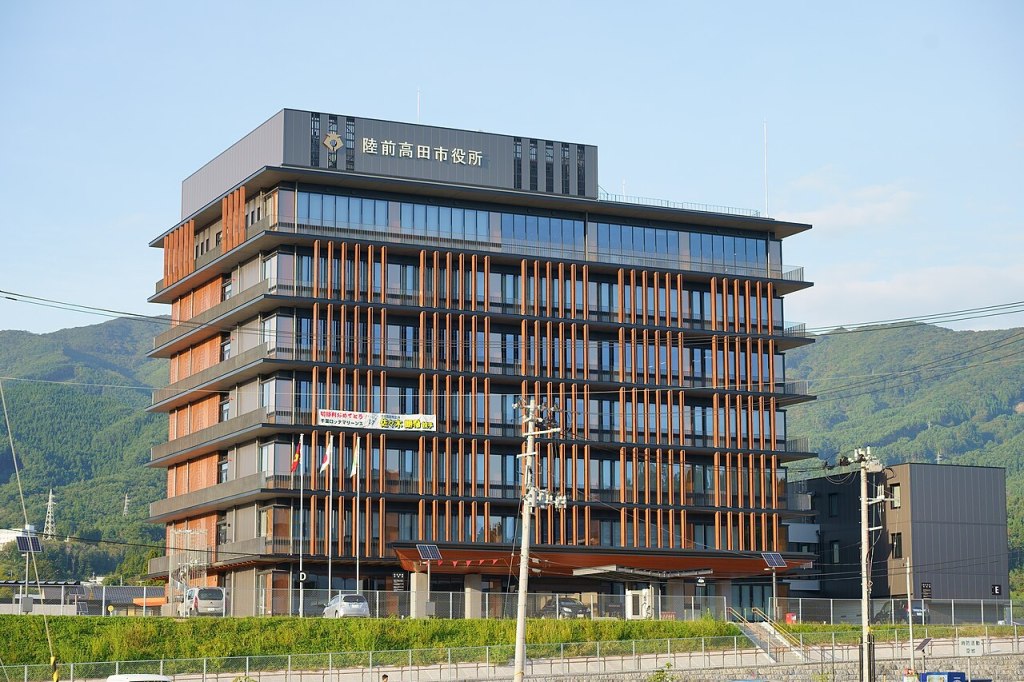
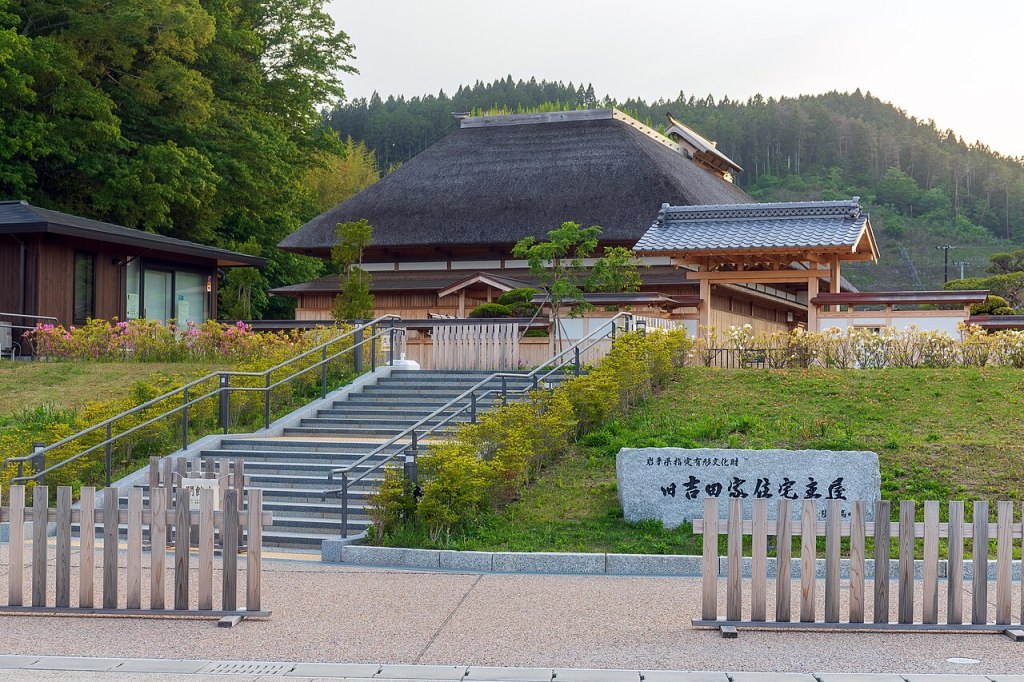
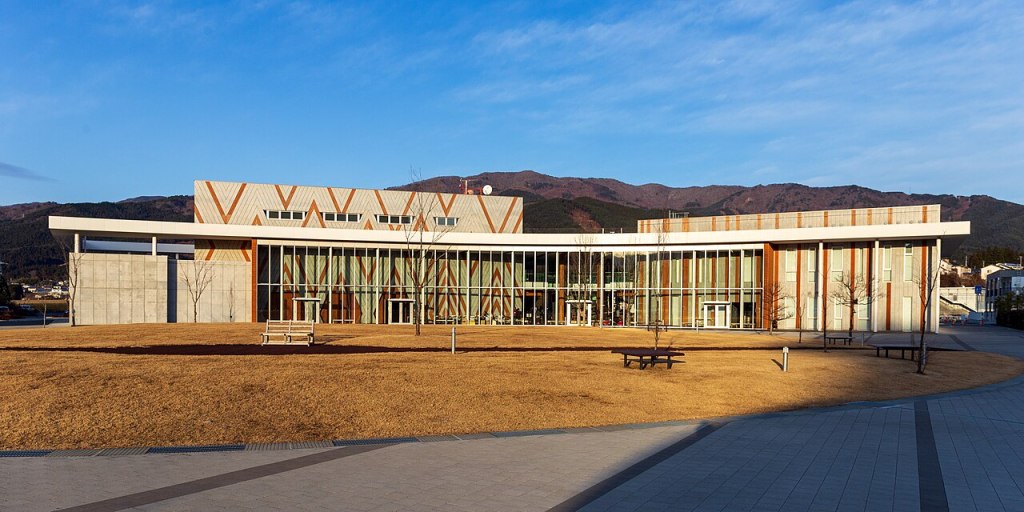
Rebuilt centre
New public buildings and raised ground where the old centre stood.
Memorial sites
Places that record the tsunami and the recovery.
Hirota bay
The harbour and the beaches of the bay.
Sanriku hills
Roads inland to the forested hills of southern Iwate.
Food and drink
- I
- w
- a
- t
- e
- c
- o
- a
- s
- t
- a
- l
- f
- o
- o
- d
- i
- s
- s
- e
- a
- f
- o
- o
- d
- a
- n
- d
- r
- i
- c
- e
- :
- o
- y
- s
- t
- e
- r
- s
- ,
- a
- b
- a
- l
- o
- n
- e
- i
- n
- s
- e
- a
- s
- o
- n
- ,
- f
- i
- s
- h
- a
- n
- d
- s
- o
- b
- a
- .
- R
- i
- k
- u
- z
- e
- n
- t
- a
- k
- a
- t
- a
- h
- a
- s
- r
- e
- s
- t
- a
- u
- r
- a
- n
- t
- s
- n
- e
- a
- r
- t
- h
- e
- c
- e
- n
- t
- r
- e
- a
- n
- d
- t
- h
- e
- h
- a
- r
- b
- o
- u
- r
- ,
- w
- i
- t
- h
- m
- o
- r
- e
- c
- h
- o
- i
- c
- e
- i
- n
- K
- e
- s
- e
- n
- n
- u
- m
- a
- .
Getting there and around
- R
- i
- k
- u
- z
- e
- n
- t
- a
- k
- a
- t
- a
- i
- s
- o
- n
- t
- h
- e
- J
- R
- O
- f
- u
- n
- a
- t
- o
- l
- i
- n
- e
- a
- n
- d
- l
- o
- c
- a
- l
- b
- u
- s
- e
- s
- f
- r
- o
- m
- I
- c
- h
- i
- n
- o
- s
- e
- k
- i
- ,
- a
- n
- d
- i
- s
- r
- e
- a
- c
- h
- e
- d
- b
- y
- r
- o
- a
- d
- o
- n
- r
- o
- u
- t
- e
- 4
- 5
- a
- n
- d
- t
- h
- e
- S
- a
- n
- r
- i
- k
- u
- e
- x
- p
- r
- e
- s
- s
- w
- a
- y
- .
- A
- c
- a
- r
- i
- s
- t
- h
- e
- p
- r
- a
- c
- t
- i
- c
- a
- l
- w
- a
- y
- t
- o
- s
- e
- e
- t
- h
- e
- c
- o
- a
- s
- t
- a
- n
- d
- t
- h
- e
- m
- e
- m
- o
- r
- i
- a
- l
- s
- i
- t
- e
- s
- .
Where to stay
- A
- c
- c
- o
- m
- m
- o
- d
- a
- t
- i
- o
- n
- i
- s
- m
- o
- s
- t
- l
- y
- s
- m
- a
- l
- l
- i
- n
- n
- s
- a
- n
- d
- b
- u
- s
- i
- n
- e
- s
- s
- h
- o
- t
- e
- l
- s
- ,
- w
- i
- t
- h
- m
- o
- r
- e
- c
- h
- o
- i
- c
- e
- i
- n
- K
- e
- s
- e
- n
- n
- u
- m
- a
- a
- n
- d
- I
- c
- h
- i
- n
- o
- s
- e
- k
- i
- .
- B
- o
- o
- k
- a
- h
- e
- a
- d
- i
- n
- p
- e
- a
- k
- s
- e
- a
- s
- o
- n
- s
- .
Best time to visit
- S
- p
- r
- i
- n
- g
- a
- n
- d
- a
- u
- t
- u
- m
- n
- a
- r
- e
- t
- h
- e
- m
- o
- s
- t
- c
- o
- m
- f
- o
- r
- t
- a
- b
- l
- e
- .
- S
- u
- m
- m
- e
- r
- i
- s
- w
- a
- r
- m
- a
- n
- d
- h
- u
- m
- i
- d
- .
- W
- i
- n
- t
- e
- r
- i
- s
- c
- o
- l
- d
- ,
- w
- i
- t
- h
- c
- l
- e
- a
- r
- d
- a
- y
- s
- a
- n
- d
- q
- u
- i
- e
- t
- s
- t
- r
- e
- e
- t
- s
- .
Practical tips
- The memorial sites deal with a serious subject; allow time.
- Some sites close on irregular days.
- Coastal roads can be slow; leave time between stops.
Suggested day-trip outline
- Morning: train or drive from Ichinoseki.
- Late morning: the rebuilt centre and the memorial sites.
- Lunch: seafood near the harbour.
- Afternoon: the bay and the beaches.
- Late afternoon: a drive along the Sanriku coast.
- Evening: dinner in town, or on to Kesennuma.
Before you go
Timetables, fares, admission fees, and seasonal access rules can change. Check the official tourism and transport sites linked below for the latest information before you travel.
Explore More of Japan
Published guides that pair with this one:
- Hirono Travel Guide: A Quiet Town on the Sanriku Coast
- Ichinoseki Travel Guide: Shrines and River Country in Southern Iwate
- Kamaishi Travel Guide: Iron, Bay and Iwate’s Coast
- Ninohe Travel Guide: A Country Town in Northern Iwate
- Oshu Travel Guide: Rice Plains and Hot Springs in Southern Iwate
Browse every Tohoku guide on this site for the rest of the region.
Sources
- city.rikuzentakata.iwate.jp (checked 2026-11-08)
- tohokukanko.jp (checked 2026-11-08)


Leave a Reply