Japan preserved a surprising number of Edo-period streets, and they are not alike: a samurai district of walled compounds, a merchant town of white warehouses, a post town on a mountain road, a port where the houses still wait on the tide. The guides below cover the ones written up on this site, grouped by the kind of town they are.
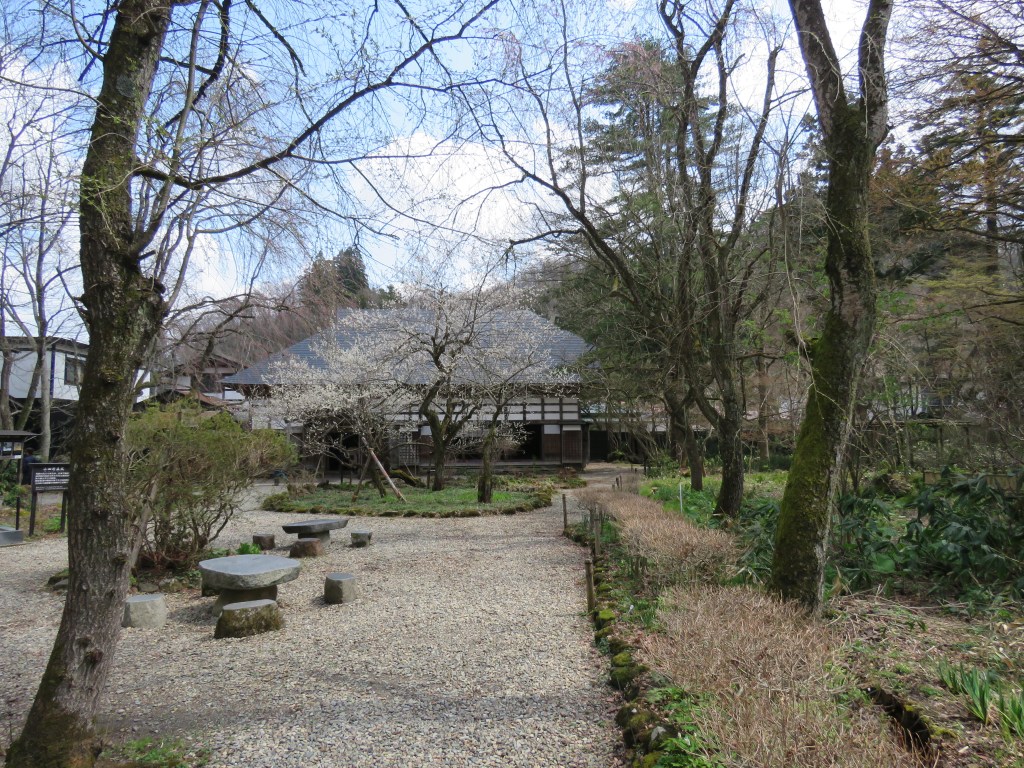
Samurai districts
Where the streets were built for retainers, with gates, walls and garden plots behind them.
- Kakunodate, Akita — six samurai houses open to visitors, and weeping cherries in early May
- Hirosaki, Aomori — the castle park, and the old town streets below it
- Aizu-Wakamatsu, Fukushima — the castle town, plus sake and lacquer workshops that still work
- Shirakawa, Fukushima — a reconstructed turret and the streets that served it
Post towns and mountain roads
Staging points on the old highways, often one street with a preserved frontage.
- Magome and Tsumago — two Nakasendo post towns with a forest trail between them
- Takayama, Gifu — Hida merchant streets, morning markets, and sake breweries on the same blocks
- Kawagoe, Saitama — kurazukuri warehouses, close enough to Tokyo for a half day
- Gujo Hachiman, Gifu — water channels running along the house fronts, and a summer dance
Merchant and canal towns
Built on trade: warehouses, canals and the houses of people who could afford both.
- Kurashiki, Okayama — the Bikan quarter, white walls, and the Ohara Museum
- Sawara, Chiba — the Onogawa canal, soy sauce warehouses, and the float festival
- Otaru, Hokkaido — canal warehouses from the herring trade, now glass and sweets
- Onomichi, Hiroshima — temple walks on a hillside above the strait
- Tomonoura, Hiroshima — a port that still waits for the tide, with old houses above the water
- Omori, Iwami Ginzan — the town that ran a silver mine, now a World Heritage site
Be aware of what preservation means in practice: some of these streets are original buildings, some are faithfully rebuilt after fires, and some are a single conserved block inside a normal modern town. Each guide says which, because it changes whether the place is worth a detour.


