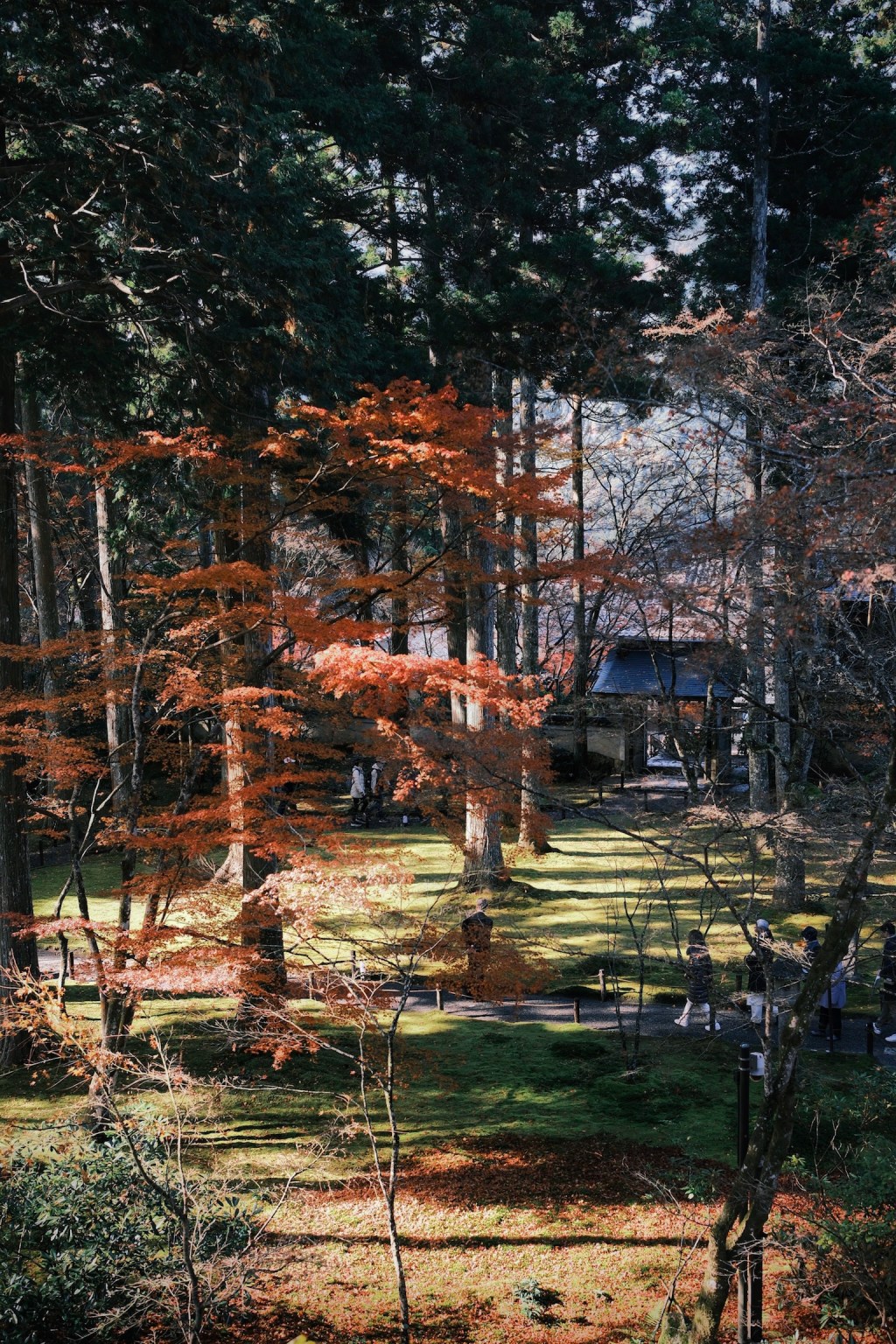
Ohara, in Kyoto’s Sakyo ward, is a mountain-village day north of the city: Sanzen-in gardens, quiet lanes, and Kyoto Bus links rather than a subway stop at the temple gate. This English guide helps international travelers plan a realistic Ohara day—without inventing fares, minutes, or hours.
Operational details such as opening hours, admission fees, and transit times can change. Prefer official pages and reconfirm before you travel (sources checked on 17 October 2026).
Why visit
- Sanzen-in concentrates Ohara’s temple atmosphere into gardens, halls, and a short walk from the bus stop—useful when central Kyoto feels crowded.
- The village sits in the hills northeast of the city, so the day feels separate from Gion or Arashiyama even though you start from the same Kyoto base.
- Kyoto Travel and the temple’s English pages both describe bus approaches. Treat those notes as orientation, then reconfirm the live Kyoto Bus route before you leave.
Top places
Sanzen-in Temple
Sanzen-in (Sanzen-in Monzeki) is the center of an Ohara day. The temple’s English site describes Ohara’s older name Gyozan, its link to Buddhist chant (shomyo), and a hermitage associated with Saicho when Enryaku-ji was founded on Mt. Hiei. The grounds include Shuheki-en and Yusei-en gardens, Ojo-Gokuraku-in (the Amida hall), warabe-jizo statues, and Konjiki Fudo hall. Kyoto Travel highlights the moss garden, tall cedars, carp ponds, and a statue of Amida with two kneeling attendants, and notes that autumn color draws large crowds.
The official English visitor guide publishes seasonal opening windows, age-based admission, and a note that the temple is open all year. Those figures change—reconfirm on the English visitor page before you go. The same page gives the address as 540 Raigoin-cho, Ohara, Sakyo-ku, Kyoto.
Sanzen-in does not have a parking lot on the grounds. The visitor guide points drivers to city lots or temporary private spaces near the approach.

Photo: Chi King · CC BY 2.0 · Wikimedia Commons · Modification: none intentional

Photo: Charlie fong · CC BY-SA 4.0 · Wikimedia Commons · Modification: none intentional

Photo: Charlie fong · CC BY-SA 4.0 · Wikimedia Commons · Modification: none intentional
Ohara village paths
The walk between the Ohara bus stop and Sanzen-in is part of the day, not a transfer to skip. The temple’s English access note describes it as an approximately 10-minute walk—reconfirm the signed route on the day. Kyoto Travel’s Ohara area page frames Yase and Ohara as riverside mountain country with historic temples. Stay on public lanes; do not enter private yards or marked staff areas for photos.
Shops along the approach sell local pickles and souvenirs. Kyoto Travel’s Ohara specialties page describes shiba-zuke and “Ohara vegetables” as local food culture. Treat any shop’s hours as unconfirmed until you see a notice or an official page.
Jakko-in Temple (optional, same village)
Kyoto Travel’s Sanzen-in page says a visit can be combined with nearby Jakko-in, a quiet convent tied in tradition to Empress Dowager Kenrei Mon’in. The temple’s own site lists 676 Kusao-cho, Ohara, Sakyo-ku. Kyoto Travel’s longer Ohara essay places Jakko-in in the opposite direction from Sanzen-in once you are back at the bus stop, through the village. That is a second walk, not a next-door gate. Reconfirm admission and the walking route on Jakko-in’s site and Kyoto Travel’s Jakko-in page before you add it.
Short mention: Hosen-in
Kyoto Travel also lists Hosen-in in Ohara and describes garden viewing with green tea included with admission. Keep it optional after Sanzen-in. Reconfirm whether that tea arrangement is still offered, and do not assume it replaces a meal.
Getting there and around
There is no train station in the Ohara village center. Plan on Kyoto Bus, then walk. Two official write-ups name different route numbers. Use them as a map of options, then reconfirm the live bus before departure.
From Kyoto Station (temple English page): Route 17 bound for Ohara from Kyoto Bus Stop C3, in front of the Central Gate entrance. The page describes the ride as about one hour, then an approximately 10-minute walk from the Ohara stop to Sanzen-in.
From Kyoto Station via subway (Kyoto Travel): Karasuma Line to Kokusaikaikan (about a 20-minute ride on that page), then Kyoto Bus No. 19 from street level to the last stop for Ohara. Kyoto Travel says the whole ride is about 56 minutes from Kyoto Station and that the time varies. The temple’s English page instead describes a Kyoto Bus from Kokusaikaikan Bus Stop 3 bound for “Ohara, Kodeishi,” with a shorter bus segment and the same approximately 10-minute walk. Do not blend those into one timetable.
From Shijo Kawaramachi (Kyoto Travel): Keihan Railway north to Demachiyanagi, then Kyoto Bus No. 17 to the Ohara last stop. That page gives about 7 minutes on Keihan and about 33 minutes on the bus depending on traffic. It also says a direct bus from Shijo exists but is not recommended because the time is hard to predict.
Kyoto Travel’s specialties page adds that Kyoto Bus runs direct service toward Ohara from Kyoto Station, Shijo Kawaramachi, and Kokusaikaikan. Fares are not repeated here—confirm payment (cash, IC card, or pass rules) with Kyoto Bus on the day. Ohara is a mountain ride; do not assume a flat central-Kyoto bus fare.
Walking in the village: Sanzen-in is the short walk from the bus stop described above. Jakko-in is a separate direction. Hills and steps appear at both temples.
Taxis and cars: la bûche’s access page says taxis are not stationed in Ohara and asks guests who need a return taxi to request it when booking. Sanzen-in has no on-site parking. Seryo’s English access page warns that the walking path it marks from the bus terminal is too narrow for cars. If you drive, follow each venue’s own parking note.
Mt. Hiei / Enryaku-ji appears on Kyoto Travel’s Ohara area page because the mountains connect, but it is a different visit. Do not stack it onto a full Sanzen-in day.
Suggested itinerary
One flexible Ohara day
- Ride Kyoto Bus to the Ohara stop after reconfirming the route from Kyoto Station, Kokusaikaikan, or Demachiyanagi.
- Walk to Sanzen-in and see the gardens and halls that are open that day.
- Stroll the public approach. If you reserved lunch, go then—la bûche and Restaurant Hinasato both ask for reservations on at least some menus.
- Optional: walk the other way through the village to Jakko-in only if energy and return-bus time remain. Hosen-in is a further optional garden stop, not a required third temple.
- Return toward central Kyoto. Reconfirm the last useful bus if you are eating late.
This is a pacing outline, not a timetable.
Where to Eat
A short list of places with official pages. Menus, hours, and closed days change—reconfirm before you go.
la bûche
Budget fit: Upscale Cuisine: French courses using Ohara ingredients, with natural wine
Wood-fired French restaurant in Ohara. The official site describes chef’s-choice courses built around local produce. The access page gives a street address a short walk from the Ohara bus stop and states there is no restaurant parking.
What to try:
- Chef’s-choice course (confirm the current menu)
- Natural wine pairings when offered
Address: 400-3 Raigouin-cho, Ohara, Sakyo-ku, Kyoto 601-1242 Access: Official access page: about a 3-minute walk from the Kyoto Bus Ohara stop—reconfirm. Kyoto Bus approaches from Kyoto Station, Shijo Kawaramachi, and Kokusaikaikan are noted there. Hours (confirm): Lunch and dinner windows are published on the official access page—reconfirm before you book. Booking tip: Contact the restaurant ahead. If you need a taxi back, the access page asks you to raise that when booking. Official site: http://www.labuche-ohara.com/
Restaurant Hinasato (at Seryo)
Budget fit: Upscale Cuisine: Vegetable-forward kaiseki and lunch sets
Seryo’s English cuisine page presents Restaurant Hinasato for the ryokan’s signature courses, Kyoto sake, and lunch menus such as yuba kaiseki and bento-style sets. It also says the restaurant may be closed depending on the season, and that some lunch courses require a reservation.
What to try:
- Seasonal vegetable kaiseki or the lunch set listed that day (confirm)
- Kyoto sake when offered with the course
Address: Sanzen-in, Ohara, Sakyo-ku, Kyoto (wording on Seryo’s English access page) Access: On the hill beside Sanzen-in. Seryo’s bus note follows a walking path from the Ohara stop that is not for cars. Hours (confirm): Seasonal closures are flagged on the cuisine page—reconfirm by phone before a day-trip lunch. Booking tip: Reserve lunch courses that the page marks as reservation-required. Phone on the access page: 075-744-2301. Official site: https://www.seryo.co.jp/en/cuisine.html
Onomiyasu Ohara
Budget fit: Budget-friendly Cuisine: Japanese cafe meals (tofu set meals, noodles, rice bowls)
The company’s official restaurant page lists a Japanese-style cafe inside Morizen, facing Sanzen-in, with sample set meals and noodle dishes. The Ohara shop section does not print a weekly timetable—reconfirm hours before you detour.
What to try:
- Yudofu set meal when listed (confirm)
- Udon or soba dishes on the sample menu (confirm)
Address: 601-1241, 28 Ohara Shorinin-cho, Sakyo-ku, Kyoto (official page: 京都市左京区大原勝林院町28, facing Sanzen-in, inside Morizen) Access: Official page places it in front of Sanzen-in, so it sits on the temple approach rather than at the bus stop. Booking tip: The page asks groups to reserve ahead and mentions a same-day cancellation charge—reconfirm that policy. Walk-in rules for small parties are not stated here. Official site: https://www.onomiyasu.co.jp/restaurant.html
Where to Stay
Ohara inns below are for travelers who want to sleep in the village. Many people day-trip from central Kyoto instead. Rates and room types change—reconfirm on each official site.
Seryo
Budget fit: Upscale Stay type: Hot-spring ryokan beside Sanzen-in
English pages describe nine Japanese, Western, or tatami rooms facing a garden, indoor and open-air baths, and vegetable kaiseki. The ryokan states it sits on the hill next to Sanzen-in.
Why stay here:
- Walk to Sanzen-in without a second bus
- Onsen baths on the official springs page (confirm guest rules)
- English reservation pages
Address: Sanzen-in, Ohara, Sakyo-ku, Kyoto City Access: Kyoto Bus to Ohara, then the walking route on Seryo’s access map. That path is marked as too narrow for cars. Drivers are told to navigate to Ohara Sanzen-in and use the ryokan’s own car directions. Booking tip: Book on the official site when possible. The access page lists a daytime phone window—reconfirm before you call. Official site: https://www.seryo.co.jp/en/
Ohara Sanso
Budget fit: Midrange Stay type: Hot-spring minshuku near Jakko-in
The English page describes non-smoking Japanese-style rooms with shared bathrooms, futons you set out yourself, hot-pot dinners, and a cafe with a hot-spring foot bath. It places the inn about 100 metres from Jakko-in and about 1.5 km from Sanzen-in.
Why stay here:
- Quieter Jakko-in side of the village
- Indoor and open-air hot-spring baths (confirm day-use rules separately)
- Official English information page
Address: 17 Kusao-cho, Ohara, Sakyo-ku, Kyoto 601-1248 Access: Official page: about 15 minutes on foot from the Ohara stop on Kyoto Bus, and a call-for-pickup note once you arrive at that stop. Reconfirm which route number is running. Booking tip: Shared toilets and self-service futons are stated hotel policy—read them before you book. Check-in and check-out windows are on the same page; reconfirm. Official site: https://www.ohara-sansou.com/english/
Oohara-no-sato
Budget fit: Midrange Stay type: Hot-spring minshuku in Ohara
Official English pages cover onsen baths, rooms, and nabe dishes (miso nabe, and a winter boar version when available). The property is associated with the local miso maker Miso-an. Use it as an Ohara overnight, not as a central-Kyoto hotel.
Why stay here:
- Onsen minshuku inside Ohara
- English pages for baths, meals, and access
- Useful if Seryo or Ohara Sanso is full
Address: 31 Kusao-cyo, Ohara, Sakyo-ku, Kyoto 601-1248 Access: Confirm the bus or car notes on the official English access page before arrival. Booking tip: Winter boar nabe is seasonal on the cuisine page—reconfirm if that dish is why you are booking. Official site: https://www.oohara-no-sato.co.jp/english/
Day-trip alternative: stay in central Kyoto
Budget fit: Varies Stay type: City hotel near Kyoto Station, Demachiyanagi, or Shijo Kawaramachi
If village inns are full, sleep in central Kyoto and ride out in the morning. Those three departures match the official access notes above. Reconfirm the last bus if you plan a late dinner in Ohara—this guide does not list last-bus times.
Practical tips
- Autumn crowds: Kyoto Travel says Sanzen-in’s garden draws large crowds for fall color. Go earlier in the day if you can, and still expect company.
- Admission and hours: Use Sanzen-in’s English visitor guide for the current window and fees. Do not rely on a screenshot from a previous trip.
- Photography: Follow posted rules inside halls. Stay off planted moss.
- Shoes and quiet: Temple buildings often require shoe removal where signed. Keep voices low in halls.
- Payments: Do not assume every approach cafe takes cards. Carry some cash and reconfirm at each venue.
- Mobility: Approaches include slopes and steps. The bus-terminal path Seryo describes is narrow.
- Separate days: Jakko-in can fit after Sanzen-in if you start early. Mt. Hiei, Higashiyama, Arashiyama, and Fushimi do not.
Where to Go Next
These are separate days from a Kyoto base, not add-ons to an Ohara bus day.
- Arashiyama and Sagano Travel Guide: Bamboo Grove, Tenryu-ji, and Quieter Temple Paths — a western Kyoto day of river, bamboo, and temples. Plan it on its own day.
- Kyoto Higashiyama Travel Guide: Kiyomizu-dera, Gion Streets, and Walking Routes — an eastern Kyoto walking day around Kiyomizu-dera and Gion. Keep it separate from this Ohara bus day.
- Fushimi Sake District Travel Guide: Breweries, Canals, and a Kyoto Day Trip — southern Kyoto sake-brewery streets. Plan it on its own day.
- Nara Park and Naramachi Travel Guide: Temples, Deer, and Old Town Streets — temples, deer, and Naramachi lanes. Ride it as its own day from Kyoto or Osaka.
- Kurama and Kibune Day Trip from Kyoto: Temples, Forest Trails, and Mountain Air — another northern mountain day; ride it separately from Ohara.
- Uji Travel Guide: Matcha, Byodo-in Temple, and a Day Trip from Kyoto — matcha town south of Kyoto.
Explore More of Japan
Published guides beyond the Kyoto basin:
- Miyajima Travel Guide: Itsukushima Shrine, the Floating Torii, and a Hiroshima Day Trip
- Naoshima Travel Guide: Art Islands, Museums, and the Seto Inland Sea
- Kanazawa Travel Guide: Kenrokuen and Teahouse Districts
Before you go
Ohara is one bus ride and a lot of walking, not a quick add-on after Kiyomizu-dera. Reconfirm the Kyoto Bus route, Sanzen-in’s admission window, and any restaurant reservation the day before. If you add Jakko-in, leave time for the walk back to the stop. Timetables, fares, admission fees, and seasonal access rules can change. Check the official tourism, temple, and venue sites linked below before you travel.
Sources
- Sanzen-in Temple official (English) (checked 2026-10-17)
- Kyoto Travel — Sanzen-in Temple (checked 2026-10-17)
- Kyoto Travel — Comfortable access to Ohara (including Yase) (checked 2026-10-17)
- Kyoto Travel — Ohara area (checked 2026-10-17)
- Kyoto Travel — Ohara’s Specialties and Onsen (checked 2026-10-17)
- Jakko-in official (checked 2026-10-17)
- Kyoto Travel — Jakko-in Temple (checked 2026-10-17)
- Kyoto Travel — Hosen-in Temple (checked 2026-10-17)
- JNTO — Kyoto (checked 2026-10-17)
- JNTO — Sanzenin Temple (checked 2026-10-17)
- Seryo official (English) (checked 2026-10-17)
- Ohara Sanso official (English) (checked 2026-10-17)
- Oohara-no-sato official (English) (checked 2026-10-17)
- la bûche official (checked 2026-10-17)
- Onomiyasu restaurants official (checked 2026-10-17)


Leave a Reply