Cape Ashizuri at the southern end of Shikoku: the lighthouse headland, the Ashizuri-Uwakai coast, the 38th pilgrimage temple, and how to reach it by car or bus.
Operational details such as opening hours, admission fees, and train times can change. Prefer official pages and reconfirm before you travel (sources checked on 31 October 2026).
Why visit
- Cape Ashizuri is the southernmost headland of Shikoku, with an open Pacific view in almost every direction.
- The cape sits inside Ashizuri-Uwakai National Park, so the coast either side is protected and largely undeveloped.
- Kongofuku-ji, temple 38 of the Shikoku pilgrimage, is a short walk from the lighthouse.
- It is quiet. Most Shikoku itineraries stop at Kochi city or Katsurahama, so the far south stays uncrowded.
Top places and highlights
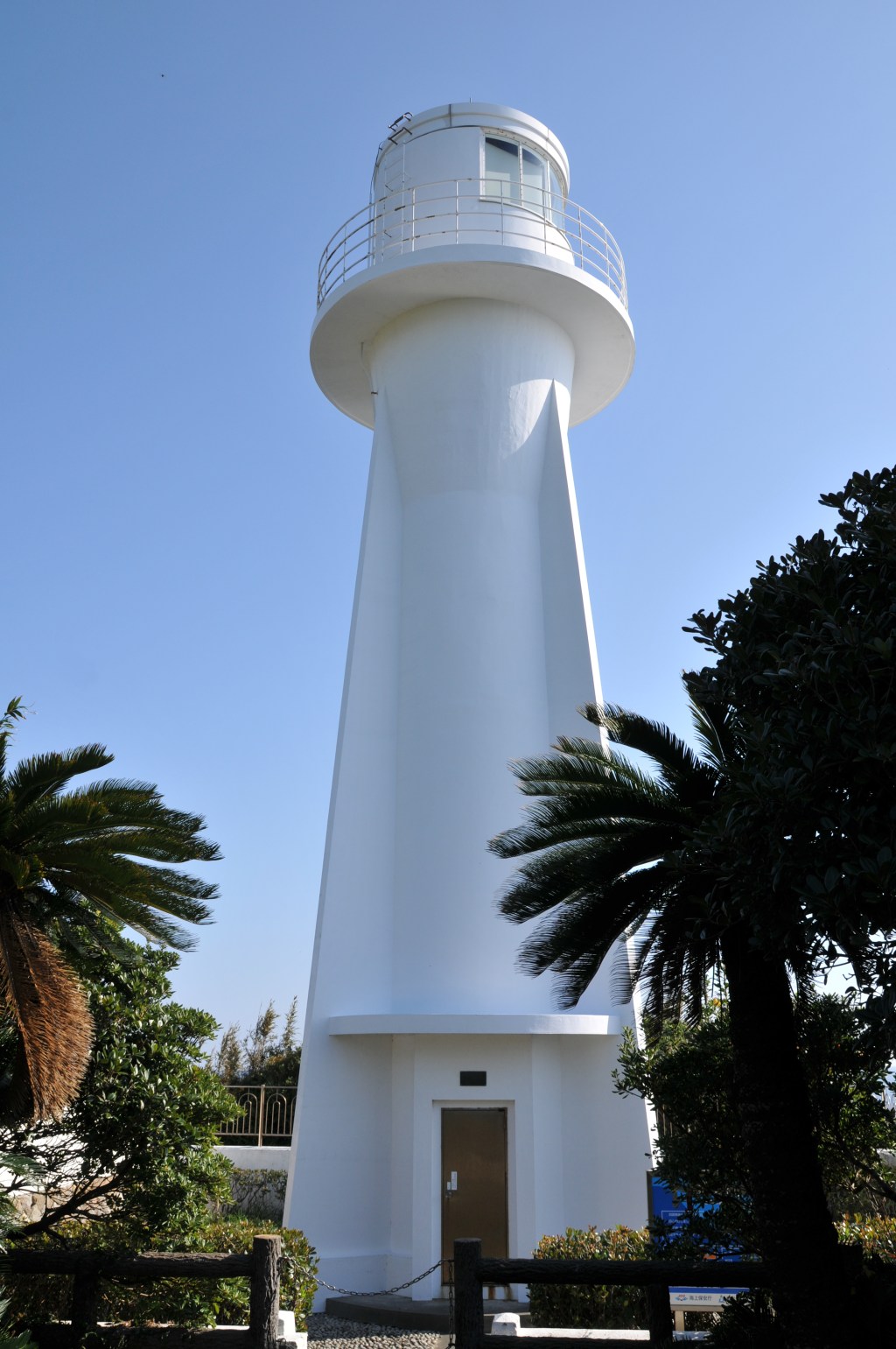
The cape and lighthouse
A paved path leads around the headland past the lighthouse to viewpoints over the cliffs, with the Pacific visible for a wide arc.
Kongofuku-ji
Temple 38 on the 88-temple route, set in trees near the cape, with a main hall and a garden that walking pilgrims reach at the end of a long stage.
Tatsukushi coast
Rock formations and clear water a short drive north of the cape, where a glass-bottomed boat runs in season to show the shallows.
Ashizuri Onsen
Small hot spring hotels near the cape, several with baths facing the sea, which make the long drive worth an overnight.
Food and drink
- Kochi’s signature dish is katsuo no tataki, skipjack tuna seared over straw; it is on menus across Tosashimizu.
- The port town has seafood restaurants serving the day’s catch, plus small shops selling dried fish.
- Local citrus and yuzu products appear in souvenirs along the coast road.
Getting there and around
- By car: roughly three hours from Kochi city along the coast road, with the last stretch on winding cliffside sections; reconfirm the route before setting out.
- By train and bus: JR to Nakamura, then a local bus toward Ashizuri; services are infrequent, so check the current timetable with the operator.
- The cape has parking near the lighthouse, and the paths around the headland are on foot.
- A rental car is the practical way to combine the cape with Tatsukushi and the coast road.
Where to stay
- Ashizuri Onsen has hot spring hotels within walking distance of the cape.
- Tosashimizu and Nakamura have business hotels and minshuku for a cheaper base.
- Booking ahead matters in holiday periods, as the area has a limited number of rooms.
Best time to visit
- Spring and autumn are the most comfortable for walking the headland.
- Summer is hot and humid, and this coast can be affected by typhoons; keep plans flexible.
- Winter is mild compared with the rest of Japan, with strong wind and few visitors.
Practical tips
- Fill up on fuel and cash before the southern stretch, as services thin out.
- Check bus frequency in advance; a missed bus can mean hours of waiting.
- The headland is exposed, so bring a windproof layer even on a warm day.
- Carry a stamp book if you are following the pilgrimage route; temple 38 issues the seal.
Suggested day-trip outline
- Morning: drive from Kochi city or Nakamura toward the cape, stopping at Tatsukushi for the coast formations.
- Midday: walk the headland paths, visit the lighthouse viewpoints and Kongofuku-ji.
- Afternoon: soak at an Ashizuri Onsen bath house before the drive back.
- Night: stay near the cape or return to Nakamura for an earlier start the next day.
Before you go
Timetables, fares, admission fees, and seasonal access rules can change. Check the official tourism and transport sites linked below for the latest information before you travel.
Explore More of Japan
Published guides that pair with this one:
- Cape Muroto Travel Guide: Where the Pacific Meets the Geopark
- Kochi and Katsurahama Guide: The Pacific Coast and Ryoma
- Shimanto River Travel Guide: Japan’s Last Clear Stream and the Boats That Drift It
- Kochi Castle Travel Guide: The Keep and Palace That Both Survive
- Naruto Travel Guide: Whirlpools under the Onaruto Bridge
Browse every Shikoku guide on this site for the rest of the region.
Sources
- Ministry of the Environment: Ashizuri-Uwakai National Park (checked 2026-10-31)
- Tosashimizu City (official) (checked 2026-10-31)


Leave a Reply