Plan an independent visit to Shikokumura Open-Air Architecture Museum in Kagawa with the main sights, food ideas, access checks, and seasonal notes.
Operational details such as opening hours, admission fees, and train times can change. Prefer official pages and reconfirm before you travel (sources checked on 02 November 2026).
Why visit
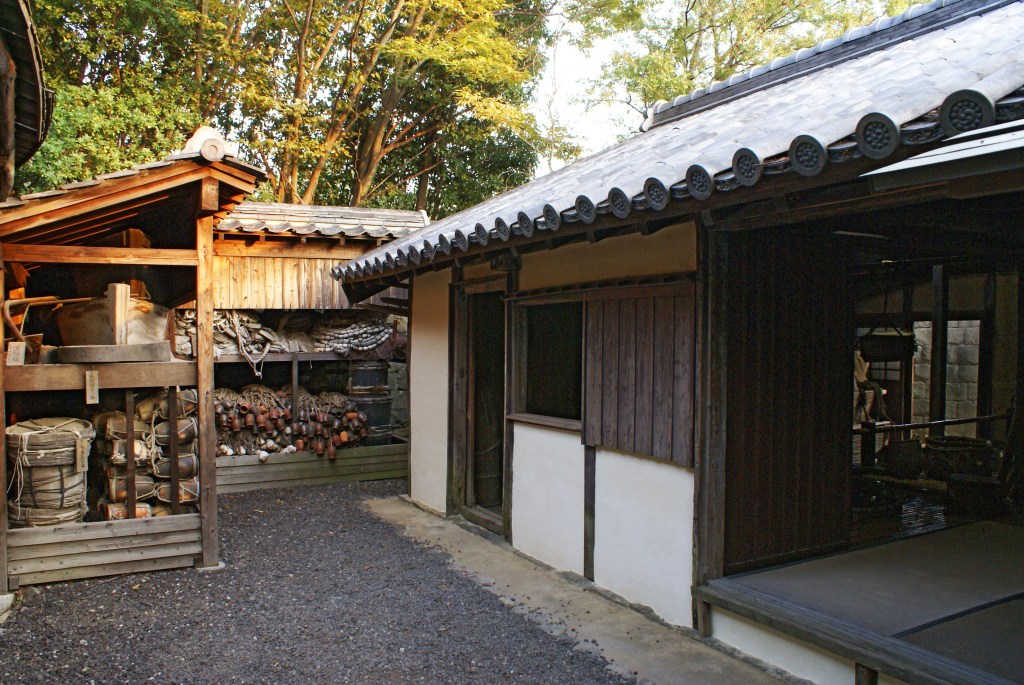
- Shikokumura is an open-air museum at the foot of Mount Yashima in Takamatsu, and its collection is not objects but buildings. Thirty-three structures from the four prefectures of Shikoku have been dismantled, moved and rebuilt here, and all of them were built between the Edo period and the Taisho era. They are houses, work sheds, a village meeting hall, a playhouse, rice storehouses and a soy sauce brewery, and every one of them was lived in and used rather than preserved as a monument. That distinction is the whole point: the beams, posts and household tools carry the wear of ordinary use, and the museum is designed to let you read it.
- The scale is bigger than most visitors expect. The village sits on a large wooded site on the Yashima hillside, with a stream, a waterfall and a pond, and the walk between buildings is part of the exhibit. You are not moving between galleries; you are walking a hillside path past a vine bridge, a kabuki stage from Shodoshima, a lighthouse keeper’s quarters and a thatched farmhouse. The route takes two hours at a reasonable pace, and the terrain includes slopes and steps, so it is a walking visit rather than a museum visit.
- The site is more than the village. Tadao Ando designed the Shikokumura Gallery, which shows temporary exhibitions and is included in the same admission, and there is a water garden, a tea house, and a cafe in a former foreign residence brought from Kobe. The restaurant is Waraya, an udon shop in a converted old house that is one of the better-known noodle stops in the Takamatsu area in its own right. That combination means the museum works as a half-day and as a meal, not just an attraction to tick off.
- The location makes it unusually easy to combine with the rest of Yashima. Yashima is a table-shaped plateau with cliffs on its edges, the site of the Genpei War’s Battle of Yashima, and the summit looks over the Seto Inland Sea islands and the Takamatsu urban area, with an evening view that appears on several Japanese lists of best sunsets and night views. A shuttle bus now links Takamatsu Station and the summit and stops at Shikokumura, so the village and the viewpoint can be done in one trip without a car.
- The price and access have changed in ways that matter for planning. Admission is 2,200 yen for adults, which is high for a Japanese open-air museum, so this is a place to give proper time rather than a quick stop. Access from Kotoden Yashima Station is a five-minute walk, which makes it one of the few rural-feeling sights in Kagawa reachable on foot from a train, and the free car park is shared with Waraya and Yashima Shrine and fills on busy days.
Top places and highlights
The vine bridge
The kazurabashi is the first structure most visitors meet and the one that sets the tone. It is a suspension bridge woven from mountain vines, of the kind once built across the gorges of Shikoku where a wooden bridge was too expensive or too easily swept away, and crossing it requires attention: the deck is a lattice of branches, the gaps are real, and the bridge moves underfoot. It is not a long crossing, but it is the moment when the museum stops being an exhibition and becomes a walk through terrain. Children tend to love it and adults tend to grip the handrail, which is roughly the intended effect.
The Shodoshima rural kabuki stage
The village’s kabuki stage was moved here from Shodoshima, the island in the Inland Sea known for soy sauce and olives, and it is a rural stage rather than an urban theatre: a wooden performance platform with a painted backdrop and the machinery a village troupe could afford. Rural kabuki was performed by farmers and fishermen rather than professionals, and the stage is the physical record of that tradition. It sits in the lower part of the village in an open area, so you can walk around it and look backstage, which is the part that explains how the scenery and the trap worked.
The sugar workshops and the soy sauce brewery
Several of the buildings are industrial rather than domestic, and they are the reason the collection is more interesting than a row of farmhouses. There are three sugar-pressing sheds from Shodoshima, where sugarcane was crushed and boiled down, plus a boiler house for the process, and a soy sauce brewery with its own storehouse of brewing tools. Together they document the two industries that made the Inland Sea islands wealthier than their size suggests. The tools are displayed in the buildings where they were used, which makes the sequence of production readable in a way a case of objects never is.
The lighthouse keepers’ quarters
The village holds four structures connected to lighthouses: a lighthouse from Okunoshima, and the keeper’s quarters from Esaki, Nabeshima and Kudako. These are small, plain buildings, and they are the part of the collection that most clearly explains the Inland Sea as a working waterway, since the lights and the people who kept them were what made navigation through the islands possible. The quarters show how a keeper’s family lived at a remote station, which was often for years at a time. They are easy to walk past on the way to the bigger houses, and they reward the opposite approach: go in and look at the rooms.
The Tadao Ando gallery
The Shikokumura Gallery is a concrete building by Tadao Ando, the self-taught architect from Osaka whose work is associated with precisely this kind of plain, light-driven concrete, and it is included in the admission rather than ticketed separately. It shows temporary exhibitions, so what is inside changes, and the building itself is short and easy to walk. The interest is the contrast: a contemporary concrete gallery sitting inside a collection of Edo and Meiji wooden buildings, with the same water and hillside around both. It also gives the visit a natural pause point in the middle of the walk.
The water garden and the tea house
The water garden and the tea house, Yuan, sit in the middle of the route and are the calmest part of the village. The garden uses the hillside stream to make a pond and a small cascade, and the tea house is a place to sit rather than a display. This is where the museum’s own description of the visit becomes accurate: birdsong, the sound of the waterfall, and a bench. In autumn the maples around this section are the reason photographers come, and in spring the same route is a different place. Allow ten minutes to sit rather than walking straight through.
Waraya, the udon shop in a converted house
Waraya is a Sanuki udon restaurant in a converted old house at the edge of the village, and it is run as part of the same site rather than as a museum cafe. The building is a large traditional house with beams and a high roof, the noodles are made in the Sanuki style that Kagawa is known for, and the queue at lunchtime is a reliable indicator that it is not a tourist concession. It is also the reason to time the visit around a meal rather than arriving at two in the afternoon. The same car park serves it, so arriving by car means one stop for both.
Food and drink
- Waraya is the obvious meal and the one worth planning around. It is a Sanuki udon shop in a converted traditional house on the same site, with the high beams and open floor of an old farmhouse, and it serves the thick, firm noodles that Kagawa is famous for. It gets busy at lunch, and because it shares a car park with the museum and Yashima Shrine, the queue and the parking pressure peak at the same time. Arriving before noon or after the lunch peak makes the difference.
- The Shikokumura Cafe is the lighter option, in a building that was originally a foreign residence in Kobe and was moved here. It serves drinks and light food rather than full meals, and it is the natural stop in the middle or at the end of the walk when you want to sit down without a queue. Its setting, in a Western-style house inside a village of Japanese farm buildings, is part of the collection’s oddity rather than a break from it.
- Takamatsu is the udon capital of Japan by reputation, and there are hundreds of shops in the city, many of them cheap, fast and open only for lunch. If you are staying in Takamatsu, the practical division is to eat udon in the city on other days and treat Waraya as the meal attached to the museum, or to do the reverse if you want the atmosphere of the converted house rather than the cheapest bowl.
- Around Kotoden Yashima Station and the Yashima summit there are a few cafes and restaurants, and the summit has the view to justify a stop. The village does not allow picnics inside, and the terrain is not suited to eating on the path, so the realistic options are Waraya, the cafe, or eating before or after the visit in Takamatsu.
Getting there and around
- The easiest route is the Kotoden Shido line to Kotoden-Yashima Station, then a five-minute walk. Kotoden is the private railway that serves Takamatsu and the surrounding area, and the station is close enough that this is genuinely a walk rather than a hike. From Takamatsu-Chikko, the station in the city centre, the ride is short and the fare is low, which makes the museum one of the simplest day trips from central Takamatsu.
- The alternative rail route is JR Yashima Station on the Kotoku line, about ten minutes on foot. This suits anyone using a Japan Rail Pass, and the walk is through an ordinary suburban area rather than a scenic one. The two stations are on different lines, so the choice depends on which pass or ticket you are using rather than on distance.
- The Yashima-sanjo shuttle bus connects JR Yashima Station and Kotoden-Yashima Station with the summit, and it stops at Shikokumura, so the village and the summit viewpoint can be combined in one loop. The summit is about eight minutes from the Shikokumura stop, and a direct service from Takamatsu Station began running in July, which removed the need to change at the foot of the hill. Timetables are published by the operator and change seasonally.
- By car, the museum is about 20 minutes from JR Takamatsu Station and about 40 minutes from Takamatsu Airport, with free parking for five large buses and 200 cars. The car park is shared with Waraya and Yashima Shrine, and the museum asks visitors to use public transport because the number of spaces is limited. From the expressway, the Takamatsu-Chuo interchange is about 15 minutes away and the Shido interchange about 20 minutes.
- From Takamatsu Airport, the limousine bus runs to Kawaramachi in the city, from which a taxi takes about 20 minutes or the Kotoden Shido line reaches Kotoden-Yashima in a few minutes and a five-minute walk. This is the route to use if you are arriving and visiting on the same day, and it is short enough that the museum can be done before a flight out.
Where to stay
- Takamatsu city centre is the practical base for this museum. The Kotoden lines and the JR lines both run from the centre, the airport bus terminates there, and the city has the densest choice of hotels and restaurants in Kagawa. From a hotel near Takamatsu-Chikko or Kawaramachi, the museum is a short train ride and a walk, which makes it a half-day rather than an excursion.
- Yashima itself has a small number of lodgings and the summit area has restaurants and a viewpoint, so staying on the hill is possible but limited. It suits travellers who want the evening view and an early start at the village, and it does not suit anyone who wants a choice of dinner. Most visitors are better off in the city and coming up for the afternoon.
- The wider Kagawa options, including the onsen areas and the islands, are not close enough to be useful for this museum. If you are basing yourself for the Seto Inland Sea and the art islands, Takamatsu is still the hub, and the museum fits naturally into a day when the ferries are not running or the weather has turned.
Best time to visit
- Autumn is the best season for the village, and the museum’s own photographs lean on it: the maples around the water garden and the tea house turn, the walk is cool, and the light on the old buildings is at its best. It is also the busiest season for domestic visitors, so the car park fills and Waraya queues. A weekday in November is the version to aim for.
- Spring brings the same appeal with different colour, and the hillside path is pleasant before the heat of early summer. Cherry blossom at Yashima is a local draw, which means weekends in late March and early April are busy, and the summit shuttle runs full. Rain in spring is common, and the village is an outdoor site, so a wet day is a wasted ticket rather than a different experience.
- Summer is hot and humid in Kagawa, and the village has a lot of walking and steps with limited shade in some sections. The museum closes at 17:00 with last entry at 16:30, so the sensible pattern in July and August is a morning visit rather than an afternoon one. The waterfall and the wooded sections are cooler than the open areas, but the route is still a hike in the heat.
- Winter is the quietest season and the buildings look their best in low light, but the site closes on Tuesdays and the walk can be cold and wet. The museum also closes temporarily when a weather warning for heavy rain, flood, storm, snow or blizzard is issued for the Takamatsu area, and it does not refund admission if you are asked to leave, so a forecast check matters in winter and in typhoon season.
Practical tips
- Check the calendar before you travel. The village closes on Tuesdays, or the following day when Tuesday is a public holiday, and it publishes an annual calendar of closed days as a PDF for each fiscal year. It also closes temporarily for maintenance and in bad weather, and it closes when a weather warning is issued for the Takamatsu area, so the calendar is not the only thing to check.
- Budget for the admission price. Adults pay 2,200 yen, university students 1,000 yen with a student card, high school and junior high students 600 yen, and elementary school children and younger are free. Groups of 15 or more pay less. There is a disability discount of half price for the holder and one companion, and there is no senior discount. An annual passport costs 5,000 yen and includes discounts at Waraya and the cafe.
- Give it two hours at least. The village covers a hillside with slopes and steps, the buildings are spread out, and the walk between them is half the visit. A rushed hour means seeing the vine bridge and the kabuki stage and missing the industrial buildings and the lighthouses, which are the parts that make this collection different from a folk village.
- Download the free audio guide app before you arrive. The museum provides a smartphone app that explains the village as you walk, and it is the difference between looking at old buildings and understanding what each one was for. It is free, it works on both major platforms, and it needs a charged phone and earphones rather than a rented device.
- Wear shoes you can walk in. The route includes gravel, steps and uneven ground, the vine bridge needs a secure footing, and some buildings require you to remove your shoes. This is not a site for heels or smooth soles, and in wet weather the wooden steps and the bridge deck get slippery.
- Read the pet rule if you are travelling with a dog. Pets are allowed into the village on a lead, but they cannot enter the buildings, and the museum asks owners to follow its published rules. This is unusual for a Japanese museum and useful if you are driving with an animal, but it does not mean the whole site is open to them.
- Combine the village with the Yashima summit rather than treating them as separate trips. The shuttle connects the two, the summit is eight minutes from the Shikokumura stop, and the view over the Inland Sea is the reason Yashima is on the map. Doing the village in the morning and the summit in the late afternoon puts the museum’s walking and the viewpoint in the right order for the light.
Suggested day-trip outline
- Arrive at opening, 09:30, either on foot from Kotoden-Yashima Station or by the shuttle. Starting early matters here, because the buildings are small and the paths are narrow, and by late morning the tour groups and the Waraya queue arrive together. Buy the ticket at the entrance and download the audio guide before you go in.
- Take the lower route first: the vine bridge, the kabuki stage and the sugar workshops. These are the buildings that explain the working life of the islands, and they are best seen while the site is quiet. Cross the vine bridge before the crowd reaches it, and look at the stage from behind as well as in front.
- Climb to the upper village for the farmhouses, the tea house and the water garden, and sit for ten minutes at the tea house rather than walking straight through. Then visit the Tadao Ando gallery, which is the natural pause in the middle of the route and is included in the ticket.
- Eat at Waraya, ideally before noon or after 13:30 to avoid the peak. The udon is the meal the site is known for, and the converted house is worth the visit even if you have eaten udon elsewhere in Takamatsu. If you want something lighter, the Shikokumura Cafe is the alternative.
- Finish with the lighthouses and the remaining storehouses, then leave by 16:30, which is the last entry time and effectively the end of the day. If the weather is clear, take the shuttle eight minutes up to the Yashima summit for the view over the Inland Sea before heading back to Takamatsu.
Before you go
Timetables, fares, admission fees, and seasonal access rules can change. Check the official tourism and transport sites linked below for the latest information before you travel.
Explore More of Japan
Published guides that pair with this one:
- Takamatsu Travel Guide: Ritsurin Garden, Udon, and Seto Sea Gateways
- Kotohira Travel Guide: Konpira Shrine Stairs and Shikoku Pilgrim Town
- Naoshima Travel Guide: Art Islands, Museums, and the Seto Inland Sea
- Shodoshima Travel Guide: Olive Groves, Coast Roads, and a Seto Inland Sea Ferry
- Dogo Onsen Travel Guide: Historic Hot Springs in Matsuyama
Browse every Shikoku guide on this site for the rest of the region.
Sources
- shikokumura.or.jp — Visitor information (checked 2026-11-02)
- shikokumura.or.jp — Access (checked 2026-11-02)
- shikokumura.or.jp (checked 2026-11-02)
- shikokumura.or.jp (checked 2026-11-02)
- shikokumura.or.jp (checked 2026-11-02)


Leave a Reply