A practical English guide to Ikei island in Okinawa: the beaches, the bridge, the cliffs and access from Naha.
Operational details such as opening hours, admission fees, and train times can change. Prefer official pages and reconfirm before you travel (sources checked on 05 November 2026).
Why visit
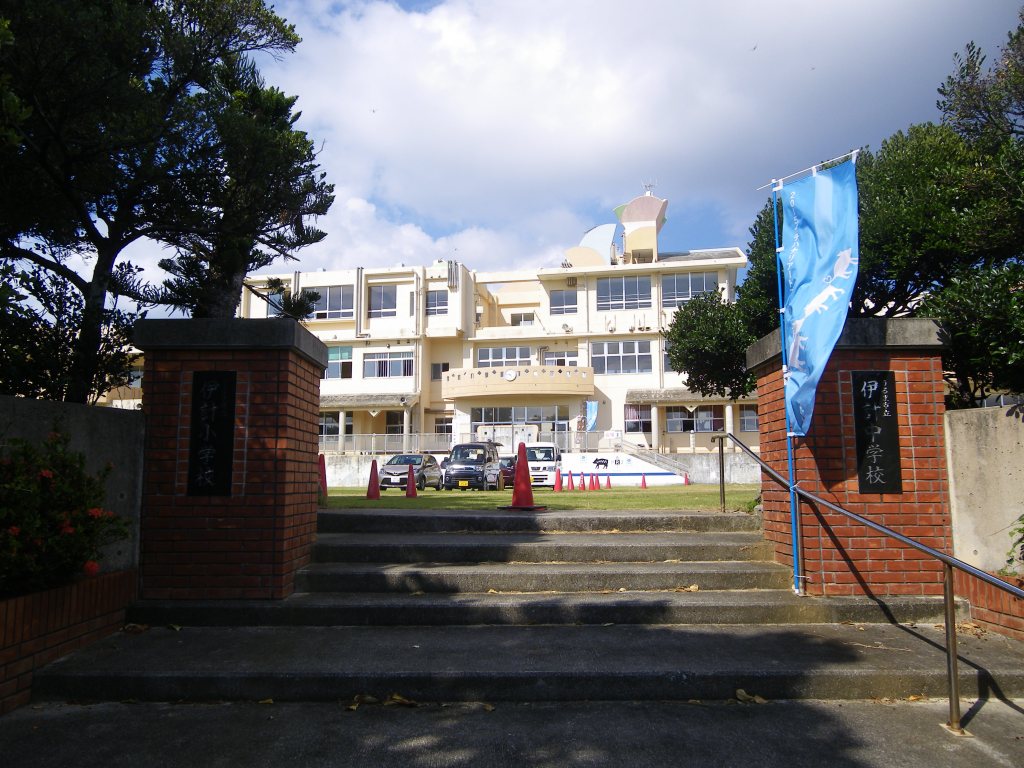
- Ikei island is a small island off the east coast of Okinawa’s main island, reached by a bridge from the Yonashiro peninsula in Uruma, and it is one of the quietest and most beautiful of the islands close to Naha. It is flat, green and surrounded by clear water and reef, with a few small settlements and a coast of rock and sand.
- The island is connected to the main island by a series of bridges across small islands, and the crossing is part of the visit: the water below is turquoise, the reef is visible, and the islands rise green in front. The road from Naha to Ikei passes through some of the least developed coast on the main island.
- Ikei has beaches, a lighthouse, a small fishing port and a network of lanes, and the pace is slow. It is not a resort, and the facilities are limited to a few cafes and guesthouses, which is part of the appeal. The snorkelling and the swimming are good in calm weather, and the sunsets over the main island are quiet and clear.
- The island is close to Hamahiga and the Katsuren castle site, and it combines with the central and eastern sights of the main island. It is a good half-day or a quiet night for travellers who want the sea without the crowds of the west coast.
Top places and highlights
The bridge road
The road from the main island to Ikei crosses a series of small islands and bridges, and the views from each one are different: the reef, the channels, the fishing boats and the green hills. The bridges are narrow and the water below is clear, and the drive is one of the best on the east coast. Stop at the pull-offs and look at the sea.
The beaches
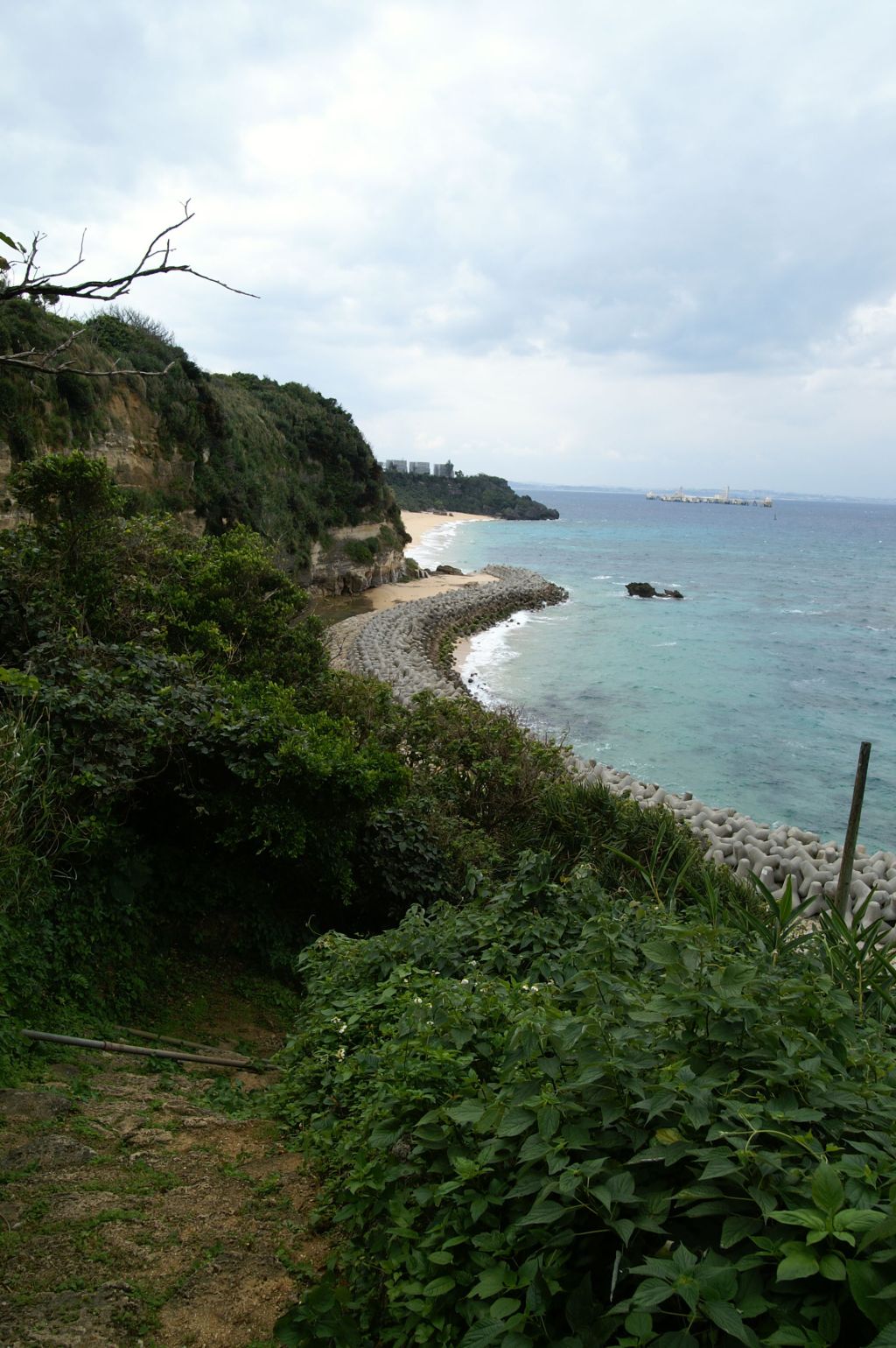
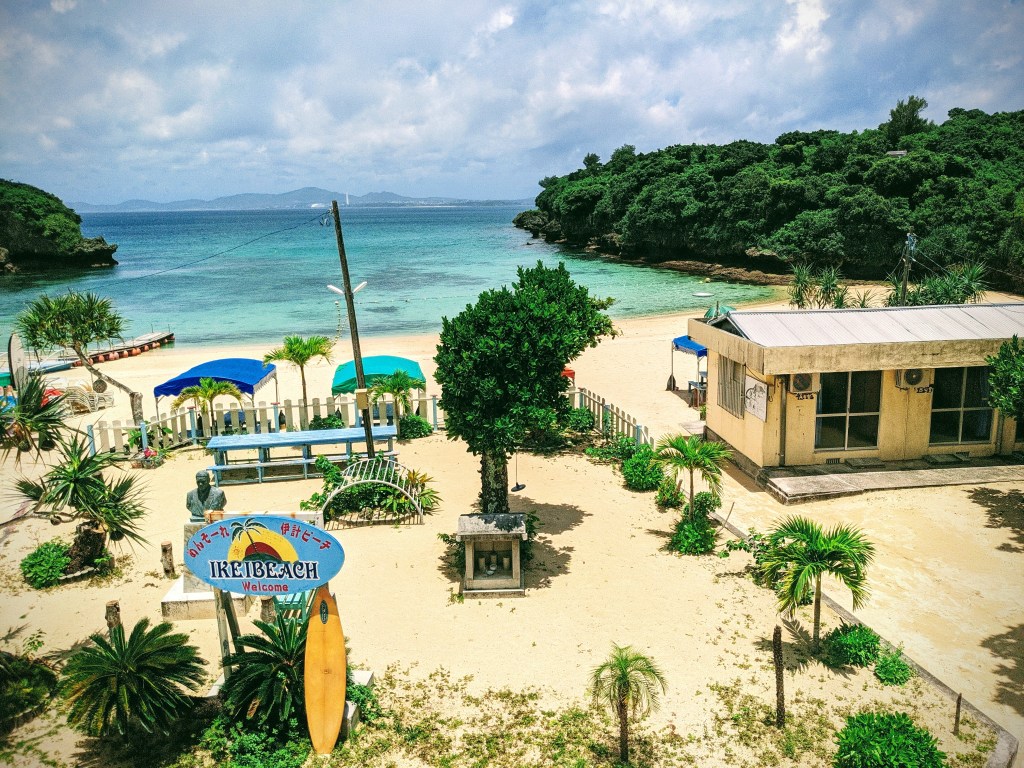
Ikei has several small beaches, with white sand, shallow water and reef close to the shore, and they are quiet even in summer. The swimming is easy in calm weather, and the snorkelling over the reef is good. The beaches are not developed, with no lifeguards and few facilities, and the access is informal. Bring water and shade, and take your rubbish away with you.
The cliffs and the lighthouse
The island has a rocky coast on the eastern side, with cliffs, sea stacks and a lighthouse, and the view from the high points takes in the reef and the open sea. The walk to the lighthouse is short, and the path passes the old stone walls and the fields. It is the wildest part of the island, and the light is best in the morning.
The villages and the lanes
The island has a few small settlements with old houses, stone walls, shisa lions and gardens, and the lanes are quiet and green. The fields are planted with sugar cane and vegetables, and the cats and the flowers are the main traffic. Walk the back lanes and look at the houses and the way the coral stone is used in the walls.
The sea views and the sunsets
The island has open views of the sea to the east and the south, and the sunsets over the main island and the bay are quiet and clear. The bridges, the coast and the high points all give a view, and the evening light on the water is the reward for staying overnight. The sky turns pink and then deep blue over the reef.
The nearby islands
Hamahiga, Ikei and the other small islands of the Uruma coast are connected by bridges and ferries, and they can be visited in a day. Each has its own character: Hamahiga with its shrine and sacred sites, Ikei with its beaches and lighthouse, and the smaller islands with their fishing ports. The combination makes a good coastal drive.
The food and the local life
The island has a few small cafes and shops serving Okinawa soba, the local fish and the tropical fruit, and the choice is very limited. The nearby Uruma and the main island have the wider range, and the seafood and the local dishes are the reason to eat there. The Okinawan staples, the champuru and the rafute, are everywhere.
Food and drink
- The island has a few small cafes and a shop, serving Okinawa soba, the local fish and simple set meals, and the hours are limited.
- The seafood of the east coast is good, with the fish, the squid and the shellfish, and the restaurants on the main island nearby serve it fresh.
- The tropical fruit of Okinawa, the mango, the pineapple and the passion fruit, is sold in the markets and the roadside stands.
- The blue seal ice cream and the local sweets are the everyday snacks, and the shops on the main island carry them.
- The nearby Uruma city has the wider range of restaurants, including the Okinawan chains and the local izakaya.
- The roadside stations and the shops around the station sell the local produce, the pickles and the sweets, and they are a good place for a cheap lunch or a souvenir.
Getting there and around
- Ikei island is reached by car from the main island, across the bridges from the Yonashiro peninsula in Uruma city, about an hour from Naha.
- By bus, the route from Naha to Uruma and the local bus to the island is slow and infrequent. A rental car is the practical option.
- The bridges are narrow and the island roads are small, and a bicycle is a good way to see the coast.
- From the airport, the drive takes about an hour and a quarter, and the route follows the east coast.
- The island is small and can be walked in a few hours, with the beaches, the lighthouse and the villages within reach.
Where to stay
- The guesthouses and the small hotels on the island are simple and quiet, and they are the best way to see the evening and the morning.
- The resorts on the main island nearby, towards Uruma and the east coast, have more facilities and are a short drive away.
- Naha has the full range of accommodation, and most visitors come as a day trip.
- The traditional Okinawan houses rented as guesthouses are a good option, with tatami rooms and walled gardens.
Best time to visit
- Spring, from March to May, is warm and clear, with calm seas and few visitors. It is the best season for the coast.
- Summer is hot and humid, with strong sun and the typhoon season from August. The sea is warm and the island is quiet.
- Autumn, from October to November, is warm and clear, with the typhoons tailing off. It is the second-best season.
- Winter is mild and windy, with grey days and occasional rain. The island is quiet and the sea is rough.
- The rainy season runs from mid-May to June, and the typhoon season peaks from August to September. Check the forecast.
Practical tips
- Rent a car. The buses are infrequent and the island is spread out.
- Check the tides before swimming or snorkelling. The reef is shallow and the currents can be strong.
- Bring water and food. The shops and restaurants are few and the hours are limited.
- Visit the shrine and the sacred sites with respect. They are places of worship, not attractions.
- Combine the island with Hamahiga and the Katsuren castle site. The drive between them is scenic.
- Carry cash. The island has few ATMs and not every shop takes cards.
- Carry a light jacket in the evening. The temperature drops quickly after sunset, especially near the water.
Suggested day-trip outline
- Morning: drive from Naha along the east coast and cross the bridges to Ikei.
- Late morning: the beaches and the snorkelling, or the lighthouse walk.
- Lunch: Okinawa soba at a local cafe, or a picnic on the beach.
- Afternoon: the villages and the lanes, then the drive to Hamahiga.
- Late afternoon: the Katsuren castle site for the view over the bay.
- Evening: dinner in Uruma or Naha, and the drive back.
Before you go
Timetables, fares, admission fees, and seasonal access rules can change. Check the official tourism and transport sites linked below for the latest information before you travel.
Explore More of Japan
Published guides that pair with this one:
- Naha and Kokusai Street Guide: Markets, Food and the Old Capital
- Hamahiga Island Travel Guide: Okinawa Quiet East Coast
- Katsuren Castle Ruins Travel Guide: A Gusuku above the East Coast
- Koza Travel Guide: Okinawa City’s Music, Eisa and Gate Street
- Nakagusuku Castle Ruins Travel Guide: A Gusuku without a Keep
Browse every Okinawa guide on this site for the rest of the region.
Sources
- city.uruma.lg.jp (checked 2026-11-05)
- okinawastory.jp (checked 2026-11-05)


Leave a Reply