A practical English guide to the Kochi Yosakoi festival: the dance teams, the routes, the costumes and how to watch it.
Operational details such as opening hours, admission fees, and train times can change. Prefer official pages and reconfirm before you travel (sources checked on 05 November 2026).
Why visit
- Kochi’s Yosakoi festival is held every August, from the ninth to the twelfth, and it is one of the great dance festivals of Japan. Teams from across the country come to the city and dance through the streets with naruko clappers, decorated floats and costumes, and the whole city becomes a stage for four days.
- The festival began in 1954, when the city wanted to create something of its own to lift the mood after the war, and it combined the traditional local dance with the melody of the Yosakoi song and the naruko clappers. It has grown into a national event, with hundreds of teams and tens of thousands of dancers, and the energy is extraordinary.
- The dancing is the point. The teams are a mix of professionals and amateurs, of students, companies and neighbourhood groups, and each has its own costumes, music and choreography. The rules require the use of the naruko and a piece of the Yosakoi melody, but the rest is free, and the variety is the spectacle.
- The festival is free to watch, and the routes run through the centre of the city, with stages and judging points. It is hot and crowded in August, and the atmosphere is loud, joyful and relentless. It is the reason many people come to Kochi, and it is a completely different side of Japan from the temples and the gardens.
Top places and highlights
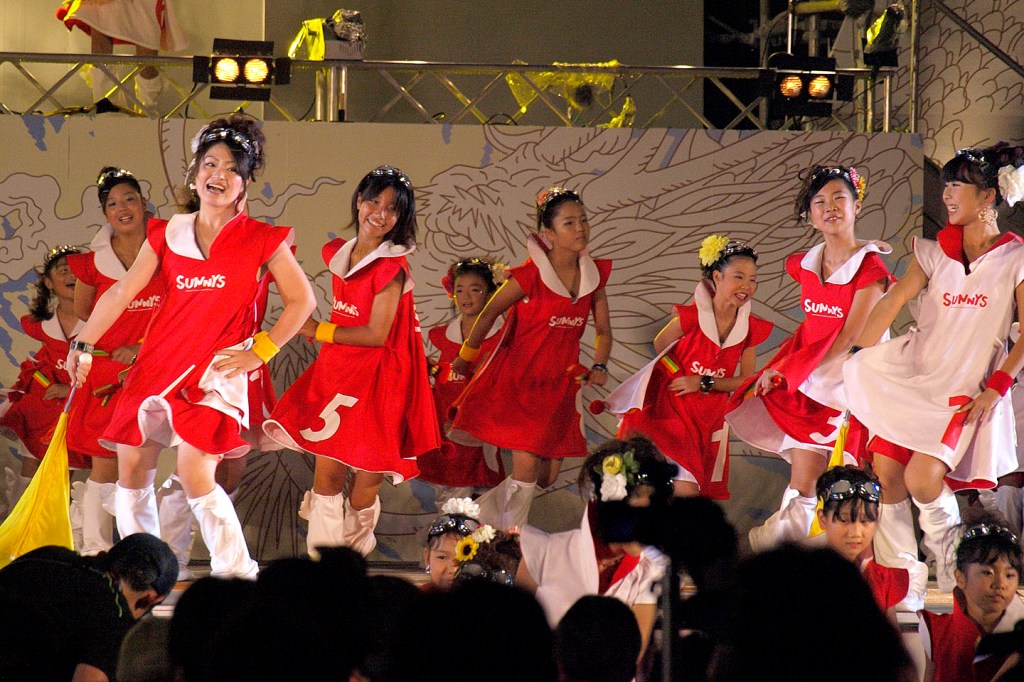
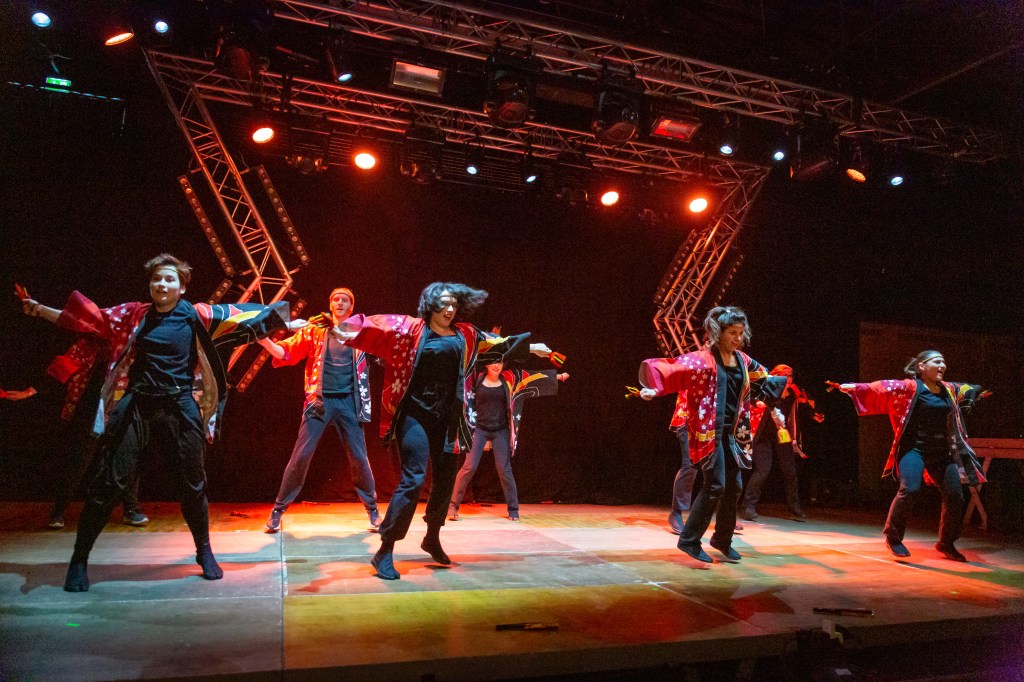
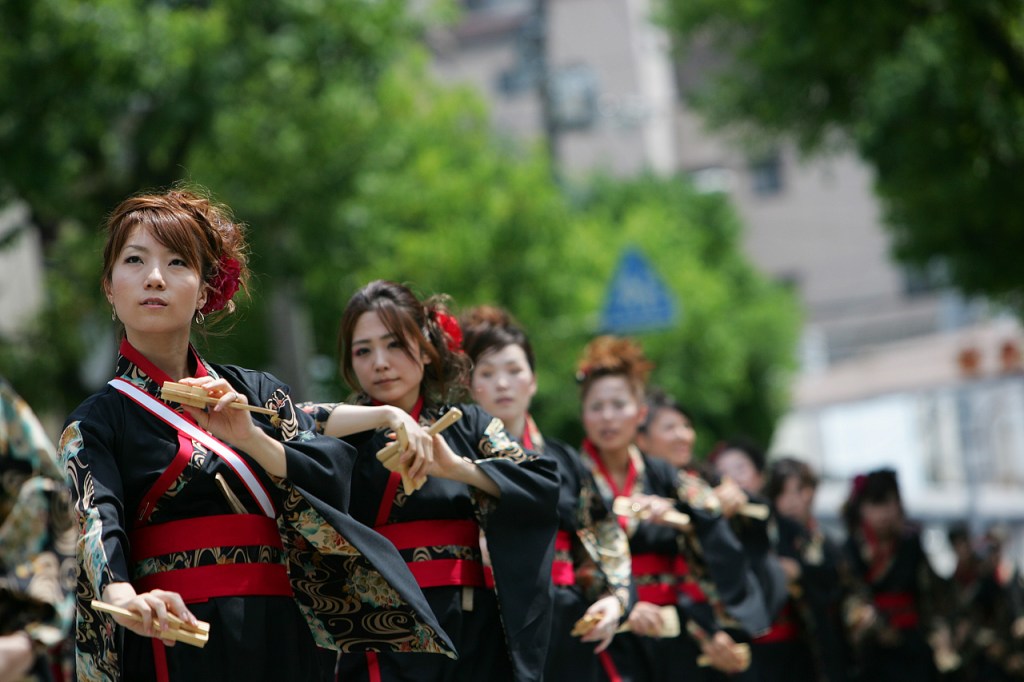
The dance teams
The teams are the heart of the festival, with costumes that range from the traditional to the outrageous, and choreography that mixes the local dance with modern steps. Each team has its own music, its own colour and its own character, and the standard is high. The dancers are of all ages, from schoolchildren to grandparents, and the energy is infectious.
The naruko clappers
The naruko is a small wooden clapper, originally used to scare birds from the fields, and it is the required instrument of the festival. The dancers hold one in each hand and snap it in time with the music, and the sound of thousands of clappers is the signature of Yosakoi. The rules require their use, and the teams build their routines around the rhythm.
The routes and the stages
The festival has several routes through the centre of the city, with stages and judging points where the teams perform in turn. The main routes run through the shopping streets and the castle area, and the stages have seating and commentary. The teams dance continuously along the route, stopping at the stages for the full performance, and the crowd moves with them.
The evening performances
The festival continues into the evening, with the stages lit and the teams performing under the lights, and the atmosphere is different from the day: cooler, more theatrical, and louder. The evening sessions are popular, and the crowds are dense. The final night has the awards and the massed performances, and it is the climax of the festival.
The local food and the street stalls
The festival brings out the street stalls, with the local food of Kochi: the katsuo no tataki, the grilled bonito, the skewers, the noodles and the sweets. The stalls line the routes and the parks, and the eating is part of the day. The bars and the restaurants of the city are busy through the night, and the Hirome food hall is the indoor option when the heat is too much.
Kochi castle and the city
The festival routes pass the castle, one of the few original castles of Japan, and the city has the Sunday market, the Hirome food hall and the museum of the region. The combination of the festival and the city makes a good few days, and the castle is a quiet counterpoint to the noise of the streets. The market is the place for the local fruit and the prepared food, and it is cheap.
The heat and the spirit
August in Kochi is hot and humid, and the dancers perform for hours in the sun, with the sweat and the endurance part of the spectacle. The crowd is generous, the water is handed out, and the mood is collective. It is a festival that asks something of the participants, and that is why it feels different from a parade.
Food and drink
- The katsuo no tataki, the seared bonito, is the dish of Kochi, and the restaurants and the market serve it with salt or with a ponzu sauce.
- The Hirome food hall is the casual option, with stalls serving the local fish, the noodles and the sake under one roof.
- The street stalls during the festival serve the skewers, the fried food, the shaved ice and the local sweets.
- The local sake, the Tosa sake, is dry and strong, and the bars of the city serve it with the fish.
- The Sunday market, held on the street near the castle, sells the vegetables, the fruit and the prepared food, and it is a good place for a cheap lunch.
- The roadside stations and the shops around the station sell the local produce, the pickles and the sweets, and they are a good place for a cheap lunch or a souvenir.
Getting there and around
- Kochi is reached by the JR Dosan line from Okayama, about two and a half hours, and by the Tosa Kuroshio line along the coast.
- The festival routes are in the centre of the city, within walking distance of Kochi station and the castle, and the streets are closed to traffic during the event.
- By car, the expressway and the national roads connect Kochi with the rest of Shikoku, but the parking is limited during the festival.
- The airport, Kochi Ryoma, is about thirty minutes by bus from the city, with flights to Tokyo, Osaka and Fukuoka.
- The city is compact and the festival is best seen on foot, with the routes and the stages within a few minutes of each other.
Where to stay
- The hotels around Kochi station and the castle are the practical base, and they book out months in advance for the festival.
- The guesthouses and the business hotels in the centre are cheaper, and they are close to the routes.
- The onsen inns outside the city, towards the mountains and the coast, offer baths and quiet rooms, and they are within an hour by car.
- The camping and the temporary accommodation are available during the festival, and the city publishes the options.
Best time to visit
- The festival is held in August, in the heat of the summer, and the temperature and the humidity are high.
- The days before and after the festival are quieter, and the city is easy to explore without the crowds.
- Autumn, from October to November, is the best season for the rest of Kochi, with clear air and good fish.
- Spring, from March to April, is mild and green, with the cherry trees and the castle.
- The rainy season runs from early June to mid-July, and the typhoon season from August to September. Check the forecast in the festival week.
Practical tips
- Book the accommodation months in advance. The festival fills the city and the prices rise.
- Carry water and a hat. The heat is severe, and the shade is limited on the routes.
- Arrive early at the stages. The good spots fill up, and the crowds are dense.
- Wear shoes you can stand in for hours. The routes are long and the pavements are hot.
- Check the official programme for the routes and the stage times, which change each year.
- Stay for the final night. The awards and the massed performances are the climax.
- Carry a light jacket in the evening. The temperature drops quickly after sunset, especially near the water.
Suggested day-trip outline
- Morning: arrive in Kochi, walk the routes and find a spot at a stage.
- Late morning: the daytime performances, and the stalls for lunch.
- Afternoon: the castle and the Hirome food hall, out of the heat.
- Early evening: the evening performances, with the stages lit.
- Night: the bars and the restaurants, and the katsuo no tataki.
- Final day: the awards and the massed dance, and the train home.
Before you go
Timetables, fares, admission fees, and seasonal access rules can change. Check the official tourism and transport sites linked below for the latest information before you travel.
Explore More of Japan
Published guides that pair with this one:
- Sanuki Udon Travel Guide: Eating Kagawa Noodles
- Kochi Castle Travel Guide: The Keep and Palace That Both Survive
- Kochi Sunday Market Travel Guide: 300 Years of Street Food and Produce
- Kochi and Katsurahama Guide: The Pacific Coast and Ryoma
- Awa Odori Guide: Tokushima’s August Dance Festival
Browse every Shikoku guide on this site for the rest of the region.
Sources
- city.kochi.kochi.jp (checked 2026-11-05)
- attaka.or.jp (checked 2026-11-05)


Leave a Reply