A practical English guide to Aoshima in Miyazaki: the island shrine, the rock formations, the beach and access from the city.
Operational details such as opening hours, admission fees, and train times can change. Prefer official pages and reconfirm before you travel (sources checked on 05 November 2026).
Why visit
- Aoshima is a small island off the coast of Miyazaki, connected to the mainland by a bridge, and it is one of the most visited places in Kyushu. The island is ringed by a subtropical garden, with palms, flowers and a shrine in the middle, and the view from the shore over the rocks and the sea is the reason people come.
- The coast in front of the island is the other attraction. The wave-cut rock platform, known as the Devil’s Washboard, is a wide expanse of layered sandstone eroded into ridges and grooves, and it is exposed at low tide. The pattern is strange and beautiful, and the walk on the platform at low water is the local experience.
- The shrine, Aoshima jinja, is a small, colourful building in the garden, and it is associated with the story of the sea god and the princess, one of the myths of the region. The garden is planted with the palms and the flowers of the subtropics, and the combination of the shrine, the plants and the sea is unusual.
- Aoshima is a short train ride from Miyazaki city, and it combines with the coast, the sunsets and the seafood. It is a half-day, and it is best in the late afternoon, when the light on the rocks and the sea is at its best.
Top places and highlights
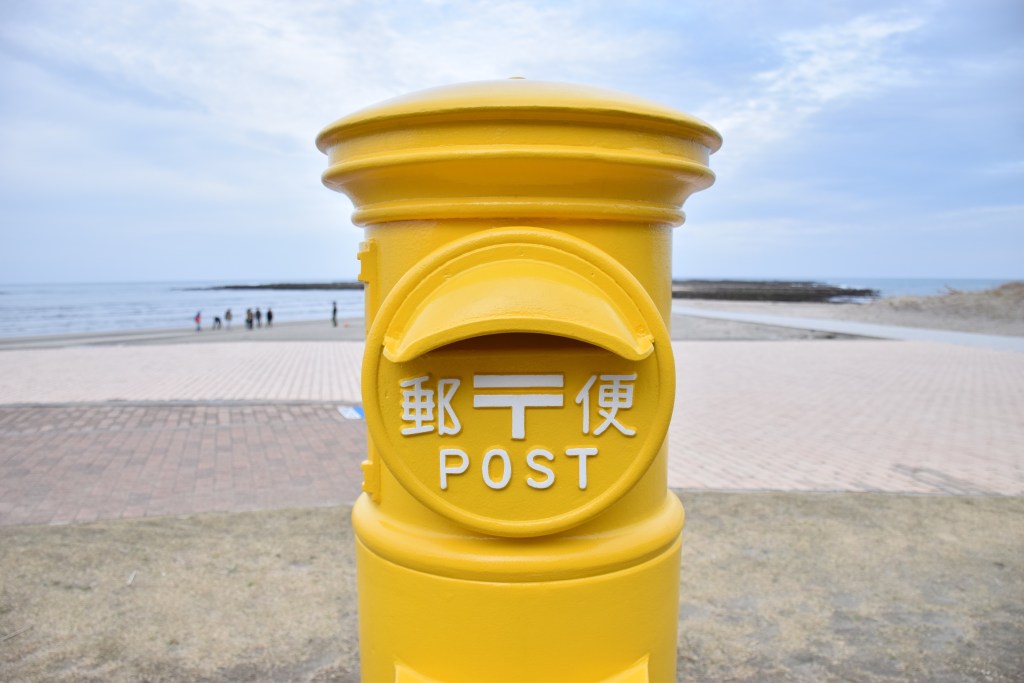
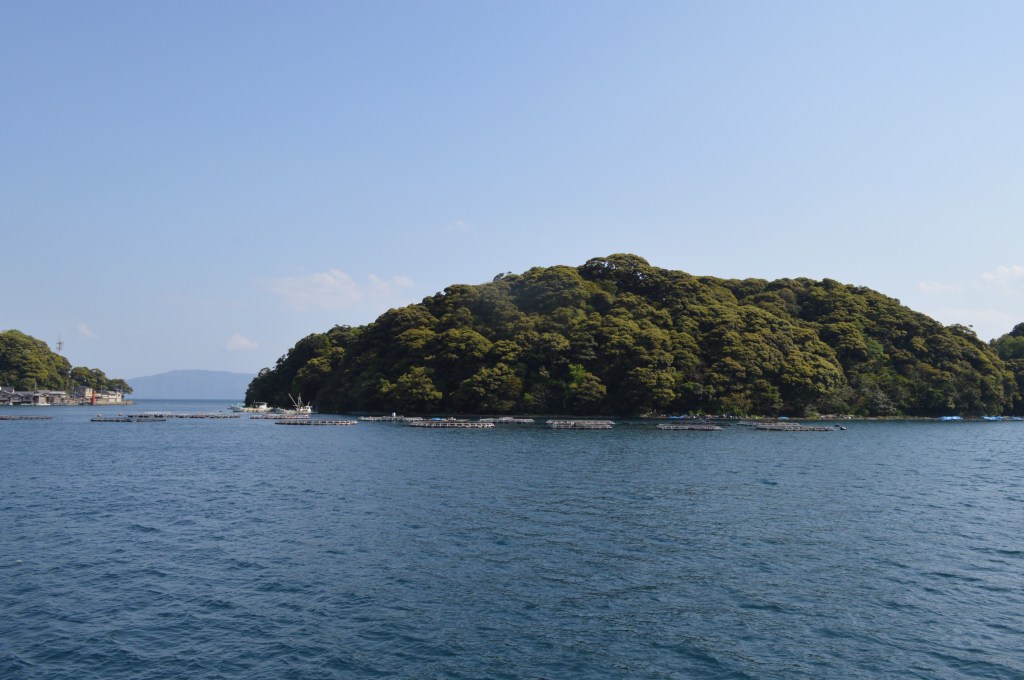
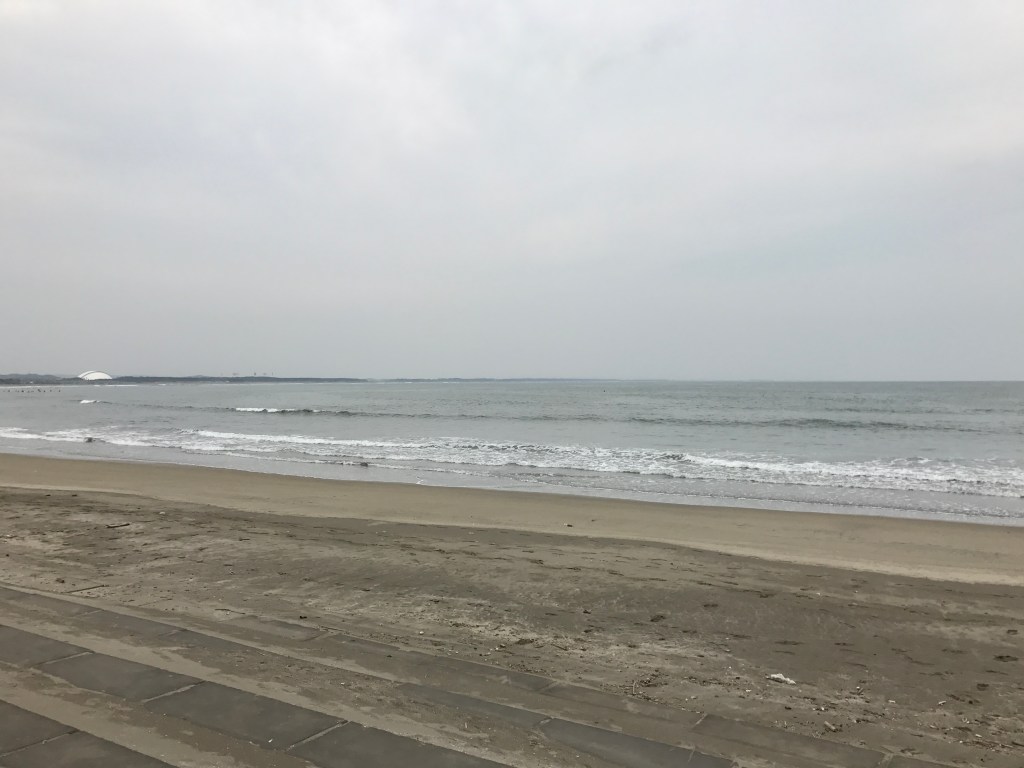
The Devil’s Washboard
The rock platform is a wide, flat expanse of sandstone and shale, eroded into parallel ridges and grooves, and it looks like a giant washboard. It is exposed at low tide, and the walk on it is the local ritual: the ridges are firm and the pools between them are full of small life. The pattern and the colour change with the light, and the view back to the island is the classic photograph.
The island garden
The island is a subtropical garden, with palms, cycads, hibiscus and bougainvillea, and the paths wind through the planting to the shrine and the shore. The garden is lush and shaded, and the smell of the flowers and the sea is part of the experience. It is a small island, and the walk around it takes about half an hour.
Aoshima shrine
The shrine is a small, brightly painted building in the middle of the garden, with a red fence and a stone approach, and it is dedicated to the sea gods of the region. The legend of the shrine involves a princess and a sea god, and the story is told on the signs. It is a quiet place, and the colour against the green is the image of the island.
The beach and the bridge
The bridge from the mainland is short and the view from it takes in the island, the rocks and the sea, and the beach on the mainland side is a good place to swim and to watch the sunset. The water is warm in summer, and the bay is sheltered. The combination of the bridge, the island and the rock platform is the reason the area is popular.
The sunsets
Aoshima faces west, and the sunsets over the sea and the rock platform are the local event. The island, the palms and the ridges of the washboard are silhouetted against the light, and the colours are strong. The beach and the bridge are the best viewpoints, and the evening is warm through the summer. The benches on the promenade fill an hour before, and the photographers take the same spot every night.
The seafood of Miyazaki
The coast has a rich fishery, and the restaurants around Aoshima serve the local fish, the shellfish and the Miyazaki specialities: the chicken nanban, the mango and the local beef. The seafood is fresh and inexpensive, and the beach cafes are relaxed. The city has the wider range, twenty minutes away, and the market is the place for the best value.
Miyazaki city
The city is a short train ride away, with the palm-lined streets, the museum, the shrine and the food. It is a good base for the coast, the Takachiho gorge and the mountains, and it is one of the sunniest cities in Japan. The combination of Aoshima and the city makes a good day, and the evening trains are frequent.
Food and drink
- The seafood of the coast is the local staple, with the fish, the shellfish and the squid, and the restaurants around Aoshima serve it fresh.
- The chicken nanban, the fried chicken with tartare sauce, is the Miyazaki speciality, and the restaurants in the city serve it everywhere.
- The mango, the hyuganatsu and the other citrus of the region are the local fruit, and the shops sell them in season and as juice and sweets.
- The Miyazaki beef is the other regional speciality, and the restaurants in the city serve it as steak and in bowls.
- The beach cafes around Aoshima serve light meals, ice cream and drinks, and they are busy in the summer.
- The roadside stations and the shops around the station sell the local produce, the pickles and the sweets, and they are a good place for a cheap lunch or a souvenir.
Getting there and around
- Aoshima is about twenty minutes by train from Miyazaki station to Aoshima station, and the island is a short walk from there.
- By car, the coast road and the national roads connect Aoshima with Miyazaki and the south, and there is parking near the bridge.
- From the airport, the train and the bus take about forty minutes, and the route follows the coast.
- The island and the rock platform are walkable, with the bridge, the garden and the shrine within a few minutes of each other.
- The bus from Miyazaki is frequent, and the train is the easier option for the coast.
Where to stay
- The hotels and the resorts around Aoshima have sea views and pools, and they are the classic stay for the coast.
- The hotels in Miyazaki city are cheaper and have the full range of restaurants, and they are twenty minutes away.
- The guesthouses and the pensions along the coast are small and quiet, and they suit a slow stay.
- The onsen inns in the surrounding area offer baths and local meals, and they are within an hour by car.
Best time to visit
- Spring, from March to May, is warm and clear, with the flowers in the garden and the sea calm. It is the best season for the island.
- Summer is hot and humid, with the beach at its busiest and the sunsets late. The typhoon season begins in August.
- Autumn, from October to November, is warm and clear, with the sea still warm and the light good.
- Winter is mild and quiet, with the garden green and the island almost empty. The sunsets are early and clear.
- The rainy season runs from mid-May to June, and the typhoon season peaks from August to September. Check the forecast.
Practical tips
- Check the tide table before you walk on the rock platform. It is only accessible at low tide.
- Wear shoes with grip. The rocks are wet and slippery, and the ridges are uneven.
- Go in the late afternoon. The light on the platform and the sunset are the best of the day.
- Swim only inside the marked area and in the season. The currents outside the bay are strong.
- Carry cash for the small cafes and the shrine stalls. Not every place takes cards.
- Combine the island with the Miyazaki city and the coast for a full day.
- Carry a light jacket in the evening. The temperature drops quickly after sunset, especially near the water.
Suggested day-trip outline
- Afternoon: train to Aoshima, walk the bridge and the island garden.
- Late afternoon: the shrine and the shore, and the rock platform at low tide.
- Sunset: the beach and the bridge for the light over the sea.
- Evening: a seafood dinner at a beach restaurant, or the city for the chicken nanban.
- Night: the train back to Miyazaki, or a night at a resort on the coast.
- Alternative: a morning swim and the platform at low tide, then the city in the afternoon.
Before you go
Timetables, fares, admission fees, and seasonal access rules can change. Check the official tourism and transport sites linked below for the latest information before you travel.
Explore More of Japan
Published guides that pair with this one:
- Beppu Travel Guide: The Steam City and the Hell Springs
- Miyazaki City Travel Guide: Palms, Shrines and the Phoenix Road
- Takachiho Gorge Travel Guide: Boats and Emerald Cliffs
- Nichinan Coast and Udo Jingu: Miyazaki’s Shrine in a Cave
- Sakurajima Travel Guide: An Active Volcano across from Kagoshima
Browse every Kyushu guide on this site for the rest of the region.
Sources
- city.miyazaki.miyazaki.jp (checked 2026-11-05)
- kanko-miyazaki.jp (checked 2026-11-05)


Leave a Reply