A practical English guide to Yubari in Hokkaido: the coal mine heritage, the melon fields, the film festival and how to get there from Sapporo.
Operational details such as opening hours, admission fees, and train times can change. Prefer official pages and reconfirm before you travel (sources checked on 05 November 2026).
Why visit
- Yubari is a small mountain town east of Sapporo that was built entirely on coal, grew to more than a hundred thousand people, and then lost almost everything in a single generation. The mines closed in 1990, the city ran out of money and entered financial reconstruction in 2007, and today fewer than ten thousand people live among the terraces, the closed schools and the wooded slag heaps. It is not a curated heritage park. It is a working landscape of abandonment and stubbornness, and it is one of the most honest places in Hokkaido.
- The coal heritage is why most visitors come. Yubari was one of the great mines of Hokkaido, worked from the late nineteenth century, and the hillsides around the town still carry the traces: retaining walls, tunnel mouths, the concrete feet of cableways, rows of company housing, and the long scars where spoil was tipped into the valleys. Some sites are fenced, some have been cleared, and a few are marked with explanatory boards. What remains is fragmentary, and that is exactly what makes it worth seeing: this is what a resource town looks like after the resource goes.
- The other reason is the melon. Yubari King melons are grown in greenhouses on the flats around the town, harvested in July, and sold at prices that make the national news. In season the farm stands and the roadside stations sell them by the slice and by the box, and the difference between a Yubari melon and a supermarket one is real: dense, perfumed and extremely sweet.
- Around all this is serious mountain country. Mount Yubari rises to about 1,668 metres on the southern edge of the town and is known for alpine plants and a long ridge walk, and the rivers and gorges on the road towards Minami-Yubari are quiet and green. Yubari is not on the main Hokkaido circuit, which means a day here is spent almost entirely among Japanese visitors and local people.
Top places and highlights

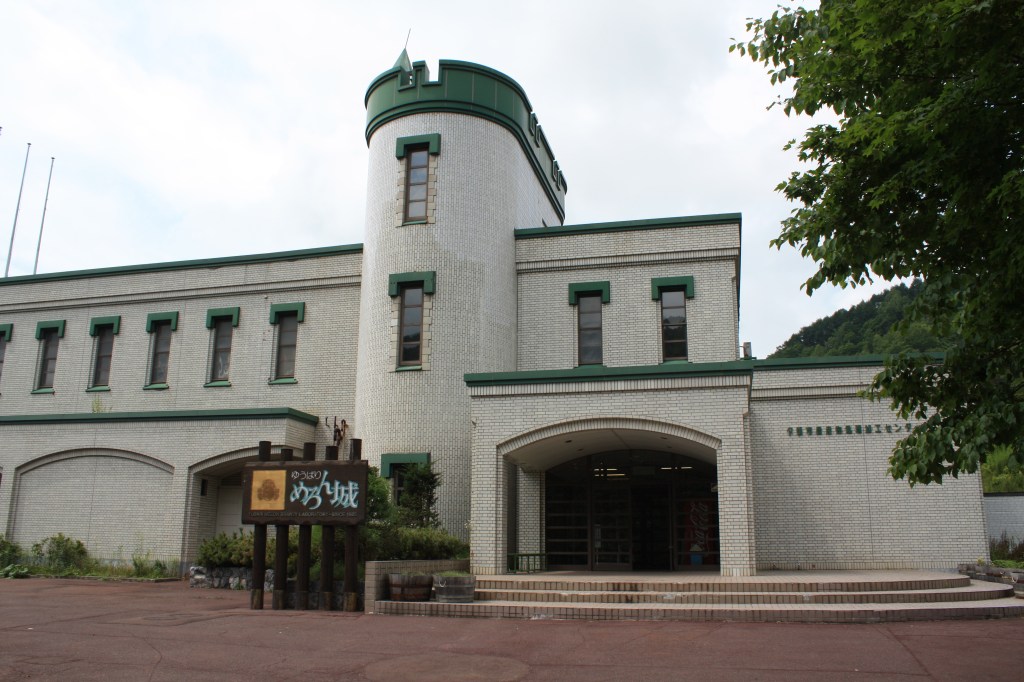
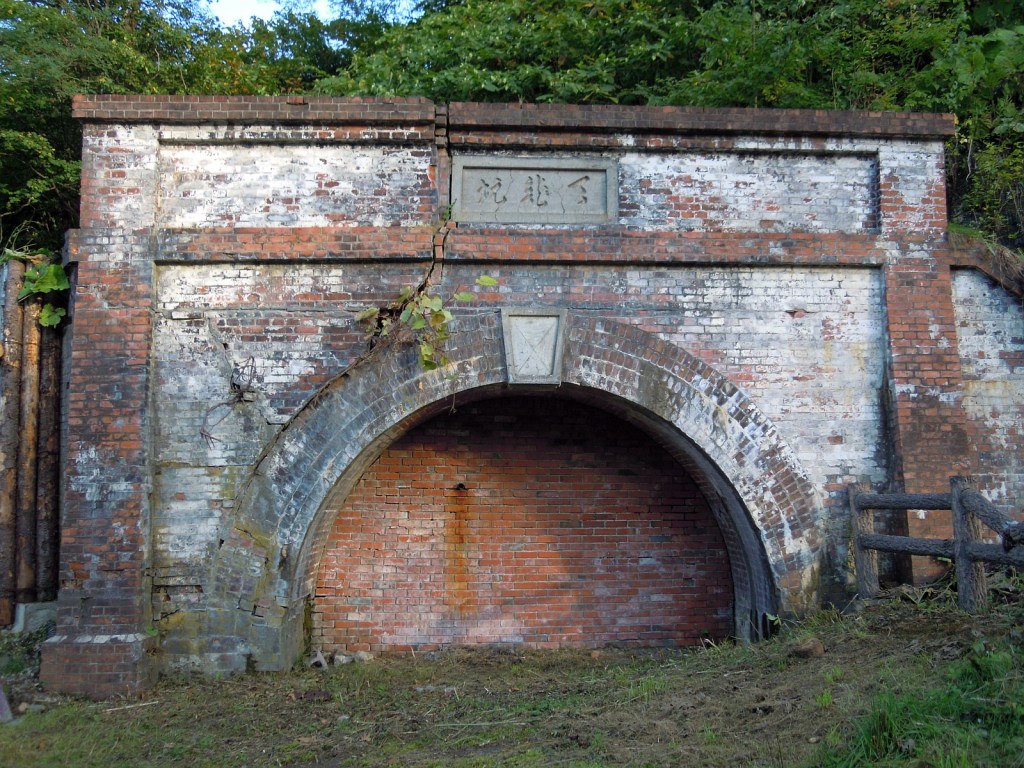
The coal-mining landscape
The history of Yubari is written on the hillsides rather than in a single museum. Drive or walk the upper streets and you pass concrete retaining walls holding back the slopes, the stone bases of hoists and conveyors, brick and concrete shells of company buildings, and long flights of steps that once led to housing blocks. Some of the major sites are marked and interpreted, others are fenced and overgrown, and a few have been demolished since the closures. The scale is what registers: this was an industrial operation that employed thousands, and the forest is taking it back one building at a time. Treat the structures as unsafe and do not enter tunnels or shells.
The town centre and its empty streets
The commercial centre around the station is the most striking part of Yubari: a grid of low buildings with shuttered fronts, a covered arcade with most of its units closed, and a handful of shops, a clinic and a city office still operating. It is not a ruin and it is not a ghost town, and it should be walked with that in mind. People live here, the buses run, and the few open cafes are worth your money. The emptiness is the result of a specific history, the collapse of the coal industry and then of the city’s finances, and the place is more interesting for showing it plainly rather than dressing it up.
Yubari melon in season
The melons are grown under glass in the fields along the valley floor, and from late June the farm stands and direct-sale shops around the town start selling them. A whole Yubari King is expensive, but many stands sell halves and slices, and a slice eaten at a picnic table in the sun is the reason to come in July. The growing method, one fruit per vine and careful control of water, is explained on the signs at the larger stands. Outside the season you will find melon-flavoured sweets, juice and ice cream instead, which are pleasant but not the same thing.
Mount Yubari and the alpine flora
Mount Yubari, on the southern boundary of the city, is a serious day hike rather than a stroll: a long approach through forest, then a ridge with alpine plants, views back over the coal town and, on a clear day, across to the Daisetsuzan range. The mountain is known among botanists for its flora, and the trail is usually open from early summer to early autumn. Take a map, water and proper shoes, and check the weather at the trailhead, since the ridge is exposed. The drive to the trailhead is itself worth it for the river valley and the forest.
The rivers and gorges south of town
The road south towards Minami-Yubari follows the Yubari river through a narrow valley of mixed forest, with gravel banks, small waterfalls and several hot spring establishments tucked into the trees. It is a good drive in autumn, when the maples turn, and a quiet place to stop for lunch. There are dams and hydroelectric works along the river, remnants of the same industrial system that the mines belonged to. Pull-offs are few, so drive slowly and use the signed parking areas rather than stopping on the shoulder.
The roadside stations and local food
The roadside stations on the approaches to Yubari are the practical base for a visit: parking, toilets, maps, and shops selling melon products, potatoes, beans and the thick, chewy Yubari soba that appears on local menus. The restaurants are simple and cheap, with set meals built around soba, pork and vegetables, and they are used by lorry drivers and local families rather than tour buses. It is the place to ask what is currently open in town, since the answer changes from year to year.
The film festival legacy
Yubari became unexpectedly famous in the 1990s for an international fantastic film festival that filled the town’s halls every winter and drew directors and fans from abroad. It ran for two decades, was suspended when the city’s finances collapsed, and has since been revived in various forms. Whether a festival is running in a given year is not something to assume. What remains is a strange cultural footnote in a coal town, and a reminder that places like this have more than one story. Ask locally or check before planning a trip around it.
Food and drink
- Yubari melon is the first thing to eat, in season, bought as a slice at a farm stand rather than a whole fruit. The flesh is dense and perfumed, and the local habit is to eat it chilled with nothing added.
- Yubari soba is the everyday local dish: dark, coarse buckwheat noodles served cold with a dipping sauce or hot in a simple broth, at roadside stations and small restaurants. It is robust rather than refined, and it suits the climate.
- Potatoes, beans and sweetcorn from the surrounding farms appear on the set menus and at the direct-sale stands in late summer. Hokkaido vegetables are the quiet pleasure of a trip through this part of the island.
- The town’s restaurants are few and their hours are limited, especially in the evening. Plan on eating lunch in Yubari and dinner in Iwamizawa or Sapporo, or check with your accommodation about dinner.
- Melon-flavoured sweets, juice and ice cream are sold year-round at the roadside stations and make an easy souvenir. Look for products made with fruit from the town rather than generic melon flavour.
Getting there and around
- Yubari is reached by the JR Yubari branch line from Numanohata, which connects with the Muroran main line and with limited express services from Sapporo. The whole trip from Sapporo is about an hour and a half with a change, and the branch line runs a handful of trains a day, so check the timetable before you go.
- By car, the drive from Sapporo is about an hour and a quarter via the expressway and the national road, and from New Chitose airport about an hour. A car is the practical way to see the mining sites, the melon farms and the mountain roads, since public transport in the town is thin.
- The station is on the edge of the town centre, within walking distance of the main streets and the city office. Taxis are limited, so do not rely on finding one at the station without calling ahead.
- If you are using public transport, base yourself in Iwamizawa or Sapporo and treat Yubari as a day trip. The last trains back leave in the late afternoon, which rules out an evening in town.
- Roads to the mountain and the southern valley are narrow and can close in winter. From November to April, winter tyres are essential and some routes are shut altogether.
Where to stay
- Accommodation in Yubari itself is very limited: a small number of inns and guesthouses, some connected to the hot springs in the surrounding valleys. They are quiet and cheap, and they book out around the melon season and any event.
- The practical base is Iwamizawa, twenty to thirty minutes away by car, which has business hotels, restaurants and a station on the main line. It is a better choice if you are relying on trains.
- Sapporo is an easy day trip at about an hour and a quarter by car, and it gives you the full range of hotels and food. The trade-off is that you see Yubari in the middle of the day, when the light is flat.
- The hot spring inns in the southern valley towards Minami-Yubari are the most atmospheric option, with outdoor baths in the forest. They are remote, mostly Japanese-speaking, and best booked by phone or through a Japanese site.
Best time to visit
- July is melon season and the busiest month, with the farm stands open and the fields under glass. It is also warm and green, and the best time to combine the town with a drive into the hills.
- Autumn, from late September into October, brings colour to the valley and clear air for the mountain. The melon season is over, but the roadside stands are full of potatoes, beans and rice.
- Winter is long, cold and snowy, with temperatures well below freezing and roads that need winter tyres. The town is at its quietest and the coal landscape is at its most stark, but many sites are inaccessible and some businesses close.
- Spring arrives late, with the snow melting through April and the first green in May. It is a good time for the mountain trails at lower altitude and for photography without the summer haze.
- The rainy season is less pronounced in Hokkaido than on the main island, but June can be wet and cool. Carry a shell and expect museums and indoor stops to matter more than usual.
Practical tips
- Check what is open before you go. Facilities in Yubari have closed and reopened repeatedly over the last two decades, and a guidebook from five years ago may be wrong.
- Do not enter mine buildings, tunnels or fenced structures. They are unstable, often on private land, and there is no staffed supervision at most of them.
- A car makes the difference here. The mining sites, the melon farms and the mountain road are spread out and the buses are infrequent.
- If you are coming for the melon, come in July and confirm the harvest has started. Prices at the farm stands are far below the auction prices that make the news.
- Carry cash. Smaller stands and restaurants may not take cards, and the town has few banks.
- Treat the town with respect: it is a place where people still live and work, not an abandoned film set. Ask before photographing people or private property.
Suggested day-trip outline
- Morning: arrive by car or train, walk the town centre and the arcade, and pick up a map at the roadside station or the city office.
- Late morning: drive the upper streets for the coal-mining landscape, stopping at the interpreted sites and keeping to the road where structures are fenced.
- Lunch: soba or a set meal at a roadside station, with a slice of melon in season.
- Afternoon: the melon farms and direct-sale stands, then the drive south along the river valley, with a stop at a hot spring if time allows.
- Full day: add the Mount Yubari trail in summer, starting early and allowing five to six hours for the round trip.
- Evening: drive back to Iwamizawa or Sapporo for dinner and a hotel, since Yubari’s restaurants close early and the last train leaves in the afternoon.
Before you go
Timetables, fares, admission fees, and seasonal access rules can change. Check the official tourism and transport sites linked below for the latest information before you travel.
Explore More of Japan
Published guides that pair with this one:
- Asahikawa Travel Guide: Zoo, Ramen, and a Base for Central Hokkaido
- Sapporo Travel Guide: Food, Parks, and a Hokkaido Base
- Biei and Furano Travel Guide: Flower Fields, Blue Pond, and Hokkaido Scenery
- Otaru Travel Guide: Canal Warehouses, Seafood, and a Day Trip from Sapporo
- Noboribetsu Onsen Travel Guide: Hell Valley and Hokkaido Hot Springs
- Esashi Travel Guide: The Herring Port of Southern Hokkaido
Browse every Hokkaido guide on this site for the rest of the region.
Sources
- city.yubari.lg.jp (checked 2026-11-05)
- visit-hokkaido.jp (checked 2026-11-05)
- hkd.mlit.go.jp (checked 2026-11-05)


Leave a Reply