A practical English guide to Esashi in southern Hokkaido: the old merchant street, Ubagami shrine, the Oiwake song hall, float museum and bus access from Hakodate.
Operational details such as opening hours, admission fees, and train times can change. Prefer official pages and reconfirm before you travel (sources checked on 05 November 2026).
Why visit
- Esashi was the herring capital of Hokkaido. From the late Edo period into the early twentieth century, the spring run of herring into the bays of the southern peninsula made a handful of merchants enormously rich, and the town they built is still there: a single street of dark timber merchant houses, warehouses, banks and temples running back from the harbour, with the mountain behind it.
- This is not a restored theme village. The houses on the old street are a mixture of museums, shops, private homes and empty buildings, and the town has been losing population for decades, which is part of what makes it moving. The scale is small enough to walk in an afternoon and rich enough to justify a night.
- The other thing Esashi is known for is the Oiwake, a style of folk song that arrived with the kitamae boats from the Japan Sea coast and was reshaped here into something slower and more plaintive. The town has a hall where singers perform it every day from late April to October, on a hundred-mat floor, and it is one of the few places in Japan where a local song tradition is presented seriously rather than as a show.
- Add the oldest shrine in Hokkaido, a float festival in August that fills the street, and a seafood lunch, and you have one of the most underrated days in Hokkaido, with almost no foreign visitors.
Top places and highlights
The old merchant street
The Inishie Kaido runs parallel to the coast road, one street back from the harbour, and it is lined with the houses of the herring merchants who financed the town: heavy timber frames, deep eaves, dark stained boards, storehouses behind, and a few buildings with the distinctive raised ridge and thick walls of the northern merchant style. Several are open as small museums or shops, including the former Hiyama district office, a grand Meiji building in pale blue, and the Kaneko family store. The street is free to walk and quiet outside the festival, and the best light on the timber is in the late afternoon. Allow an hour and a half to walk it properly and to look into the side lanes, where the storehouses and the backs of the houses are often more interesting than the fronts.
Ubagami Daijingu
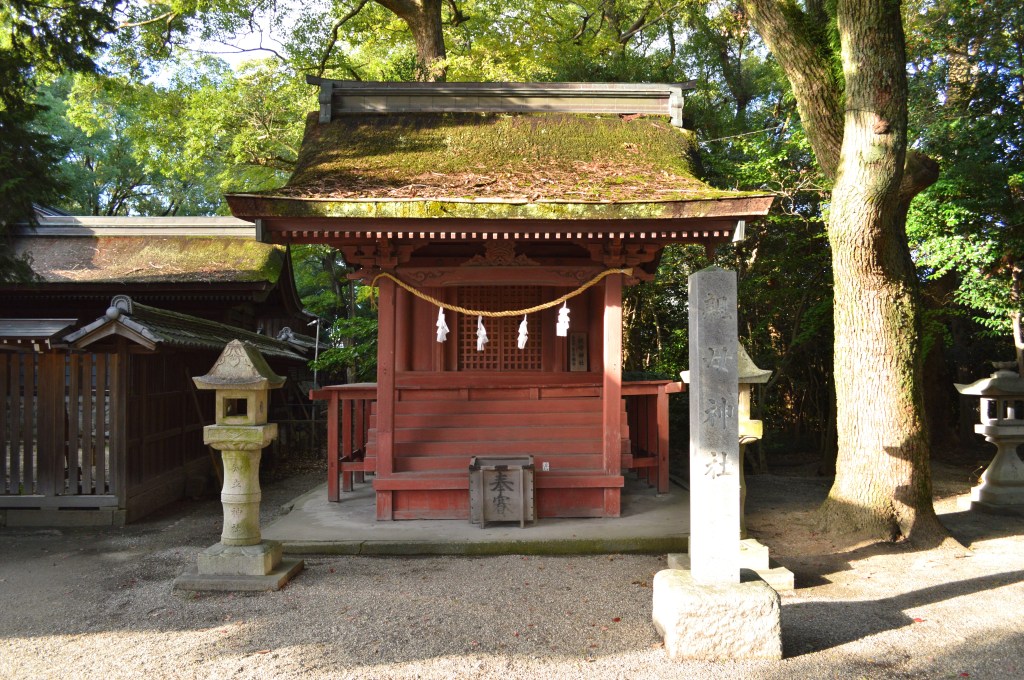
Ubagami is one of the oldest shrines in Hokkaido, founded according to tradition on the site of the hut of an old woman named Orii, who is credited in local legend with calling the herring shoals to the bay and so founding the town’s fortune. The present hall was built in 1837 and given the rank of senior first grade and the title of Daijingu in 1817, which is unusually high for a shrine this far north. It sits at the top of the old street, with a stone approach and a quiet precinct. The shrine is the centre of the town’s biggest event, the Watari Festival on 9 to 11 August, when thirteen floats are pulled through the streets behind three portable shrines; two of the floats are displayed in the adjacent float hall, rotating each year. The precinct is free and always open, with a car park.
The Oiwake hall
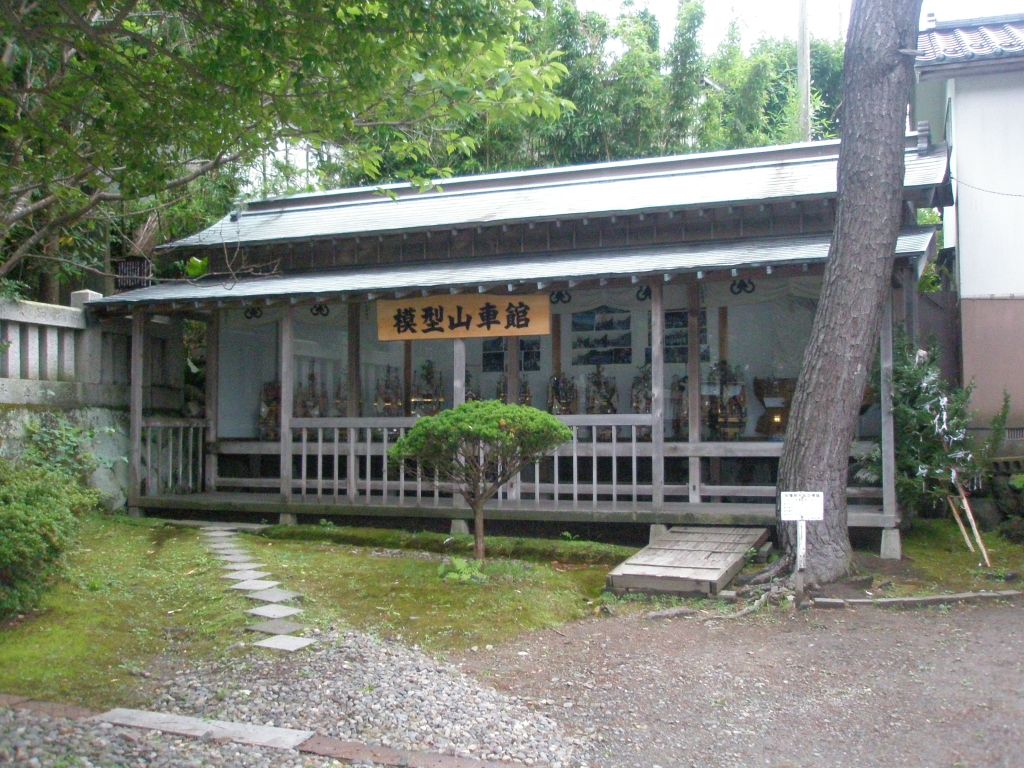
The Oiwake hall exists because the town decided in 1982 that the song was worth preserving properly, and it holds a hundred-mat hall with a stage curtain painted with a view of Esashi, tiered seating on the floor, photographs of every national champion, and an archive of recordings. From late April to October there are demonstrations at 11, 1 and 3, taught by local singers, and the sound in that room is the reason to come: a solo voice, a shamisen and a lot of silence. Entry is 500 yen for adults and 250 for schoolchildren, and the same ticket covers the float hall next door, which displays two of the thirteen festival floats with their dolls and decorations. In winter the halls close on Mondays and the day after holidays, and the demonstrations stop.
The harbour and the Kaiyomaru
The Kaiyomaru was the warship that the Tokugawa shogunate ordered from the Netherlands in 1866, and it sank off Esashi in a storm in December 1868 while supporting the remnants of the shogunate’s army in the Hakodate war. A hundred years later the wreck was excavated, and 32,905 objects were recovered, an early and important piece of underwater archaeology in Japan, and a full-size replica of the ship was built on the waterfront in 1990. Be aware that the memorial museum that housed the recovered material has been closed since November 2025 for the demolition of the adjoining building, with reopening expected around May 2027, so check before travelling if the ship is the reason for your visit. The harbour itself, the breakwater and the view across to Okushiri on a clear day remain open and free.
Esashi sushi and herring
The town eats what the sea gives it, and the local speciality is herring, which is served grilled, dried, marinated and in sushi. The sushi shops around the old street use fish landed at the port, and the prices are much lower than in Hakodate. In early summer the squid and the sea urchin come in, and in autumn the salmon. There are only a dozen or so places to eat, mostly along the main road and near the harbour, and several close early, so lunch is the safe meal rather than dinner.
The view from the hill
Behind the town the ground rises steeply, and the road up to the viewpoint above the harbour gives the shape of the place: the bay, the breakwater, the street running along the shore, and the mountains of the peninsula behind. It takes about twenty minutes to walk up, or five by car, and it is the best place to understand why the herring merchants built here and why the town then stopped growing. On a clear day the island of Okushiri is visible to the west, and the sunsets over the sea are the reason locals drive up in the evening.
Food and drink
- Herring is the local fish, and the town’s sushi shops serve it fresh rather than only marinated, along with squid, sea urchin in early summer and salmon in autumn.
- The sushi in Esashi is cheaper than in Hakodate and just as good, and the shops near the old street are the convenient ones.
- Herring soba, with a piece of cured herring on top of a hot broth, is the local winter dish in the restaurants along the coast.
- The seafood at the port is landed daily, and the small shops near the harbour sell dried fish and kombu to take away.
- There are only a dozen restaurants in the town and several close by late afternoon, so plan lunch rather than dinner, and carry something for the evening.
Getting there and around
- Esashi has no railway. The line from Kikonai was closed in 2014, and the only public transport is the bus.
- From Hakodate station, the Hakodate bus on route 610 to the Esashi terminal takes about two hours and fifteen minutes. Get off at Naka-utamachi for the old street, two minutes on foot, or at Ubagami-cho for the shrine, three minutes on foot.
- From the Hokkaido shinkansen at Kikonai, a bus to Esashi hospital takes about an hour and forty minutes to Naka-utamachi, replacing the old railway.
- From Shin-Hakodate-Hokuto, the bus to the Esashi terminal takes about eighty minutes to an hour and a half.
- By car, Esashi is about ninety minutes from Hakodate and the same from Hakodate airport, and about an hour from Kikonai, on route 228 along the coast.
- There is a ferry from Esashi to Okushiri island, which is a separate trip and weather dependent.
- A discount pass covering the Esashi and Matsumae area buses is sold for visitors doing the circuit of the southern peninsula.
Where to stay
- There are a handful of small hotels and minshuku in the town, mostly near the harbour and the main road, with simple rooms and meals.
- Staying overnight is the way to see the old street in the evening and the morning, when the buses have gone.
- Hakodate has the full range of hotels and is two hours away by bus, which makes Esashi a long day trip rather than a relaxed one.
- Matsumae, further east along the coast, has a few inns and the castle, and combines well with Esashi for a two-day circuit.
Best time to visit
- Summer is the best season for the street and the shrine, and the Watari festival on 9 to 11 August is the biggest event of the year.
- The Oiwake demonstrations run from late April to October, so the music is a summer and autumn thing.
- Autumn is quiet and clear, with the sea at its calmest and the fish at their best.
- Winter is cold, windy and often snowy, the halls close on some days, and several restaurants shut, but the town is at its most atmospheric.
- Spring arrives late, and the cherry on the shrine approach is usually in May rather than April.
Practical tips
- Check whether the Kaiyomaru museum has reopened before you go; it closed in November 2025 and is expected to stay shut until about May 2027.
- Take the bus from Hakodate and stay a night if you can, because the return trip is long and the town is best in the early morning.
- See the Oiwake demonstration on the hour at 11, 1 or 3, and check the season, since it only runs from late April to October.
- Buy the combined ticket for the Oiwake and float halls, which is one price for both.
- Eat lunch rather than dinner, since the restaurants close early and the choice is small.
- Wear shoes for walking; the old street is flat but the side lanes and the shrine approach are rough.
- Ask at the tourist desk about the festival dates if you are travelling in August, because the town fills and the buses change.
Suggested day-trip outline
- Morning: bus from Hakodate to Naka-utamachi, then the old merchant street before the town is fully awake.
- Late morning: Ubagami shrine at the top of the street, and the float hall with its two festival floats.
- Lunch: sushi or herring soba near the harbour.
- Afternoon: the Oiwake hall for the 1 o’clock demonstration, then the harbour and the waterfront.
- Late afternoon: the viewpoint above the town, and the bus back to Hakodate or a night in a minshuku.
Before you go
Timetables, fares, admission fees, and seasonal access rules can change. Check the official tourism and transport sites linked below for the latest information before you travel.
Explore More of Japan
Published guides that pair with this one:
- Hakodate Travel Guide: Night Views, Morning Market, and Southern Hokkaido
- Matsumae Castle Travel Guide: Hokkaido’s Southern History Town
- Onuma Quasi-National Park Travel Guide: Lakes, Islands and Mount Komagatake
- Otaru Travel Guide: Canal Warehouses, Seafood, and a Day Trip from Sapporo
- Asahidake Travel Guide: Ropeway, Sugatami Pond and Japan’s Earliest Autumn
- Jozankei Onsen Travel Guide: Sapporo’s Hot Spring Valley
- Rishiri Island Travel Guide: Rishiri Fuji, Kombu and the Far North
- Cape Erimo Travel Guide: Wind, Seals, and the End of the Hidaka Mountains
- Lake Shikotsu Travel Guide: Highlights, Access, and Planning
- Nemuro and Cape Nosappu Travel Guide: Japan’s Eastern Edge
- Nikka Whisky Yoichi Distillery Travel Guide: Highlights, Access, and Planning
- Sapporo Beer Museum Travel Guide: Highlights, Access, and Planning
- Lake Mashu and Lake Kussharo Guide: Akan-Mashu National Park
- Shiraoi and Upopoy Guide: Ainu Heritage on Hokkaido’s South Coast
Browse every Hokkaido guide on this site for the rest of the region.
Sources
- esashi.town (checked 2026-11-05)
- esashi.town — Access (checked 2026-11-05)
- hakobura.jp (checked 2026-11-05)


Leave a Reply