A practical English guide to Taku in Saga: the old church, the rice country and access from Saga and Karatsu.
Operational details such as opening hours, admission fees, and train times can change. Prefer official pages and reconfirm before you travel (sources checked on 08 November 2026).
Why visit
- Taku is a country town in Saga, on the plain between the Ariake sea and the hills of the interior. It is rice country, with fields and small settlements, and it is one of the quieter places in northern Kyushu.
- The town is known for its Catholic church, a white building with a history that goes back to the early Meiji period, when Christians in the region built their own places of worship after the end of the ban. The church is still in use and is the main reason visitors come.
- Taku is close to Saga and Karatsu, which makes it an easy stop, and it is a good place to see the rural side of the prefecture, with the Ariake sea and its tides within reach.
Top places and highlights
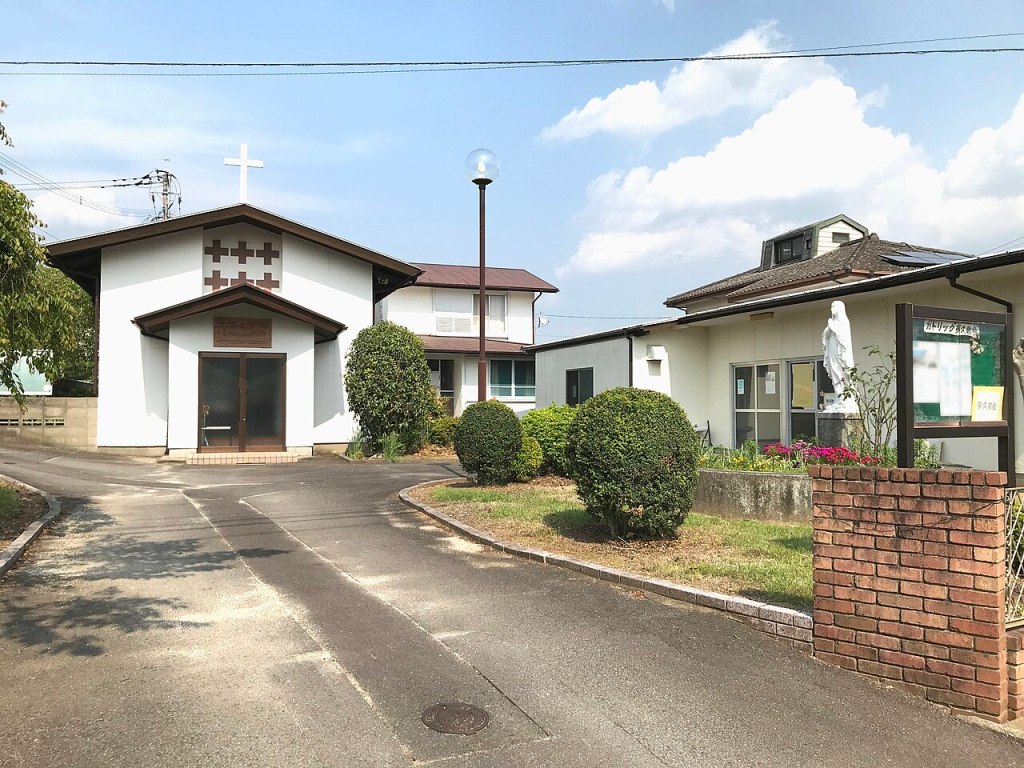
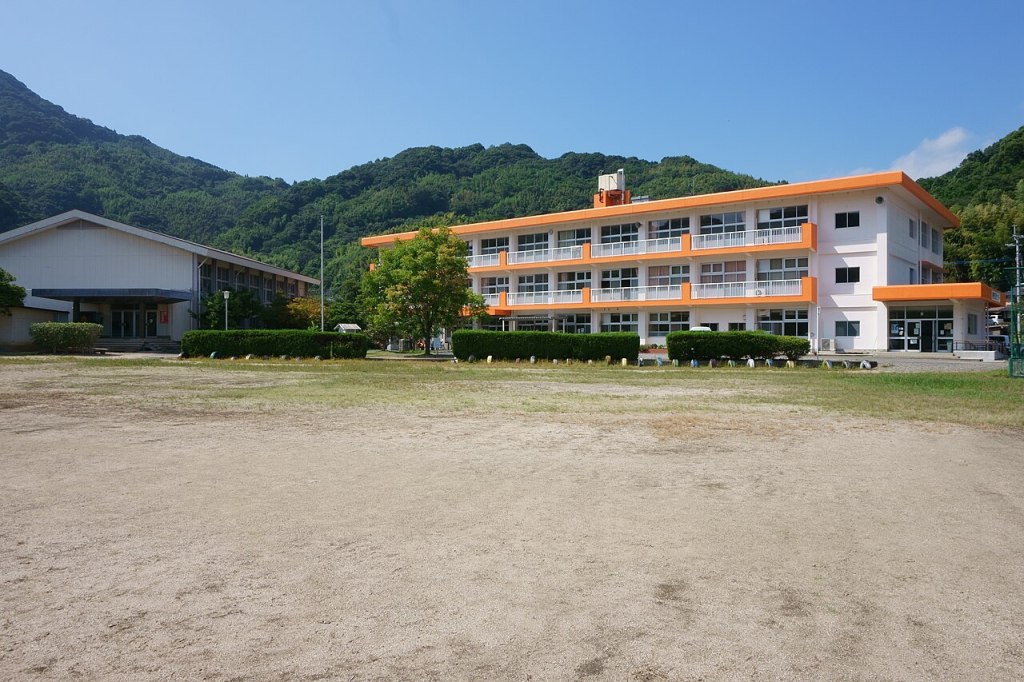
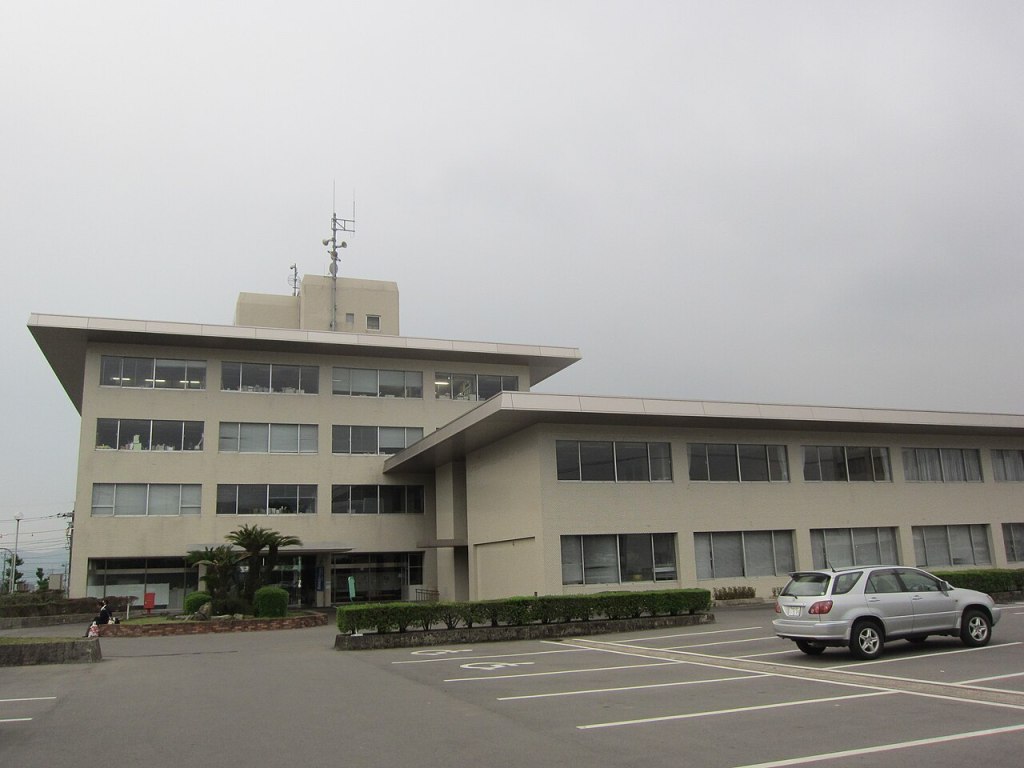
Catholic church
A white church from the early Meiji period, still in use.
Rice country
Fields and small settlements across the Saga plain.
Ariake sea
The sea and its great tides, a short drive from the town.
Quiet roads
Country roads through the farms and villages.
Food and drink
- S
- a
- g
- a
- f
- o
- o
- d
- i
- s
- r
- i
- c
- e
- ,
- f
- i
- s
- h
- a
- n
- d
- v
- e
- g
- e
- t
- a
- b
- l
- e
- s
- ,
- w
- i
- t
- h
- s
- e
- a
- f
- o
- o
- d
- f
- r
- o
- m
- t
- h
- e
- A
- r
- i
- a
- k
- e
- s
- e
- a
- a
- n
- d
- s
- a
- k
- e
- f
- r
- o
- m
- t
- h
- e
- r
- e
- g
- i
- o
- n
- .
- T
- a
- k
- u
- h
- a
- s
- s
- m
- a
- l
- l
- r
- e
- s
- t
- a
- u
- r
- a
- n
- t
- s
- a
- n
- d
- s
- h
- o
- p
- s
- i
- n
- t
- h
- e
- c
- e
- n
- t
- r
- e
- ,
- w
- i
- t
- h
- m
- o
- r
- e
- c
- h
- o
- i
- c
- e
- i
- n
- S
- a
- g
- a
- a
- n
- d
- K
- a
- r
- a
- t
- s
- u
- .
Getting there and around
- T
- a
- k
- u
- i
- s
- o
- n
- t
- h
- e
- J
- R
- K
- a
- r
- a
- t
- s
- u
- l
- i
- n
- e
- ,
- a
- r
- o
- u
- n
- d
- f
- o
- r
- t
- y
- m
- i
- n
- u
- t
- e
- s
- f
- r
- o
- m
- S
- a
- g
- a
- a
- n
- d
- t
- h
- i
- r
- t
- y
- m
- i
- n
- u
- t
- e
- s
- f
- r
- o
- m
- K
- a
- r
- a
- t
- s
- u
- ,
- a
- n
- d
- i
- s
- r
- e
- a
- c
- h
- e
- d
- b
- y
- r
- o
- a
- d
- o
- n
- r
- o
- u
- t
- e
- 2
- 0
- 3
- .
- T
- h
- e
- c
- e
- n
- t
- r
- e
- i
- s
- w
- a
- l
- k
- a
- b
- l
- e
- f
- r
- o
- m
- T
- a
- k
- u
- s
- t
- a
- t
- i
- o
- n
- ,
- b
- u
- t
- t
- h
- e
- c
- h
- u
- r
- c
- h
- a
- n
- d
- t
- h
- e
- s
- e
- a
- n
- e
- e
- d
- a
- b
- u
- s
- ,
- t
- a
- x
- i
- o
- r
- c
- a
- r
- .
Where to stay
- A
- c
- c
- o
- m
- m
- o
- d
- a
- t
- i
- o
- n
- i
- s
- l
- i
- m
- i
- t
- e
- d
- t
- o
- s
- m
- a
- l
- l
- i
- n
- n
- s
- a
- n
- d
- g
- u
- e
- s
- t
- h
- o
- u
- s
- e
- s
- ,
- w
- i
- t
- h
- m
- o
- r
- e
- c
- h
- o
- i
- c
- e
- i
- n
- S
- a
- g
- a
- a
- n
- d
- K
- a
- r
- a
- t
- s
- u
- .
- M
- o
- s
- t
- v
- i
- s
- i
- t
- o
- r
- s
- c
- o
- m
- e
- a
- s
- a
- d
- a
- y
- t
- r
- i
- p
- .
Best time to visit
- S
- p
- r
- i
- n
- g
- a
- n
- d
- a
- u
- t
- u
- m
- n
- a
- r
- e
- t
- h
- e
- m
- o
- s
- t
- c
- o
- m
- f
- o
- r
- t
- a
- b
- l
- e
- .
- S
- u
- m
- m
- e
- r
- i
- s
- h
- o
- t
- a
- n
- d
- h
- u
- m
- i
- d
- ,
- w
- i
- t
- h
- h
- e
- a
- v
- y
- r
- a
- i
- n
- p
- o
- s
- s
- i
- b
- l
- e
- .
- W
- i
- n
- t
- e
- r
- i
- s
- c
- o
- o
- l
- ,
- w
- i
- t
- h
- c
- l
- e
- a
- r
- d
- a
- y
- s
- .
Practical tips
- The church is an active place of worship; keep the tone quiet.
- Check opening times before travelling.
- The Ariake tides are extreme; follow local advice on the mudflats.
Suggested day-trip outline
- Morning: train from Saga or Karatsu.
- Late morning: the Catholic church.
- Lunch: a local restaurant in the centre.
- Afternoon: a drive through the rice country.
- Late afternoon: the Ariake sea.
- Evening: dinner in town, or back to Saga.
Before you go
Timetables, fares, admission fees, and seasonal access rules can change. Check the official tourism and transport sites linked below for the latest information before you travel.
Explore More of Japan
Published guides that pair with this one:
- Okawachiyama Travel Guide: The Secret Porcelain Village of Imari
- Imari Travel Guide: Porcelain Villages in Saga
- Minamata Travel Guide: Sea, Mountains and Memory in Kumamoto
- Ogi Travel Guide: The Kofun Tombs and the Rice Plains of Saga
- Hyuga Travel Guide: Miyazaki’s Cape and Myth Country
Browse every Kyushu guide on this site for the rest of the region.
Sources
- city.taku.lg.jp (checked 2026-11-08)
- pref.saga.lg.jp (checked 2026-11-08)


Leave a Reply