A practical English guide to Ogi in Saga: the Himegozen kofun, the old town, the rice plains and access from Saga and Fukuoka.
Operational details such as opening hours, admission fees, and train times can change. Prefer official pages and reconfirm before you travel (sources checked on 07 November 2026).
Why visit
- Ogi is a small city in the Saga plain, in the centre of the prefecture, and it is a place of rice fields, old towns and burial mounds. It is quiet and agricultural, with a history that goes back to the early tombs of the region, and it is one of the places where the ordinary landscape of Saga is at its clearest.
- The tombs are the attraction. The Himegozen kofun is a large keyhole-shaped mound on the edge of the town, with the moat, the trees and the shape intact, and there are several other mounds in the surrounding fields. They are the tombs of the local rulers of the early period, and they are free to view from the paths.
- The second is the old town. The centre has a few streets of old houses and shops, a shrine with a long approach and a temple, and the scale is small and lived in. The walk takes under an hour, and the pace is the attraction.
- The third is the food and the position. The city is in the rice country of Saga, with the local sake, the vegetables and the beef, and it is within reach of Saga, Fukuoka and the Ariake sea. The combination with the nearby sights makes a half-day, and the town is a good place to see the plain without the crowds.
Top places and highlights
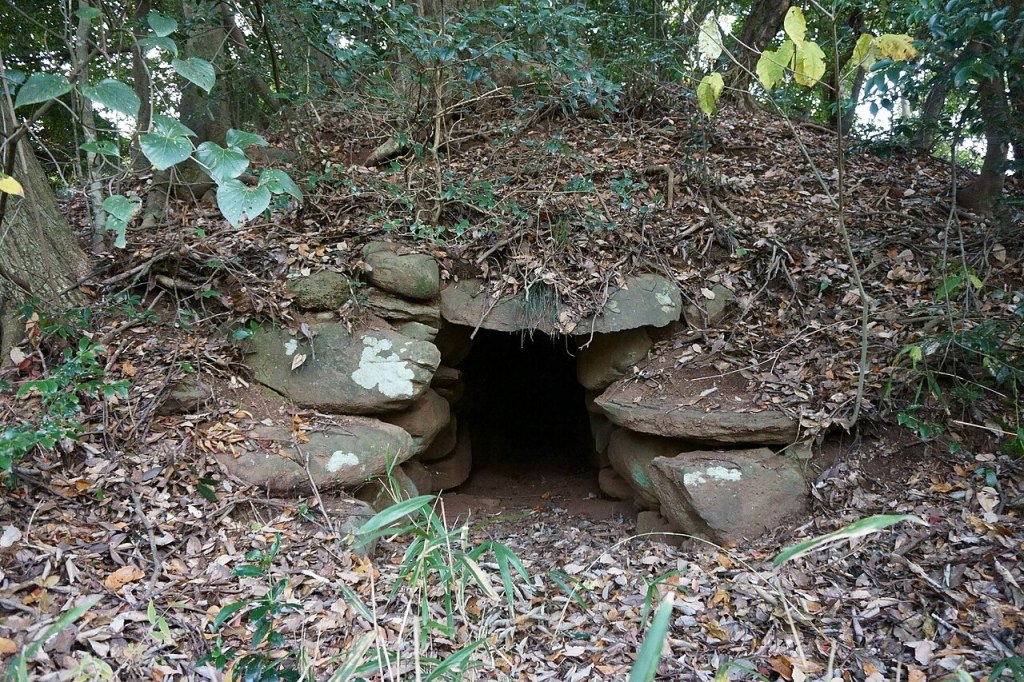
The Himegozen kofun
The large keyhole-shaped mound has the moat, the trees and the shape intact, and it is free to view from the paths. It is one of the tombs of the early rulers of the plain. The scale is impressive from the ground.
The other kofun
The surrounding fields have several other mounds, with the markers and the paths, and the walk between them is quiet and rural. The local maps mark the sites. They give the sense of the early landscape.
The old town
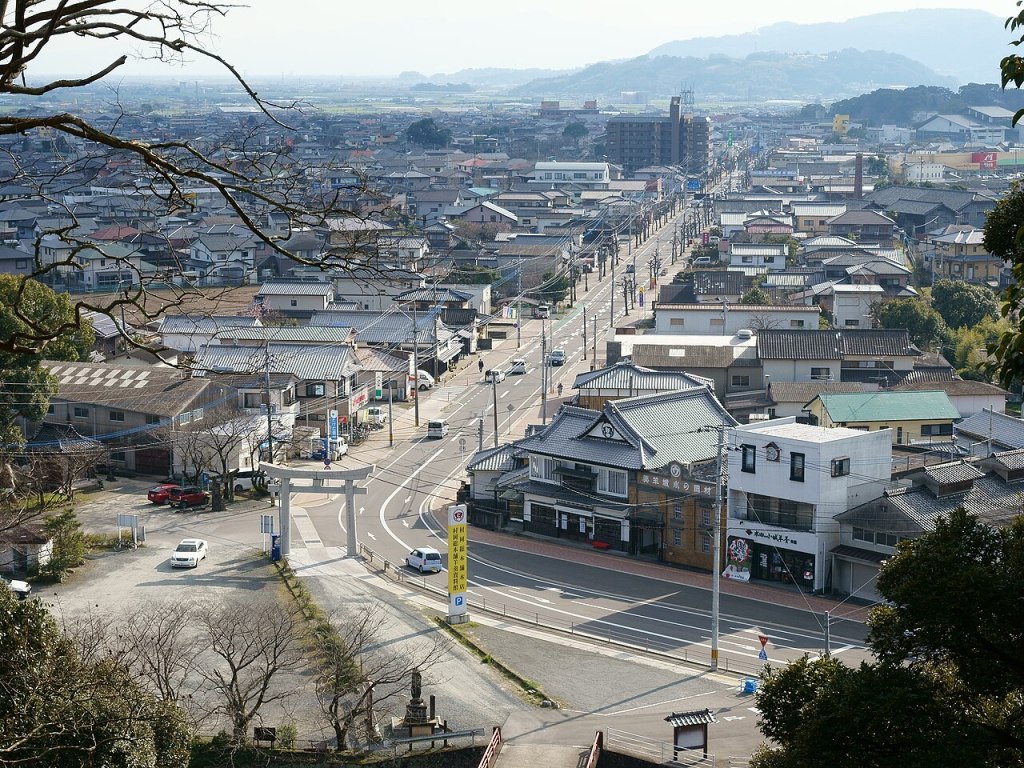
The centre has a few streets of old houses and shops, with the timber fronts and the quiet, and the shrine with its long approach is the focus. The walk takes under an hour. The area is lived in.
The shrine
The shrine has a long tree-lined approach and a hall with the local history, and it is the spiritual centre of the town. The precinct is shaded and quiet. The festival is the local event.
The rice plains
The plain around the city is a patchwork of rice fields, with the irrigation channels and the farmhouses, and the views are wide and open. The cycling and the walking are easy. The harvest in autumn is the local scene.
The local food
The restaurants serve the local rice, the vegetables and the Saga beef, along with the sake of the region. The food is plain and good. The shops sell the produce and the sweets.
The access to Saga and Fukuoka
The city is within an hour of Saga and Fukuoka, with the trains and the roads of the plain, and it fits easily into a day. The combination with the nearby sights makes a full itinerary.
Food and drink
- The rice of the Saga plain is the local staple, served in every restaurant.
- The Saga beef and the local vegetables are the regional food.
- The sake of the region is soft and dry.
- The sweets shops sell the traditional confections.
- The farm stands sell the produce in season.
Getting there and around
- Ogi is on the JR Nagasaki main line, about thirty minutes from Saga and an hour from Fukuoka.
- The station is central, and the old town and the tombs are within walking or cycling distance.
- A bicycle is a good way to see the plain and the mounds.
- The expressway connects the city with Fukuoka and Nagasaki.
- The buses are limited; the town is walkable.
Where to stay
- A few small inns and guesthouses operate near the station.
- Saga and Fukuoka have the wider choice and are within an hour.
- Book ahead in spring, when the plain is at its best.
- The farm stays offer meals and a quiet night.
Best time to visit
- Spring is mild, with blossom in the shrine and the fields.
- Summer is hot and humid, with the rice at its greenest.
- Autumn is the harvest and the best season for the plain.
- Winter is cold and quiet, with the fields bare and the air clear.
Practical tips
- The tombs are free to view; keep to the paths.
- The old town is a residential area; keep quiet.
- A bicycle makes the plain and the mounds easier.
- The restaurants are few and close early.
- The shrine festival date changes each year.
- Combine the visit with Saga and the Yoshinogari site.
Suggested day-trip outline
- Morning: the train from Saga to Ogi.
- Late morning: the Himegozen kofun and the other mounds.
- Lunch: a set meal in the town.
- Afternoon: the old town and the shrine.
- Late afternoon: the rice fields by bicycle.
- Evening: back to Saga or Fukuoka.
Before you go
Timetables, fares, admission fees, and seasonal access rules can change. Check the official tourism and transport sites linked below for the latest information before you travel.
Explore More of Japan
Published guides that pair with this one:
- Okawachiyama Travel Guide: The Secret Porcelain Village of Imari
- Goto Islands Travel Guide: Churches, Coves and the Edge of Kyushu
- Hita Travel Guide: The Mameda Old Town and the Gion Festival
- Hitoyoshi Travel Guide: The Kuma River, Boat Trips and Castle Town Streets
- Kunisaki Travel Guide: Fuki-ji, the Stone Buddhas and the Rokugo Manzan Temples
Browse every Kyushu guide on this site for the rest of the region.
Sources
- city.ogi.lg.jp (checked 2026-11-07)


Leave a Reply