A practical English guide to Hyuga in Miyazaki: Cape Hyuga, the Sea Cross, the myths of the region and access from Miyazaki and Oita.
Operational details such as opening hours, admission fees, and train times can change. Prefer official pages and reconfirm before you travel (sources checked on 07 November 2026).
Why visit
- Hyuga is a coastal city in northern Miyazaki, facing the Hyuga Sea, and it is bound up with Japanese myth. The region appears in the oldest chronicles as the place where the ancestors of the imperial line came from, and shrines and place names around the city carry that weight.
- The landscape matches the stories: a rugged coast, a cape with a famous rock formation offshore, and small islands and reefs along the water. Cape Hyuga is the main sight, with a cross-shaped reef just off the point and a viewpoint above it.
- Hyuga is also a working fishing city, with a port, markets and seafood restaurants, and it makes a good stop between Miyazaki and Oita on the Nichinan and Nippo lines.
Top places and highlights
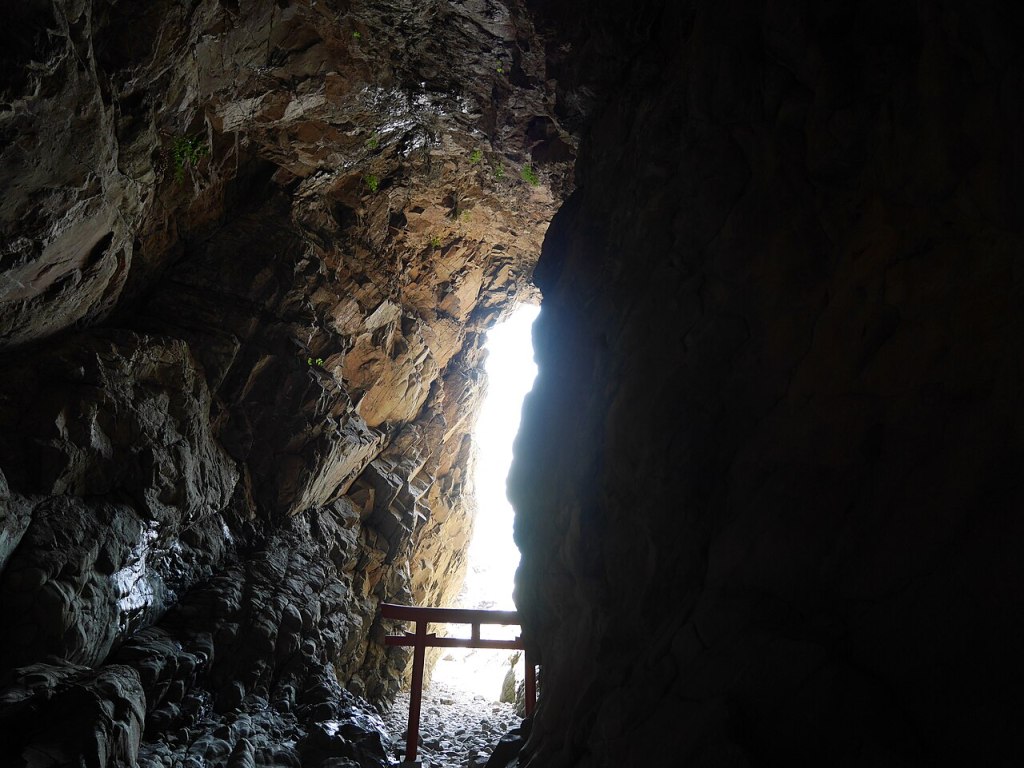
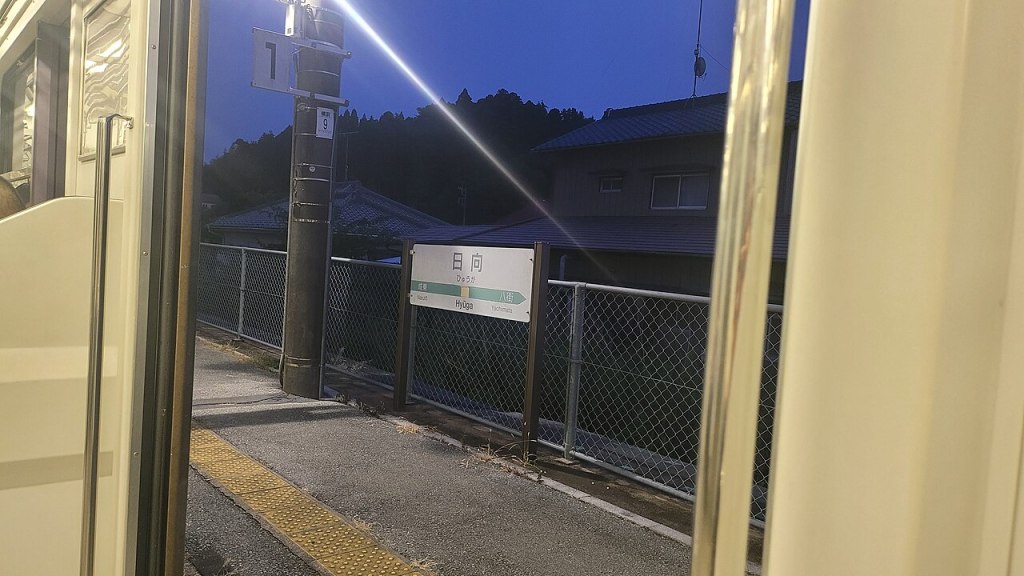
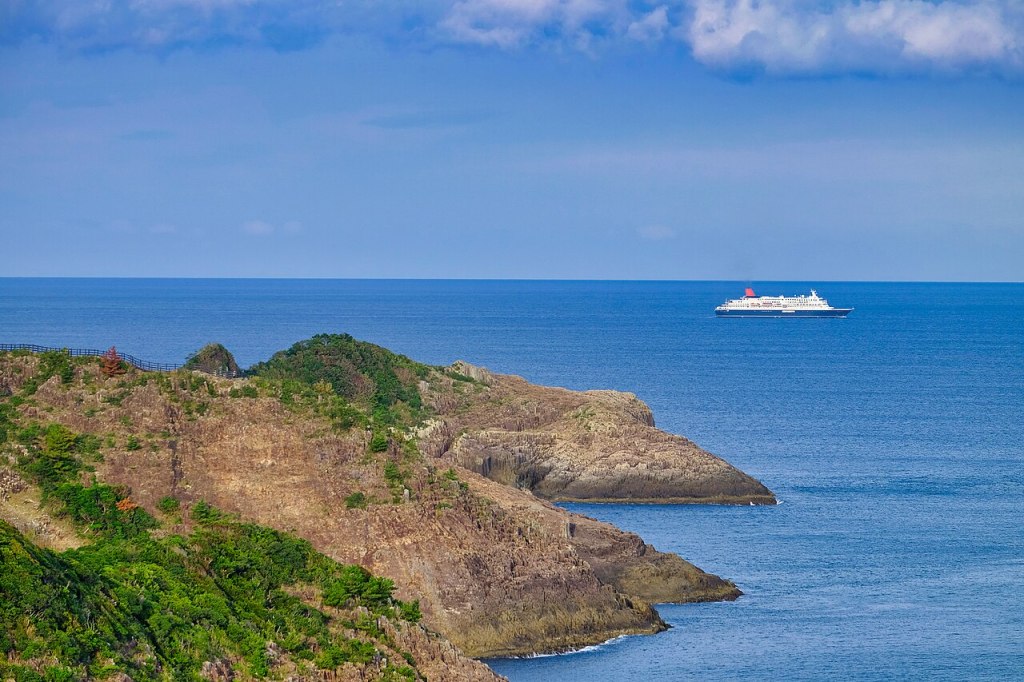
Cape Hyuga
The headland south of the city, with the Sea Cross reef and a clifftop viewpoint.
Shrines and myth
Local shrines tied to the region’s role in Japan’s founding myths.
Coast and islands
Reefs, small islands and clear water along the Hyuga Sea.
Port and seafood
A working harbour with fish and local restaurants.
Food and drink
- M
- i
- y
- a
- z
- a
- k
- i
- f
- o
- o
- d
- i
- s
- g
- e
- n
- e
- r
- o
- u
- s
- :
- c
- h
- i
- c
- k
- e
- n
- n
- a
- n
- b
- a
- n
- ,
- g
- r
- i
- l
- l
- e
- d
- c
- h
- i
- c
- k
- e
- n
- ,
- m
- a
- n
- g
- o
- a
- n
- d
- c
- i
- t
- r
- u
- s
- i
- n
- s
- e
- a
- s
- o
- n
- ,
- a
- n
- d
- f
- i
- s
- h
- f
- r
- o
- m
- t
- h
- e
- H
- y
- u
- g
- a
- S
- e
- a
- .
- H
- y
- u
- g
- a
- ‘
- s
- p
- o
- r
- t
- a
- r
- e
- a
- h
- a
- s
- s
- e
- a
- f
- o
- o
- d
- r
- e
- s
- t
- a
- u
- r
- a
- n
- t
- s
- a
- n
- d
- m
- a
- r
- k
- e
- t
- s
- ,
- w
- i
- t
- h
- m
- o
- r
- e
- c
- h
- o
- i
- c
- e
- i
- n
- c
- e
- n
- t
- r
- a
- l
- M
- i
- y
- a
- z
- a
- k
- i
- .
Getting there and around
- H
- y
- u
- g
- a
- i
- s
- o
- n
- t
- h
- e
- N
- i
- p
- p
- o
- m
- a
- i
- n
- l
- i
- n
- e
- ,
- r
- e
- a
- c
- h
- e
- d
- b
- y
- l
- i
- m
- i
- t
- e
- d
- e
- x
- p
- r
- e
- s
- s
- f
- r
- o
- m
- M
- i
- y
- a
- z
- a
- k
- i
- a
- n
- d
- O
- i
- t
- a
- ,
- w
- i
- t
- h
- t
- h
- e
- s
- t
- a
- t
- i
- o
- n
- c
- l
- o
- s
- e
- t
- o
- t
- h
- e
- c
- i
- t
- y
- c
- e
- n
- t
- r
- e
- .
- T
- h
- e
- c
- a
- p
- e
- i
- s
- a
- b
- u
- s
- o
- r
- t
- a
- x
- i
- r
- i
- d
- e
- f
- r
- o
- m
- t
- h
- e
- s
- t
- a
- t
- i
- o
- n
- ,
- a
- n
- d
- a
- c
- a
- r
- m
- a
- k
- e
- s
- t
- h
- e
- c
- o
- a
- s
- t
- e
- a
- s
- i
- e
- r
- .
Where to stay
- A
- c
- c
- o
- m
- m
- o
- d
- a
- t
- i
- o
- n
- i
- s
- m
- o
- s
- t
- l
- y
- b
- u
- s
- i
- n
- e
- s
- s
- h
- o
- t
- e
- l
- s
- a
- n
- d
- s
- m
- a
- l
- l
- i
- n
- n
- s
- i
- n
- t
- h
- e
- c
- i
- t
- y
- ,
- w
- i
- t
- h
- s
- o
- m
- e
- c
- o
- a
- s
- t
- a
- l
- o
- p
- t
- i
- o
- n
- s
- .
- I
- t
- i
- s
- a
- p
- r
- a
- c
- t
- i
- c
- a
- l
- s
- t
- o
- p
- r
- a
- t
- h
- e
- r
- t
- h
- a
- n
- a
- r
- e
- s
- o
- r
- t
- b
- a
- s
- e
- .
Best time to visit
- S
- p
- r
- i
- n
- g
- a
- n
- d
- a
- u
- t
- u
- m
- n
- a
- r
- e
- t
- h
- e
- m
- o
- s
- t
- c
- o
- m
- f
- o
- r
- t
- a
- b
- l
- e
- .
- S
- u
- m
- m
- e
- r
- i
- s
- h
- o
- t
- a
- n
- d
- h
- u
- m
- i
- d
- w
- i
- t
- h
- s
- t
- r
- o
- n
- g
- s
- u
- n
- .
- W
- i
- n
- t
- e
- r
- i
- s
- m
- i
- l
- d
- a
- n
- d
- c
- o
- m
- p
- a
- r
- a
- t
- i
- v
- e
- l
- y
- d
- r
- y
- o
- n
- t
- h
- i
- s
- c
- o
- a
- s
- t
- .
- T
- h
- e
- c
- a
- p
- e
- i
- s
- b
- e
- s
- t
- i
- n
- c
- l
- e
- a
- r
- w
- e
- a
- t
- h
- e
- r
- ,
- w
- h
- e
- n
- t
- h
- e
- r
- e
- e
- f
- i
- s
- v
- i
- s
- i
- b
- l
- e
- .
Practical tips
- Check bus times to the cape, which are limited outside peak periods.
- The clifftop paths are exposed; take care in wind and rain.
- Typhoon season can bring rough seas and closures in late summer.
Suggested day-trip outline
- Morning: train into Hyuga and a walk through the centre.
- Late morning: a local shrine tied to the region’s myths.
- Lunch: seafood near the port.
- Afternoon: Cape Hyuga and the Sea Cross viewpoint.
- Late afternoon: the coast road, with a stop at a small beach.
- Evening: dinner in town.
Before you go
Timetables, fares, admission fees, and seasonal access rules can change. Check the official tourism and transport sites linked below for the latest information before you travel.
Explore More of Japan
Published guides that pair with this one:
- Goto Islands Travel Guide: Churches, Coves and the Edge of Kyushu
- Miyazaki City Travel Guide: Palms, Shrines and the Phoenix Road
- Nichinan Coast and Udo Jingu: Miyazaki’s Shrine in a Cave
- Ogi Travel Guide: The Kofun Tombs and the Rice Plains of Saga
- Hita Travel Guide: The Mameda Old Town and the Gion Festival
Browse every Kyushu guide on this site for the rest of the region.
Sources
- hyuga.or.jp (checked 2026-11-07)
- kanko-miyazaki.jp (checked 2026-11-07)


Leave a Reply