Lake Mashu and Lake Kussharo in eastern Hokkaido: the observatories, the Kussharo coastline, Kawayu Onsen, and how to reach Teshikaga by train or car.
Operational details such as opening hours, admission fees, and train times can change. Prefer official pages and reconfirm before you travel (sources checked on 31 October 2026).
Why visit
- Lake Mashu is a crater lake in Akan-Mashu National Park, known for clear water and for the steep rim that keeps visitors at a distance.
- Lake Kussharo next door is the opposite: a large caldera lake with beaches, hot springs at the shore and small settlements.
- The two are close enough to see in one day by car, which makes the Teshikaga area efficient.
- Winter brings frozen lakes and a quiet landscape, while summer and autumn are the classic seasons.
Top places and highlights
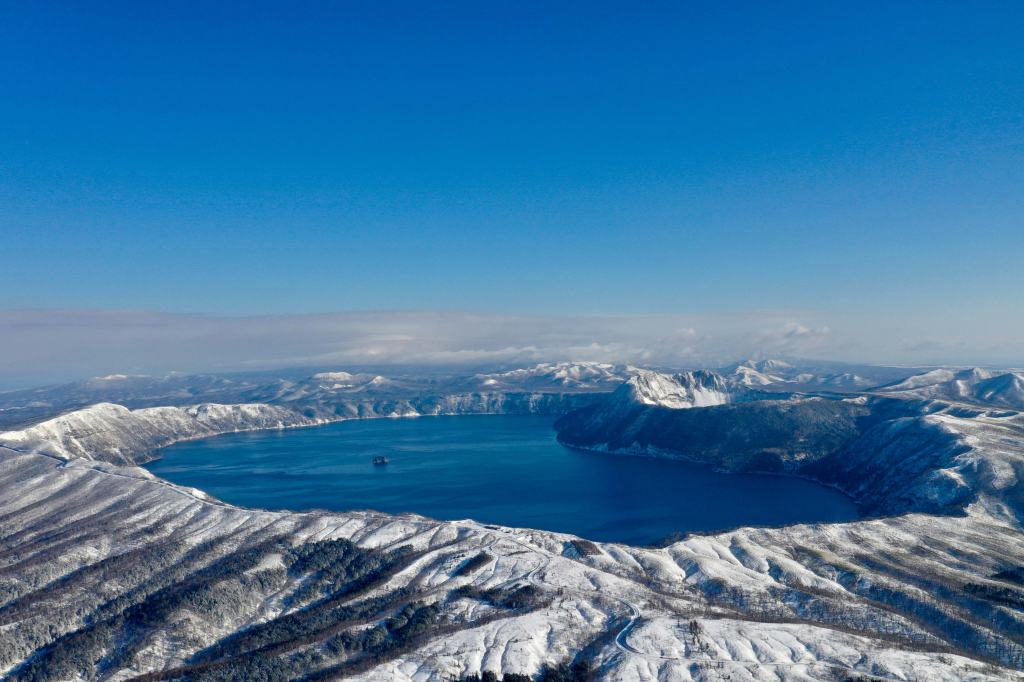
Lake Mashu observatories
The rim viewpoints look down on the water from high above. Clouds and fog often hide the lake, so plan for a second attempt if you can.
Lake Kussharo shoreline
The Wakoto peninsula and the eastern shore have paths, small beaches and hot water seeping into the sand at the water’s edge.
Kawayu Onsen
A hot spring town between the lakes, with public baths and a base for both lakes and nearby forest.
Iozan and the Ainu place names
Sulphur vents and steaming ground sit beside the lakes, and the Ainu names of the lakes and mountains are still in everyday use.
Food and drink
- Kawayu and Teshikaga have small restaurants serving Hokkaido standards: ramen, curry and dairy desserts.
- Dairy from the surrounding farms shows up in ice cream and cheese sold locally.
- Restaurants close early outside the main season, so eat before the evening.
Getting there and around
- By train: the JR Senmo line runs through Teshikaga, with stations at Kawayu Onsen and Mashu; buses connect stations to the lakes.
- By car: roughly an hour from Kushiro or Abashiri, with rental cars available at both airports.
- Bus services to the observatories are seasonal and infrequent; check current timetables with the operator.
- Driving between the two lakes takes a short time, so a car is the practical way to see both in a day.
Where to stay
- Kawayu Onsen has hot spring hotels and ryokan between the lakes.
- Teshikaga has guesthouses and farm stays.
- Kushiro and Abashiri are the nearest cities with a full range of hotels.
Best time to visit
- June to October is the main season, with green forest and mild weather.
- Autumn brings colour around the lakes; check the local forecast, as leaves turn earlier than in central Japan.
- Winter is cold and the roads can be icy; the lakes freeze and the area is very quiet.
- Fog on Lake Mashu is most likely in summer mornings.
Practical tips
- Do not expect to walk down to Lake Mashu’s shore; access is from the rim.
- Bring layers; the lakes are higher and cooler than the coast.
- Check the bus timetable before relying on public transport, and have a fallback plan.
- Carry cash, as some small businesses do not take cards.
Suggested day-trip outline
- Morning: Lake Mashu first, while the air is clear, from the rim observatories.
- Midday: drive to Lake Kussharo and walk the Wakoto peninsula.
- Afternoon: hot spring bath at Kawayu Onsen or at the lake shore.
- Evening: return to Kushiro, Abashiri or stay in Kawayu for an early start.
Before you go
Timetables, fares, admission fees, and seasonal access rules can change. Check the official tourism and transport sites linked below for the latest information before you travel.
Explore More of Japan
Published guides that pair with this one:
- Akan-Mashu Travel Guide: Lakes, Marimo, and Ainu Culture in Hokkaido
- Kushiro Marsh Guide: Japan’s Largest Wetland and Its Cranes
- Abashiri Drift Ice Travel Guide: Winter on the Okhotsk Coast
- Sounkyo Gorge Travel Guide: Waterfalls, Kurodake and Daisetsuzan
- Shiretoko Travel Guide: UNESCO Wilderness at the Edge of Hokkaido
Browse every Hokkaido guide on this site for the rest of the region.
Sources
- Teshikaga Town Tourism Association (official) (checked 2026-10-31)
- Teshikaga Town (official) (checked 2026-10-31)


Leave a Reply