A practical English guide to Miyazaki city: the palm-lined coast, Miyazaki Jingu, Heiwadai park, the food and access from Fukuoka and Kagoshima.
Operational details such as opening hours, admission fees, and train times can change. Prefer official pages and reconfirm before you travel (sources checked on 05 November 2026).
Why visit
- Miyazaki is a small city on the east coast of Kyushu with palm trees along the main road, a shrine dedicated to the first emperor, and a coastline of volcanic rock and surf. It is the least visited of the prefectural capitals in Kyushu, and that is part of the appeal: the food is excellent, the light is bright, and the pace is slower than Fukuoka or Kagoshima.
- The city’s identity is bound up with Japanese myth. The shrine of Miyazaki Jingu enshrines Jimmu, the legendary first emperor, and the surrounding sites, including the cave where his ancestors were said to have been born, are scattered through the countryside. Whether or not you take the mythology literally, the shrines are old, quiet and set among trees, and they give the city a sense of origin that most regional capitals lack.
- The coast is the other reason to come. Aoshima is a small island ringed by a beach and connected to the mainland by a bridge, and the rock platform around it, the Oni no Sentakuita or Devil’s Washboard, is a grid of natural stone that appears at low tide. South of the city, the Nichinan coast runs towards Udo Jingu with cliffs, palm groves and surf spots, and it is one of the better coastal drives in Japan.
- And then there is the food: chicken nanban, cold hiyajiru soup in summer, mangoes in season, and shochu from the surrounding distilleries. Miyazaki eats well, and it eats cheaply, and the izakaya around the station are full of local people rather than tourists.
Top places and highlights
Miyazaki Jingu
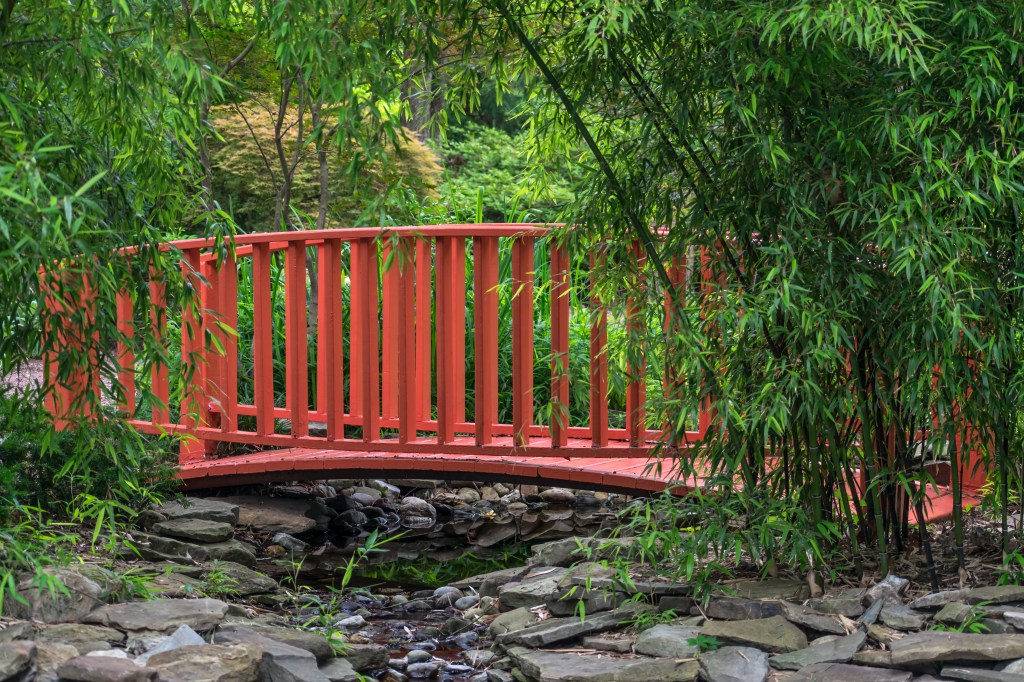
The shrine sits in a grove of tall trees on the north side of the city, at the end of a wide approach, and it is dedicated to Jimmu, the legendary first emperor of Japan. The buildings are painted in the traditional vermilion and white, and the grounds are large enough to walk for half an hour. It is a working shrine, with weddings and monthly ceremonies, and the atmosphere is calm rather than grand. The approach is at its best in the early morning, when the light comes through the trees and the shrine is almost empty.
Aoshima and the Devil’s Washboard
Aoshima is a small island at the mouth of the bay, reached by a bridge, with a shrine in the middle and a beach on one side. Around it, at low tide, the rock platform emerges as a grid of ridges and troughs, formed by the cooling of ancient lava, and it looks like a giant washboard. It is a protected natural monument, and walking on it is restricted to the marked areas. Check the tide tables before you go, since the platform is only visible at low water, and wear shoes with grip.
Heiwadai park
Heiwadai park sits on a hill above the city, with lawns, a peace tower and a view over the rooftops to the sea. The tower was built in the early twentieth century and has a complicated history, and the park is now a quiet place for a walk, with a small museum and a garden of stone monuments. It is a good spot for the late afternoon, when the light is soft and the city below starts to glow, and it is a short taxi or bus ride from the centre.
The Nichinan coast
The road south from Miyazaki runs along the coast towards Nichinan, with cliffs, small beaches, palm groves and viewpoints. Udo Jingu, a shrine in a cave above the sea, is the best-known stop, and the drive itself is the attraction: the water is a deep blue, the rock is red and grey, and the curves of the road follow the shape of the bays. Allow a full day if you want to stop often, and check the weather, since the coast road is exposed to wind and rain.
Chicken nanban and the local food
Chicken nanban is Miyazaki’s contribution to Japanese home cooking: fried chicken dipped in sweet vinegar and topped with tartar sauce, served with rice and salad. It is on menus everywhere, from casual lunch shops to izakaya, and the local version is lighter than the city versions elsewhere. The other dish to try is hiyajiru, a cold miso soup poured over rice with cucumber and fish, which is the summer staple. Both are cheap and both are best in the ordinary restaurants rather than the hotel dining rooms.
The mangoes and the market
Miyazaki is famous for its mangoes, sold under brand names at prices that make the news, and for the general quality of its fruit. In season, from late spring to summer, the shops and markets sell mangoes, lychees and citrus, and the department store food halls have elaborate displays. The central market is the place to see the produce and buy a box, and the prices at the market are far below the gift-shop rates. Outside the season, the local fruit juices and sweets are the fallback.
The city’s ordinary streets
Miyazaki is not a sightseeing city in the conventional sense, and its pleasure is in the everyday: the palm-lined boulevard, the covered arcades, the coffee shops and the izakaya. Walk from the station towards the river and the park, and you will pass the kind of shops and restaurants that serve local people. The city is flat and easy to walk, and it is small enough that you can cover the centre in an afternoon without a plan.
Food and drink
- Chicken nanban is the local dish to order first: fried chicken, sweet vinegar, tartar sauce and rice. Every second restaurant serves it, and the lunch sets are cheap.
- Hiyajiru is the summer dish, a cold soup of miso, cucumber, tofu and fish poured over rice. It is refreshing in the heat and hard to find outside Kyushu.
- Miyazaki mangoes are the luxury item, sold in gift boxes at extraordinary prices, but the market and the roadside stands sell them more reasonably in season. The local citrus and the lychees are also good.
- Shochu is the drink of the prefecture, with sweet potato, barley and rice versions, and the distilleries around the city offer tastings. Drink it with water or on the rocks, as the locals do.
- The izakaya around the station serve the local fish, the chicken and the vegetables, and they are busy on weekdays. Look for the ones with a handwritten menu and a counter, and go early.
Getting there and around
- Miyazaki is on the JR Nichinan line and the Nippo main line, with limited express services from Kagoshima in about two hours and from Fukuoka in about four. The station is in the centre, within walking distance of the main hotels and restaurants.
- Miyazaki airport has flights from Tokyo, Osaka and Fukuoka, and the airport is close to the city, with a bus or taxi into the centre in twenty minutes. For travellers from Tokyo, flying is faster than the train.
- The city is flat and easy to walk, and the main sights in the centre are within half an hour on foot. For Aoshima and the coast, use the JR Nichinan line or a car.
- A car is the best way to see the Nichinan coast and Udo Jingu, since the buses are infrequent and the stops are far apart. Rent at the airport or the station.
- Buses run to Aoshima and along the coast, but the timetables are thin outside the peak season. Check the return times before you set out.
Where to stay
- Hotels around Miyazaki station are the practical base, with business hotels and a few larger ones within walking distance of the restaurants and the arcades.
- The coast at Aoshima has resort hotels and guesthouses with sea views, and it is a good base for the beach and the rock platform. The train to the city takes about twenty minutes.
- The hot spring towns inland, such as Kirishima, are within reach by car or train and offer a very different stay, with mountain views and outdoor baths. They are quieter and more expensive.
- For a longer stay, the Nichinan coast has small inns and surf lodges, and the pace there is slower than the city. A car is needed for most of them.
Best time to visit
- Spring, from March to May, is mild and green, with cherry blossom in the parks and the shrine grounds. It is the best season for walking and for the coast road.
- Summer is hot and humid, with strong sun and occasional typhoons. The beaches and the surf are at their best, and hiyajiru is on every menu. The mango season is in late spring and summer.
- Autumn, from October to November, brings clear, dry weather and comfortable temperatures, and it is the best time for the Nichinan coast and for photography.
- Winter is mild, with temperatures around ten to fifteen degrees and clear days. It is the quiet season, the prices are low, and the shrines are at their most peaceful.
- The rainy season runs from early June to mid-July, with heavy showers. The coast road is still worth driving, but the views are often hazy and the rock platform is slippery.
Practical tips
- Check the tide table before visiting Aoshima. The rock platform is only visible at low tide, and it is the main reason to go.
- Rent a car for the Nichinan coast and Udo Jingu. The buses are infrequent, and the drive is the point.
- Eat chicken nanban at a lunch shop rather than a hotel restaurant; the local versions are better and cheaper.
- Carry cash for the small restaurants and the market. Cards are accepted in the hotels and larger shops, but not everywhere.
- Allow two days if you want both the city and the coast. One day for the shrines and the food, one for the drive south.
- Watch the weather in summer and early autumn. Typhoons can close the coast road and cancel flights, and the city is used to it.
Suggested day-trip outline
- Morning: Miyazaki Jingu at opening time, then a walk through the surrounding streets back towards the centre.
- Late morning: the market and the arcades, with a coffee stop and a look at the local produce.
- Lunch: chicken nanban at a local shop, with hiyajiru in summer.
- Afternoon: the train to Aoshima, the beach and the rock platform at low tide, and the shrine on the island.
- Evening: izakaya around the station with local fish, chicken and shochu.
- Second day: the Nichinan coast by car, with Udo Jingu and the viewpoints, returning to the city for dinner.
Before you go
Timetables, fares, admission fees, and seasonal access rules can change. Check the official tourism and transport sites linked below for the latest information before you travel.
Explore More of Japan
Published guides that pair with this one:
- Sakurajima Travel Guide: An Active Volcano across from Kagoshima
- Kirishima Onsen Travel Guide: Volcanic Peaks, Steam and Mountain Ryokan
- Yufuin Travel Guide: Onsen Town Walks and Mount Yufu Views
- Beppu Travel Guide: The Steam City and the Hell Springs
- Nichinan Coast and Udo Jingu: Miyazaki’s Shrine in a Cave
Browse every Kyushu guide on this site for the rest of the region.
Sources
- city.miyazaki.miyazaki.jp (checked 2026-11-05)
- kanko-miyazaki.jp (checked 2026-11-05)


Leave a Reply