A practical English guide to Kofu in Yamanashi: the Takeda shrine, the wine region, the old temples and access from Tokyo.
Operational details such as opening hours, admission fees, and train times can change. Prefer official pages and reconfirm before you travel (sources checked on 05 November 2026).
Why visit
- Kofu is the capital of Yamanashi, in a wide basin surrounded by mountains about two hours west of Tokyo, and it is the city of the Takeda clan, one of the great samurai families of the sixteenth century. The Takeda ruled the province from their mansion at Tsutsujigasaki, on the edge of the city, and their story is the reason the city has a shrine, a museum and a set of sites.
- Takeda Shrine stands on the site of the Takeda mansion, on a wooded hill above the city, and it is dedicated to Takeda Shingen, the most famous of the clan. The shrine is quiet and elegant, with a long approach, old trees and a view of the mountains, and it is the place to start.
- Kofu is also one of the great wine regions of Japan. The basin has the right soil and sun, and the wineries around the city produce most of the country’s wine, with tasting rooms, cellars and vineyards open to visitors. It is a side of Japan that most travellers miss, and it is easy to reach from the city.
- The city has the usual Japanese provincial attractions: a castle site, temples, a market, a museum and the local food, which includes the hoto, the thick miso noodle soup, and the grapes. It is a comfortable base for the mountains of Yamanashi, including the Fuji five lakes, and it is a good place to see a Japanese city that is not on the standard tourist route.
Top places and highlights
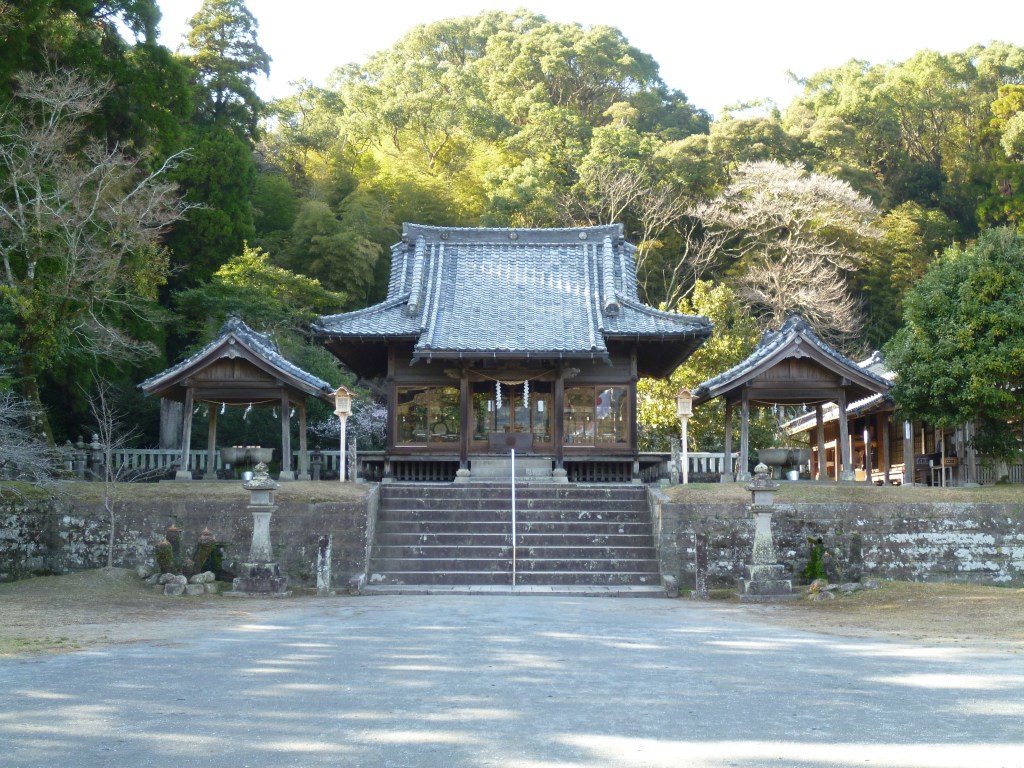
Takeda Shrine
The shrine stands on the site of the Takeda mansion, on a wooded hill above the city, and it is dedicated to Takeda Shingen. The approach runs between old trees and stone lanterns, and the main hall is a fine wooden building with a copper roof. The shrine is quiet and well kept, and the view from the grounds over the basin and the mountains is the reason to climb.
The Takeda history
The city has a museum and a set of sites connected to the Takeda clan, including the ruins of the mansion, the family temple and the graves. The museum explains the clan’s rise, its wars with the neighbouring daimyo and its famous cavalry, and the collection includes armour, swords and documents. It is the context for the shrine, and it takes about an hour.
The wineries
The Kofu basin is the centre of Japanese wine, and the wineries around the city offer tours, tastings and cellar visits. The vineyards are on the slopes and the plain, and the producers range from the large companies to the small family estates. The tasting rooms are inexpensive, and the views of the mountains and the vines are part of the experience.
The local food
Kofu is known for hoto, the thick miso noodle soup with pumpkin and vegetables, and for the grapes and the wine. The restaurants in the city serve hoto in large, rustic bowls, and the local specialty shops sell the grapes and the wine. The food is simple and warming, and it suits the mountain climate. The city also has the usual soba, ramen and grilled meat, and the market is a good place for a cheap lunch.
The temples and the old streets
The city has a number of temples, including the family temple of the Takeda, and old streets around the castle site and the station. The temple gardens are quiet, and the buildings show the regional style, with deep eaves and dark timber. Walk the area around the shrine and the temple, and look at the old houses and the stone walls, and the markers that explain the Takeda history.
The mountains and the lakes
Kofu is a base for the mountains of Yamanashi, including the Fuji five lakes, the Chichibu-Tama-Kai national park and the southern Alps. The views from the basin are dominated by the peaks, and the drives into the mountains are scenic. It is a good place to stay for a few nights and explore the region, with the lakes, the onsen and the hiking within an hour or two by car.
The access from Tokyo
Kofu is about an hour and a half from Shinjuku by the limited express, which makes it an easy day trip or a stop on the way to the lakes. The train runs through the mountains and the views are good, especially in autumn. The city is also on the route to Nagano and the north, and it is a convenient base for the region, with the expressway and the national roads connecting to the surrounding sights.
Food and drink
- Hoto is the local dish, a thick miso soup with flat wheat noodles, pumpkin, mushrooms and vegetables, served in a large earthenware pot. The restaurants in the city serve it as a set meal.
- The grapes of Yamanashi are famous, and the local shops sell them fresh in season and as juice, jam and sweets.
- The wine is the other local product, and the wineries and the city’s bars serve the regional labels at reasonable prices.
- The city has a market and a shopping street with the usual restaurants, and the local soba and the grilled meat are good.
- The cafes around the station and the shrine serve the local sweets and the fruit, and they are cheap and quiet.
Getting there and around
- Kofu is about an hour and a half from Shinjuku by the JR limited express, and the station is in the centre of the city.
- By car, the expressway and the national roads connect Kofu with Tokyo, Nagoya and the Fuji five lakes, and the drive through the mountains is scenic.
- The shrine and the museum are a short bus or taxi ride from the station, and the wineries are spread around the basin and need a car or a tour.
- The city is compact and walkable in the centre, with the station, the shops and the restaurants within a few minutes.
- From Matsumoto and Nagano, the train and the expressway connect across the mountains, and the journey is part of the trip.
Where to stay
- The hotels around Kofu station are the practical base, with the full range of prices and easy access to the shrine and the wineries.
- The hotels near the castle site and the shrine are quieter, with views of the mountains, and they suit a slow stay.
- The onsen inns in the surrounding mountains, towards Isawa and the Fuji lakes, offer baths and local meals, and they are within an hour by car or train.
- The wineries with guest rooms are a special option, with tastings and dinners, and they are a good way to see the region.
Best time to visit
- Spring, from late March to April, is mild and clear, with the cherry trees in the city and the mountains still white.
- Summer is hot in the basin but cooler in the mountains, and the grapes are growing. The evenings are pleasant.
- Autumn, from September to October, is the best season: the vines turn, the air is clear and the mountains are sharp.
- Winter is cold and clear, with the mountains covered and the city quiet. The wine cellars and the hot springs are the attractions.
- The rainy season runs from early June to mid-July. The mountains are green and the museums and wineries are good wet-weather stops.
Practical tips
- Rent a car or join a tour for the wineries. They are spread around the basin and the buses are limited.
- Check the opening days of the wineries and the museum. Many close on weekdays or on certain dates.
- Try the hoto at a local restaurant. It is the dish of the city, and the portions are large.
- Climb to the shrine in the morning. The light on the mountains is best before noon.
- Combine the city with the Fuji five lakes or the southern Alps. The drives are scenic and the roads are good.
- Carry cash for the small wineries and the local shops. Not every place takes cards.
Suggested day-trip outline
- Morning: train from Shinjuku, the shrine and the Takeda museum before lunch.
- Lunch: hoto at a local restaurant.
- Afternoon: the wineries and a tasting, with the views of the mountains.
- Late afternoon: the castle site and the old streets, or the temple gardens.
- Evening: dinner in the city, with the local wine and the grapes.
- Alternative: stay overnight and drive to the Fuji five lakes the next day.
Before you go
Timetables, fares, admission fees, and seasonal access rules can change. Check the official tourism and transport sites linked below for the latest information before you travel.
Explore More of Japan
Published guides that pair with this one:
- Matsumoto Castle Travel Guide: Japan’s Original Black Keep
- Kamikochi Travel Guide: Alpine Valley Walks in the Japan Alps
- Karuizawa Guide: Highland Walks, Old Ginza and Shiraito Falls
- Nagoya Travel Guide: Castle, Miso Food and a Practical Base for Central Japan
- Kanazawa Travel Guide: Kenrokuen and Teahouse Districts
Browse every Chubu guide on this site for the rest of the region.
Sources
- city.kofu.yamanashi.jp (checked 2026-11-05)
- yamanashi-kankou.jp (checked 2026-11-05)


Leave a Reply