A practical English guide to Ueno Park in Tokyo: the museums, Shinobazu pond, the temples and access from the station.
Operational details such as opening hours, admission fees, and train times can change. Prefer official pages and reconfirm before you travel (sources checked on 05 November 2026).
Why visit
- Ueno Park is the largest park in central Tokyo and the closest thing the city has to a cultural quarter. It sits on a low plateau north of the station, and it holds a concentration of museums, a zoo, a pond, temples and shrines, and a grove of cherry trees that is the most famous in the country. It is not a single sight but a district, and it rewards a full day rather than an hour.
- The park began as the grounds of Kan’ei-ji, the temple that protected the north of the Tokugawa capital, and the temple’s buildings and the tombs of the shoguns are still there, along with the shrines that survived the wars. In the Meiji period the grounds became a public park and the museums were built, and the result is a layered place where the Edo and the modern sit side by side.
- The museums are the main draw: the Tokyo National Museum, the National Museum of Nature and Science, the National Museum of Western Art and the Tokyo Metropolitan Art Museum, all within a few minutes of each other. The zoo is the oldest in Japan, and the pond, with its island temple, is the oldest landscape in the park.
- Ueno is also the city’s transport hub for the north, with the shinkansen and the Skyliner, and it is a place where the everyday life of Tokyo and the tourist route meet. The market streets below the park, the bars under the railway tracks and the old shops of the district are part of the visit.
Top places and highlights
The cherry blossom
The central path of the park is lined with cherry trees, and in late March and early April it becomes a tunnel of blossom and a continuous party, with picnics, tarps and crowds under the branches. It is the most famous hanami spot in Tokyo, and it is crowded and cheerful. Come early in the morning for the trees without the crowd, or in the evening for the lanterns and the parties.
The Tokyo National Museum
The national museum is the oldest and largest in Japan, with a collection of art and archaeology from across Asia, and the main building is a landmark in itself. The Japanese galleries cover sculpture, painting, ceramics, swords, textiles and the Jomon and Kofun periods, and the displays change through the year. Allow at least two hours, and more if you are interested in the collection.
The National Museum of Nature and Science
The science museum covers the natural history of Japan and the world, with dinosaurs, a blue whale, minerals, the evolution of life and a hands-on section for children. It is the best family museum in the park, and the building and the collections are serious as well as fun. It is next to the national museum, and the two make a full day.
Shinobazu pond
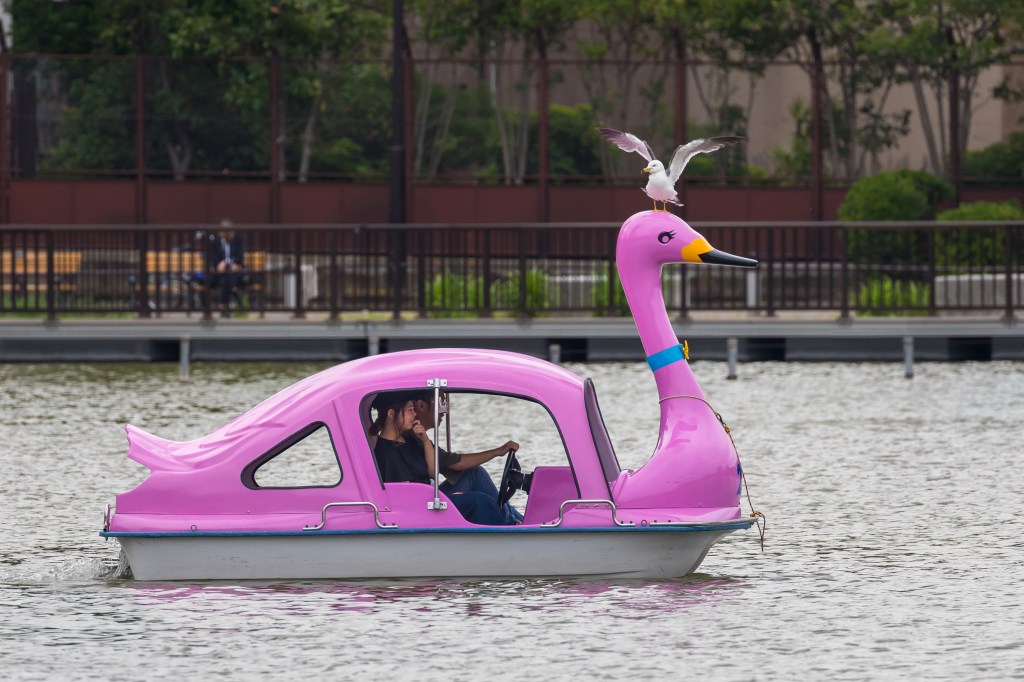
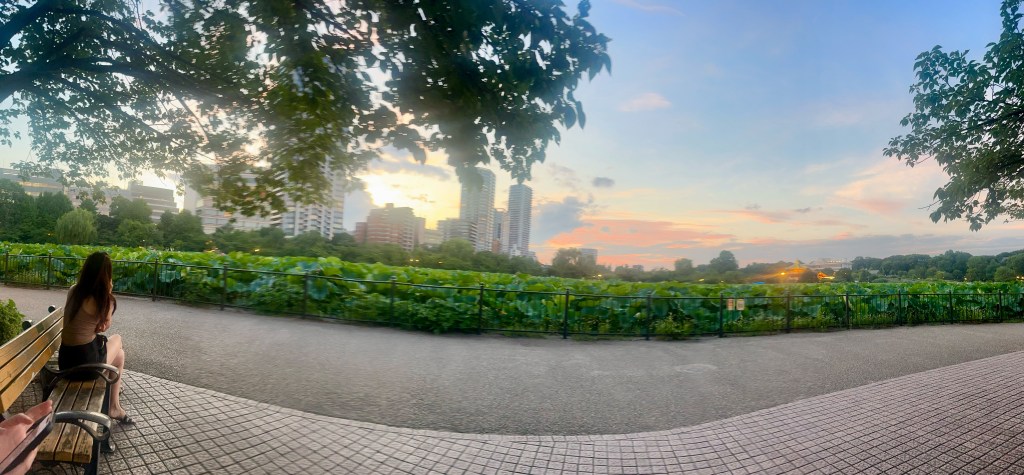
The pond is the oldest landscape in the park, with a small island and the Bentendo temple on it, and the paths around the water are a good place to walk. The pond has lotus in summer, birds through the year and boats for hire, and the temple is a quiet stop. It is at the south end of the park, close to the station.
Ueno Toshogu and the temples
The Toshogu shrine is a small but richly decorated building from the Edo period, with gold leaf, carvings and a copper roof, and it survived the wars that destroyed much of the district. The Kan’ei-ji temple and the tombs of the shoguns are nearby, and the paths between them pass old stone lanterns and quiet gardens. It is the historical layer of the park, and it is easy to miss.
The zoo
Ueno Zoo is the oldest in Japan, and it is home to the giant pandas, along with the usual range of animals. It is a good family stop, and the setting among the trees is pleasant. The panda house is the busiest part, and the queue can be long. It is a short visit, and it combines well with the science museum.
The Ameyoko market
The streets below the park, between Ueno and Okachimachi stations, are the old market district, with fish, fruit, sweets, clothes and cosmetics spilling onto the pavement. It is loud, cheap and busy, and it is the everyday counterpoint to the museums. The bars under the railway tracks are a good place for a cheap meal and a beer in the evening.
Food and drink
- The Ameyoko market has the widest choice, with seafood, fruit, sweets and street food, and the stalls are cheap and informal.
- The restaurants under the railway tracks serve yakitori, ramen and izakaya food, and they are lively in the evening.
- The park has a few cafes and museum restaurants, and they are convenient but not cheap.
- The old shops around the station sell the local sweets and the traditional snacks, and the department stores have the full range.
- The nearby Yanaka district, a short walk away, has small cafes and old restaurants, and it is quieter than the park.
Getting there and around
- Ueno station is the main gateway, served by the JR lines, the shinkansen, the subway and the Skyliner from the airport, and the park is a short walk from the station.
- The Keisei line connects Ueno with Narita airport, and the Skyliner takes about forty minutes.
- The park is walkable and flat, with wide paths and signs, and the museums and the pond are within ten minutes of each other.
- From Tokyo station, the JR line takes about ten minutes, and from Shinjuku about twenty.
- A car is not recommended. The traffic and the parking are difficult, and the train is easier.
Where to stay
- The hotels around Ueno station are convenient and reasonably priced, with easy access to the airports and the north.
- The hotels in Asakusa and Yanaka are quieter and cheaper, and they are a short train ride or a walk away.
- The business hotels in the district are small but clean, and they suit a short stay.
- The luxury hotels are in the centre of the city, half an hour away, and most visitors stay there and visit the park as a day trip.
Best time to visit
- Late March to early April is the cherry blossom season and the busiest time, with the park full of picnics and the paths crowded.
- Summer is hot and humid, with the lotus in the pond and the museums cool and quiet. The evenings are long.
- Autumn, from October to November, is the best all-round season: clear air, colour in the trees and comfortable walking.
- Winter is cold and clear, with the museums quiet and the park at its emptiest. The New Year visit to the shrine is busy.
- The rainy season runs from early June to mid-July. The museums are the obvious wet-weather option.
Practical tips
- Pick one or two museums rather than trying to see them all. The park is large and the collections are deep.
- Check the closing days. Most museums close on Mondays, and the national museum closes on some other days too.
- Come early for the blossom. The paths are empty before nine, and the light is soft.
- Use the station exits carefully. The park entrance is on the west side, and the market is on the east.
- Carry cash for the market stalls. Not every shop takes cards.
- Combine the park with Yanaka and Asakusa. They are close and they give a different side of the old city.
Suggested day-trip outline
- Morning: the park and the cherry trees, then the Tokyo National Museum when it opens.
- Late morning: the museum’s Japanese galleries, or the science museum with children.
- Lunch: a cheap meal at Ameyoko, or a museum cafe.
- Afternoon: Shinobazu pond and the Bentendo temple, then Ueno Toshogu.
- Late afternoon: the zoo, or the market for souvenirs.
- Evening: dinner under the railway tracks, and the train back to the city.
Before you go
Timetables, fares, admission fees, and seasonal access rules can change. Check the official tourism and transport sites linked below for the latest information before you travel.
Explore More of Japan
Published guides that pair with this one:
- Kairakuen Travel Guide: Mito Plum Garden and the Kobuntei
- Yokohama Travel Guide: Harbour, Chinatown, and a Day Trip from Tokyo
- Asakusa and Senso-ji Travel Guide: Temple Gates, Nakamise and the Sumida River
- Tokyo Travel Guide: Neighborhoods, Transport and a First-Timer’s Plan
- Odaiba Travel Guide: Tokyo Bay Waterfront
Browse every Kanto guide on this site for the rest of the region.
Sources
- gotokyo.org (checked 2026-11-05)
- kensetsu.metro.tokyo.lg.jp (checked 2026-11-05)


Leave a Reply