A practical English guide to Hita in Oita: the Mameda old town, the Gion festival and its decorated floats, the hot springs and access from Fukuoka and Oita.
Operational details such as opening hours, admission fees, and train times can change. Prefer official pages and reconfirm before you travel (sources checked on 06 November 2026).
Why visit
- Hita is an old merchant town in the mountains of western Oita, on the road between Fukuoka and the interior, and it has one of the best-preserved historic districts in Kyushu. The Mameda quarter has white-walled storehouses, timber shopfronts and a network of small canals with carp, and it looks like the Edo period rather than a reconstruction.
- The old town is the attraction. The streets follow the old highways that met here, with the merchant houses, the sake breweries and the temples, and the canals that run between them were built for the water and the fire fighting. The walk takes a couple of hours, and the quiet is the point.
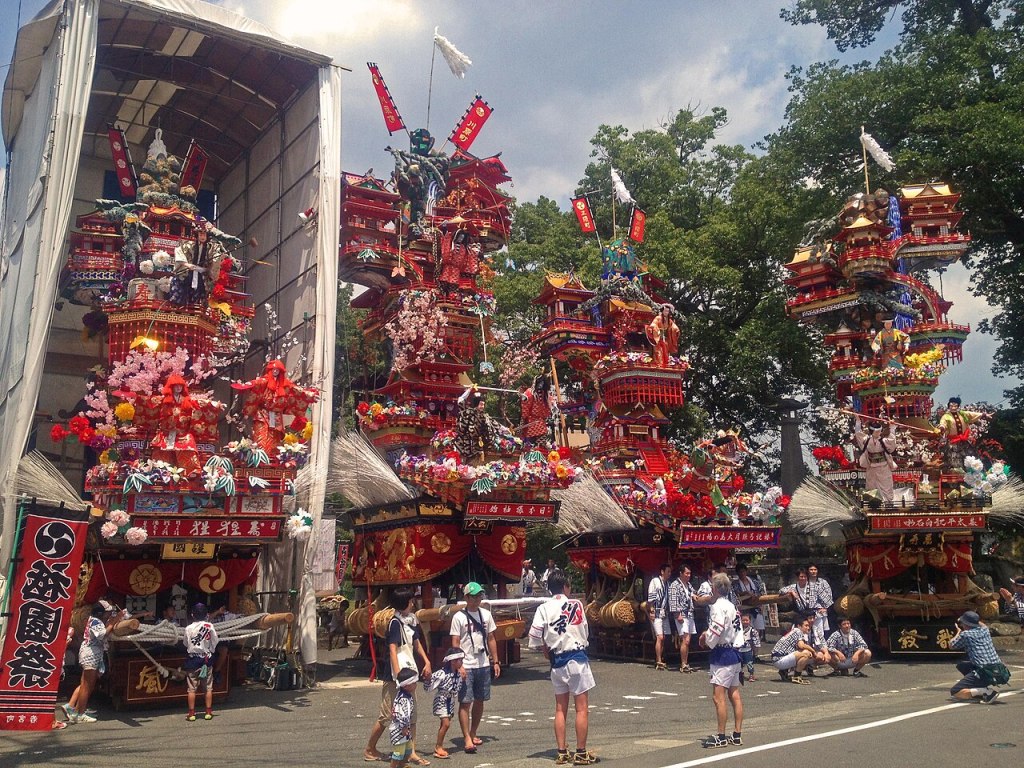
- The second is the festival. The Hita Gion in July brings a set of elaborate floats with dolls and scenes, carried through the streets with the music, and it is one of the great festivals of Kyushu. The floats are displayed in a hall the rest of the year, and the carving and the paint are extraordinary.
- The third is the setting and the food. The town sits in a basin surrounded by mountains, with the rivers and the hot springs nearby, and it is known for its sake, its soba and its sweets, along with the timber and the lacquer of the region. It is a good base for the interior of Oita and the onsen of the mountains.
Top places and highlights
The Mameda old town
The quarter has white-walled storehouses, timber shopfronts and canals with carp, and it is one of the best-preserved historic districts in Kyushu. The walk takes a couple of hours. The streets are lived in rather than turned into a museum.
The canals
The small canals run between the houses and the shops, with the carp and the stone edges, and they were built for water and fire fighting. They give the town its character. The walk along them is the best way to see the district.
The Gion festival
The July festival brings elaborate floats with dolls and scenes through the streets, with the music and the crowds, and it is one of the great festivals of Kyushu. The floats are displayed in a hall the rest of the year. The carving and the paint are the attraction.
The float hall
The hall shows several of the festival floats all year, with the dolls, the carving and the mechanism, and it explains how they are made and carried. It is the way to see the festival outside July. It is a short walk from the old town.
The sake breweries
The town has breweries making the local sake with the water of the basin and the rice of the region, and some offer tours and tastings. The shops sell the bottles. The labels are part of the local identity.
The temples and the hills
The town has a set of old temples on the hills around it, with the views over the roofs and the mountains, and the walks are short and quiet. The blossom in spring is good. They give the town its frame.
The onsen
The area has hot springs, with the inns of the surrounding valleys and the simple baths of the town, and the water is soft and warm. They are local rather than resort places. The combination with the old town makes a good overnight.
Food and drink
- The local sake from the breweries is the drink to try.
- The soba of the region, made with the local buckwheat, is the everyday lunch.
- The sweets of the town, including the yuzu and the bean confections, are the souvenirs.
- The river fish and the local vegetables are served in the restaurants.
- The yuzu products of the region are sold at the shops.
Getting there and around
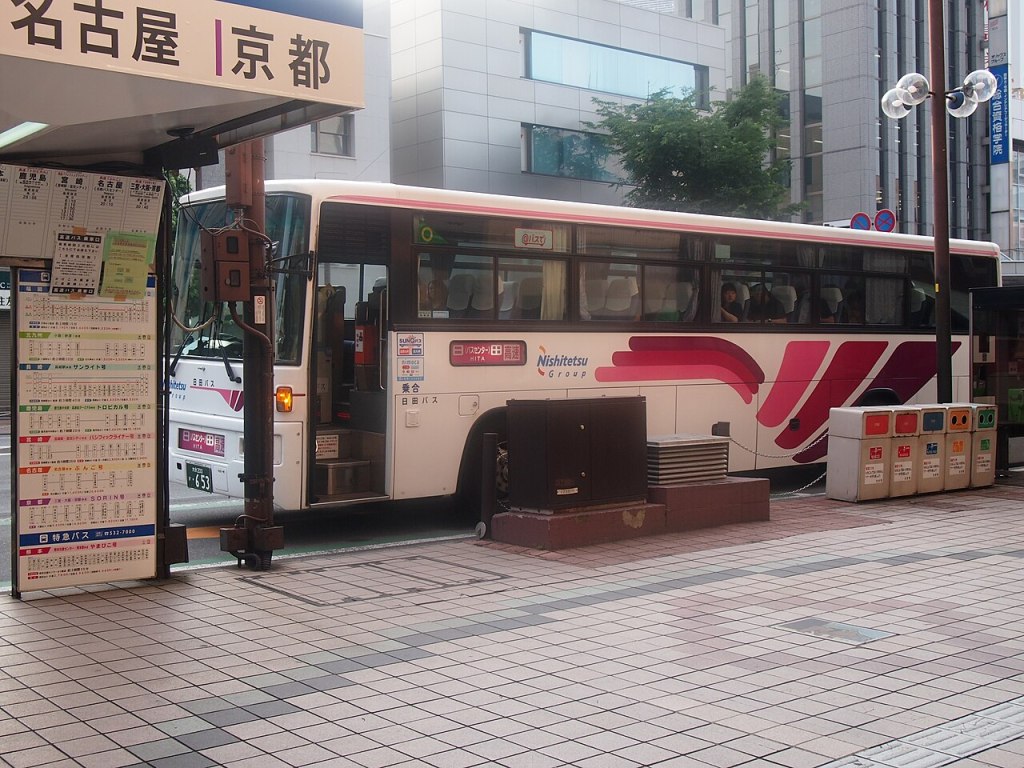
- Hita is about an hour and a half from Fukuoka by the JR Kyudai main line or the expressway.
- The shinkansen stops at Kurume and Hakata, with a change to the local line.
- The station is central, and the old town is a short walk away.
- A car is useful for the onsen and the surrounding valleys.
- The expressway has an interchange near the town.
Where to stay
- The old town has a few inns and guesthouses in the merchant houses.
- The onsen of the surrounding valleys have the larger inns.
- Fukuoka and Oita have the wider choice and are within reach.
- Book ahead for the July festival, when the town fills up.
Best time to visit
- Spring is mild, with blossom on the hills and in the temple grounds.
- Summer is hot and humid, with the Gion festival in July.
- Autumn is clear and cool, the best season for the old town.
- Winter is cold and quiet, with the sake breweries at their busiest.
Practical tips
- The festival dates and the float display change each year; check before travelling.
- The old town is a residential area; keep quiet and do not enter the houses.
- The breweries keep limited hours for tours.
- A car makes the onsen and the valleys much easier.
- Cash is useful in the small shops and the breweries.
- Combine the visit with the Yabakei gorge and the onsen of the interior.
Suggested day-trip outline
- Morning: the train or drive from Fukuoka to Hita.
- Late morning: the Mameda old town and the canals.
- Lunch: soba in the old town.
- Afternoon: the float hall and the breweries.
- Late afternoon: the temples on the hills.
- Evening: an onsen inn, or back to Fukuoka.
Before you go
Timetables, fares, admission fees, and seasonal access rules can change. Check the official tourism and transport sites linked below for the latest information before you travel.
Explore More of Japan
Published guides that pair with this one:
- Kunisaki Travel Guide: Fuki-ji, the Stone Buddhas and the Rokugo Manzan Temples
- Nagasaki Travel Guide: Harbor History, Hills, and Kyushu Flavors
- Goto Islands Travel Guide: Churches, Coves and the Edge of Kyushu
- Hitoyoshi Travel Guide: The Kuma River, Boat Trips and Castle Town Streets
- Kagoshima City Travel Guide: Tenmonkan, Shochu and the Volcano Across the Bay
Browse every Kyushu guide on this site for the rest of the region.
Sources
- city.hita.oita.jp (checked 2026-11-06)
- visit-oita.jp (checked 2026-11-06)


Leave a Reply