A practical English guide to Kagoshima city: the Tenmonkan district, the Sakurajima ferry, the shochu distilleries, kurobuta pork and access by Kyushu Shinkansen.
Operational details such as opening hours, admission fees, and train times can change. Prefer official pages and reconfirm before you travel (sources checked on 06 November 2026).
Why visit
- Kagoshima sits on the western shore of a bay with an active volcano across the water, and the volcano is not a distant feature: Sakurajima rises directly opposite the city, and on a clear day the ash plume is visible from the street. The city lives with it, and the relationship shapes the place.
- The centre is compact and commercial, built around the Tenmonkan district, a grid of covered arcades and side streets full of restaurants, bars and shops. It is one of the liveliest night districts in Kyushu, and it is where the city eats and drinks.
- Kagoshima is also the home of shochu. The sweet potato spirit is made across the prefecture, and the city has distilleries, bars and shops devoted to it, with a culture of drinking it with hot water that is specific to the region. It is the local drink in a way that sake is not.
- The food is robust: kurobuta pork, kibinago, a small silver fish eaten raw, and satsuma-age, a fried fish cake. The city is the southern terminus of the Kyushu Shinkansen, and it is the gateway to Satsuma, Ibusuki and the southern peninsula.
Top places and highlights
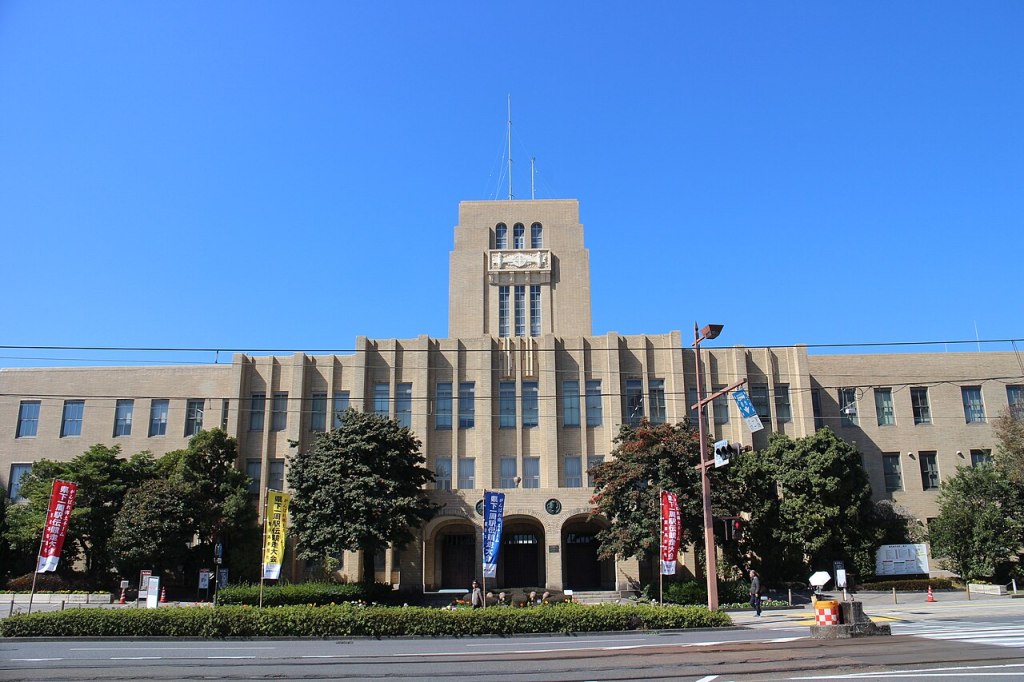
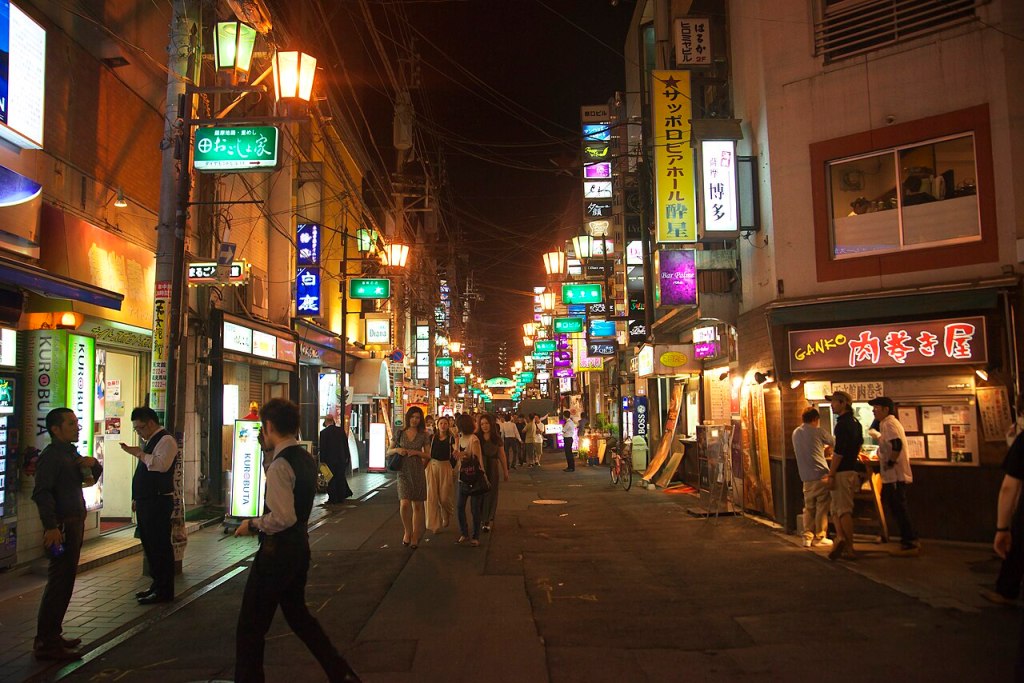
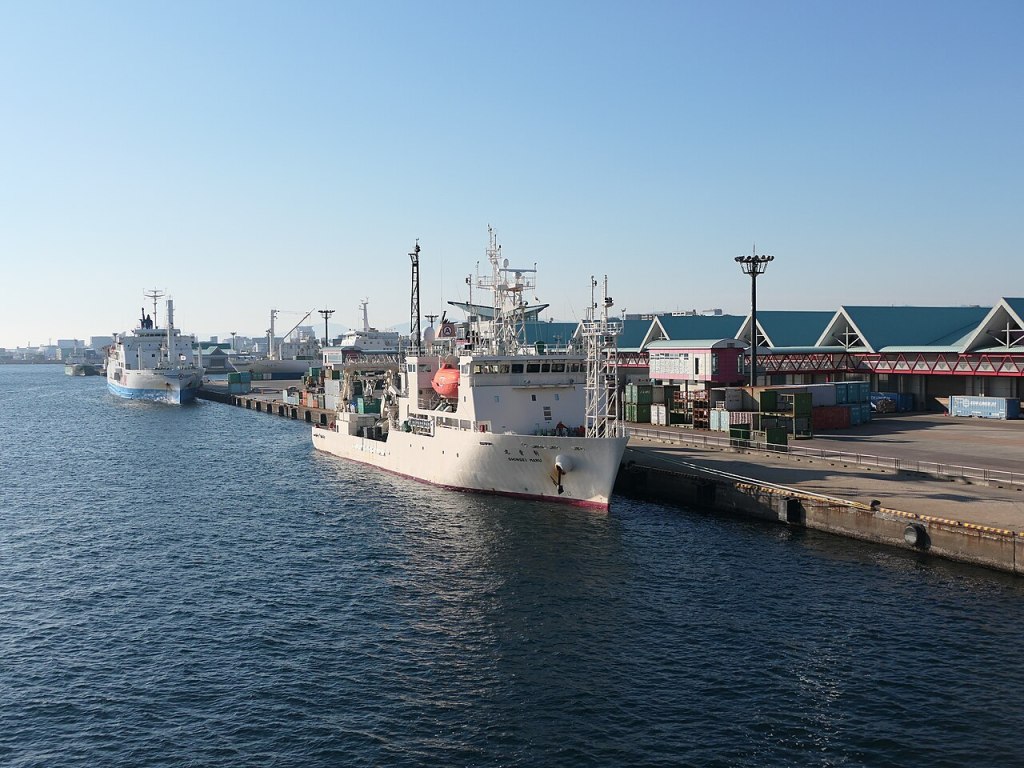
Tenmonkan
The district is a grid of covered arcades and narrow streets with restaurants, bars, shops and a market, and it is busiest in the evening. It is not a single sight but a neighbourhood, and walking it without a plan is the best approach. The side streets hold the small izakaya and the shochu bars.
The Sakurajima ferry
The ferry crosses the bay to Sakurajima in about fifteen minutes, runs frequently and carries foot passengers and cars. The crossing gives the best view of the volcano and the city at once, and it is the cheapest boat ride in Kyushu. On the island, the roads and viewpoints are within reach of the port.
The shochu culture
Kagoshima is the centre of sweet potato shochu, and the city has bars and shops where the range is explained and poured. Some distilleries accept visitors, and the local way of drinking, with hot water and a light hand, is worth learning. The bottles are cheap and the variety is enormous.
Kurobuta pork
The black pork of Kagoshima is the local luxury, served as tonkatsu, in shabu-shabu and in the black pork rice bowls. It is fatty and sweet, and the restaurants that specialise in it are proud of the breed. Prices vary widely, and the lunch sets are the best value.
The Reimeikan museum
The prefectural history museum occupies a former school building and covers the region from prehistory to the Meiji Restoration, with a strong section on the Satsuma domain and its role in the modernisation of Japan. It is a good introduction to why Kagoshima feels different from the rest of Kyushu.
The bay and the waterfront
The waterfront has a promenade, a park and a view across to the volcano, and the ferry terminal is at its centre. In the evening the lights of the city and the dark mass of Sakurajima make the walk worth taking. The aquarium and the ferry terminal are close together.
The food streets
The lanes off Tenmonkan hold the small restaurants and bars that make the city’s nightlife, from yakitori to shochu bars with a dozen seats. It is cheap and informal, and the local specialities are on every menu. It is the best place to end a day in Kagoshima.
Food and drink
- Kurobuta pork is the local speciality, served as tonkatsu, shabu-shabu and in rice bowls.
- Kibinago, a small silver fish, is eaten raw with soy and ginger, or fried.
- Satsuma-age is a fried fish cake, sold as a snack and served in ordinary restaurants.
- Sweet potato shochu is the local drink, served with hot water or on the rocks.
- Shirokuma, a shaved ice with condensed milk and fruit, is the local dessert and worth ordering in summer.
Getting there and around
- Kagoshima Chuo Station is the southern terminus of the Kyushu Shinkansen, about an hour and a half from Fukuoka.
- The airport has flights from Tokyo, Osaka and other cities, with buses to the city centre.
- The tram runs from the station to Tenmonkan and the waterfront, and it is cheap and frequent.
- The Sakurajima ferry leaves from the waterfront, a short tram ride from Tenmonkan.
- Ibusuki and the southern peninsula are reached by train or car from the city.
Where to stay
- Hotels cluster around the station and Tenmonkan, with a wide range of business hotels.
- The waterfront has larger hotels with views over the bay to Sakurajima.
- Ibusuki, an hour south, has onsen inns with sand baths.
- Book ahead in spring and autumn, when the city hosts conferences and festivals.
Best time to visit
- Spring is mild, with clear views of the volcano and blossom in the parks.
- Summer is hot and humid, and the evenings in Tenmonkan are the best time to be out.
- Autumn is clear and comfortable, the best season for the bay and the volcano.
- Winter is mild, with the clearest air and the best views of Sakurajima.
Practical tips
- Ash falls on the city occasionally; check the wind and the volcanic alerts before planning outdoor activities.
- The ferry runs frequently, but check the last crossing if you are staying on the island.
- Shochu is stronger than it looks; the local way is with hot water and a light pour.
- The arcades are the place to eat in the evening, and the side streets are cheaper.
- Kurobuta restaurants are busiest at dinner; the lunch sets are better value.
- The tram is the easiest way between the station, Tenmonkan and the ferry terminal.
Suggested day-trip outline
- Morning: the Reimeikan museum and the castle site.
- Late morning: the tram to the waterfront and the ferry to Sakurajima.
- Lunch: kurobuta tonkatsu in the city.
- Afternoon: back across the bay, then the arcades of Tenmonkan.
- Late afternoon: the waterfront promenade and the view of the volcano.
- Evening: a shochu bar and dinner in the side streets.
Before you go
Timetables, fares, admission fees, and seasonal access rules can change. Check the official tourism and transport sites linked below for the latest information before you travel.
Explore More of Japan
Published guides that pair with this one:
- Kirishima Onsen Travel Guide: Volcanic Peaks, Steam and Mountain Ryokan
- Sakurajima Travel Guide: An Active Volcano across from Kagoshima
- Chiran Travel Guide: Samurai Gardens and the Peace Museum
- Fukuoka Travel Guide: Hakata Ramen, Yatai Stalls and a Compact Coastal City
- Ibusuki Guide: Sand Baths and the Southern Tip of Kyushu
Browse every Kyushu guide on this site for the rest of the region.
Sources
- city.kagoshima.lg.jp (checked 2026-11-06)
- kagoshima-kankou.com (checked 2026-11-06)


Leave a Reply