A practical English guide to Toon in Ehime: the Jofukuji temple, the Shikoku pilgrimage, the rice fields and access from Matsuyama.
Operational details such as opening hours, admission fees, and train times can change. Prefer official pages and reconfirm before you travel (sources checked on 06 November 2026).
Why visit
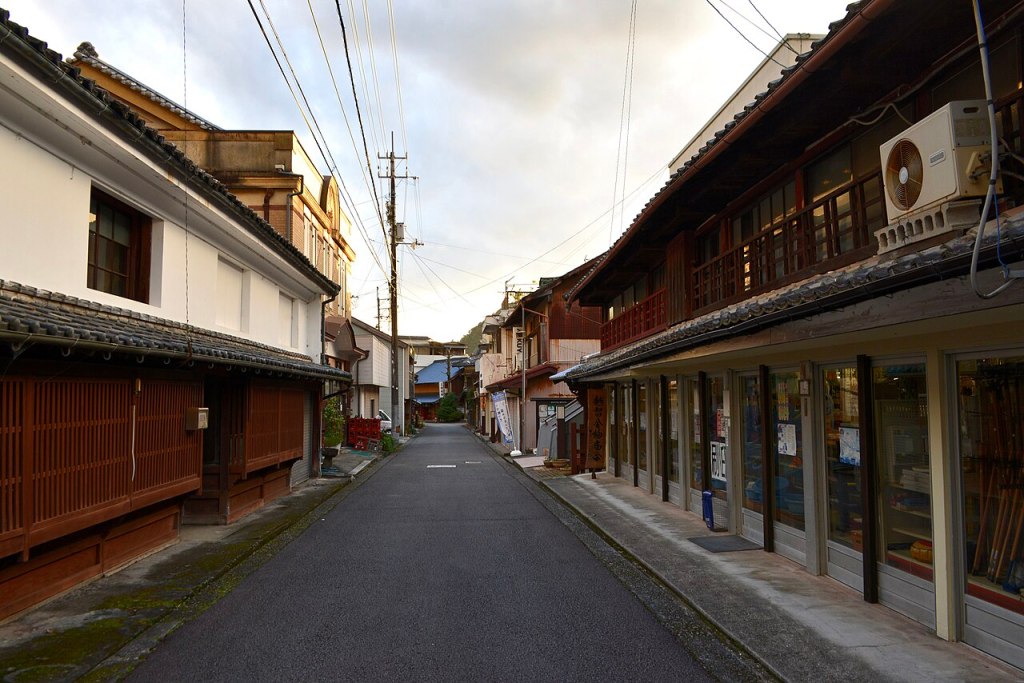
- Toon is a small city in central Ehime, on the plain between Matsuyama and the mountains, and it is a place of rice fields, temples and hot springs. It is not a famous destination, but it sits on the Shikoku pilgrimage route and it has one of the great temples of the island at Jofukuji, along with a landscape that shows the rural Shikoku most visitors pass through.
- The temple is the reason to stop. Jofukuji is the fifty-third of the eighty-eight temples of the Shikoku pilgrimage, and it has a pond, a garden and a set of old halls on a hillside, with the walkers in white passing through in season. The temple belongs to the Shingon school, and the atmosphere is quiet and old.
- The second attraction is the countryside. The plain around the city is a patchwork of rice fields and farmhouses, with the mountains of the Ishizuchi range behind, and the roads are quiet and flat. The cycling and the walking are easy, and the harvest in autumn is the local event.
- The third is the onsen and the food. The city has hot springs, including the simple baths used by the farmers and the walkers, and the local food is the rice, the vegetables and the fish of the region, along with the sake. It is a place for a slow half-day rather than a sightseeing stop.
Top places and highlights
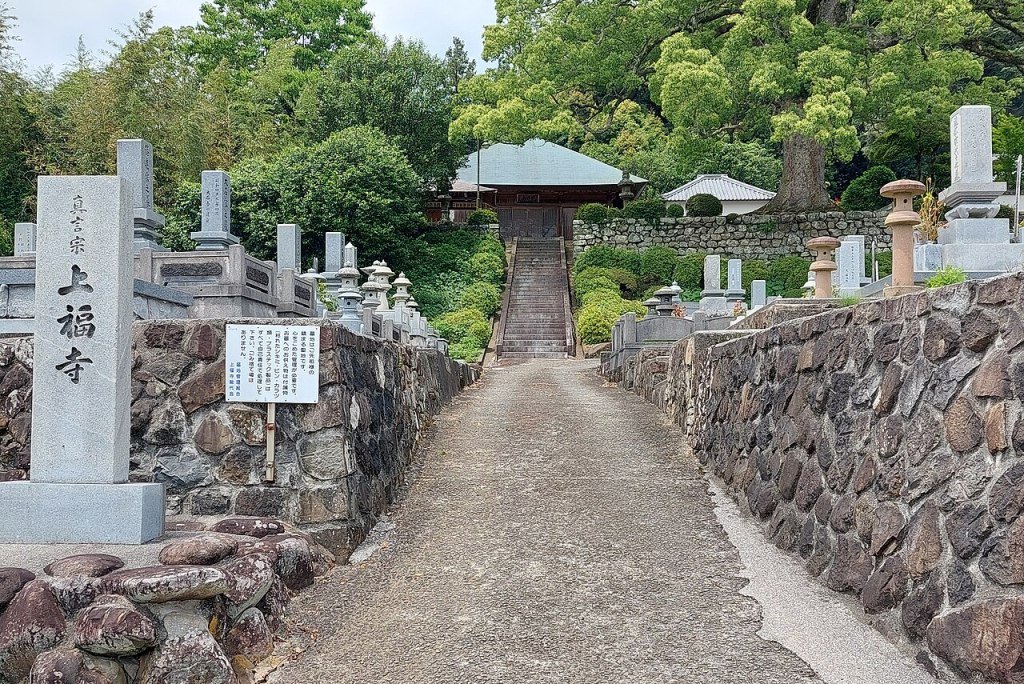
The Jofukuji temple
The temple is the fifty-third of the Shikoku pilgrimage, with a pond, a garden and a set of old halls on a hillside, and the walkers in white pass through in season. The precinct is quiet and shaded. It is the main sight of the city.
The pilgrimage
The eighty-eight temple route passes through the city, and the walkers are part of the landscape in spring and autumn, with the white robes and the staffs. The local people offer the traditional hospitality. The route is one of the oldest in Japan.
The rice fields
The plain around the city is a patchwork of rice fields, farmhouses and irrigation channels, with the mountains behind, and the roads are quiet and flat. The cycling is easy. The harvest in autumn is the local event.
The hot springs
The city has simple hot springs, used by the farmers and the walkers, with the water from the mountains and the low prices. The baths are local rather than resort places. They are a good end to a day of walking.
The local food
The restaurants serve the rice, the vegetables and the fish, along with the soba and the udon of the region. The food is plain and cheap. The shops sell the produce and the sweets.
The parks and the ponds
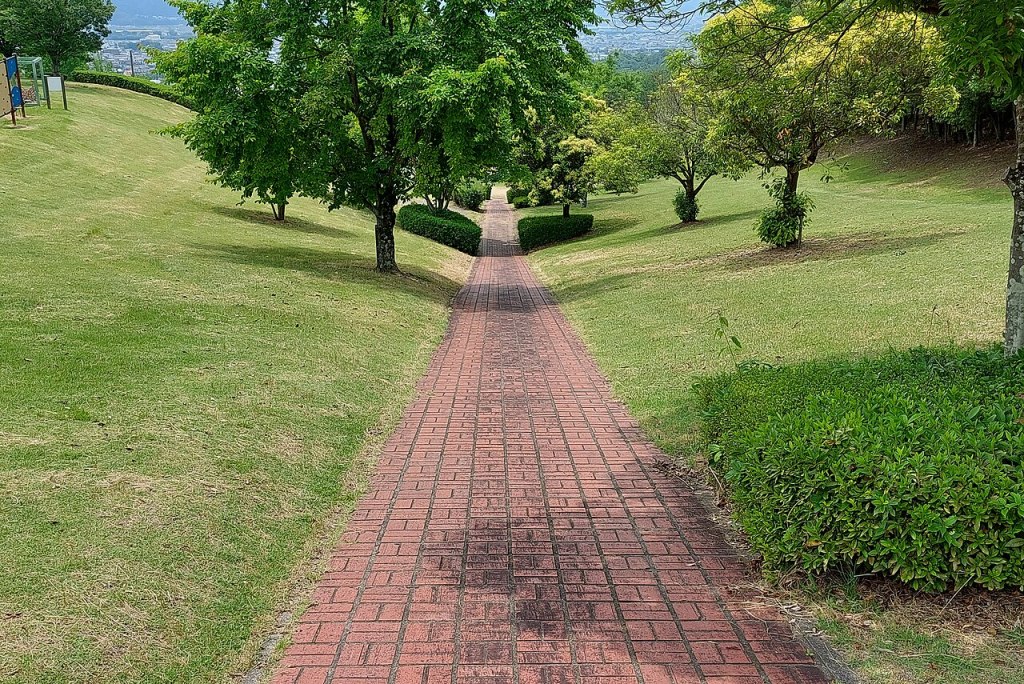
The city has parks with ponds and paths, used by the local people for walks and picnics, and they are quiet and green. The blossom in spring is good. They are the everyday open space of the town.
The access to Matsuyama
The city is a short train ride from Matsuyama, with its castle, the Dogo onsen and the port, and it fits easily into a day. The trains run frequently. The combination makes a full itinerary.
Food and drink
- The rice of the plain is the local staple, served in every restaurant.
- The vegetables and the citrus of Ehime are the local produce.
- The fish of the Seto Inland Sea is served at the restaurants.
- The udon and the soba of the region are the everyday lunch.
- The local sake and the sweets are sold at the shops.
Getting there and around
- Toon is on the JR Yosan line, about twenty minutes from Matsuyama.
- The station is central, and the temple is a short bus or taxi ride away.
- A car is useful for the temple and the countryside.
- The expressway connects the city with Matsuyama and the rest of the island.
- The pilgrimage route passes through the city on foot.
Where to stay
- Business hotels near the station are the practical choice.
- Matsuyama has the larger hotels and the onsen and is twenty minutes away.
- The temple has a simple lodging for the pilgrims.
- Book ahead in the pilgrimage season in spring and autumn.
Best time to visit
- Spring is mild, with the blossom and the walkers on the route.
- Summer is hot and humid, with the rice fields at their greenest.
- Autumn is the harvest and the best season for the countryside.
- Winter is cold and quiet, with the temple at its calmest.
Practical tips
- The temple is free and open; the halls have limited hours.
- The pilgrimage walkers are not tourists; give them space and quiet.
- A car or taxi is the easiest way to the temple.
- The restaurants are few and close early.
- Cash is needed at the small shops and the baths.
- Combine the visit with Matsuyama and the Dogo onsen.
Suggested day-trip outline
- Morning: the train from Matsuyama to Toon.
- Late morning: the Jofukuji temple.
- Lunch: udon or a set meal in the town.
- Afternoon: the rice fields by bicycle.
- Late afternoon: a hot spring bath.
- Evening: back to Matsuyama.
Before you go
Timetables, fares, admission fees, and seasonal access rules can change. Check the official tourism and transport sites linked below for the latest information before you travel.
Explore More of Japan
Published guides that pair with this one:
- Matsuyama City Travel Guide: Trams, Haiku and the Okaido Arcade
- Yawatahama Travel Guide: The Fish Market Port of Western Shikoku
- Hiwasa Travel Guide: Sea Turtles, Yakuoji and the Pilgrimage Road
- Zentsuji Travel Guide: Kukais Birthplace and Temple 75
- The Museum of Art, Ehime Travel Guide: Highlights, Access, and Planning
Browse every Shikoku guide on this site for the rest of the region.
Sources
- city.toon.ehime.jp (checked 2026-11-06)
- iyokannet.jp (checked 2026-11-06)


Leave a Reply