A practical English guide to Iheya island in Okinawa: the Dana beach and shrine, the quiet villages, the ferry from Unten and how to plan a slow day.
Operational details such as opening hours, admission fees, and train times can change. Prefer official pages and reconfirm before you travel (sources checked on 06 November 2026).
Why visit
- Iheya is a small island north of Okinawa’s main island, about an hour and a half by ferry from Unten port, and it is one of the quietest places in the prefecture. It is hilly and green, with a few hundred inhabitants, a handful of shops and beaches with clear water and no facilities, and the pace is set by the ferry timetable.
- The island’s best-known spot is Dana, a beach of white sand and shallow reef water on the northern coast, with a small shrine on the rock above it and a view over the sea. It is the kind of beach that appears on the posters, with no buildings and few visitors, and the walk down to it is short.
- The second attraction is the island itself. The roads run through the villages and the fields of sugar cane and vegetables, past the shrines and the old houses with the shisa on the walls, and the views from the hills cover the whole island and the sea. The cycling is easy and the driving is slow.
- The third is the food and the night. The small restaurants serve the island vegetables, the fish and the Okinawan staples, and the shops sell the local produce. At night the stars are the attraction, with no city lights, and the sound of the sea is the only noise. It is a place for a night or two rather than a day trip.
Top places and highlights
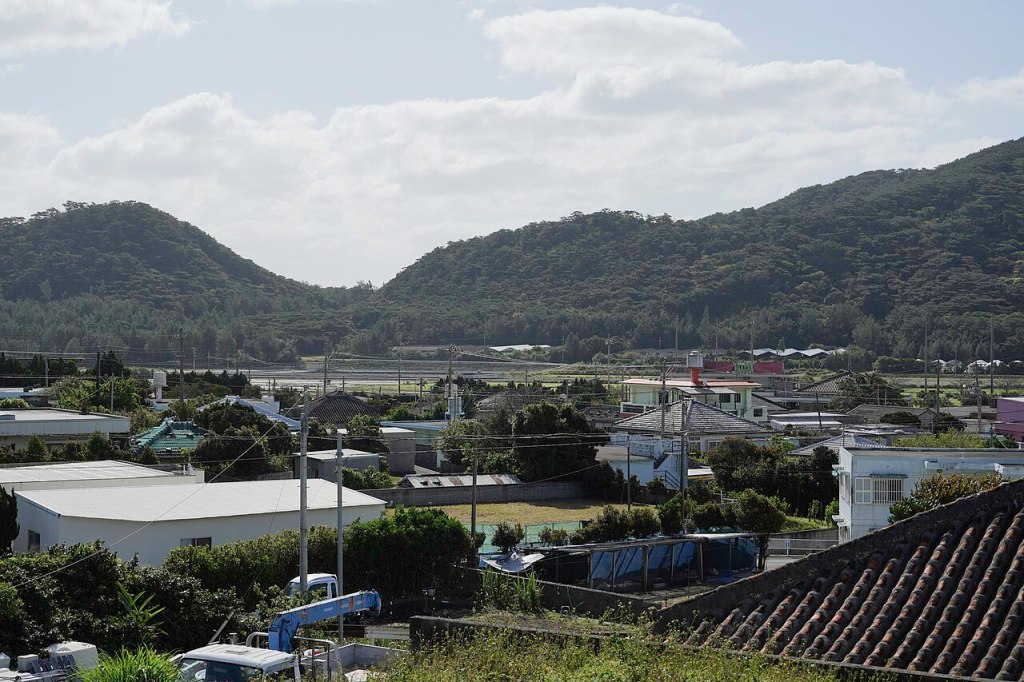
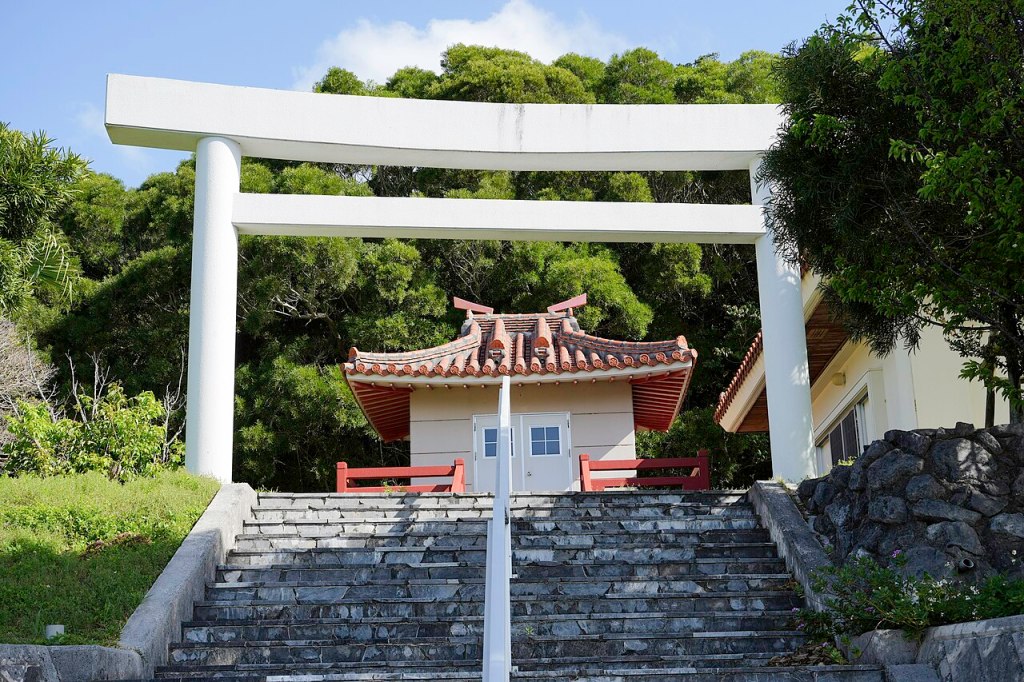
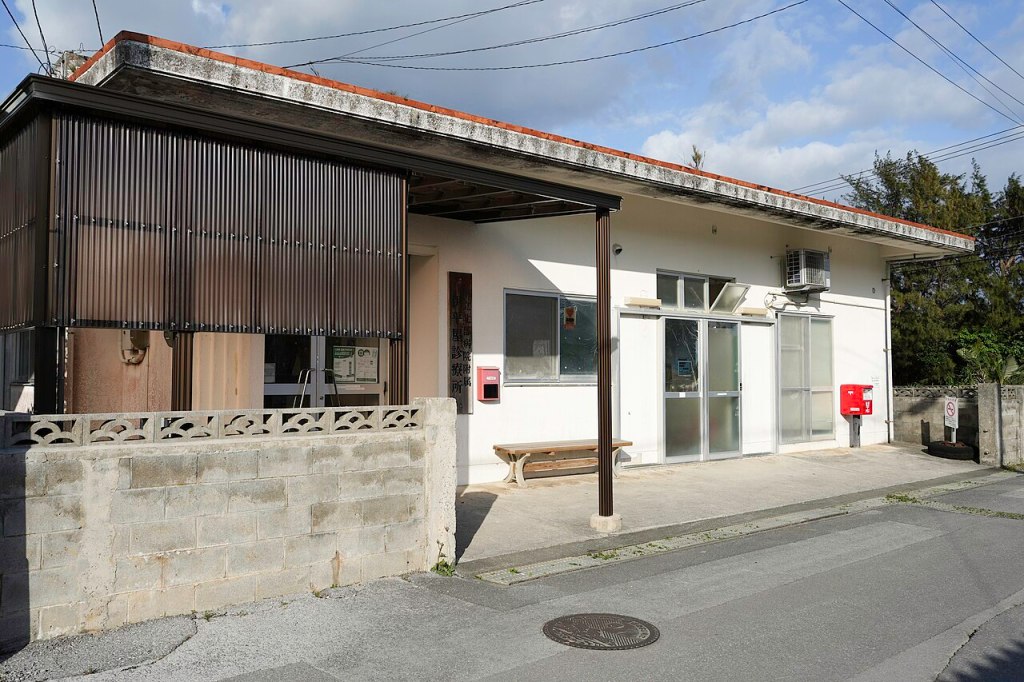
Dana beach
The beach on the northern coast has white sand, shallow reef water and a small shrine on the rock above it, with no buildings and few visitors. The walk down is short and the swimming is easy. It is the image of the island.
The Dana shrine
The small shrine above the beach is one of the spiritual sites of the island, with the stones and the view over the sea, and it is quiet and unmarked. It is a place of local worship. Approach it with respect.
The villages
The island has a few villages of Okinawan houses with the shisa on the walls and the fukugi trees in the gardens, and the pace is unhurried. The small shops and the communal spaces are the social centre. It is a working community.
The hill views
The roads over the hills give views of the whole island, the terraced fields and the sea, with the other islands on the horizon. The sunset and the sunrise are both visible. The cycling and the driving are the way to see them.
The sugar cane fields
The island grows sugar cane and vegetables, and the fields run to the shore, with the harvest in winter and spring. The green of the cane is the island’s colour. The farm stands sell the produce.
The night sky
The island has no city lights, and the stars are the attraction after dark, with the Milky Way visible on clear nights. The sound of the sea is the only noise. It is the reason to stay overnight.
The ferry crossing
The ferry from Unten takes about an hour and a half, with the island growing ahead and the sea around, and the crossing is part of the trip. The service is limited. The port is the arrival point.
Food and drink
- The island vegetables and the fish are served in the small restaurants.
- Okinawan soba and the local sweets are available at the shops.
- The sugar cane products and the brown sugar are the local specialities.
- The farm stands sell the produce in season.
- The restaurants are few and close early; eat when you arrive.
Getting there and around
- The ferry leaves from Unten port in Nakijin, about an hour and a half to Iheya.
- Unten is about two hours by car from Naha.
- The ferry runs once or twice a day; check the timetable carefully.
- A rental car or scooter on the island is the practical way to reach the beaches.
- The island is also reached from Naha by plane in some seasons.
Where to stay
- A few guesthouses and minshuku operate on the island, with simple rooms and meals.
- The port area has the largest choice.
- The island is quiet and the accommodation is limited; book well ahead.
- Camping is possible in some areas with permission.
Best time to visit
- Spring is mild, with the sugar cane harvest.
- Summer is hot, with the beaches at their best.
- Autumn is warm and quiet, with clear water.
- Winter is mild but windy, with rough seas that can cancel the ferry.
Practical tips
- The ferry is infrequent; plan the return before booking.
- The island has few facilities; bring water, cash and sun protection.
- The beaches have no lifeguards or shade; swim with care.
- The shrine is a place of worship; keep quiet and do not climb on the rocks.
- A car or scooter makes the island much easier.
- The stars are the reason to stay overnight.
Suggested day-trip outline
- Morning: the drive from Naha to Unten port.
- Late morning: the ferry to Iheya.
- Lunch: a local restaurant near the port.
- Afternoon: the Dana beach and the shrine.
- Late afternoon: the hill roads and the villages.
- Evening: dinner at the guesthouse and the stars.
Before you go
Timetables, fares, admission fees, and seasonal access rules can change. Check the official tourism and transport sites linked below for the latest information before you travel.
Explore More of Japan
Published guides that pair with this one:
- Tsuken Island Travel Guide: The Carrot Island of Okinawa
- Ikei Island Travel Guide: Okinawa Beaches and the East Coast
- Minna Island Travel Guide: Okinawa Beach Day from Motobu
- Ie Island Travel Guide: Okinawa’s Ferry Escape
- Kouri Island Travel Guide: The Heart Rock and a Bridge over Emerald Water
Browse every Okinawa guide on this site for the rest of the region.
Sources
- vill.iheya.okinawa.jp (checked 2026-11-06)
- okinawastory.jp (checked 2026-11-06)


Leave a Reply