A practical English guide to Kikuchi in Kumamoto: the Kikuchi gorge and its waterfalls, the Kikuchi valley, the hot springs and access from Kumamoto city.
Operational details such as opening hours, admission fees, and train times can change. Prefer official pages and reconfirm before you travel (sources checked on 06 November 2026).
Why visit
- Kikuchi is a small city in northern Kumamoto, at the foot of the mountains that separate the Kumamoto plain from Aso, and it is known for two things: a ravine of clear water and rock, and a valley of rice terraces and forest above it. It is quiet, agricultural and cool, and it is one of the best places in Kyushu to escape the summer heat.
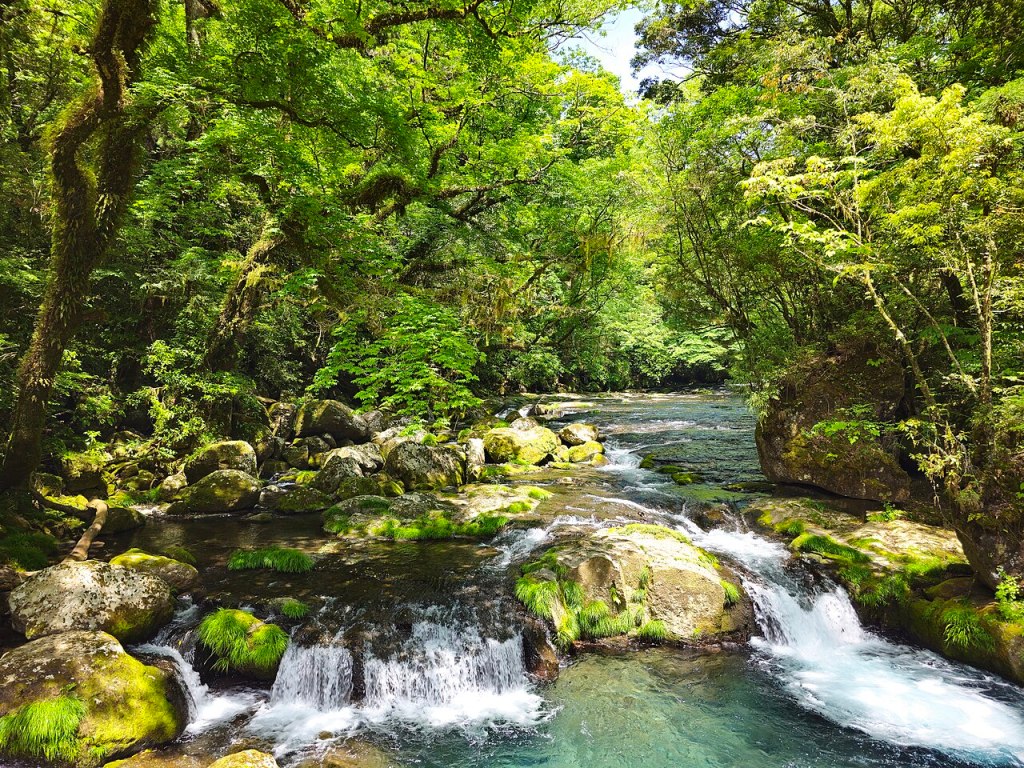
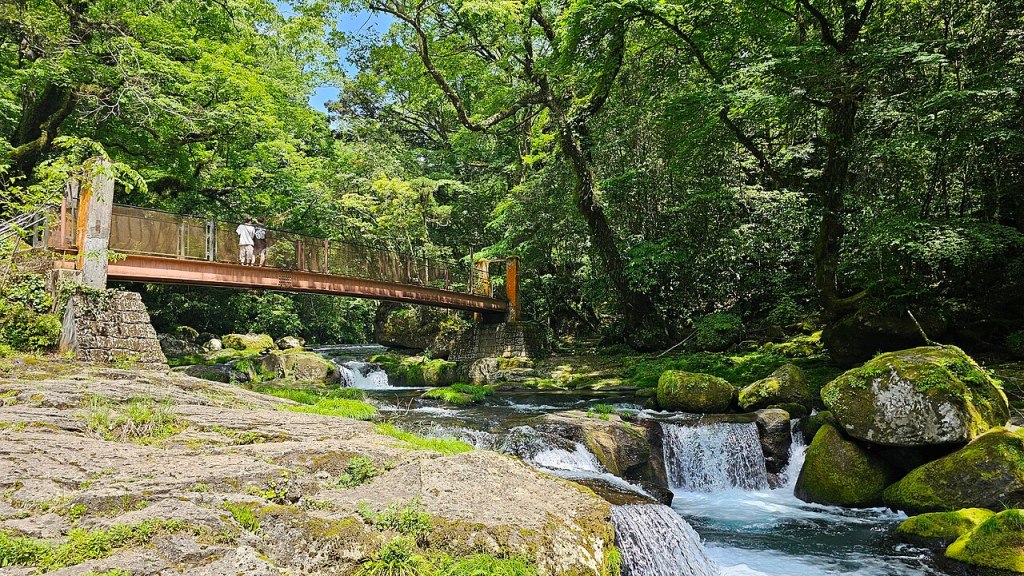
- The gorge is the main attraction. The Kikuchi ravine runs for a few kilometres through a forest of cedar and maple, with a stream of clear water, waterfalls, pools and huge boulders, and a walking path along the bank. The water is a deep blue-green in the deeper pools, and the autumn colour is among the best in the region.
- The second is the valley. The Kikuchi valley above the gorge has rice terraces cut into the hillside, with the water running through channels and the forest around, and the scale is small and intimate. The drive through it is slow and scenic, and it is the reason the area is called the Little Kyoto of Kyushu in some guides.
- The third is the water and the onsen. The area is known for its springs, and the hot springs at Kikuchi and the surrounding inns use the mountain water, with simple baths and meals. The local restaurants serve the river fish, the soba and the vegetables of the valley, and the pace is slow and rural.
Top places and highlights
The Kikuchi gorge
The ravine has a path along a clear stream, with waterfalls, deep pools and huge boulders under a forest of cedar and maple, and the walk takes about an hour. The water is blue-green and cold, and the autumn colour is exceptional. There is a car park and a small entrance fee in some seasons.
The Kikuchi valley
The valley above the gorge has rice terraces, water channels and forest, with the houses of the farm villages scattered along the slope. The drive through it is slow and scenic. It is the rural landscape of the region at its best.
The autumn colour
The gorge and the valley are famous for their autumn leaves, from late October to mid-November, when the maples turn red and yellow against the cedar. The paths are busy on weekends. The light in the morning is best for photographs.
The hot springs
The area has simple hot springs, including the baths at the inns and the public facilities, with the water from the mountains. They are local rather than resort places. The combination with the gorge makes a good overnight.
The local food
The restaurants serve the river fish, the soba and the vegetables of the valley, along with the local rice and the mountain vegetables. The food is plain and cheap. The shops sell the produce and the preserved foods.
The shrine and the town
The city has a shrine with a long history and a quiet precinct, and the town itself is small and ordinary, with a few old houses and shops. It is not a sight in itself, but it gives the area a centre. The walk takes under an hour.
The access to Aso
The city is on the road and the railway towards Aso, with the volcano and the caldera about an hour away, and it fits easily into a loop of northern Kumamoto. The drive over the mountains is scenic. The combination makes a full day.
Food and drink
- The river fish and the soba are served in the restaurants around the gorge.
- The vegetables, the rice and the mountain vegetables of the valley are the local food.
- The local sake and the shochu of Kumamoto are worth trying.
- The shops sell the preserved foods and the produce of the valley.
- The roadside stops serve simple meals and the local sweets.
Getting there and around
- Kikuchi is about an hour by car or bus from Kumamoto city.
- The Kikuchi railway line connects to the main line at Shin-Tamana.
- The gorge is a short drive from the town, with a car park and a bus stop.
- A car is the practical way to reach the valley and the hot springs.
- The road continues over the mountains to Aso.
Where to stay
- A few inns and guesthouses operate near the gorge and the hot springs.
- Kumamoto city has the larger hotels and is an hour away.
- The farm stays in the valley offer meals and a quiet night.
- Book ahead in the autumn colour season.
Best time to visit
- Spring is mild, with fresh green in the gorge.
- Summer is cool in the valley, the best escape from the heat.
- Autumn is the colour season, from late October, and the busiest.
- Winter is cold and quiet, with the gorge at its clearest.
Practical tips
- The gorge path is wet and slippery after rain; wear proper shoes.
- The autumn weekends are crowded; go early in the morning.
- A car is the practical way to reach the valley and the springs.
- The restaurants are few and close early.
- Carry cash for the small shops and the baths.
- The road to Aso can close in winter; check the conditions.
Suggested day-trip outline
- Morning: the drive from Kumamoto to Kikuchi.
- Late morning: the gorge walk and the waterfalls.
- Lunch: soba at a restaurant near the gorge.
- Afternoon: the valley and the rice terraces.
- Late afternoon: a hot spring bath.
- Evening: back to Kumamoto, or on to Aso.
Before you go
Timetables, fares, admission fees, and seasonal access rules can change. Check the official tourism and transport sites linked below for the latest information before you travel.
Explore More of Japan
Published guides that pair with this one:
- Hitoyoshi Travel Guide: The Kuma River, Boat Trips and Castle Town Streets
- Kurokawa Onsen Travel Guide: A Small Hot-Spring Village in the Aso Caldera
- Taketa Travel Guide: The Ruins of Oka Castle and the Nagayu Springs
- Ureshino Onsen Guide: Saga’s Tea Town and Hot Spring Water
- Amakusa Islands Guide: Kumamoto’s Church Coast
Browse every Kyushu guide on this site for the rest of the region.
Sources
- city.kikuchi.lg.jp (checked 2026-11-06)
- kumamoto.guide (checked 2026-11-06)


Leave a Reply