A practical English guide to Taketa in Oita: the Oka castle ruins, the old town, the Nagayu onsen and access from Beppu and Oita by the Hohi line.
Operational details such as opening hours, admission fees, and train times can change. Prefer official pages and reconfirm before you travel (sources checked on 06 November 2026).
Why visit
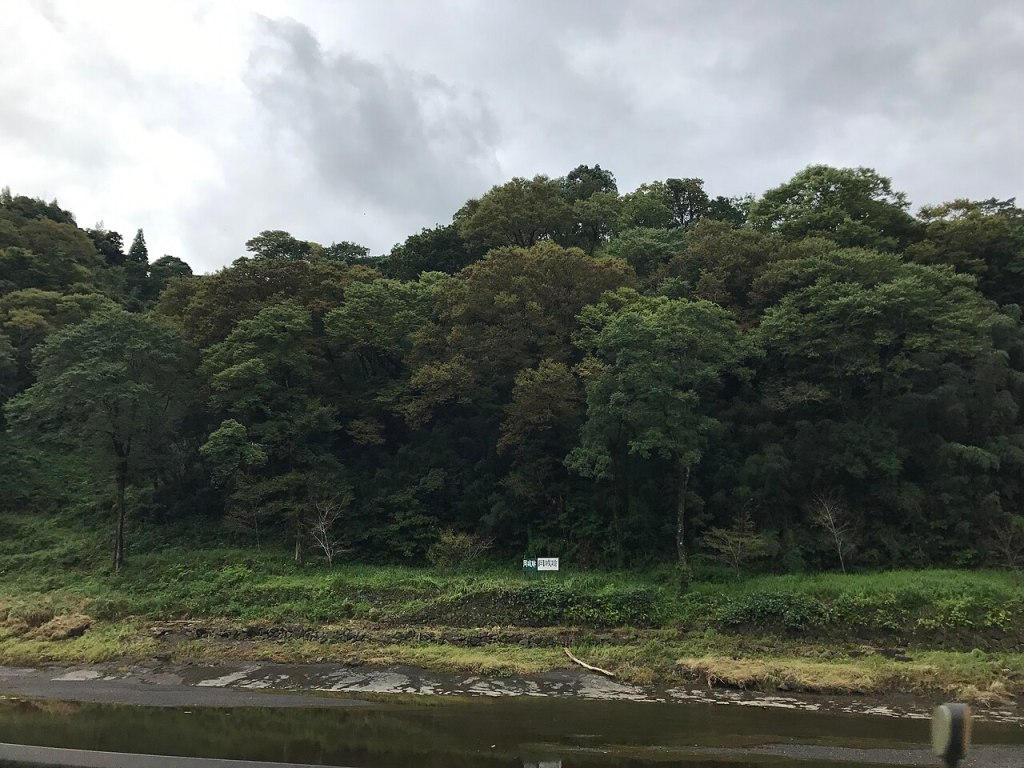
- Taketa is a small town in the mountains of western Oita, on the Ono river, and it was the castle town of the Oka domain until the Meiji period. The castle itself was dismantled, but the site on the cliff above the town is one of the most dramatic ruined castles in Japan, with the stone walls above a bend in the river and the mountains behind.
- The town below has kept the shape of a castle town: a grid of streets, a samurai quarter with white walls and gates, a merchant street with old houses, and a few temples. It is quiet and ordinary, and it is the place where the writer and doctor Mori Ogai was posted, which the town remembers with a small museum.
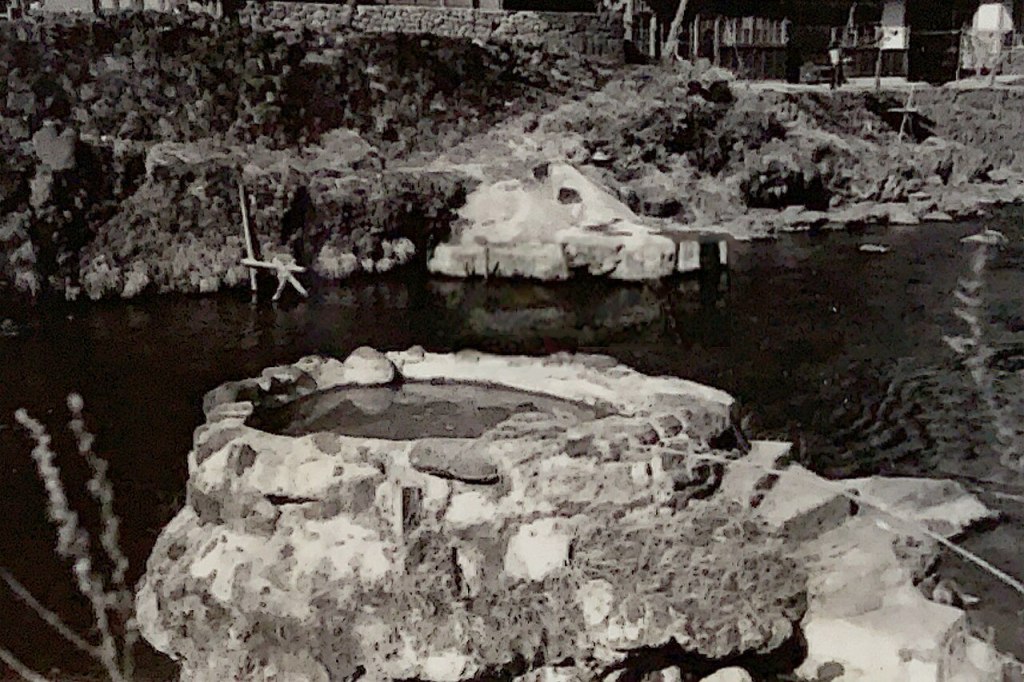
- The second attraction is Nagayu, a hot spring village a short drive away, with a carbonated spring that is unusual in Japan and a set of simple bathhouses. It is a local onsen rather than a resort, and the water is the reason people come. The village is beside a river, with a campsite and a few inns.
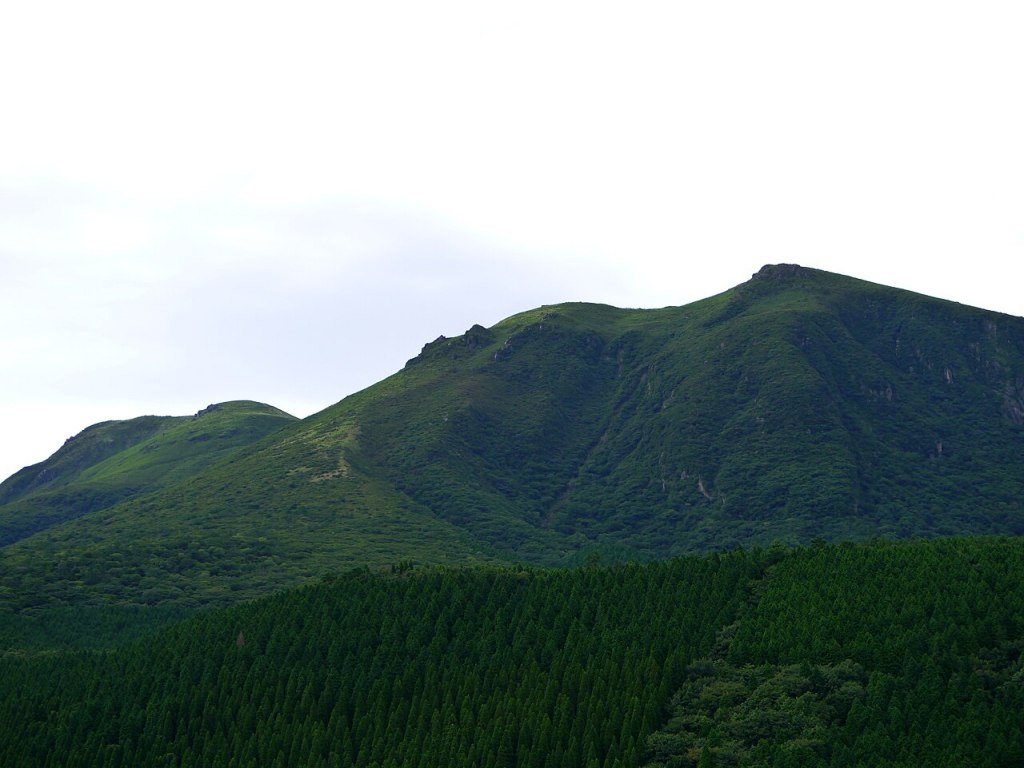
- The third is the setting: the Kuju mountains rise to the north, the Aso caldera is to the west, and the roads between them cross high grassland and forest. Taketa is a good base for the quieter side of Oita, away from Beppu and Yufuin, and it is within reach of the Kuju and the Takachiho area.
Top places and highlights
The Oka castle ruins
The castle stood on a cliff above the Ono river, and the site now has extensive stone walls, a gate, and a view over the town and the valley. It is free and open, and the walk from the town takes about twenty minutes up. In spring the blossom and in autumn the colour make it the local beauty spot.
The samurai quarter
The streets below the castle have the white walls, gates and old houses of the samurai district, with a few preserved buildings and a museum. It is a lived-in area rather than a restored attraction, and the scale is small. The walk between the castle and the town passes through it.
The merchant street
The old merchant street has wooden houses, shops and a few cafes in converted buildings, and it is where the town’s small businesses are. It is quiet on weekdays, and the morning is the best time to walk it. The local sweets and the soy sauce shops are the traditional products.
Nagayu Onsen
The village has a carbonated spring, with bubbles forming on the skin, and several simple bathhouses and inns. It is one of the few places in Japan with this kind of water, and the local people treat it as a cure. Day bathing is available, and the setting beside the river is pleasant.
The Mori Ogai connection
The writer and army doctor was posted to Taketa in the late nineteenth century, and the town has a small museum in his former residence with documents and objects. It is modest but specific, and it explains a literary link that most visitors do not expect. Check the opening days.
The Kuju mountains
The Kuju range rises to the north with grassland, volcanic peaks and hot springs, and the roads across it are among the best drives in Kyushu. The walking is good in summer and autumn, and the mountain inns are simple. A car is needed to reach the trailheads.
The local food
The town is known for its soy sauce, its shiitake and its mountain vegetables, and the restaurants serve them with the local chicken and beef. The sweets shops sell the traditional confections. The food is plain and cheap, and the portions are generous.
Food and drink
- The local soy sauce is the town’s traditional product, used in the restaurants and sold in the shops.
- Shiitake and mountain vegetables appear in the set meals and the pickles.
- Bungo beef and the local chicken are served in the town’s restaurants.
- The sweets shops sell the confections of the castle town.
- The Nagayu area has simple restaurants serving river fish and noodles.
Getting there and around
- Taketa is on the JR Hohi line, about an hour from Oita and an hour and a half from Beppu with a change.
- The station is central, and the castle and the old streets are a short walk away.
- Nagayu is a short drive or bus ride from the town.
- The expressway and the mountain roads connect the town with Kuju and Aso.
- A car is the practical way to reach the onsen and the mountains.
Where to stay
- A few small inns and guesthouses operate in the town and at Nagayu.
- Beppu and Yufuin have the large hotels and are within an hour and a half.
- The Kuju area has mountain lodges and campsites.
- Book ahead in spring and autumn, when the castle and the mountains are popular.
Best time to visit
- Spring is mild, with blossom at the castle and the town at its best.
- Summer is warm and green, with the Kuju walks and the river.
- Autumn is clear and cool, the best season for the castle and the mountains.
- Winter is cold and quiet, with the onsen at their best.
Practical tips
- The castle site is free and open, with uneven stone paths; wear proper shoes.
- The museums in the town keep limited hours; check before planning around them.
- Nagayu’s bathhouses are simple and cheap; bring your own towel.
- The mountain roads to Kuju close in winter; check the conditions.
- A car is needed for the onsen and the mountains; the buses are thin.
- Cash is needed at the bathhouses and the small restaurants.
Suggested day-trip outline
- Morning: the castle ruins and the walk up.
- Late morning: the samurai quarter and the merchant street.
- Lunch: a set meal in the town.
- Afternoon: the Mori Ogai museum, then the drive to Nagayu.
- Late afternoon: a bath at Nagayu.
- Evening: back to Oita, or a night at a Nagayu inn.
Before you go
Timetables, fares, admission fees, and seasonal access rules can change. Check the official tourism and transport sites linked below for the latest information before you travel.
Explore More of Japan
Published guides that pair with this one:
- Beppu Travel Guide: The Steam City and the Hell Springs
- Yufuin Travel Guide: Onsen Town Walks and Mount Yufu Views
- Hitoyoshi Travel Guide: The Kuma River, Boat Trips and Castle Town Streets
- Kunisaki Travel Guide: Fuki-ji, the Stone Buddhas and the Rokugo Manzan Temples
- Kitsuki Travel Guide: The Samurai Town of Oita
Browse every Kyushu guide on this site for the rest of the region.
Sources
- city.taketa.oita.jp (checked 2026-11-06)
- visit-oita.jp (checked 2026-11-06)


Leave a Reply