A practical English guide to Yawatahama in Ehime: the morning fish market, the ferry to Kyushu, the mikan hills and access by the JR Yosan line.
Operational details such as opening hours, admission fees, and train times can change. Prefer official pages and reconfirm before you travel (sources checked on 06 November 2026).
Why visit
- Yawatahama is a fishing and ferry port on the west coast of Shikoku, facing the narrow strait that separates Ehime from Kyushu. It is a working town rather than a resort, and that is the reason to come: the fish market, the morning auction, the harbour and the hills of citrus behind it are the life of the place.
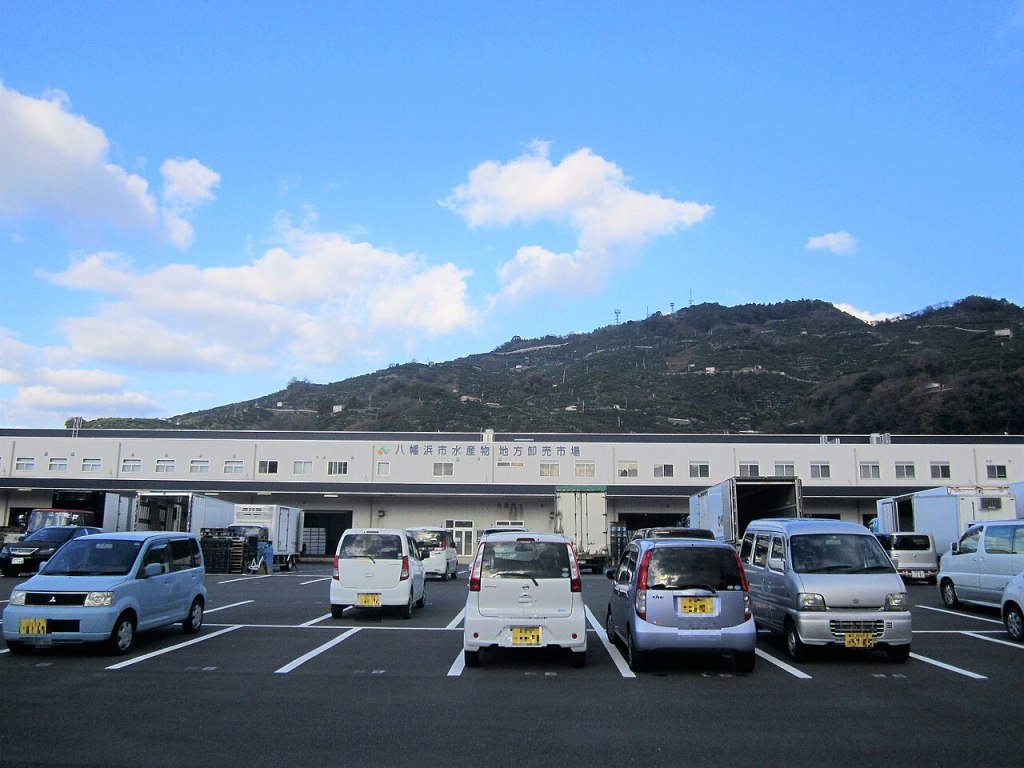
- The market is the centre. Yawatahama lands a large share of the fish eaten in western Japan, including sea bream, horse mackerel and the small sardines used for stock, and the wholesale market near the port runs early in the morning. Visitors can watch from a gallery, and the restaurants around the port serve what came in that day.
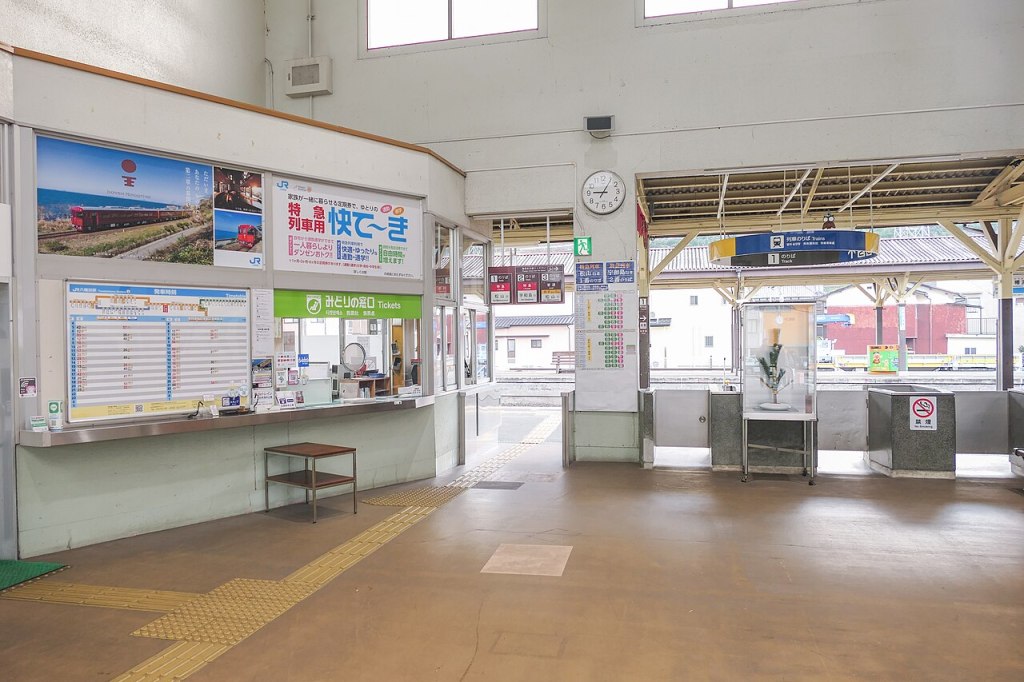
- The town is also a gateway. The ferry crosses to Beppu and Usuki in Oita in a few hours, and the JR Yosan line runs north to Matsuyama and south along the coast. Travellers use it as a crossing point, but it rewards a night: the harbour at sunset, the small bars, and the onsen at the edge of town are all worth the stop.
- The hills behind the town are terraced with mikan, the mandarin oranges of Ehime, and the harvest in autumn and winter turns the slopes orange. The combination of a working port, a citrus landscape and a fast ferry to Kyushu is unusual, and it is one of the least visited corners of Shikoku.
Top places and highlights
The fish market
The wholesale market near the port is the reason to be here, with auctions in the early morning and boxes of fish laid out on the floor. Visitors can watch from a gallery, and the arrival of the boats sets the rhythm of the day. Check the opening days and the time of the auction before you go.
The harbour and the ferry
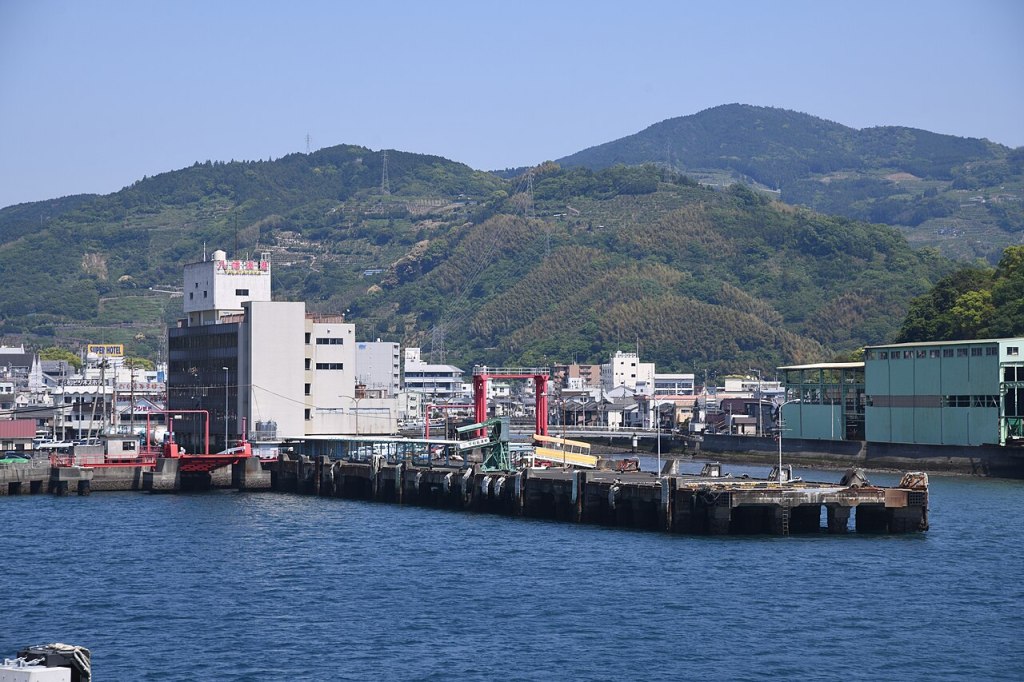
The ferry terminal is at the centre of the port, with boats to Beppu and Usuki across the strait. The crossing takes a few hours and passes the islands and the Kyushu coast. Even if you are not crossing, the terminal and the quay are a good place to watch the boats and the water.
The port restaurants
The small restaurants around the market serve sashimi, grilled fish and the local fish rice bowls at prices that reflect a working port rather than a tourist one. The sea bream and the sardines are the local specialities. Lunch is the main meal, and the kitchens close early.
The mikan hills
The slopes behind the town are terraced with mandarin trees, and the harvest runs from autumn into winter. The roads through the orchards give views over the strait, and the farm stands sell fruit and juice. It is a good half-day by car or bicycle.
The onsen and the coast
The town has a public bath and a few small onsen nearby, and the coast road runs north towards the beaches and the rock formations of the west Ehime shore. The water is clear and the sunsets over the strait are the local spectacle. It is a quiet, ordinary coast.
The old streets
The town centre has a few streets of old wooden shops and houses, with a covered arcade and a market street that is busy in the morning. It is not a preserved district, but the scale and the ordinary life are worth a walk between the station and the port.
The view across the strait
From the hills and the harbour you can see Kyushu across the water, and on clear days the mountains of Oita. The strait is one of the narrowest points of the Inland Sea, and the traffic of ferries and fishing boats is constant. It is the reason the town exists.
Food and drink
- Sea bream and sardines are the local catch, served as sashimi and grilled.
- The fish rice bowls at the port restaurants are generous and cheap.
- Mikan and the local citrus juice are sold at the farm stands and the shops.
- Jakoten and the fried fish cakes of Ehime appear in the markets.
- The local sake is drinkable and cheap, and the bars near the port serve it with fish.
Getting there and around
- Yawatahama is on the JR Yosan line, about an hour and a half from Matsuyama.
- The ferry to Beppu and Usuki in Oita leaves from the port in the centre of town.
- The station is a short walk from the market and the harbour.
- Buses run along the coast and into the hills, but the service is limited.
- A car is useful for the orchards and the coast road.
Where to stay
- Business hotels near the station are the practical choice.
- A few small inns near the port serve fish dinners.
- The onsen areas to the north have traditional inns.
- Book ahead in the crossing season, when the ferries are busy.
Best time to visit
- Spring is mild, with clear views across the strait.
- Summer is hot and humid, with the sea at its warmest.
- Autumn is the mikan harvest and the best season for the hills.
- Winter is mild and quiet, with good fish and the clearest air.
Practical tips
- The market is a morning place; the auction time changes, so ask locally.
- The ferries are passenger and car ferries; book in advance in holiday periods.
- Many restaurants close after lunch, so eat early.
- Cash is needed at the market and the farm stands.
- The town is a crossing point; one night is enough to see it.
- Combine the visit with the west Ehime coast and the Uwajima road.
Suggested day-trip outline
- Early morning: the fish market and the auction.
- Morning: the harbour and the ferry terminal.
- Lunch: a seafood bowl at a port restaurant.
- Afternoon: the mikan hills by car or bicycle.
- Late afternoon: the coast road and the sunset over the strait.
- Evening: a bar near the port, or the ferry to Kyushu.
Before you go
Timetables, fares, admission fees, and seasonal access rules can change. Check the official tourism and transport sites linked below for the latest information before you travel.
Explore More of Japan
Published guides that pair with this one:
- Matsuyama City Travel Guide: Trams, Haiku and the Okaido Arcade
- Hiwasa Travel Guide: Sea Turtles, Yakuoji and the Pilgrimage Road
- Kochi Sunday Market Travel Guide: 300 Years of Street Food and Produce
- Sadamisaki Travel Guide: Japans Narrowest Peninsula
- The Museum of Art, Ehime Travel Guide: Highlights, Access, and Planning
Browse every Shikoku guide on this site for the rest of the region.
Sources
- city.yawatahama.ehime.jp (checked 2026-11-06)
- iyokannet.jp (checked 2026-11-06)


Leave a Reply