A practical English guide to Urasoe in Okinawa: the Urasoe castle ruins, the art museum, the Tedako legend and access from Naha by the Yui rail.
Operational details such as opening hours, admission fees, and train times can change. Prefer official pages and reconfirm before you travel (sources checked on 06 November 2026).
Why visit
- Urasoe is a residential city immediately north of Naha, on the hill above the bay, and it is easy to overlook because it looks like a suburb. It was, however, the capital of the Ryukyu kingdom before Shuri, and the castle site on the ridge is one of the oldest and least visited of the Ryukyuan royal sites.
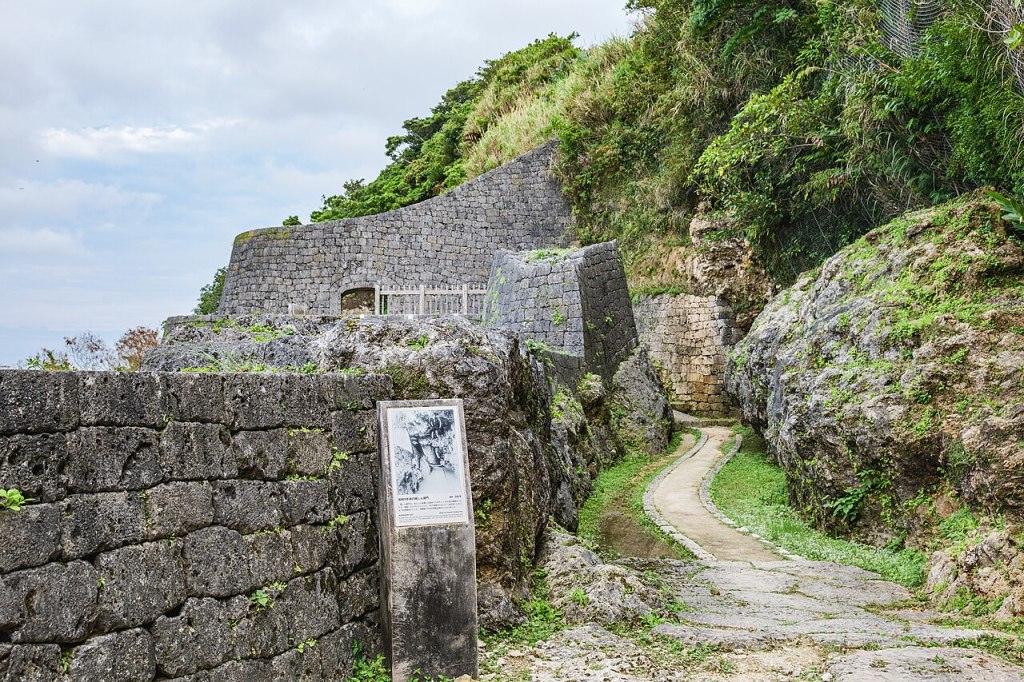
- The castle, Urasoe Gusuku, is a set of stone walls and terraces on a wooded ridge with a view over the city and the sea. It was the seat of the kings of the Chuzan kingdom in the thirteenth and fourteenth centuries, and it holds the tomb of King Eiso and other royal graves. It is quiet, free and much less crowded than Shuri.
- The city is also associated with the Tedako, the child of the sun, a legendary figure of Ryukyuan tradition who is linked to Urasoe. The local identity is built around this, and the city uses the name in its festivals and its promotions. It gives the place a story beyond the castle.
- The third attraction is the art museum, which holds a collection of Ryukyuan and Japanese art in a quiet building on the hill, along with a garden and a tea house. It is small and civilised, and it pairs well with the castle. Together they make a half day from Naha, and the Yui rail will soon reach the city.
Top places and highlights
Urasoe castle site
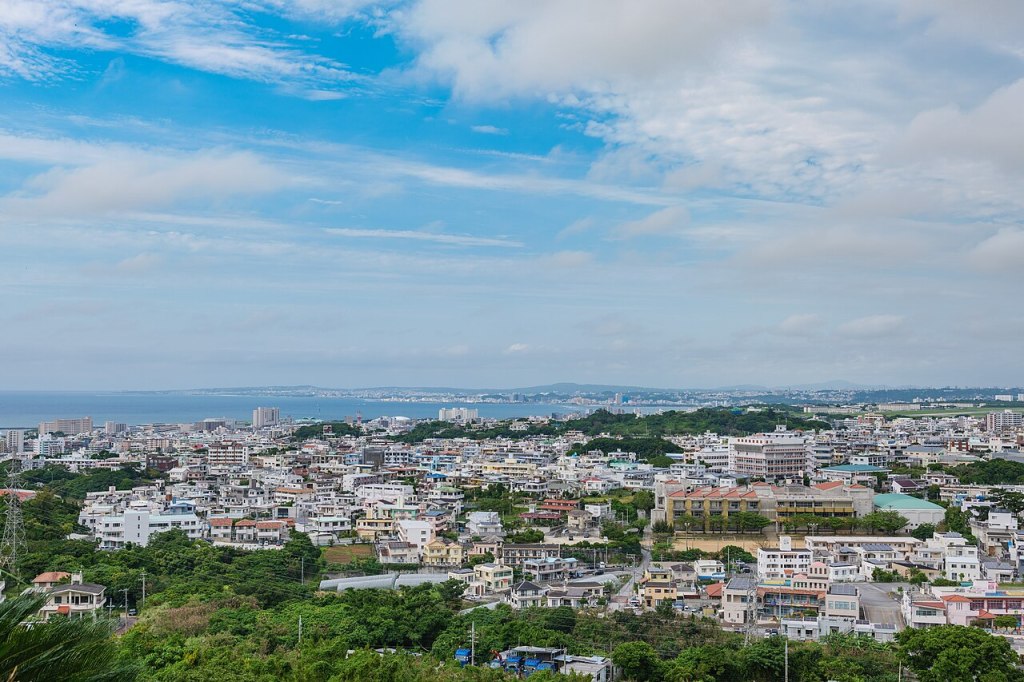
The castle is a ridge of stone walls, terraces and gates above the city, with a view over Naha and the bay from the top. It predates Shuri as the royal seat, and the atmosphere is quiet and overgrown compared with the restored castles. It is free and open, with a small museum nearby.
The royal tombs
The site holds the tomb of King Eiso and other royal graves, cut into the rock below the walls. They are simple and dignified, and they are among the oldest royal tombs in Okinawa. Access is by a path from the castle area, and the atmosphere is solemn.
The Urasoe Art Museum
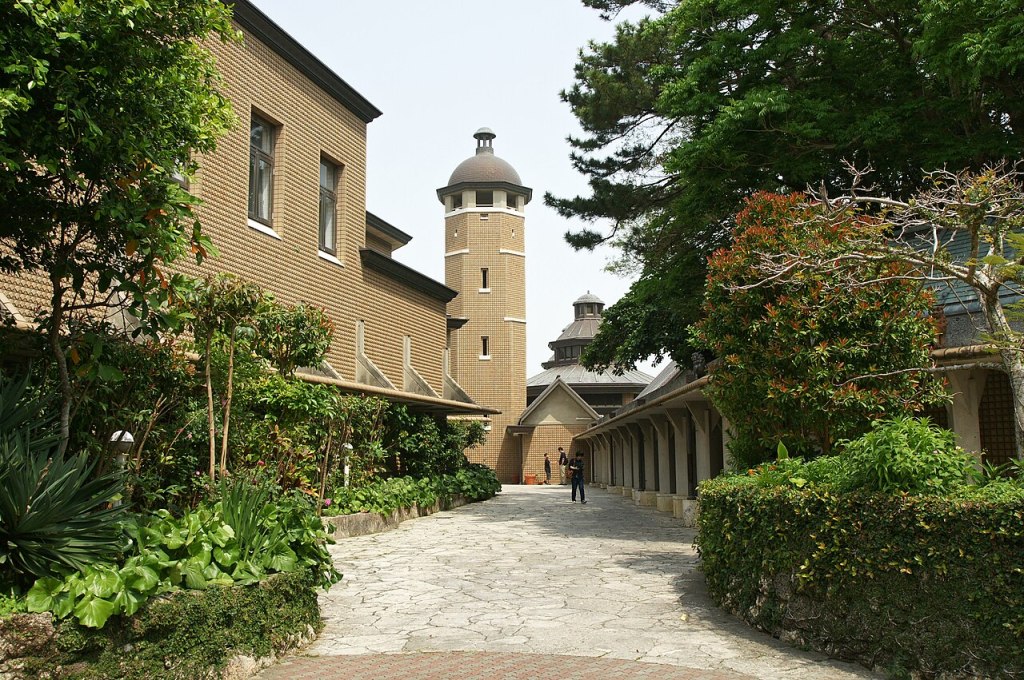
The museum has a collection of Ryukyuan art, including lacquer, textiles and paintings, along with Japanese and Asian works, in a calm building with a garden. It is small enough to see in an hour, and it explains the material culture of the kingdom better than the larger museums in Naha.
The Tedako legend
The city’s identity is built around the Tedako, the child of the sun, and the story appears in monuments, festivals and the names of local institutions. It is a good example of how Okinawan cities use legend as civic identity, and the local museum explains the tradition.
The view over Naha
The ridge above the city gives a wide view over Naha, the bay and the Kerama islands on a clear day, and the sunset is the local spectacle. The parks and the roads along the ridge are good places to stop. It is the best free view in the area.
The local food
Urasoe is a residential city and its restaurants serve the everyday food of Okinawa: soba, taco rice, pork and the local vegetables, at prices lower than the tourist districts. The shopping streets near the station and the city hall have a good range. It is a place to eat where people live.
The access from Naha
The city is a short drive or bus ride from Naha, and the Yui rail extension is bringing the city closer. It is easy to combine with Shuri and the airport, which makes it a practical half day rather than a separate trip. The bus routes run from Naha bus terminal.
Food and drink
- Okinawan soba and taco rice are the everyday dishes in the local restaurants.
- Pork, including rafute and the local sausages, appears on most menus.
- Goya and the island vegetables are served stir-fried and in juice.
- The shopping streets have bakeries and cheap lunch places used by residents.
- The local sweet shops sell beni imo and brown sugar confections.
Getting there and around
- Urasoe is a short drive or bus ride north of Naha, about twenty minutes from the city centre.
- Buses from Naha bus terminal run to the city hall and the castle area.
- The Yui rail extension is bringing the line closer to the city.
- Naha airport is about thirty minutes by car.
- A car or taxi is the easiest way between the castle, the museum and the ridge parks.
Where to stay
- Business hotels and guesthouses in the city are cheaper than Naha’s tourist hotels.
- Naha has the widest choice and is only twenty minutes away.
- A few resort hotels on the coast have sea views.
- Book ahead in the New Year and the summer holiday season.
Best time to visit
- Spring is warm, with the cherry blossom in January and comfortable walking.
- Summer is hot and humid, with strong sun on the castle ridge.
- Autumn is warm and clear, the best season for the views.
- Winter is mild, with the clearest air and the fewest visitors.
Practical tips
- The castle site is free and open, with uneven stone paths; wear proper shoes.
- The art museum is closed on some weekdays; check before visiting.
- The ridge is exposed; bring water and sun protection.
- The bus service is frequent but slow; a taxi is cheap for the short distances.
- Combine the visit with Shuri castle and the airport on the same day.
- The local restaurants close in the afternoon and reopen in the evening.
Suggested day-trip outline
- Morning: the castle site and the royal tombs.
- Late morning: the Urasoe Art Museum.
- Lunch: Okinawan soba in the city.
- Afternoon: the ridge parks and the view over Naha.
- Late afternoon: the shopping streets and the sweet shops.
- Evening: back to Naha, or the airport.
Before you go
Timetables, fares, admission fees, and seasonal access rules can change. Check the official tourism and transport sites linked below for the latest information before you travel.
Explore More of Japan
Published guides that pair with this one:
- Shuri Castle Guide: The Heart of the Ryukyu Kingdom
- Nago Travel Guide: The Earliest Cherry Blossoms in Japan
- Itoman Travel Guide: Peace Memorial Park and the Fishing Port
- Himeyuri Peace Museum Travel Guide: Okinawa’s Student Nurses
- Okinawa Peace Memorial Park Guide: Mabuni and the Battle Sites
Browse every Okinawa guide on this site for the rest of the region.
Sources
- city.urasoe.lg.jp (checked 2026-11-06)
- okinawastory.jp (checked 2026-11-06)


Leave a Reply