A practical English guide to Matsuyama city: the tram network, the Okaido arcade, Ishite-ji on the pilgrimage, the haiku heritage and the local food.
Operational details such as opening hours, admission fees, and train times can change. Prefer official pages and reconfirm before you travel (sources checked on 06 November 2026).
Why visit
- Matsuyama is the largest city on Shikoku, on the north-west coast of the island facing the Seto Inland Sea, and it is one of the most agreeable cities in Japan. It has a castle on a hill in the middle, a tram network that runs through the centre, a covered arcade that people actually use, and a literary reputation that goes back to the haiku poet Masaoka Shiki.
- The trams are the defining feature. Matsuyama has kept a dense network of vintage and modern trams that run from the station through the arcades to Dogo Onsen, and riding them is the easiest way to understand the city. The Botchan train, a small restored locomotive, runs on one of the lines as a tourist service.
- The city is also a pilgrimage town. Ishite-ji, temple fifty-one of the eighty-eight, is a short bus ride from the centre and one of the most atmospheric temples on the route, with a cave passage and a hillside of halls. It is a working temple, not a museum, and the pilgrims in white are part of the scene.
- The food is plain and good: taimeshi, sea bream over rice, jakoten, a fried fish paste, and the local sake. Matsuyama is a comfortable city to spend a day in, and it works well as a base for Dogo Onsen and the castle, which have their own articles on this site.
Top places and highlights
The tram network
The trams run on a handful of lines through the centre, from the JR station to the arcades and on to Dogo. They are cheap, frequent and easy to use, and the older cars are worth waiting for. A one-day pass covers the network and is the simplest way to get around.
The Okaido arcade
The covered shopping street runs from the tram stop at Okaido towards the castle hill, with shops, cafes and restaurants on both sides. It is a working arcade used by residents rather than a tourist mall, and it is at its best in the evening. The side streets hold the smaller bars and the local food.
Ishite-ji
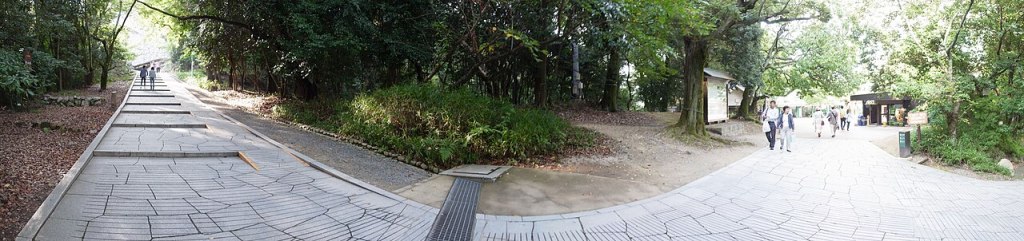
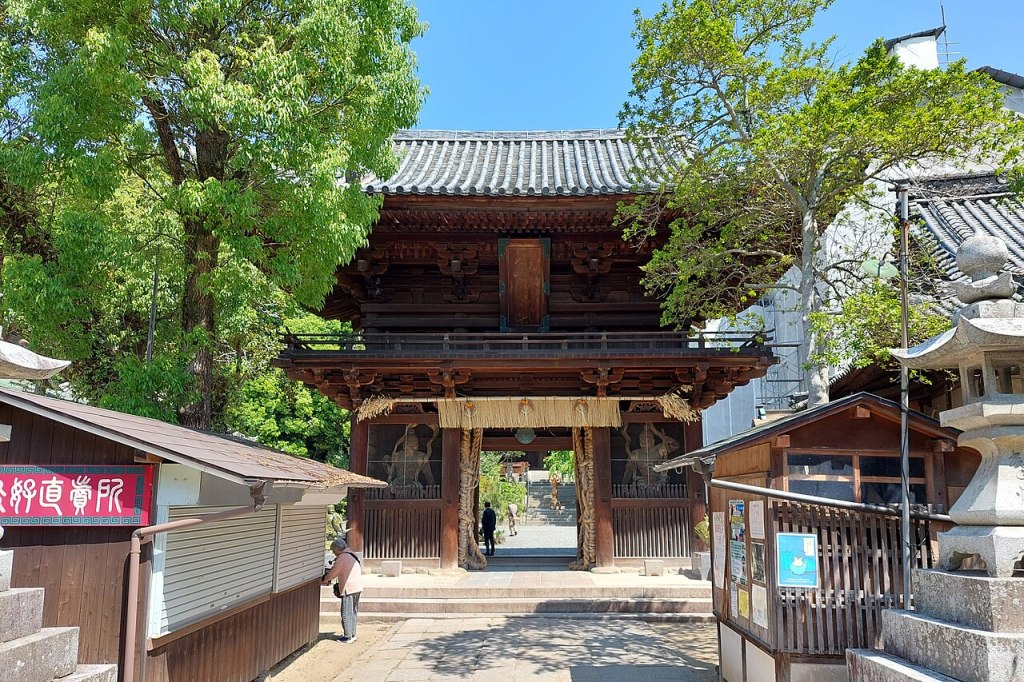
The temple is temple fifty-one of the Shikoku pilgrimage, and it has a cave passage, a hillside of small halls and a large niomon gate. It is one of the most distinctive temples on the route, and pilgrims in white coats pass through all day. The approach from the bus stop is a short walk through a residential district.
The haiku heritage
Masaoka Shiki was born in Matsuyama, and the city has a museum dedicated to him and to the haiku tradition, along with monuments and a literary walk. It is a quiet, civilised attraction and a good counterweight to the castle and the onsen. The Shiki Museum is near the castle park.
The castle from below
Matsuyama Castle sits on a hill in the centre of the city, and while the castle itself has its own article, the view of it from the streets and the ropeway approach is part of the city’s character. The park at the base, the ropeway and the chairlift are all within a few minutes of the arcade.
The local food
Taimeshi is sea bream cooked with rice or served raw over rice, and jakoten is a fried paste of small fish that is eaten as a snack. The restaurants around the arcade serve both, and the local sake is soft and dry. The city is not a food destination, but it eats well and cheaply.
The Botchan train
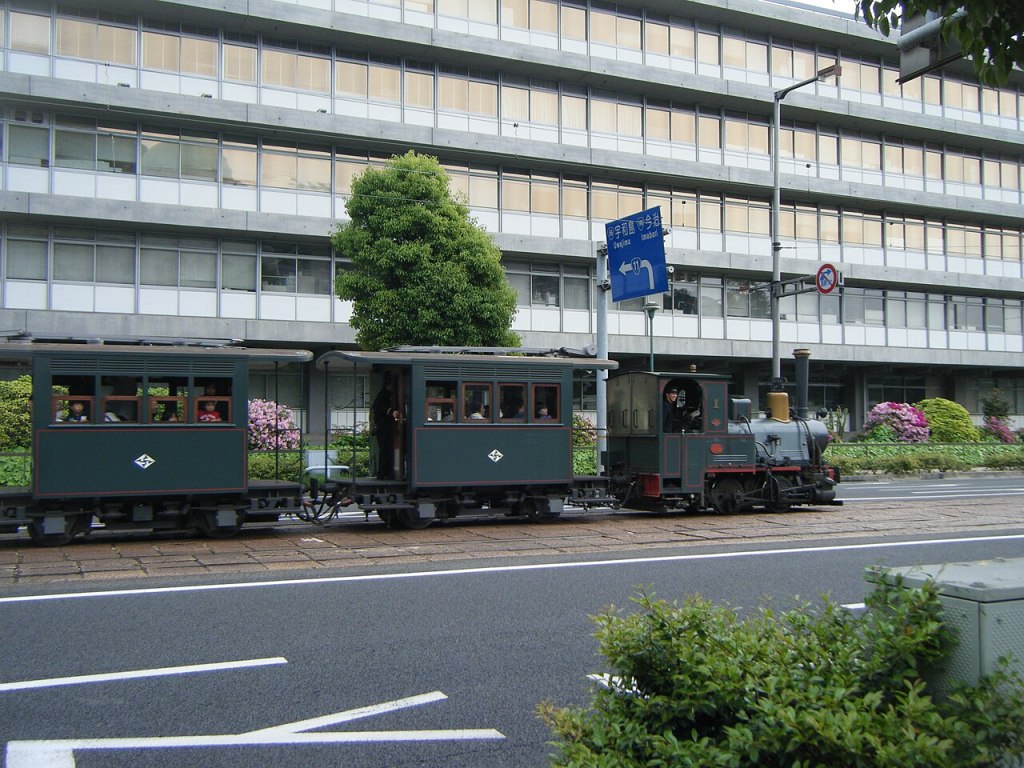
The small restored locomotive runs on the line to Dogo as a tourist service, with wooden benches and open windows. It is a piece of the city’s literary tourism, named after the Natsume Soseki novel set in Matsuyama, and it is a pleasant way to make the trip to the onsen. It runs on a limited schedule, so check the times.
Food and drink
- Taimeshi, sea bream with rice, is the local dish, served in both cooked and raw versions.
- Jakoten is a fried fish paste, sold as a snack and served in ordinary restaurants.
- The arcade has old sweet shops and a good range of cheap lunch places.
- The local sake from Ehime is soft and dry, and the bars in the side streets serve it with small dishes.
- Oranges and citrus from the surrounding hills are sold in the markets and used in sweets.
Getting there and around
- Matsuyama is reached from Okayama by the JR Seto-Ohashi line and the Yosan line, or by ferry across the Inland Sea.
- Matsuyama airport has flights from Tokyo, Osaka and other cities, with buses into the centre.
- The tram runs from the JR station through the arcades to Dogo Onsen, and it is the main way around.
- The highway bus from Osaka and Okayama is cheaper than the train and takes a similar time.
- Ishite-ji is reached by bus or tram and a short walk, and Dogo is at the end of the tram line.
Where to stay
- Hotels cluster around the arcade and the station, with a wide range of business hotels.
- Dogo Onsen has the traditional inns, including the famous ones beside the bathhouse.
- A few guesthouses in the centre offer cheaper rooms and a local feel.
- Book ahead in autumn and around the Dogo Onsen festival periods.
Best time to visit
- Spring is mild, with blossom in the castle park and comfortable walking.
- Summer is hot and humid, and the evenings in the arcade are the best time to be out.
- Autumn is clear and dry, the best season for the city and the pilgrimage.
- Winter is mild by Shikoku standards, with quiet streets and the onsen at their best.
Practical tips
- A one-day tram pass is good value if you are going to Dogo and back.
- The Botchan train runs on a limited schedule, so check before planning around it.
- Ishite-ji is a working temple; keep quiet and follow the signs.
- The arcade is the place to eat in the evening, and the side streets are cheaper.
- The castle ropeway and chairlift are separate from the castle admission.
- Matsuyama is a good base for two nights: one for the city, one for Dogo.
Suggested day-trip outline
- Morning: the tram to the arcade and a walk through the shopping streets.
- Late morning: the ropeway or chairlift to the castle park.
- Lunch: taimeshi or jakoten in the arcade.
- Afternoon: the bus to Ishite-ji and the temple walk.
- Late afternoon: the Shiki Museum, or the tram to Dogo.
- Evening: dinner in the arcade, or a bath at Dogo Onsen.
Before you go
Timetables, fares, admission fees, and seasonal access rules can change. Check the official tourism and transport sites linked below for the latest information before you travel.
Explore More of Japan
Published guides that pair with this one:
- Tokushima City Travel Guide: Castle Park, Awa Indigo and the Naruto Gate
- The Museum of Art, Ehime Travel Guide: Highlights, Access, and Planning
- Mount Ishizuchi Guide: Shikoku’s Highest Peak
- Dogo Onsen Travel Guide: Historic Hot Springs in Matsuyama
- Matsuyama Castle Travel Guide: The 1854 Keep above the City
Browse every Shikoku guide on this site for the rest of the region.
Sources
- city.matsuyama.ehime.jp (checked 2026-11-06)
- iyokannet.jp (checked 2026-11-06)


Leave a Reply