A practical English guide to Tokushima city: the castle park, the Awa Jurobe puppet theatre, indigo dyeing, the local food and access from Osaka or Kobe by bus and rail.
Operational details such as opening hours, admission fees, and train times can change. Prefer official pages and reconfirm before you travel (sources checked on 06 November 2026).
Why visit
- Tokushima is the capital of Shikoku’s eastern prefecture, a city of about 250,000 at the mouth of the Yoshino river, and it is the least visited of the four Shikoku capitals. That is part of its appeal: the sights are quiet, the streets are flat and walkable, and the local culture is unusually distinct.
- The city’s identity is built on two things. The first is the Awa Odori festival, held in August, which is the largest dance festival in Japan and fills the streets for four nights. The second is indigo. Tokushima was the centre of Japanese indigo dyeing for centuries, and the craft survives in workshops and in the local textile tradition.
- The castle site in the centre of the city is now a park, with the restored turret, the moats and a museum that covers the local history. It is small and pleasant, and the Mt Bizan ropeway beside it gives a view over the city to the mountains and the sea.
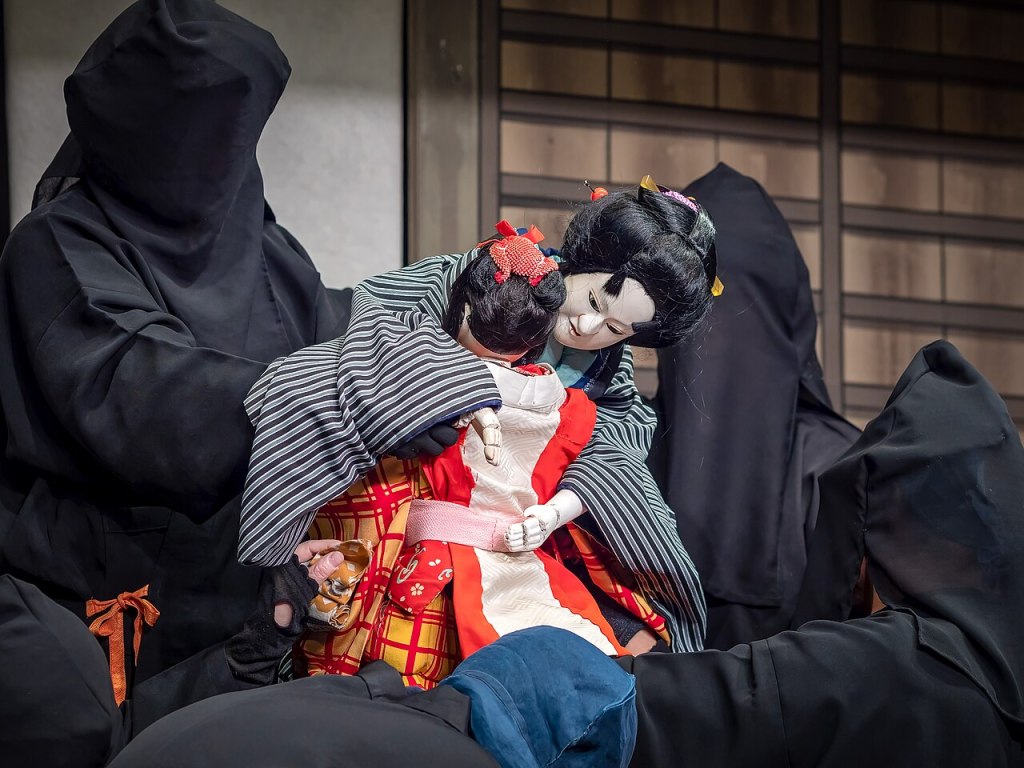
- The third strand is the Awa Jurobe Yashiki, a preserved puppet theatre where the traditional Awa ningyo joruri is performed. It is one of the few places in Japan where this form survives, and the performances are short and accessible. Together with a visit to an indigo workshop, it gives a day that is about the place rather than about a checklist.
Top places and highlights
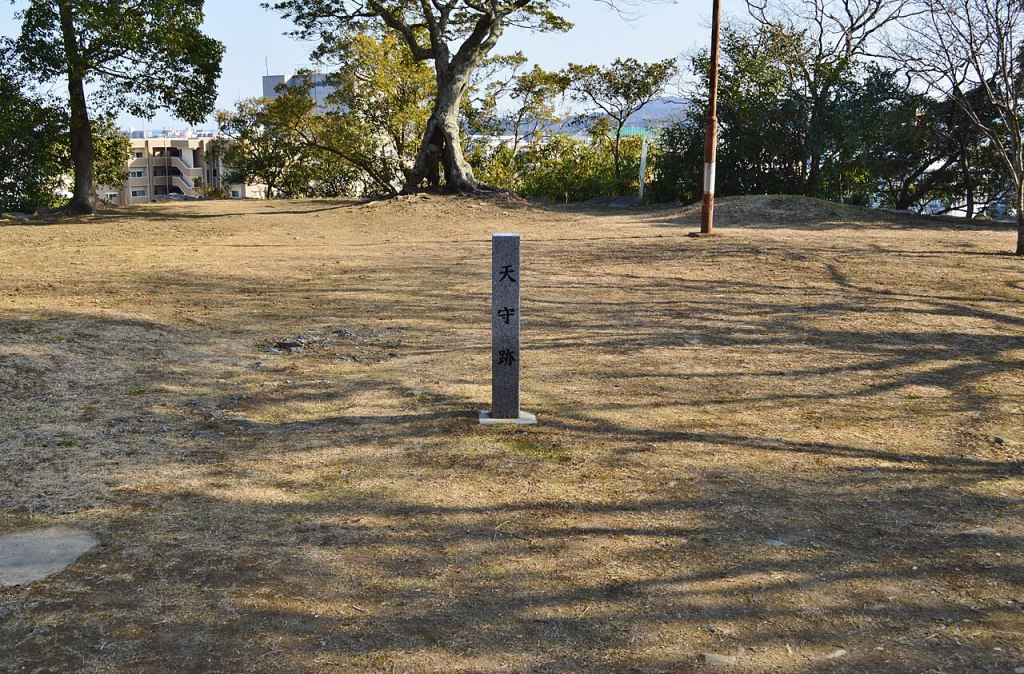
Tokushima Castle Park
The castle site in the centre of the city is now a park with the restored turret, stone walls, moats and a garden. The castle itself was dismantled in the seventeenth century and only the outline remains, but the park is well kept and the turret gives a view over the city. The museum beside it covers the local history in a compact, readable way.
The Awa Jurobe Yashiki
The theatre is a reconstruction of the house where the Jurobe puppet tradition was performed, and it stages short performances of Awa ningyo joruri through the day. The puppets are large and the manipulation is visible, which makes it easier to follow than some traditional theatre. It is a short bus or taxi ride from the centre.
The indigo workshops
Tokushima’s indigo industry once supplied dyers across Japan, and a few workshops still ferment the leaves and dye cloth in the traditional way. Some accept visitors for demonstrations or hands-on sessions, and the shops sell indigo-dyed textiles. The colour is the local colour, and the smell of the fermentation vats is memorable.
Mount Bizan
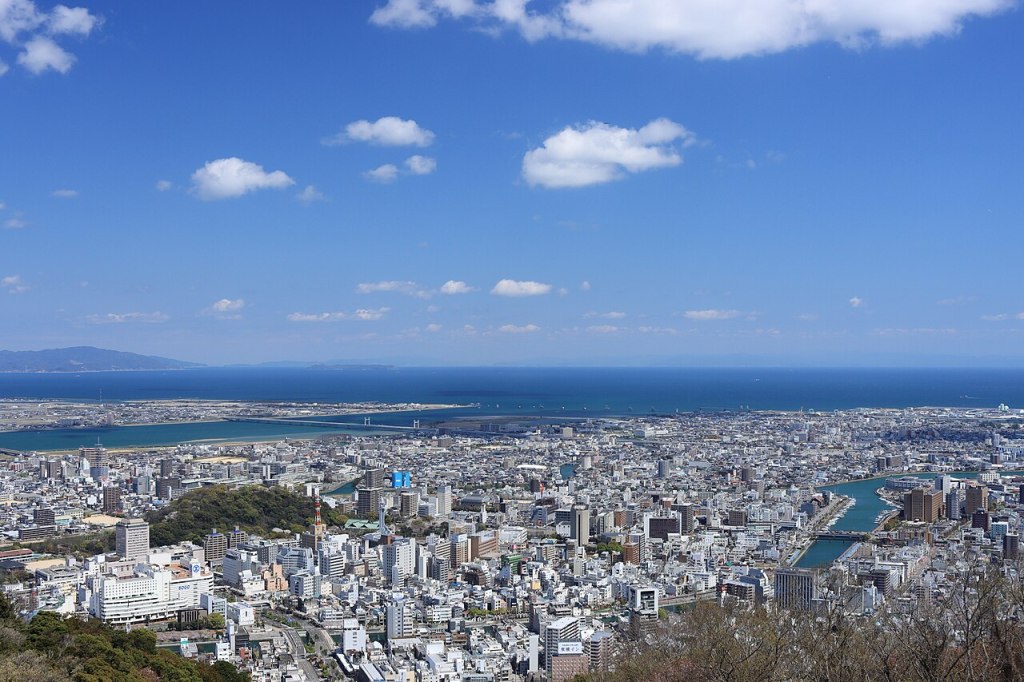
The low mountain behind the city is reached by a ropeway from near the castle park, and the summit gives a view over the city, the Yoshino river and the mountains beyond. It is the best place to understand the geography of the city, and the walk down through the woods takes about an hour if the weather is good.
The Yoshino river
The river runs wide and slow through the city on its way to the sea, and the banks are laid out with paths and parks. In summer the river is used for boating and for the fireworks of the Awa Odori season. Walking along it in the late afternoon is the best free thing in the city.
The local food streets
The centre has a scatter of small restaurants serving Tokushima ramen, with its soy-based dark soup and pork, and the local fish from the Naruto strait. The food streets near the station are small and unpretentious, and the prices are low. The local sweet is a rice cake with a sweet bean filling.
Naruto and the whirlpools
The Naruto strait, famous for its whirlpools, is a short train ride east of the city and makes an easy half-day. The whirlpools are strongest at the turn of the tide, and the timing matters more than the season. It is a separate trip, but it is the reason many travellers come to this part of Shikoku at all.
Food and drink
- Tokushima ramen has a dark soy soup, thin noodles and pork, and it is the local staple.
- Fish from the Naruto strait, including sea bream and wakame, is served in the city’s restaurants.
- The local sweet is a rice cake with bean paste, sold in the old shops near the castle park.
- Sudachi, the local citrus, is used in drinks, dressings and on grilled fish.
- The food streets near the station are cheap and open late, and the local sake is worth ordering.
Getting there and around
- Tokushima is reached from Osaka by highway bus in about two and a half hours, the most common route.
- The JR Mugi line and the Kotoku line connect the city with the rest of Shikoku, and the Naruto line runs east to the strait.
- Tokushima airport handles flights from Tokyo and Fukuoka, with buses into the city.
- The castle park and the centre are walkable from the station, about twenty minutes.
- A car is useful for the indigo workshops and the Naruto coast, but the city is easy without one.
Where to stay
- Business hotels around the station are the practical choice and there are several.
- A few ryokan and guesthouses in the centre offer a quieter stay.
- Naruto, half an hour east, has hotels convenient for the whirlpools.
- Book well ahead for the Awa Odori festival in August, when the city fills.
Best time to visit
- Spring is mild and the castle park is at its best.
- Summer is hot and humid, with the Awa Odori festival in August as the peak.
- Autumn is clear and comfortable, the best season for walking the city.
- Winter is mild and quiet, with the indigo workshops and museums at their calmest.
Practical tips
- Awa Odori in August fills every hotel in the city, so book months ahead or stay elsewhere.
- The puppet theatre performances are short and run through the day; check the times.
- Indigo workshop visits usually need a reservation, so ask at the tourist office.
- The ropeway to Mount Bizan closes in strong wind, so check before going up.
- Tokushima ramen shops are small and close early; eat before the evening.
- The highway bus from Osaka is cheaper and often faster than the train.
Suggested day-trip outline
- Morning: the castle park and the museum.
- Late morning: the ropeway to Mount Bizan and the view.
- Lunch: Tokushima ramen in the centre.
- Afternoon: the Awa Jurobe puppet theatre, or an indigo workshop.
- Late afternoon: the Yoshino riverbank walk.
- Evening: dinner near the station, then the bus or train onwards.
Before you go
Timetables, fares, admission fees, and seasonal access rules can change. Check the official tourism and transport sites linked below for the latest information before you travel.
Explore More of Japan
Published guides that pair with this one:
- Wakimachi Udatsu Travel Guide: A Merchant Street in Tokushima
- Hiwasa Travel Guide: Sea Turtles, Yakuoji and the Pilgrimage Road
- Mount Tsurugi Travel Guide: Shikoku’s Highest Peak by Ropeway
- Awa Odori Guide: Tokushima’s August Dance Festival
- Kochi and Katsurahama Guide: The Pacific Coast and Ryoma
Browse every Shikoku guide on this site for the rest of the region.
Sources
- city.tokushima.tokushima.jp (checked 2026-11-06)
- awanavi.jp (checked 2026-11-06)


Leave a Reply