A practical English guide to Nago in northern Okinawa: the cherry blossom festival in January, Nago Castle Park, the Orion brewery, the coast and access from Naha.
Operational details such as opening hours, admission fees, and train times can change. Prefer official pages and reconfirm before you travel (sources checked on 06 November 2026).
Why visit
- Nago is the largest city in the north of Okinawa’s main island, at the head of a bay on the western coast, and it is the service centre for the Yambaru forest and the northern beaches. Most travellers pass through on the way to Cape Hedo or the resorts, but the city itself has one distinction that is worth planning around: the earliest cherry blossoms in Japan.
- The Okinawan cherry, kanhizakura, flowers in January and February, months before the mainland. Nago holds a festival at its castle park, with food stalls, music and night lighting, and the combination of pink blossom and warm weather is unlike the mainland’s hanami. It is a genuine local event rather than a tourist show.
- The city is also the home of Orion beer, the Okinawan brand, and the brewery has a tour and a tasting room. The connection between the beer and the island’s identity is strong, and the tour explains the company’s history and the local market in a way that is more interesting than it sounds.
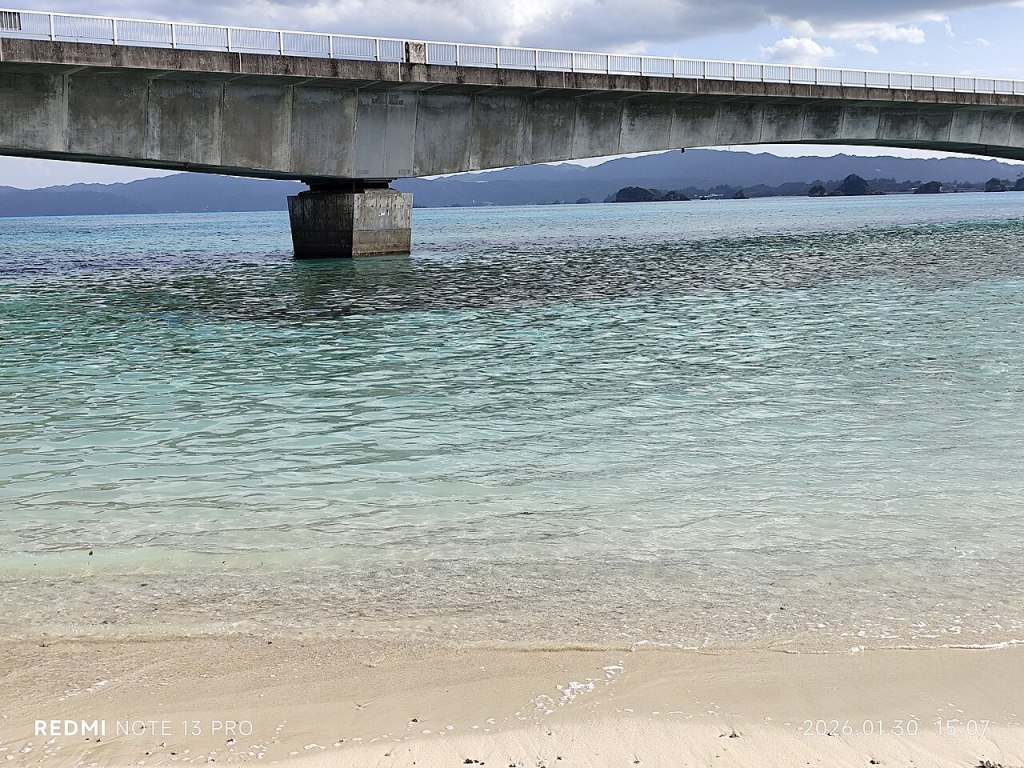
- The coast around Nago has beaches, small ports and the bridge to Kouri island, and the northern forest is within reach. The city is a practical base for the Yambaru and the northern cape, with more restaurants and hotels than the villages further north.
Top places and highlights
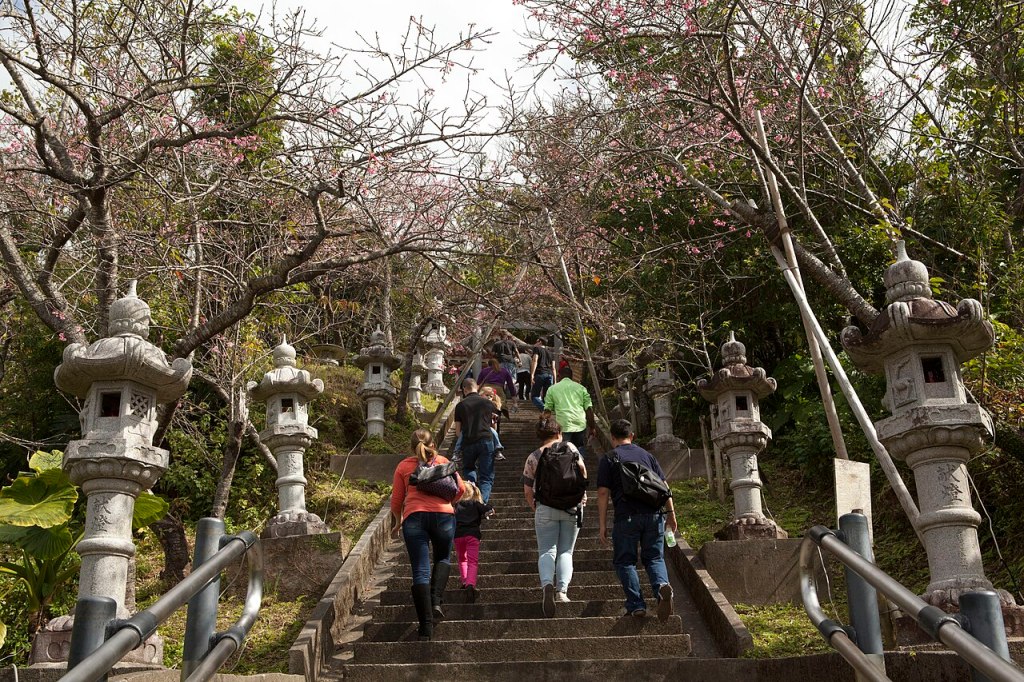
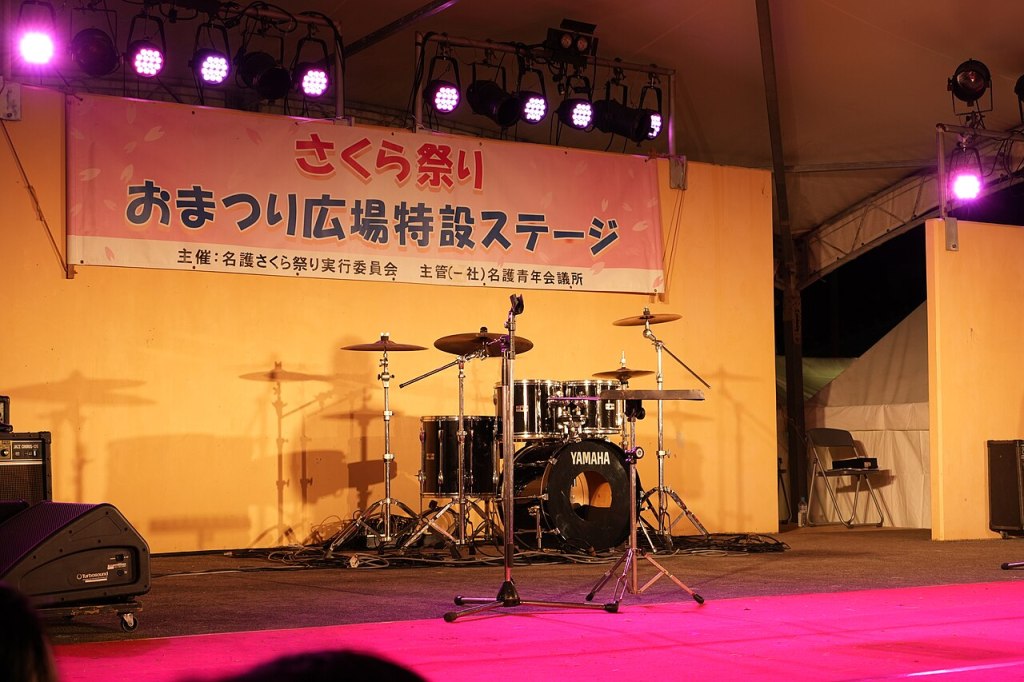
Nago Castle Park
The park occupies the site of a small Ryukyuan castle on a hill above the city, with earthworks, a reconstructed gate and a view over the bay and the northern hills. In January and February it becomes the centre of the cherry blossom festival, with stalls and lighting. Outside the season it is a quiet place with a good view.
The cherry blossom festival
The kanhizakura blooms in the depth of the Okinawan winter, and the festival at the castle park runs for a few weeks in January and February. There are food stalls, stage performances and evening lighting, and locals come in numbers. Dates shift with the bloom, so check locally rather than booking around a fixed date.
The Orion brewery
The brewery on the edge of the city runs tours that cover the process and the company’s history, ending in a tasting. Orion is the Okinawan beer and a local symbol, and the tour is a popular rainy-day activity. Booking is advisable in high season.
The coast and the beaches
The western coast around Nago has small beaches, a marina and a waterfront park, and the water is clear in the calmer months. The northern beaches are wilder and less developed, with coral and rock. Swimming is best in summer, when the water is warm and the jellyfish risk is lower on the netted beaches.
The approach to the Yambaru
North of Nago the road climbs into the Yambaru forest, the subtropical woodland that is now a national park, with the Hiji falls and the villages of Kunigami beyond. Nago is the last city before the forest, and the natural place to stock up and sleep.
The Nakijin castle site
The ruins of Nakijin Castle, a World Heritage site, are a short drive north of Nago on a ridge above the coast. The walls are extensive and the setting is dramatic, and the site is far less crowded than Shuri. It is one of the best Ryukyuan sites on the island.
The local food
The city has a good range of Okinawan restaurants, from soba shops to izakaya serving the local pork, bitter melon and seaweed. The market near the port sells fish and the local produce. Prices are lower than in Naha, and the food is less aimed at visitors.
Food and drink
- Okinawan soba, with wheat noodles in a pork broth, is the local staple.
- Rafute, pork belly simmered in soy and sugar, and other pork dishes are central to the cuisine.
- Goya, the bitter melon, appears in stir-fries and in juice, and it is the island’s vegetable.
- Orion beer is brewed here, and the brewery tour ends with a tasting.
- Seaweed and mozuku from the northern coast are served as a starter in most restaurants.
Getting there and around
- Nago is about an hour and a half by car from Naha on the expressway, or two hours on the coastal road.
- Local buses run from Naha to Nago, and the journey takes around two hours.
- The city is the northern hub for buses to Cape Hedo, the Yambaru villages and the beaches.
- A rental car is the practical way to reach the castle park, the brewery and the coast.
- Naha airport is the main arrival point, with car rental at the terminal.
Where to stay
- Resort hotels line the coast west of the city, with beach access and pools.
- Business hotels and guesthouses in the centre are cheaper and convenient for the festival.
- The northern villages have small minshuku and eco-lodges for the forest.
- Book well ahead for the cherry blossom festival in January and February.
Best time to visit
- January and February are the cherry blossom season, the city’s main event.
- Spring is warm and green, with the forest at its best.
- Summer is hot and humid, with the beaches and the marine season at their peak.
- Autumn is warm and comfortable, with fewer visitors and good conditions for the north.
Practical tips
- Festival dates follow the bloom, so check the city’s notice rather than booking around a fixed week.
- The castle park is a short taxi ride from the centre, and the walk up is steep.
- Book the brewery tour in advance in high season.
- Swim only at netted beaches in summer, and check the jellyfish warnings.
- A car makes the difference in the north; bus services are thin beyond Nago.
- Carry cash for the festival stalls and the small restaurants.
Suggested day-trip outline
- Morning: the castle park and the view over the bay.
- Late morning: the market and the port area.
- Lunch: Okinawan soba in the centre.
- Afternoon: the Orion brewery tour.
- Late afternoon: the coast west of the city, or the drive north to Nakijin.
- Evening: dinner in the centre, or the festival stalls in season.
Before you go
Timetables, fares, admission fees, and seasonal access rules can change. Check the official tourism and transport sites linked below for the latest information before you travel.
Explore More of Japan
Published guides that pair with this one:
- Cape Chinen Travel Guide: Sunrise, Kudaka and Southern Okinawa
- Hamahiga Island Travel Guide: Okinawa Quiet East Coast
- Naha Tug of War Travel Guide: The Worlds Largest Rope
- Hiji Falls Travel Guide: The Yambaru Forest Walk in Northern Okinawa
- Chatan Travel Guide: American Village, Sunset Beach and Araha
Browse every Okinawa guide on this site for the rest of the region.
Sources
- city.nago.okinawa.jp (checked 2026-11-06)
- okinawastory.jp (checked 2026-11-06)


Leave a Reply